

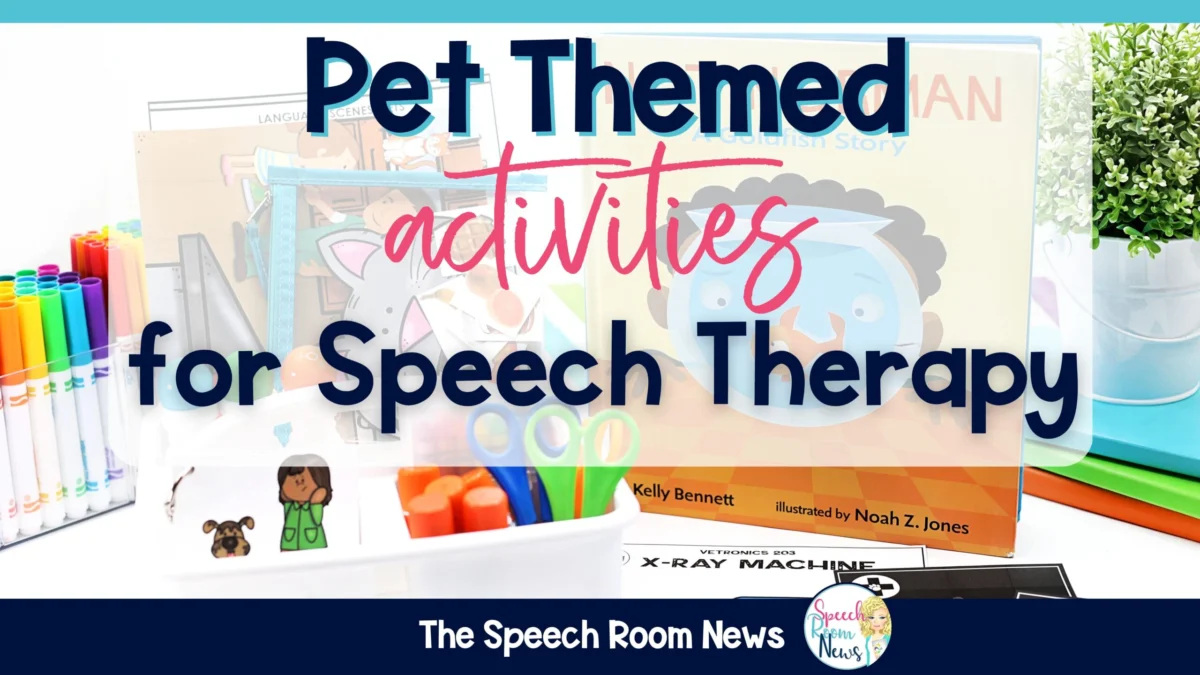
The adoption of thematic frameworks within speech and language therapy has emerged as a cornerstone of effective pedagogical practice, particularly in pediatric settings. This structured approach, which organizes therapeutic activities around a central topic or concept, has been increasingly recognized for its capacity to foster engagement, enhance comprehension, and facilitate the generalization of newly acquired communication skills across diverse contexts. Unlike isolated skill-based drills, thematic units weave together various learning objectives—ranging from articulation and phonology to vocabulary expansion, syntax development, and pragmatic skills—into a cohesive and inherently motivating educational experience. Research in educational psychology consistently highlights that learning is most robust when information is presented within a meaningful context, allowing children to build connections and solidify understanding. Thematic units inherently provide this contextual richness, reducing cognitive load and making complex linguistic structures more accessible.
One of the most versatile and universally appealing themes for year-round application in speech and language therapy is the "pets theme." Its widespread appeal to children, coupled with its rich linguistic and conceptual potential, makes it an invaluable resource for speech-language pathologists (SLPs). The enduring fascination children hold for animals provides an immediate entry point for engagement, transforming therapy sessions into exciting explorations rather than routine exercises. From a practical standpoint, non-holiday specific themes like "pets" offer significant advantages for clinicians, allowing materials to be reused multiple times throughout the academic year, thereby maximizing resource utility and minimizing preparation time. This efficiency is crucial for busy SLPs managing diverse caseloads and varying student needs. Moreover, the pet theme naturally lends itself to addressing a broad spectrum of speech and language goals, encompassing descriptive language for animal characteristics, action verbs related to pet care, narrative development through stories about pets, and social-emotional learning through discussions about empathy and responsibility towards animals.

The Foundational Benefits of Thematic Therapy
Thematic instruction is not merely a pedagogical preference but is rooted in robust educational theories. Constructivist learning theories, for instance, posit that learners actively construct their understanding of the world through experience and reflection. Thematic units provide a scaffold for this construction by offering a coherent framework within which new knowledge can be integrated with existing schemas. For children undergoing speech and language therapy, this means that discrete linguistic targets, such as mastering a specific phoneme or understanding a particular grammatical structure, are not taught in isolation but are embedded within a larger, meaningful narrative. This holistic approach enhances retention and facilitates the transfer of skills from the therapy room to real-world communication scenarios.
Furthermore, thematic teaching addresses the crucial element of motivation. A disengaged child is an unresponsive learner. By leveraging topics that inherently interest children, such as pets, SLPs can significantly boost intrinsic motivation. This increased engagement translates into sustained attention, greater participation, and ultimately, improved therapeutic outcomes. A report by the American Speech-Language-Hearing Association (ASHA) emphasizes the importance of child-centered, play-based approaches in early intervention, noting that activities perceived as enjoyable are more likely to lead to successful skill acquisition and generalization. Thematic units, particularly those centered on captivating subjects like animals, perfectly align with these recommendations.

Designing a Comprehensive Pet-Themed Curriculum
Developing a robust pet-themed speech therapy program involves integrating various modalities and resources to target a wide array of communication goals. A well-structured curriculum should encompass literature, auditory engagement through songs, interactive games, manipulative toys for imaginative play, creative arts, and sensory exploration. The goal is to create a multi-sensory, immersive experience that reinforces learning through diverse pathways.
Literature Integration: Building Vocabulary and Narrative Skills
Storybooks are indispensable tools in speech therapy, offering rich opportunities for vocabulary acquisition, narrative development, comprehension strategies, and even articulation practice through repetitive phrases. For a pet theme, several titles stand out due to their engaging narratives and linguistic value:

- "Not Norman" by Kelly Bennett: This humorous story about a boy’s initial disappointment with his goldfish, Norman, provides excellent opportunities to discuss emotions (disappointment, acceptance, affection), descriptive language (what makes a pet "cool" or "un-cool"), and problem-solving. SLPs can target comparative adjectives, sequencing events, and inferencing about characters’ feelings. The boy’s journey to appreciate Norman also fosters discussions about empathy and valuing unique qualities, extending beyond purely linguistic goals.
- "Some Pets" by Angela DiTerlizzi: With its vibrant illustrations and diverse portrayal of children and their animal companions, this book is ideal for targeting a broad range of vocabulary related to different pet types, their characteristics, and the actions associated with pet ownership. It encourages categorization skills (e.g., furry pets, scaly pets), comparative language, and early conversational turn-taking by discussing students’ own pets or preferred animals. The repetitive structure often found in such books also aids in phonological awareness and early literacy skills.
- "Lola Gets a Cat" by Anna McQuinn: This narrative delves into the realities of pet ownership, contrasting Lola’s idealized daydreams with the responsibilities involved. It’s excellent for discussing cause and effect, problem-solving, and understanding routines. SLPs can use it to target verb tense (what Lola will do, what she does), sequencing steps in pet care, and developing narrative complexity. The theme of responsibility also offers a valuable platform for social-emotional discussions.
- Interactive Vocabulary Books about Pets: These specialized books often include lift-flaps or movable parts, designed to actively engage young learners. They are perfect for reinforcing core vocabulary related to pet names, actions, care items (e.g., leash, food bowl, brush), and common animal sounds. Such books are particularly effective for targeting early word learners, children with limited vocabulary, and those working on expanding their expressive language through interactive prompts and repetition. The physical interaction enhances memory and makes learning concrete.
Auditory and Musical Engagement: Enhancing Phonological Awareness and Expressive Language
Songs are a powerful medium for language learning, leveraging rhythm, melody, and repetition to embed linguistic patterns and vocabulary. For a pet theme, simple, repetitive songs are especially effective for young children and those working on foundational language skills:
- "I Have a Pet" (YouTube): This song typically features simple sentences and repetitive structures, making it excellent for practicing sentence formation, identifying different animals, and associating animals with their sounds or characteristics. It supports early grammar development and encourages participation through actions.
- "Do You Have a Pet?" (YouTube): This interrogative-based song promotes question-answering skills and encourages children to share personal experiences or preferences related to pets. It’s valuable for conversational skills, turn-taking, and expanding on simple yes/no answers.
- "I Love Dogs" (YouTube): Focusing on a single animal, this song allows for deeper exploration of dog-specific vocabulary (e.g., bark, wag, fetch) and actions. It can be used for articulation practice of specific sounds within the song’s lyrics and for describing characteristics of dogs.
- "Wag Your Tail" (YouTube): This action-oriented song is fantastic for targeting action verbs and body parts, encouraging motor imitation alongside verbalization. It promotes understanding of commands and can be adapted to include other animal actions, expanding the repertoire of verbs.
Interactive Play and Gamification: Reinforcing Skills in a Dynamic Environment
Games provide a structured yet playful context for practicing speech and language goals, often incorporating elements of turn-taking, rule-following, and friendly competition to maintain interest.
- Color and Play Pets Bingo: This versatile game can be adapted for multiple goals. For vocabulary, children identify or name pets and pet-related items. For categorization, they might group animals by habitat or type. For articulation, specific target words can be printed on the Bingo cards, requiring students to produce the sound correctly before marking a square. The act of coloring the squares also incorporates fine motor skills, adding another layer of engagement.
- Feed the Dog Articulation Boom Cards: Digital interactive games, like Boom Cards, offer a high level of engagement through animation and immediate feedback. The "Feed the Dog" concept transforms articulation drill into a fun, interactive activity. Children "feed" the dog their target speech sounds, often accompanied by auditory reinforcement (e.g., a "crunch" sound), which is highly motivating. This format allows for targeted practice of specific phonemes across various word positions and levels of complexity, making it a highly efficient tool for articulation therapy.
Manipulative Toys and Role-Play: Fostering Social Skills and Functional Language
Toys that encourage imaginative play and role-playing are crucial for developing narrative skills, social communication, and functional language in a simulated real-world context.

- Critter Clinic Toy Vet Set: This toy is exceptionally versatile, transforming into various scenarios as needed. Its multiple doors, locks, and veterinary tools provide rich opportunities for fine motor skill development alongside language goals. In a pet-themed context, it facilitates role-play as a veterinarian, pet owner, or pet.
- Language Targets: Expanding vocabulary (vet tools, animal body parts, ailments), action verbs (examine, bandage, listen), descriptive language (sick, healthy, fluffy), social scripts (greeting, asking questions, giving instructions), and problem-solving (what does the pet need?). The option to repurpose it (e.g., as a "Gingerbread House" in December, as mentioned in the original source) underscores its adaptability for various themes, highlighting the long-term value of such resources.
- Hape Family Pet Houses: These miniature play sets, often featuring small animal figures and accompanying accessories, are excellent for targeting prepositional concepts (in, on, under, next to), descriptive language (e.g., "The fluffy cat is inside the blue house"), and imaginative play. Children can create their own stories, developing narrative coherence and expanding their expressive language as they describe the pets’ adventures and interactions. This also promotes spatial reasoning and understanding of object relationships.
Creative Arts and Fine Motor Skills: The Clifford the Big Red Dog Craft
Craft activities are not just for fun; they are integral to developing fine motor skills, following multi-step directions, and providing a tangible outcome that reinforces the theme.
- Paper Plate Clifford Craft (from Crafty Morning): This craft, inspired by the beloved character Clifford, allows children to engage in a multi-sensory activity. After reading a Clifford book, creating the craft reinforces story comprehension, color identification, and body part vocabulary. The process of cutting, gluing, and assembling requires following instructions and provides opportunities for expressive language as children describe their creation. The finished product serves as a visual reminder of the theme and their learning experience.
Sensory Exploration: Engaging Multiple Senses for Deeper Learning
Sensory bins offer a highly engaging, hands-on approach to learning, particularly beneficial for tactile learners and those who thrive on multi-sensory input.
- Pet-Themed Sensory Bin:
- Components: Rice (dyed or natural), small plastic pet figures (dogs, cats, birds, fish), pet care accessories (miniature food bowls, leashes, brushes), and small scoops or tongs.
- Implementation: Children explore the bin, searching for hidden pets and accessories. This activity is perfect for targeting descriptive language ("I see a pointy black ear sticking out!"), inferencing (guessing the animal from a partial view), identifying objects, and following directions ("Find the fluffy cat"). The tactile experience also provides a calming and organizing activity for some children, enhancing their readiness for verbal engagement.
Structured Program Development: The Value of Pre-Planned Kits

The comprehensive nature of thematic therapy, while highly effective, can be time-consuming to plan and execute. This is where pre-planned kits, such as the "Pet Themed Speech Therapy Kit" mentioned in the original context, become invaluable for busy clinicians. Such kits typically consolidate:
- Therapy Printables: Worksheets, flashcards, visual aids for various goals.
- Interactive Play Resources: Materials for games and role-play scenarios.
- Circle Time Lessons: Structured activities for group settings, incorporating songs, stories, and discussions.
- Parent Handouts: Resources to facilitate carryover of skills into the home environment, empowering parents as partners in therapy.
- Book Companions: Supplementary materials designed to be used with specific storybooks.
The availability of such comprehensive resources allows SLPs to dedicate more time to direct client interaction and individualized instruction rather than material creation. This efficiency directly contributes to improved service delivery and consistent application of therapeutic strategies. A meta-analysis of therapy interventions has shown that structured, evidence-based programs, when consistently implemented, yield more predictable and positive outcomes than ad-hoc approaches.
Broader Implications and Future Directions

The successful integration of thematic learning, exemplified by the pet-themed approach, extends its impact beyond individual therapy sessions. It contributes to a more holistic developmental framework for children, fostering not only linguistic competence but also cognitive, social, and emotional growth. By making learning enjoyable and relevant, thematic therapy nurtures a positive attitude towards communication and learning, which is critical for long-term academic success.
Furthermore, this approach offers significant implications for professional development within speech-language pathology. The continuous creation and sharing of high-quality thematic resources among SLPs foster a collaborative environment, promoting best practices and innovation. As technology advances, the development of digital thematic resources, such as interactive apps and virtual reality experiences featuring pets, will likely expand the reach and engagement potential of this therapeutic modality even further.
In conclusion, thematic interventions, particularly those leveraging universally appealing subjects like pets, represent a highly effective and evidence-informed strategy in pediatric speech and language pathology. By providing a rich, contextualized, and motivating learning environment, SLPs can optimize therapeutic outcomes, enhance skill generalization, and empower children to become more confident and competent communicators. The systematic development and application of such themes underscore a commitment to child-centered, engaging, and impactful therapeutic practice.
