


The discourse surrounding influence, particularly within professional coaching and interpersonal dynamics, is evolving. A recent discussion initiated by LinkedIn connection Reyes Castillo on the practical application of "Loving and Eternal" influence, as opposed to a more conventional "Lasting and Ethical" approach, has illuminated a critical shift in perspective. This exploration delves into the core of this transition, positing that genuine influence originates not from behavioral modifications, but from an internal transformation of being.
The Foundation of Influence: An Inside-Out Approach
The fundamental question posed was: "What’s the first thing someone usually has to stop doing once they start asking what’s best for the other person instead of what’s allowed?" The contemplative response, emerging from insights gathered during personal reflection, suggests a departure from this initial framing. The argument presented is that the transformative power of influence is not initiated by cessation of action, but by the cultivation of a new state of being. This perspective draws parallels with profound philosophical and religious teachings, notably the emphasis on internal purity preceding outward action.
This "inside-out" philosophy posits that true change and lasting impact stem from who an individual is becoming, rather than solely from what they do. This resonates with the teachings of Jesus, who famously admonished the Pharisees to "clean the inside of the cup" before attending to the exterior, and the parable of the good tree bearing good fruit. Both illustrate the principle that the outward manifestation of actions is intrinsically linked to the internal state of the individual. Therefore, the initial step in cultivating a more profound and ethical influence is a recalibration of one’s internal attitude, a shift in mindset that naturally precedes and informs behavioral adjustments.
The Principle of Liking: A Reciprocal Foundation for Influence
To illustrate this internal shift, the discussion turns to Dr. Robert Cialdini’s well-established principle of Liking. This principle asserts that individuals are more inclined to agree to requests from people they know and like. While the immediate reaction to this principle often centers on strategies to increase one’s own likeability, the deeper insight lies in reversing this focus.
Instead of actively seeking to be liked, the more impactful approach, from an "inside-out" perspective, is to actively cultivate genuine liking for others. This involves a conscious effort to discover commonalities and to offer sincere compliments. When an individual approaches an interaction with the intention of finding reasons to like the other person, the behavioral manifestations can appear identical to those seeking to be liked themselves. However, the internal motivation and focus are fundamentally different.
This subtle yet profound shift in attention – from self-concern to genuine interest in the other person – can be perceived by those being influenced. When individuals sense that another person genuinely likes them, a foundation of trust is more readily established. This trust is crucial because it fosters the belief that the influencer has the other person’s best interests at heart, a cornerstone of effective and ethical influence. Research in social psychology consistently supports the idea that perceived sincerity and empathy are powerful drivers of trust and cooperation. Studies have shown that individuals are more likely to engage in collaborative behaviors and share information when they perceive the other party as trustworthy and having benevolent intentions.
Ethical vs. Loving Influence: A Spectrum of Impact
The distinction between "Lasting and Ethical" and "Loving and Eternal" influence is a critical one. Ethical influence operates within a framework of established principles. It prompts crucial questions such as: Is my action honest? Is it appropriate? Does it respect the autonomy and freedom of choice of the other person? These are fundamental considerations that have guided ethical practice for decades and remain indispensable.
However, the "Loving and Eternal" approach introduces a higher-order question: "Do I genuinely desire what is best for this person?" This question elevates the influencer’s intent beyond mere adherence to rules and regulations. It demands a deeper emotional and ethical commitment to the well-being of the individual being influenced.
The challenge lies in the fact that two individuals can employ identical influence techniques, utter the same phrases, and ask the same questions, yet possess vastly different underlying intentions. One might be driven by a desire to secure a "yes," a transactional outcome. The other, however, might be motivated by a genuine desire to help the individual make the most beneficial decision for themselves. The outward appearance can be indistinguishable, but the internal landscape—the driving force behind the actions—is profoundly different.
The Implications for Professional Coaching and Leadership
This nuanced understanding has significant implications for professional coaching, leadership, and sales. For instance, in a coaching context, an ethical coach ensures confidentiality, maintains professional boundaries, and guides the client towards their own insights. A coach operating from a "loving" perspective not only adheres to these ethical guidelines but also cultivates a deep-seated desire for the client’s ultimate success and well-being, even if that path diverges from immediate objectives.
In leadership, a manager might ethically ensure that team members adhere to company policies and meet performance targets. A leader who embraces "loving influence" would go further, genuinely investing in their team’s growth, fostering a supportive environment, and prioritizing their long-term development and satisfaction, understanding that these factors ultimately contribute to sustained performance and loyalty. Data from employee engagement surveys consistently demonstrate a strong correlation between leadership style that emphasizes care and development and higher levels of productivity, innovation, and retention. A 2023 study by Deloitte found that organizations with a strong focus on employee well-being and a supportive leadership culture reported a 21% increase in profitability compared to their peers.
A Shift in Identity: Becoming the Influencer
The transition from ethical to loving influence, therefore, is not about acquiring new techniques or mastering advanced persuasion tactics. Instead, it is about a fundamental shift in identity. It is about becoming a different kind of person, one whose internal disposition naturally generates outward actions that are not only effective but also deeply humane and beneficial.
The question "What should I stop doing?" is a valid starting point for many, but it may not be the most effective one for fostering this deeper form of influence. A more potent inquiry might be: "Who am I becoming, and what do I genuinely wish for the person I am interacting with?" This self-reflective process encourages a proactive engagement with one’s own character development and a conscious alignment of intent with desired outcomes for others.
Expert Perspectives and Broader Impact
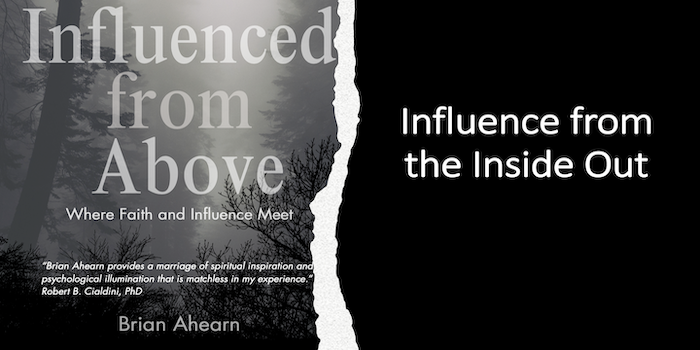
Brian Ahearn, Chief Influence Officer at Influence PEOPLE and a faculty member at the Cialdini Institute, has been a vocal advocate for this ethical and humane application of influence principles. His work, including his bestselling book Influence PEOPLE, emphasizes the power of understanding and applying psychological principles responsibly. Ahearn’s endorsement of this "inside-out" approach suggests a growing recognition within the field that true influence is not a manipulative tool but a relational dynamic built on trust, empathy, and a genuine commitment to the well-being of others.
The broader implications of embracing "Loving and Eternal" influence extend beyond individual interactions. In a world often characterized by division and transactional relationships, fostering an environment where genuine care and a desire for mutual benefit are prioritized can lead to stronger communities, more effective organizations, and a more positive societal trajectory. The long-term sustainability of any relationship, whether personal or professional, is often contingent on the perceived sincerity and benevolence of the individuals involved. When influence is rooted in love and a genuine desire for the other’s best, it transcends the ephemeral and aims for something truly eternal.
This shift represents a sophisticated evolution in our understanding of influence, moving beyond mere compliance or persuasion towards a model of connection and positive transformation. It challenges practitioners to look inward, to cultivate their own character, and to approach interactions with a heart that genuinely seeks the flourishing of all involved. The impact of such an approach, supported by behavioral science and ethical considerations, promises not only enhanced results but also a more meaningful and sustainable form of human connection.
