


The process of securing budget approval, long perceived as a dry, quantitative exercise, is undergoing a profound transformation. What was once a rigorous accounting of line items and projected returns is increasingly recognized as the foundational step for organizational innovation, market expansion, robust internal infrastructure development, and effective brand narrative projection. This shift highlights a critical insight: the allocation of resources, which underpins virtually every strategic initiative, hinges not merely on presenting figures, but on constructing a compelling case that resonates deeply with decision-makers, illuminating the profound potential of a proposed idea. When such a proposal receives the coveted green light, it signifies more than just financial endorsement; it represents an institutional commitment to transform conceptual plans into tangible realities.
For decades, the budgeting process was largely confined to the realm of spreadsheets and financial dashboards. Budget-approvers, often senior executives or board members, operate under immense pressure. Their primary mandate is fiduciary responsibility, ensuring the fiscal health and stability of the company. This inherently numerical perspective often leads to budget conversations that, while necessary, fixate predominantly on the dollar amount, return on investment (ROI) calculations, and risk mitigation. They are tasked with safeguarding the company’s assets and are ultimately accountable for the success or failure of any funded project. Their worldview is, understandably, anchored in concrete data and verifiable projections, making it challenging for them to visualize abstract future benefits from a mere patch of dirt, as it were, and see a flourishing garden.
However, a growing consensus among business leaders and communication strategists suggests that relying solely on raw data can be insufficient in today’s dynamic corporate environment. While balancing expenses and ensuring financial viability remain paramount, a new imperative has emerged: the need for a compelling narrative. This narrative transcends the limitations of dashboards and fiscal calendars, aiming to transport decision-makers beyond immediate financial metrics to truly grasp the broader, transformative implications of their approval. It seeks to paint a vivid picture, akin to Dorothy’s awe-struck transition into the technicolor world of Oz, illustrating the full spectrum of possibilities that an investment can unlock. This holistic approach is not about circumventing financial scrutiny but complementing it with a vision that secures not just capital, but also critical time, supplementary resources, and invaluable organizational backing – the quintessential ingredients for any successful endeavor. To achieve this, leading communication firms advocate for the strategic integration of narrative techniques into budget presentations.
The Evolution of Budgeting: From Pure Numbers to Persuasive Narratives
Historically, budget requests were often treated as isolated financial documents, subject to intense scrutiny based on past performance and conservative future projections. The expectation was that the intrinsic value of a project would be self-evident through its projected numbers. However, as organizations grew in complexity and competition for internal resources intensified, a purely analytical approach began to show limitations. Projects that offered significant long-term strategic advantages but might have a longer or less predictable ROI often struggled to gain traction against more immediate, financially straightforward proposals. This created a bottleneck for innovation and strategic transformation, prompting a re-evaluation of how investment proposals are presented and evaluated.
The late 20th and early 21st centuries saw a gradual recognition that human decision-making, even in corporate settings, is influenced by more than just logic. Behavioral economics highlighted the role of emotion, framing, and cognitive biases. In response, business communication began to evolve, moving beyond mere information dissemination to embrace persuasion and engagement. This shift became particularly pronounced in high-stakes situations like budget approvals, where the potential impact on careers, company trajectory, and market position is substantial. The modern approach acknowledges that while data provides the what, storytelling provides the why and what if, connecting the dots between investment and impact in a way that spreadsheets often cannot. This evolution underscores a broader trend in leadership: the ability to inspire and rally support for a vision is as crucial as the ability to manage finances.

Core Pillars of Narrative Budgeting: Strategies for Impact
Leading communication experts, including those at Duarte, a firm specializing in presentation and communication strategies, have identified several key narrative techniques that significantly enhance the likelihood of budget approval. These techniques are designed to transform a transactional budget conversation into a strategic dialogue, fostering deeper engagement and alignment with decision-makers.
Making Budget-Approvers the Heroes of ROI
A cornerstone of effective budget storytelling is to reposition the budget-approver not merely as a gatekeeper of funds, but as a pivotal hero in the project’s success story. The goal is to illustrate how their decision will lead to a tangible and desirable return on investment, making the invested capital "reappear" in a multitude of valuable forms. This transcends simple financial metrics, encompassing strategic advantages, brand enhancement, employee morale, and long-term market positioning. While predicting the future remains impossible, a well-crafted narrative helps decision-makers align their expectations with a compelling vision of the "final cut."
This approach draws parallels from other creative industries. For instance, film producers do not greenlight projects based solely on projected box office numbers. They meticulously review scripts, storyboards, and creative visions to anticipate the final product’s impact and potential for critical and commercial success. A prime example is Christopher Nolan’s journey with The Prestige. Before tackling a colossal $250 million reimagining of The Odyssey, Nolan demonstrated his mastery with The Prestige, a complex, period mystery budgeted at a comparatively modest $40 million. The film, set in Victorian London, captivated audiences with its intricate plot of rival magicians. Its opening voiceover, delivered by Michael Caine, famously describes a magic trick in three parts: "The Pledge" (showing something ordinary), "The Turn" (making it do something extraordinary), and "The Prestige" (the unexpected reappearance).
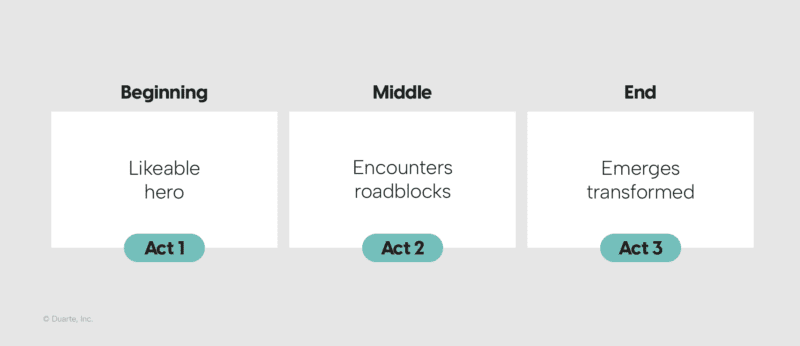
This cinematic structure offers a potent metaphor for budget proposals. A successful budget pitch should similarly convey a sense of spectacle and transformation, while directly addressing the hopes and fears of the budget-approvers. Communication strategists advocate for a "3-Act structure" in presentations: a beginning that establishes the relatable "hero" (the current state or problem), a middle that details the "roadblocks" and the journey through the proposed project, and an end that culminates in the "transformed" future or "new bliss" enabled by the approved budget.
Consider the stark difference between a purely data-driven description and a narrative-rich one:
-
Data-Light Description: "With a $40 million budget, the film is projected to gross over $100 million at the box office, achieve a runtime of 130 minutes, and aggregate a 76% score on Rotten Tomatoes based on 208 reviews." While precise and data-backed, this statement lacks emotional resonance and strategic depth.
-
3-Act Structure Narrative: "Your approval of this $40 million budget is the catalyst for a stunning reimagining of Christopher Priest’s award-winning novel, featuring an ensemble cast including Hugh Jackman, Christian Bale, Scarlett Johansson, Michael Caine, and David Bowie in a role reminiscent of his iconic performance in Labyrinth. While painstaking detail will be required to bring this adaptation to life, its crossover appeal across fantasy and science fiction genres, combined with the immense star-power of its cast, promises to attract diverse global audiences. We believe the caliber of craft and talent behind this project has the potential to delight and puzzle generations of viewers, earn critical accolades, and achieve over 200% ROI at the box office and beyond, securing a lasting cultural legacy."
The latter example clearly frames the budget-approver as the pivotal force initiating the process, acknowledges the challenges, and transforms a simple dollar amount into a vibrant, fully formed vision of the finished product. It elevates the discussion beyond mere metrics, intertwining projected financial ROI with loftier dimensions such as legacy, cultural impact, and long-term value, moving the conversation from a chart to a cinematic experience. The art, of course, lies in convincing approvers that this vision is not only attainable but that the proposer possesses the capability to make it happen.
Calling Your Shots: Building Credibility with S.T.A.R. Moments
In budget conversations, demonstrating unwavering confidence, backed by substantial preparation and proven capability, is paramount. This isn’t about making unsubstantiated claims, which can lead to disastrous outcomes like the infamous Fyre Festival debacle. Rather, it’s about establishing credibility and convincing decision-makers that the budget seeker has the foresight and competence to deliver. Before achieving project goals, one must first inspire belief in their ability to succeed. This requires a blend of strategic swagger and demonstrable skill, famously exemplified by Babe Ruth’s "called shot."
During Game 3 of the 1932 World Series, with the New York Yankees playing the Chicago Cubs at Wrigley Field, the atmosphere was thick with animosity. As Babe Ruth stepped up to bat in the 5th inning, having already taken two strikes from Cubs pitcher Charlie Root amidst a hostile crowd, he made a legendary pointing gesture towards the center field stands. On the very next pitch, Ruth hit a towering home run to that exact spot, a moment that became immortalized in baseball lore, contributing to the Yankees’ eventual sweep of the series. While eyewitness accounts and historical analysis continue to debate the precise nature of Ruth’s gesture, reporter Joe Williams’ iconic headline—"RUTH CALLS SHOT AS HE PUTS HOME RUN NO. 2 IN SIDE POCKET"—cemented the legend in the public imagination.
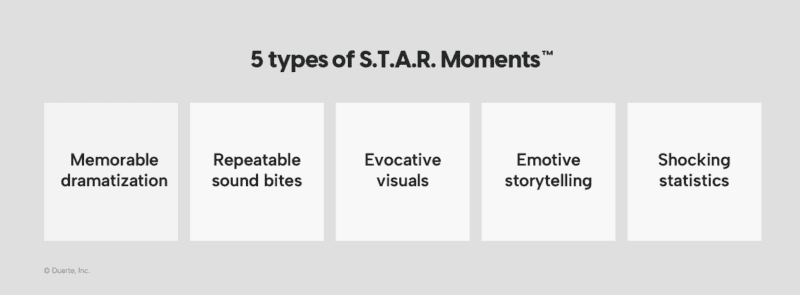
This anecdote illustrates the power of what communication experts term "S.T.A.R. moments" (Something They’ll Always Remember). These are strategic opportunities to stand out and create indelible impressions. Whether deployed in Academy Award-winning documentaries or high-profile keynote presentations, S.T.A.R. moments can be equally effective in winning over budget-approvers. They come in various forms: memorable dramatizations, repeatable sound bites, evocative visuals, emotive storytelling, or shocking statistics. The key is to ask: "How can I make my budget proposal unforgettable and demonstrate my conviction that this will be a home run?"
While a degree of showmanship can be impactful, genuine confidence stems from deep thinking, meticulous practice, and thorough preparation. Ruth’s "called shot" was not an empty boast; he was batting .341 in 1932 and had already accumulated 41 home runs that season. Similarly, budget-seekers have a singular opportunity to demonstrate competence, build trust, and earn credibility. Presenting a budget proposal with multimedia elements that deliver a crisp, clear narrative, centered on the approver as a key participant, can create such a S.T.A.R. moment. The shift in framing from "Here’s what I can do" to "With your help, here’s what we can do" subtly nudges decision-makers towards active participation rather than passive endorsement, transforming them from observers into invested partners.
Beyond the Balance Sheet: Cultivating Belief and "New Bliss"
Ultimately, securing profound commitment for a project extends beyond financial rationale and confident assertions. It requires forging a deep, emotional connection with decision-makers, prompting them to believe in something greater than mere monetary returns. This involves crafting a message imbued with empathy and emotional heft, channeling human elements that transcend technical details and project timelines. It’s the same psychological mechanism that explains why audiences connect deeply with films, sporting events, and even commercials, often eliciting tears or passionate advocacy.
A powerful technique for achieving this is to balance the financial aspects of a budget request with the promise of "new bliss." This concept, often used in narrative strategy, describes the desirable future state or ultimate gain that an audience (in this case, decision-makers) stands to achieve after navigating the "messy middle" of working towards a goal or implementing a significant change. As budget-seekers, illustrating the tension between "what is" (the current state, with its challenges or limitations) and "what could be" (the envisioned future, empowered by the project) can guide approvers to genuinely crave the "new bliss" outlined in the proposal.
This approach necessitates "audience-first empathy," understanding the unique professional and personal aspirations of each budget approver. For example, a Chief Financial Officer might seek reassurances on spending but may also harbor personal desires for more work-life balance, perhaps regularly missing family events. A leadership team might be anxious about the company’s competitive standing in the industry. Or, there might be a collective desire to create a product or service that is not only profitable but genuinely solves a significant problem for customers or society.
Centering a proposal solely on potential profits is one strategy, but a more impactful budget story might highlight how a vision for a more efficient workflow could grant employees (including the CFO) more family time. Or how an innovation could reinvigorate public interest in the brand, securing its legacy. Or how, with proper funding, a clear pain point for customers could be eliminated, building brand loyalty and societal goodwill. This nuanced approach helps stakeholders develop a personal commitment to the project, moving beyond a simple transactional approval to a heartfelt endorsement.
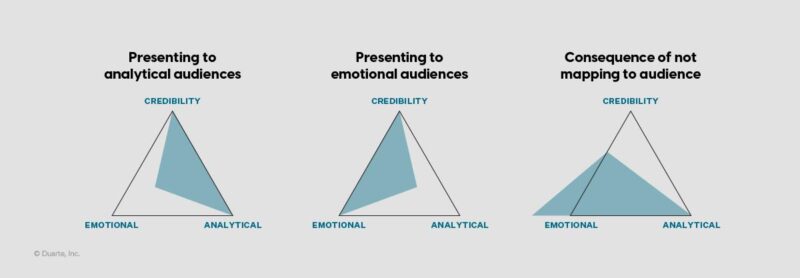
By calibrating the perfect balance between sound financial reasoning and emotionally resonant details, rooted in an understanding of the approver’s inner world, budget-seekers can foster a profound sense of organizational backing. This deep-seated belief, rather than mere buy-in, is crucial for a project’s sustained success. However, it’s vital to avoid excessive sentimentality, ensuring that the critical stakes and financial realities remain clearly articulated.
Implications for Modern Leadership and Organizational Success
The integration of strategic storytelling into the budgeting process represents a significant evolution in corporate communication and leadership. For organizations, it promises a more effective allocation of resources, a clearer innovation pipeline, and enhanced internal alignment around strategic objectives. When projects are funded not just on numbers but on a shared vision, it can foster greater employee engagement, as individuals see their contributions linked to a larger, meaningful purpose. This, in turn, can bolster brand reputation and market positioning.
For individual budget-seekers, mastering these narrative techniques translates into enhanced leadership skills, greater influence within the organization, and accelerated career advancement. The ability to articulate complex ideas with clarity, conviction, and empathy is a hallmark of effective leadership. For decision-makers, this approach leads to more informed investment choices, greater confidence in the long-term viability and impact of projects, and the cultivation of an organizational culture that values innovation, vision, and shared purpose.
The challenge lies in cultivating these skills across the organization. It requires training in communication, empathy, and strategic thinking, beyond traditional financial acumen. However, the benefits – turning transactional approvals into passionate endorsements and fostering a deeper, more meaningful connection to organizational goals – are undeniable. Delivering a budget story that is structured, empathetic, and punctuated by well-placed S.T.A.R. moments can transform the often-arduous path to approval into a clear, rubberstamp-ready road ahead, paving the way for unprecedented organizational success and a collective journey towards a brighter, more impactful future.
