

In the nuanced world of audio production, particularly within the voice-over industry, a subtle yet significant technique known as debreathing has emerged as a point of discussion and, at times, contention. This article delves into the practice of debreathing, exploring its technical definition, historical application, and the evolving understanding of its necessity and impact across various voice-over genres. The aim is to provide a comprehensive overview for professionals, clarifying when this post-production step is beneficial and, crucially, when it can detract from the integrity and naturalness of a vocal performance.
Understanding the Mechanics of Debreathing
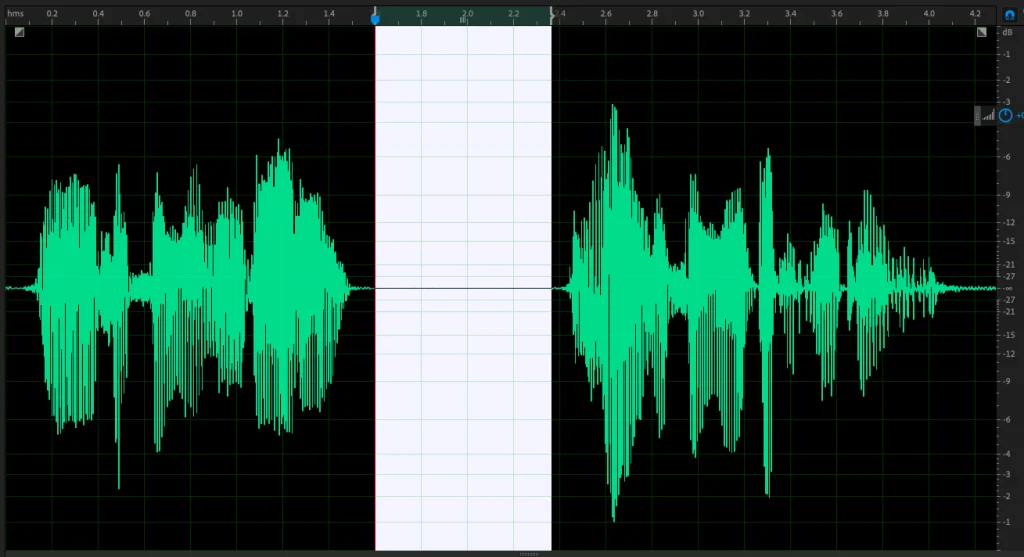
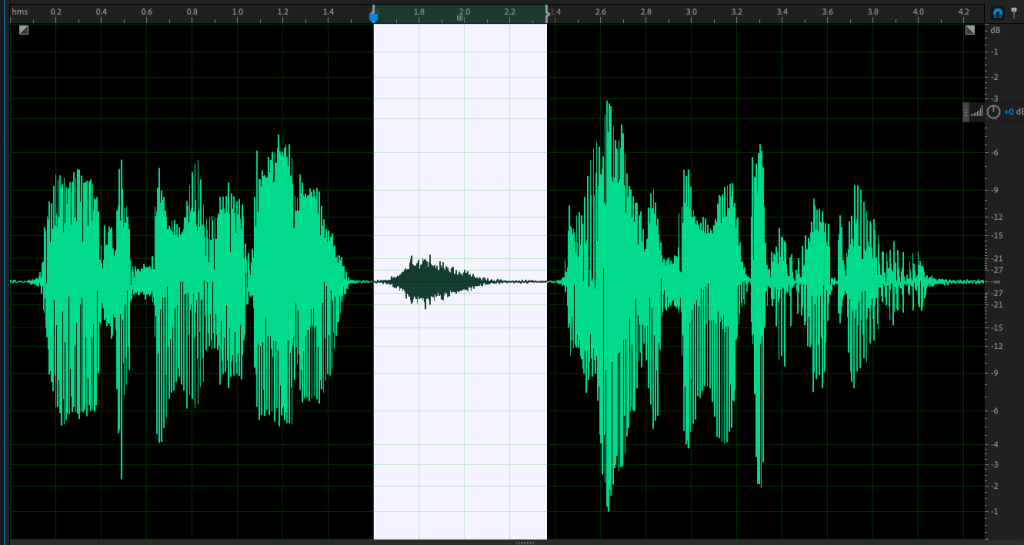
Debreathing, in its most fundamental definition, is the process of identifying and subsequently removing audible inhalations from a recorded voice-over performance. This technique is typically executed within digital audio workstations (DAWs) like Adobe Audition, where waveforms visually represent the sound. Breaths often appear as distinct spikes or softer, breathy sounds within the audio track, distinguishable from the spoken word.
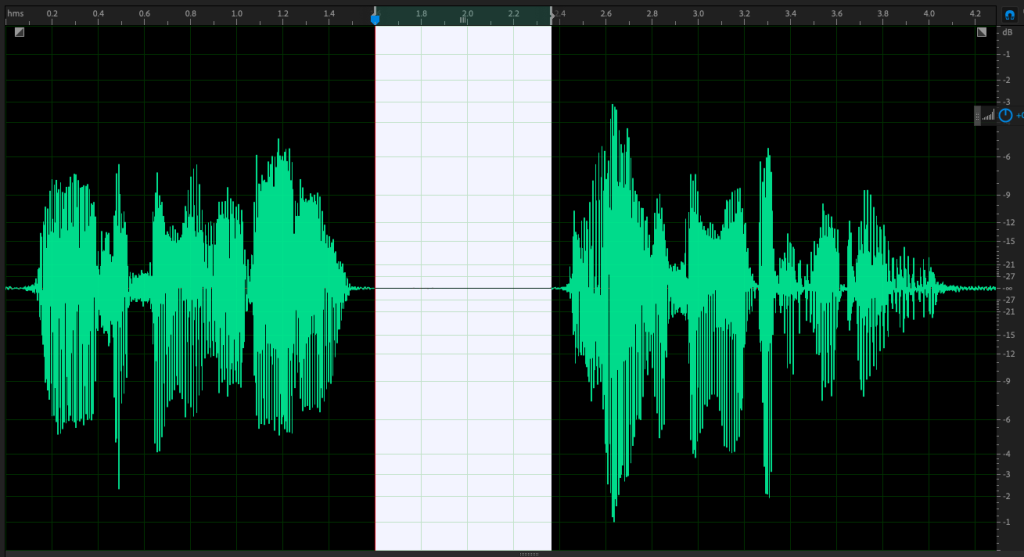
The process itself can involve two primary methods: silencing or complete removal. Silencing a breath means reducing its amplitude to a point where it is inaudible but the space it occupied remains in the timeline. Complete removal, conversely, involves deleting the breath sound and any accompanying silence, effectively shortening the overall duration of the vocal take. The visual representation in audio editing software clearly distinguishes these two approaches, with silencing leaving a gap and removal creating a seamless transition between spoken segments.
Historical Context and Traditional Application
Historically, debreathing found its primary application in the realm of commercial voice-overs, specifically for advertisements. The rationale behind this practice was rooted in the perceived need for an uninterrupted, pristine delivery that would not distract from the core advertising message. The argument was that commercial spots, often densely packed with music, sound effects, and a concise call to action, required a vocal performance that was purely functional and devoid of any extraneous sounds. Breaths, in this context, were considered a potential interruption, breaking the flow and subtly pulling the listener’s attention away from the product or service being promoted.
The standard operating procedure for many voice-over artists and post-production engineers was to debreath all commercial work as a matter of course. This was seen as a professional standard, ensuring that the delivered audio met the client’s expectations for a polished and impactful advertisement. The underlying assumption was that a breath was a non-essential element, a sonic artifact that detracted from the intended clarity and persuasive power of the commercial.

The Nuance of "Commercial" and the Case for Selective Debreathing
The definition of "commercial voice-over" itself has become a focal point for debate regarding debreathing practices. This term can be interpreted in two distinct ways, leading to potential misunderstandings and inconsistent application of the debreathing technique.
The first interpretation defines "commercial" as any voice-over work for which the artist is compensated. This broad definition encompasses a wide array of projects, including corporate narration, e-learning modules, explainer videos, and even some forms of documentary work. If debreathing were applied universally to all paid voice-over work, it would lead to the indiscriminate removal of breaths from performances where they are not only acceptable but often desirable.
The second, and more precise, interpretation of "commercial voice-over" refers specifically to advertisements – those audio or visual spots designed to promote a product, service, or brand across various media platforms such as television, radio, cinema, and online. It is within this specific context that debreathing has traditionally been considered appropriate, and even then, with important caveats.
Industry consensus and best practices suggest that debreathing should be reserved primarily for the second definition: actual advertisements. The goal remains to ensure that the persuasive message of an advertisement is delivered without any potential sonic distractions. However, even within this category, the decision to debreath should not be automatic. Clients or employers may have specific creative intentions that include the presence of natural breathing, and professional voice-over artists are increasingly advised to clarify these expectations.
Why Debreathing Other Voice-Over Genres Can Be Detrimental
The argument for not debreathing voice-over recordings outside of the advertisement context is multifaceted and grounded in an understanding of human perception and the evolving landscape of audio.
The Unnaturalness of Breathless Speech
Humans are innately accustomed to hearing breaths as an integral part of natural human speech. Our brains process these inhalations as cues that indicate the speaker is alive, present, and in the process of communication. When breaths are completely removed from a vocal performance, particularly in genres like corporate narration, gaming, dramatic performances, or the "Voice of God" style, the resulting audio can sound unnatural and even unsettling. Listeners may unconsciously perceive the speech as robotic or artificial, leading to a disconnect with the narrator or character.
This phenomenon has been observed in the evolution of text-to-speech (TTS) technology. Early TTS systems, while advanced for their time, often lacked audible breathing. This resulted in a somewhat sterile and less human-like delivery. More recent advancements in TTS have incorporated realistic breathing sounds, acknowledging that their presence enhances the perceived humanity and naturalness of synthesized speech. This mirrors the experience in human-performed voice-overs: the absence of breaths can make a performance feel less authentic.
The Role of Breathing in Listener Comprehension and Engagement
Breaths serve a crucial function beyond simply indicating respiration; they act as natural pauses within a spoken narrative. These pauses are not merely voids in the audio but are vital opportunities for the listener to process information, assimilate what has been communicated, and formulate their thoughts. In spoken-word content such as audiobooks, podcasts, or educational materials, these natural breaks allow the audience to absorb complex ideas, remember key details, and make connections.
When breaths are aggressively removed, and the resulting silences are also eliminated, the speech can become a relentless stream of words. This can lead to listener fatigue and a diminished capacity to retain information. Anecdotal evidence suggests that overly debreathed audio in non-advertisement contexts can result in audiences failing to recall the content, as they are not given adequate mental space to process it. The flow becomes too rapid, sacrificing comprehension for an artificial sense of urgency that is inappropriate for the genre.
Preserving Natural Delivery and Artistic Intent
The current trend in voice-over is a strong emphasis on naturalism. Clients and audiences alike are increasingly seeking authentic, relatable, and conversational vocal deliveries. Breathing is an intrinsic element of this natural style. It conveys emotion, rhythm, and the human experience of speaking. Removing breaths inherently strips away a layer of this naturalness, transforming a nuanced performance into something more sterile and less engaging.
For voice-over artists, their breathing patterns are often an unconscious extension of their performance. They contribute to the pacing, the emotional arc, and the overall characterization. To remove these elements is to potentially alter the artistic intent of the performance, rendering it less impactful and less human. The goal in many voice-over projects is to create a connection with the listener, and the presence of natural breathing can be a powerful tool in achieving that connection.
The Unintended Consequences of Noise Reduction Tools
A common pitfall for less experienced audio engineers and voice-over artists is the inadvertent removal of breaths through the use of certain audio processing tools, particularly noise gates and expanders. These tools are designed to reduce background noise by attenuating audio signals below a certain threshold. While effective for cleaning up recordings made in less-than-ideal acoustic environments, they often mistakenly identify the quieter sounds of inhalation as unwanted noise and remove them along with the ambient hum or hiss.
The consequence of using these tools without careful oversight is the same as deliberate debreathing: the loss of the human element in the performance. While the recording environment may sound cleaner, the vocal performance itself suffers from an unnatural absence of breaths. This approach is often criticized as a "fudge" to mask issues with the recording environment, rather than addressing the root cause through proper acoustic treatment or microphone technique. Industry professionals advocate for prioritizing a clean recording environment from the outset, rather than relying on post-production tools that can compromise the integrity of the vocal performance.
Conclusion and Evolving Best Practices
In conclusion, the practice of debreathing voice-over recordings requires careful consideration and a nuanced understanding of its application. While historically a standard for commercial advertisements, its necessity and desirability even within that genre are subject to client direction and artistic intent. For all other forms of voice-over work – including corporate, e-learning, gaming, dramatic narration, and audiobook narration – the presence of natural breathing is generally beneficial and contributes significantly to the authenticity, engagement, and comprehensibility of the performance.
In an era where artificial intelligence is increasingly capable of generating human-like speech, the unique qualities of human vocal performances, including the natural cadence and presence of breaths, become even more vital. These elements highlight our humanity and offer a distinct advantage over synthesized voices. Voice-over artists are encouraged to embrace their natural breathing as an integral part of their performance, unless explicitly instructed otherwise.
Ultimately, clear communication between the voice-over artist, the client, and the post-production team is paramount. When in doubt, always seek clarification regarding the client’s expectations for breath management. Adhering to this principle ensures that the final audio product not only meets technical specifications but also serves the artistic and communicative goals of the project, preserving the natural essence of the human voice.
This updated understanding emphasizes a shift towards prioritizing naturalism and human connection in audio production, a trend that is likely to continue shaping industry standards for years to come.
