

The pursuit of a professional voiceover career begins with understanding the critical role of audio equipment, particularly the microphone. Selecting the right microphone is paramount for capturing clear, compelling vocal performances that meet the exacting standards of the industry. This comprehensive guide delves into the nuances of voiceover microphones, catering to a spectrum of budgets from aspiring beginners to seasoned professionals, while also exploring the essential technical considerations that underpin superior audio capture.
Understanding the Foundation: Essential Voiceover Recording Equipment
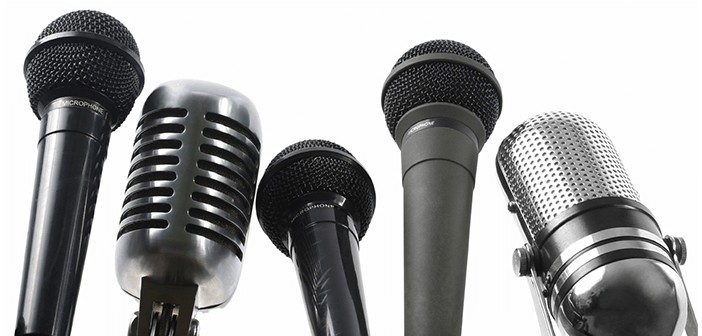
Before diving into microphone specifics, it’s crucial to acknowledge the broader ecosystem required for professional voiceover recording. A well-equipped home studio typically includes:
- Microphone: The primary instrument for capturing sound.
- Audio Interface: A device that converts analog microphone signals into digital data your computer can process, often providing preamplifiers and phantom power.
- Headphones: Crucial for monitoring your performance without introducing feedback. Closed-back headphones are preferred to prevent sound bleed into the microphone.
- Pop Filter/Windscreen: Essential for mitigating plosive sounds (P, B) and sibilance (S, T) that can distort recordings.
- Microphone Stand: Provides stable positioning and isolates the microphone from desk vibrations.
- Acoustic Treatment: While not always a direct equipment purchase, managing the acoustics of your recording space (e.g., using blankets, foam panels, or dedicated vocal booths) significantly impacts audio quality by reducing unwanted room reflections and echoes.
For individuals entirely new to voice acting, an initial self-assessment of vocal suitability for the industry is a prudent first step. This involves understanding your vocal range, timbre, and adaptability to various characterizations and styles.
Decoding Microphone Technologies: Dynamic vs. Condenser
A fundamental distinction in microphone technology relevant to voiceover work lies between dynamic and condenser microphones. Each possesses unique characteristics that make them suitable for different applications.
Understanding Phantom Power
Many high-quality condenser microphones require an external power source to operate. This is known as "phantom power." It’s a DC electrical voltage, typically +48V, that is sent from the audio interface or mixer through the same XLR cable that carries the audio signal. This power energizes the microphone’s internal electronics, particularly the diaphragm and backplate, enabling it to convert sound waves into electrical signals. Users should not be intimidated by phantom power; it’s a standard feature on most professional audio interfaces and is activated via a simple switch. It’s important to note that dynamic microphones generally do not require phantom power.
The Convenience of USB Microphones
USB microphones offer a streamlined entry point into voiceover recording, directly connecting to a computer’s USB port. This eliminates the need for a separate audio interface and XLR cables, simplifying the setup process.
-
USB Microphone Advantages:
- Simplicity and Portability: Plug-and-play functionality makes them ideal for on-the-go recording or users with limited technical expertise.
- Cost-Effectiveness: Often more affordable than traditional XLR microphone setups.
- All-in-One Solution: Combines microphone and interface functionality.
-
USB Microphone Disadvantages:
- Limited Upgrade Path: Typically less flexible for future expansion or integration into more complex studio setups.
- Potential for Latency: While improving, some USB microphones can introduce noticeable audio latency, especially during real-time monitoring.
- Sound Quality Variability: While some USB mics offer excellent audio, the quality can be inconsistent across different models, and they may not always reach the fidelity of professional XLR setups.
- Reliance on Computer Power: Performance can be affected by the computer’s processing power and USB bus stability.
The Robustness of Dynamic Microphones
Dynamic microphones operate on the principle of electromagnetic induction. Sound waves cause a diaphragm to vibrate, which in turn moves a coil within a magnetic field, generating an electrical signal.
-
Dynamic Microphone Advantages:
- Durability and Resilience: Built to withstand high sound pressure levels (SPLs) and physical handling, making them ideal for live performance and demanding environments.
- Excellent for Loud Sources: Well-suited for instruments with high output or environments with significant background noise.
- No Phantom Power Required: Simpler to set up as they don’t need an external power source.
- Less Sensitive to Room Acoustics: Their design makes them less prone to picking up ambient room noise and reflections compared to condenser microphones.
-
Dynamic Broadcast Voiceover Microphone Cons:
- Lower Sensitivity: Generally require more gain from the preamplifier, which can sometimes introduce noise if the preamplifier is pushed too hard.
- Less Detailed High Frequencies: May not capture the subtle nuances and air in a vocal performance as effectively as condenser microphones.
- Bulkier Design: Often larger and heavier than condenser microphones.
The Nuance of Large Diaphragm Condenser Microphones
Large diaphragm condenser (LDC) microphones are the workhorses of many professional studios, renowned for their sensitivity and ability to capture intricate vocal details. They use a capacitor, consisting of a thin, conductive diaphragm placed close to a fixed backplate. Applying a voltage to these components allows them to convert sound energy into an electrical signal.
-
Large Diaphragm Condenser Microphone Advantages:
- Exceptional Sensitivity and Detail: Capable of capturing the full spectrum of vocal nuances, including subtle breaths, articulations, and tonal variations.
- Warm and Rich Sound: Often prized for their ability to produce a full-bodied, pleasing vocal tone.
- Wide Frequency Response: Generally offer a broad and often more "flat" frequency response, meaning they reproduce sound accurately without significant coloration.
- Excellent for Studio Vocals: Their ability to capture fine details makes them ideal for spoken word, narration, and singing.
-
Large Diaphragm Condenser Microphone Cons:
- Fragility: The delicate diaphragm and internal components make them more susceptible to damage from drops or mishandling.
- Require Phantom Power: As mentioned, most LDCs need an external power source.
- Sensitive to Room Acoustics: Highly attuned to their recording environment, making acoustic treatment of the studio space essential to avoid capturing unwanted echoes and reverb.
- Higher Cost: Generally more expensive than dynamic microphones.
Understanding Polar Patterns: The Microphone’s Directionality
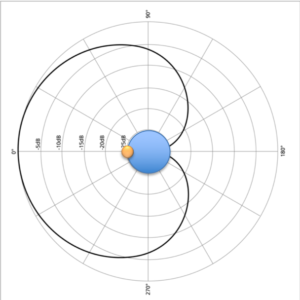
A microphone’s polar pattern dictates its directional sensitivity – essentially, the areas around the microphone from which it picks up sound most effectively. Understanding these patterns is crucial for effective microphone placement and minimizing unwanted noise.
- Omnidirectional: Picks up sound equally from all directions. Useful for capturing ambient room sound or when multiple sound sources need to be captured without specific focus. Not typically the primary choice for solo voiceover work due to its tendency to pick up room noise.
- Bidirectional (Figure-8): Picks up sound equally from the front and the rear, while rejecting sound from the sides. Ideal for interviews where two people are positioned on opposite sides of the microphone, or for specific recording techniques.
- Cardioid: The most common polar pattern for voiceover. It picks up sound primarily from the front, with significant rejection from the rear and sides. This directional focus helps isolate the voice and minimize room reflections. The name derives from its heart-shaped pattern.
- Hypercardioid/Supercardioid: Similar to cardioid but with tighter side rejection and a small lobe of sensitivity directly behind the microphone. These patterns offer even greater isolation but require more precise positioning.
For voice actors, the cardioid pattern is generally the most practical and widely used. It effectively isolates the vocal performance while providing a natural sound. Some high-end microphones, like the Neumann U87, offer switchable polar patterns, providing versatility for different recording scenarios.
The Role of Pads and High-Pass Filters
- Pads: A pad is an attenuator built into a microphone or audio interface that reduces the incoming signal level. This is useful when miking very loud sound sources (like a drum kit or a guitar amplifier) to prevent the microphone’s internal electronics from distorting. For standard voiceover work in a controlled environment, pads are less critical, though some microphones include them for added flexibility.
- High-Pass Filters (HPF): Also known as a low-cut filter, an HPF reduces or eliminates frequencies below a certain point (e.g., 80Hz or 100Hz). This is highly beneficial for voiceover to cut out low-frequency rumble from HVAC systems, traffic noise, or the proximity effect (an increase in bass response when a directional microphone is used very close to the sound source). Many microphones and audio interfaces feature switchable HPFs.
XLR vs. Jack Connectors: The Signal Pathway
The type of connector used on a microphone and its associated cable is fundamental to its performance and compatibility.
- XLR Connectors: These are the standard for professional audio microphones. XLR cables are typically 3-pin and are used for balanced audio signals. Balanced connections use a system of three conductors (two signal wires and a ground) to transmit the audio signal. This balanced configuration effectively cancels out electromagnetic interference picked up along the cable’s length, resulting in a cleaner and more noise-free audio signal. XLR cables are also capable of carrying phantom power.
- Jack Connectors (1/4" or 1/8"): While common in musical instruments and consumer electronics, standard unbalanced jack cables are generally not suitable for professional voiceover microphones that require phantom power or high-fidelity signal transmission. If a microphone only offers a jack output, it may indicate a less professional-grade device or a specific application where balanced audio is not a priority. For serious voiceover work, XLR connections are the industry standard.
Choosing the Right Microphone: Key Considerations for Voice Actors
The "best" microphone is subjective and depends heavily on individual needs, vocal characteristics, and the specific type of voiceover work being pursued. However, several factors should guide the decision-making process:
- Vocal Characteristics: A microphone’s frequency response can complement or detract from a particular voice. Some microphones have a "colored" sound, while others aim for a neutral, transparent reproduction. For instance, a microphone with a pronounced high-frequency boost might accentuate sibilance in certain female voices, while another might add warmth to a thinner male voice.
- Budget: Microphones range from under $100 to several thousand dollars. Setting a realistic budget is crucial. It’s important to remember that the most expensive microphone is not always the best fit.
- Type of Voiceover Work: The demands of commercial reads, audiobooks, animation, or video game characters can influence microphone choice. Some microphones excel at capturing intimate, nuanced performances, while others provide a more robust, impactful sound.
- Studio Environment: The acoustics of the recording space play a significant role. In a less-than-ideal room, a dynamic microphone might be more forgiving than a highly sensitive condenser.
- Technical Compatibility: Ensure the microphone is compatible with your audio interface and that you understand any required accessories like phantom power or specific cables.
A Spectrum of Voiceover Microphones: Recommendations by Price Point
This curated list explores microphones that have garnered acclaim within the voiceover community, categorized by their general price range and suitability for different levels of experience.
Entry-Level to Mid-Range Options (Under $300)
-
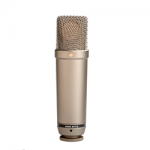
Rode NT1/NT1-A (~$249/£200): A perennial favorite for beginners and intermediate users, the Rode NT1 series is celebrated for its exceptionally low self-noise and neutral, clear sound. While some seasoned professionals might find its sonic signature identifiable, its transparency and high-quality output at this price point make it an outstanding value for producing professional-sounding demos and auditions. It offers a wide dynamic range and is known for its quiet operation.
-
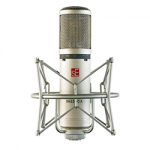
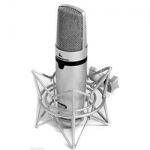
sE Electronics sE2200a II C ($299): This versatile large-diaphragm condenser microphone provides a robust and present sound, making it a strong contender for new voice actors. It features a switchable high-pass filter and a 10dB pad, offering valuable sound-shaping capabilities to manage proximity effect and reduce plosives. Its low self-noise contributes to clean recordings.
-
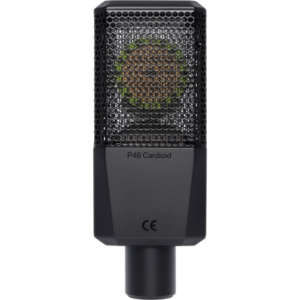
Lewitt LCT 440 Pure (£245): A more recent entrant that has quickly gained recognition for its clarity and crisp audio reproduction. This cardioid condenser microphone features an open front design, an integrated magnetic pop shield, and an included shock mount, which are thoughtful additions at its price point. Its 1-inch condenser capsule delivers a clear and articulate sound, making it a compelling option for budget-conscious professionals.
-
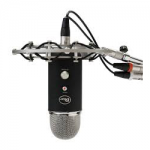
Blue Yeti Pro ($249.00): For those prioritizing simplicity and budget, the Blue Yeti Pro stands out among USB microphones. While USB mics are not always the first recommendation for professional aspirations, the Yeti Pro offers superior recording quality compared to many of its counterparts. It boasts multi-pattern capabilities and the option to use an XLR connection with phantom power, providing a pathway for future upgrades. It’s a solid choice for beginners dipping their toes into the voiceover world.
Upper Mid-Range Options ($300 – $700)
-
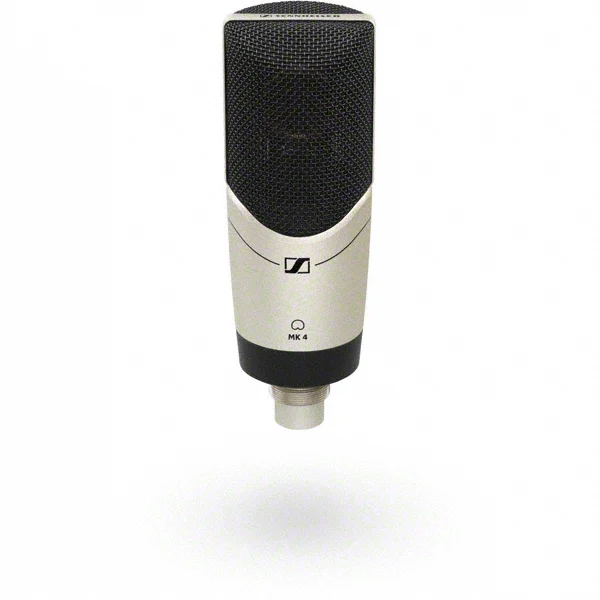
Sennheiser MK4 (~$350/£300): This microphone is a standout recommendation for working voice artists, offering exceptional value and performance. Sennheiser, the parent company of Neumann, designed the MK4’s capsule with the same team behind the legendary Neumann U87. It’s a cardioid-only microphone without a pad, but its ability to deliver a wonderful sound with both male and female voices, combined with its robust build and reliability, makes it a top-tier choice in its price category. Its performance and sound quality often surpass other microphones in this segment.
-
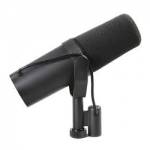
Shure SM7B ($349): A legendary dynamic microphone, the SM7B is a staple in radio broadcasting and has found a significant following among voiceover artists, particularly for its ability to handle challenging vocalists and provide a warm, present sound. Its broad frequency response can be tailored with an optional high-boost switch. The SM7B’s robust build and internal shock mounting make it ideal for home studios. While it requires a good amount of gain from a preamplifier, its distinct sonic character and durability make it a worthy investment.
-
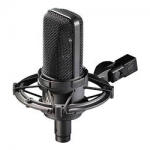
Audio-Technica AT4033 ($399): This cardioid condenser microphone is lauded for its excellent transient response and clean output. It features an 80Hz high-pass filter, allowing users to switch between a flat frequency response and a low-end roll-off to minimize ambient noise and plosives when working in close proximity. Its consistent performance makes it a reliable choice for various voiceover applications.
-
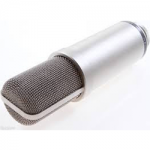
Rode NTK ($529): Building on Rode’s reputation, the NTK is a vacuum tube condenser microphone that offers a distinctively warm and clear sound profile. Its rugged construction ensures longevity, and its rich tonal quality makes it suitable for a wide range of voiceover tasks. The tube circuitry can impart a pleasing character to vocals.
-
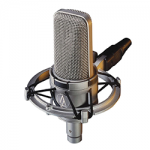
Audio-Technica AT4047 ($699): This microphone is designed with sonic characteristics reminiscent of classic FET studio microphones. Its transformer-coupled output and carefully tuned element contribute to a smooth, natural sound. It offers low self-noise, a wide dynamic range, and high SPL capability. The precision-machined brass housing enhances stability and sensitivity, making it a professional-grade option for demanding voiceover work.
Professional Grade Microphones (Over $700)
-
Miktek C7 ($899): This large-diaphragm FET condenser microphone is praised for its "ear-pleasing" sound and versatility. The C7 features three selectable polar patterns (cardioid, omnidirectional, and bidirectional), making it adaptable for various recording situations, including interviews and dual-source recordings. Its sweet-sounding character and flexible pattern selection make it a strong choice for diverse voiceover projects.
-
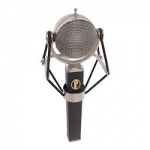
Blue Dragonfly ($Price Varies): Known for its distinctive design and sweet sound, the Dragonfly aims to capture the essence of vintage Neumann and AKG microphones. Its unique capsule positioning capabilities offer considerable sonic flexibility, allowing voice artists to experiment with different angles to achieve desired tonal qualities. It represents a more affordable entry into a high-quality, character-driven condenser microphone.
-
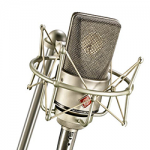
Neumann TLM 103 ($1,099): Despite not being originally designed explicitly for voiceover, the TLM 103 is widely recommended by professionals. Its transformerless circuit ensures low self-noise and a broad dynamic range. The cardioid capsule is finely tuned for acoustic balance and effective phase cancellation. A potential drawback for some is its inherent high-frequency lift, which can sometimes accentuate sibilance in higher female voices.
-
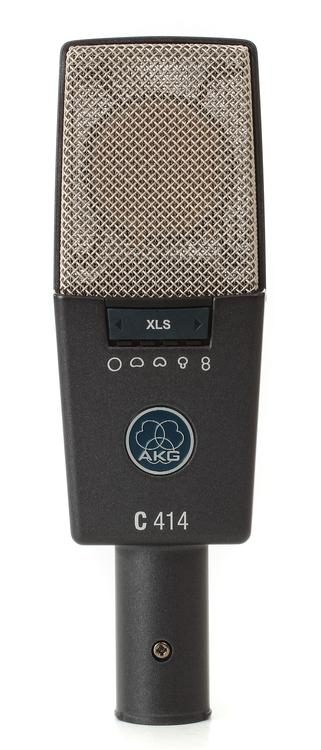
AKG C414 (~$1100): The AKG C414 is a benchmark in professional audio, renowned for its exceptional pickup range and a beautifully flat frequency response. This mid-range microphone, in terms of price, is a professional, robust, and versatile tool. It features switchable polar patterns and a pad setting, making it suitable for a wide array of voiceover applications. Its reliability and consistent performance have cemented its status as a go-to microphone for many working artists.
-
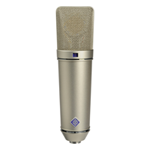
Neumann U87 ($3180/£2500): The Neumann U87 is arguably the most iconic microphone in professional recording studios worldwide. It has long held a reputation as one of the finest microphones for vocal recording, reflected in its build quality, performance, and significant price tag. Featuring switchable polar patterns, a pad, and a remarkably flat response, it excels with both male and female voices. While an exceptional investment for those with substantial budgets, the Sennheiser MK4 offers a compelling alternative at a fraction of the cost.
-
Sennheiser MKH 416 (Circa $700/£550): This hypercardioid shotgun microphone is ubiquitous in professional voiceover and film production. Its focused pickup pattern requires precise on-axis positioning, making it less ideal for highly expressive characters who move around significantly. However, when positioned correctly, the 416 delivers an incredibly punchy and commercially appealing sound. Its rugged construction makes it an excellent travel microphone. Many professionals who own a 416 also possess a large-diaphragm condenser to cover all recording eventualities.
Concluding Thoughts on Microphone Selection
The journey to finding the best microphone for voiceover work is an iterative process. Begin by establishing your budget, then research microphones within that range that align with your vocal characteristics and intended applications. The microphones listed represent industry standards and highly regarded options that have consistently delivered quality results. For those seeking to deepen their understanding of studio setup and microphone techniques, comprehensive resources like specialized home recording studio courses can provide invaluable guidance. The ever-evolving landscape of audio technology ensures that there are excellent options available at every price point, empowering voice actors to achieve professional-grade sound.
