

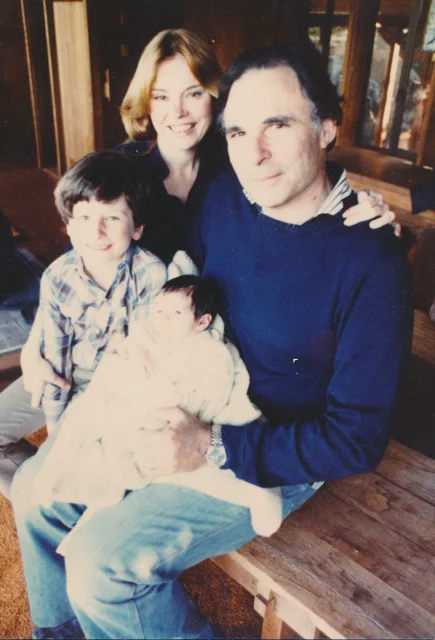
San Francisco, CA, November 17, 2025 – The world of psychology and affective science has lost a titan with the passing of Dr. Paul Ekman, a seminal figure whose groundbreaking research fundamentally reshaped our understanding of human emotion, facial expressions, deception, and compassion. Dr. Ekman died peacefully at his home, surrounded by his family, at the age of 91. His departure marks the end of an era defined by a relentless pursuit of knowledge regarding the universal language of human feeling.
For over six decades, Dr. Ekman’s intellectual curiosity and rigorous scientific methodology illuminated the intricate landscape of emotions. His work, often conducted in remote corners of the globe, provided compelling evidence for the universality of certain facial expressions and physiological responses associated with core emotions across diverse cultures. This seminal research not only revolutionized the field of emotion study but also catalyzed its application across a vast array of disciplines, including psychology, anthropology, education, law enforcement, and international relations.
A statement from Robert W. Levenson, Ph.D., of the Department of Psychology at the University of California, Berkeley, captured the profound impact of Dr. Ekman’s contributions: "Paul brought his remarkable intellect, observational skills, and unflagging energy to illuminate the ways we express and feel our emotions and how they are embodied in our physiology. His research, theorizing, and ideas for how emotions could be harnessed in service of the greater good galvanized what was a small niche area of research into a vibrant and thriving research area that will continue to be hugely influenced by his work and vision."
Dr. Ekman’s most enduring scientific contributions include the development of the Facial Action Coding System (FACS) and Micro Expression Training Tools. FACS, a comprehensive and objective system for describing all observable muscular movements of the face, provided researchers, clinicians, and law enforcement professionals with a standardized lexicon for analyzing facial expressions. This system has been instrumental in objectively quantifying emotional displays, moving the study of emotions from subjective interpretation to empirical measurement. The Micro Expression Training Tools, derived from his FACS research, have empowered countless individuals to recognize fleeting, involuntary facial expressions that can betray true emotions, offering profound implications for fields ranging from mental health diagnosis to security screening.
His intellectual curiosity also led him to engage with global figures on matters of profound human significance. His long-standing friendship and collaboration with His Holiness the Dalai Lama exemplified his commitment to bridging scientific inquiry with ethical and compassionate living. This partnership, born from a shared interest in the nature of suffering and the cultivation of positive emotions, resulted in influential projects aimed at fostering global compassion.
The latter quarter-century of Dr. Ekman’s distinguished career was particularly dedicated to translating his scientific insights into practical applications for human betterment. He explored the neurological and psychological benefits of meditation, recognizing its potential to mitigate the impact of destructive emotions. This period also saw the co-authorship of a significant book and webisode series with the Dalai Lama, titled Developing Global Compassion. This collaborative endeavor underscored his belief in the potential for structured practice to cultivate empathy and emotional resilience on a global scale.
This profound engagement with the Dalai Lama also initiated a fruitful collaboration between Dr. Ekman and his daughter, Dr. Eve Ekman. Together, they were instrumental in the development of the Atlas of Emotions, an interactive online resource designed to expand emotional vocabulary and enhance emotional self-awareness. Furthermore, they co-developed the Cultivating Emotional Balance (CEB) program, which integrates contemplative practices with psychological insights to foster emotional regulation and well-being.
Dr. Eve Ekman, director of the Paul Ekman Group and a contemplative social scientist in her own right, shared her personal reflections: "My dad’s commitment to rigorous science, love of discovery, and dedication to alleviating pain from destructive emotions were at the very core of his brilliant mind and accomplishments. However, his huge heart and ability to vulnerably share his own struggles with emotions were what made him beloved by so many. He was an incredibly loving dad – a lover of life and unrelentingly curious."
Dr. Ekman’s influence extended beyond academic circles and into popular culture, making complex scientific concepts accessible to millions. His bestselling books, including Emotions Revealed and Telling Lies, provided readers with practical insights into the nuances of emotional expression and the detection of deception. The critically acclaimed television series Lie to Me, for which he served as a scientific advisor, brought the science of micro expressions and deception detection into living rooms worldwide, sparking widespread public fascination with his work. His advisory role for Pixar’s animated film Inside Out further solidified his impact, helping to educate younger audiences about the spectrum of human emotions through a compelling narrative.
The legacy of Dr. Paul Ekman will continue to be championed by the Paul Ekman Group, now under the leadership of his daughter, Dr. Eve Ekman. The organization remains dedicated to advancing his mission of making emotional awareness, empathy, and truthfulness globally accessible through evidence-based education and training.
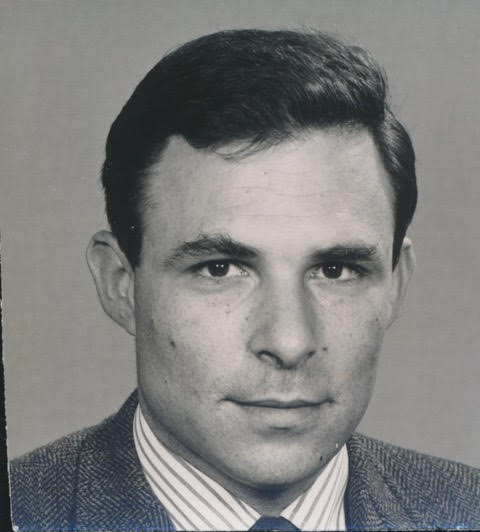
Dr. Ekman is survived by his children, Eve Ekman and Tom Ekman, and a wide circle of devoted friends and colleagues who became like family.
Honoring Dr. Ekman’s Life and Legacy
A documentary celebrating Dr. Ekman’s extraordinary life and his monumental contributions to the science of emotion is currently in development. This film aims to capture the breadth of his research, his personal journey of discovery, and the profound impact of his work on individuals and societies worldwide. Those wishing to support the completion of this important cinematic tribute can find further information and contribution opportunities at https://www.wmm.com/sponsored-project/emotions-revealed-the-life-and-work-or-dr-paul-ekman/.
In recognition of Dr. Ekman’s enduring influence, the Paul Ekman Group is actively collecting reflections, personal stories, photographs, films, and messages of appreciation from his vast network of colleagues, former students, and readers across the globe. These contributions will form a dedicated memorial page, a digital testament to a life dedicated to understanding and improving the human emotional experience.
Background and Chronology of Dr. Ekman’s Career:
Dr. Paul Ekman’s journey into the science of emotion began in the mid-20th century, a period when the study of emotions was often considered subjective and less amenable to rigorous scientific investigation.
- Early Career and Groundbreaking Fieldwork (1950s-1970s): After completing his doctoral studies, Dr. Ekman embarked on a series of ambitious cross-cultural studies. His research in Papua New Guinea and other remote regions, starting in the late 1950s, was pivotal. He presented photographs of facial expressions to individuals from vastly different cultures and found remarkable agreement on which emotion each expression conveyed. This provided crucial support for the idea of universal basic emotions, a concept that challenged prevailing anthropological theories that emphasized cultural relativism in emotional expression.
- Development of FACS (1970s): Building upon his cross-cultural findings, Dr. Ekman, along with his colleague Wallace Friesen, developed the Facial Action Coding System (FACS). This detailed manual, published in 1978, cataloged all possible muscle movements of the face and their corresponding visual descriptions. FACS became an indispensable tool for objectively measuring facial behavior and remains the gold standard in the field.
- Research on Deception and Microexpressions (1980s-1990s): Dr. Ekman’s research expanded to include the study of deception. He explored the subtle, involuntary facial expressions known as microexpressions, which often betray a person’s true emotional state when they are attempting to conceal it. This work led to the development of training programs for professionals in law enforcement and other fields.
- Collaboration with the Dalai Lama and Focus on Compassion (2000s-2010s): A significant turning point in Dr. Ekman’s career was his deep engagement with His Holiness the Dalai Lama. This collaboration, which spanned over a decade, led to the development of initiatives focused on cultivating compassion, emotional regulation, and ethical behavior. Projects like Developing Global Compassion and the co-creation of the Atlas of Emotions and Cultivating Emotional Balance program emerged from this influential partnership.
- Pop Culture Influence and Continued Research (2000s-2020s): Dr. Ekman’s work gained widespread public recognition through his books and advisory roles in popular media. The television series Lie to Me and Pixar’s Inside Out brought his scientific findings to millions, demonstrating the broad appeal and relevance of understanding human emotions. Throughout this period, he continued to publish, lecture, and mentor, solidifying his position as a leading authority in affective science.
- Passing (2025): At the age of 91, Dr. Paul Ekman passed away, leaving behind a rich intellectual legacy and a global community of scholars, practitioners, and individuals whose lives have been touched by his groundbreaking work.
Broader Impact and Implications:
Dr. Paul Ekman’s work has had a profound and lasting impact, extending far beyond the confines of academia. His research has provided a scientific foundation for understanding emotions, leading to practical applications that have enhanced human well-being and societal function.
In the realm of mental health, FACS and microexpression analysis have become vital tools for diagnosing and treating emotional disorders, allowing therapists to gain a more objective understanding of their patients’ internal states. In law enforcement and security, his work has informed interrogation techniques, threat assessment, and the training of personnel to detect deception and understand emotional cues.
His advocacy for emotional intelligence and compassion has resonated globally, influencing educational programs and leadership development initiatives. By demystifying emotions and providing tools for their better management, Dr. Ekman empowered individuals to navigate complex social interactions with greater understanding and empathy. The accessibility of his research through books and media has fostered a more informed public discourse on the nature of human experience, contributing to a greater appreciation for the universality of our emotional lives.
The ongoing work of the Paul Ekman Group, under Dr. Eve Ekman’s leadership, ensures that Dr. Ekman’s pioneering spirit and scientific rigor will continue to guide efforts to promote emotional literacy and a more compassionate world for generations to come. His passing is mourned by the scientific community and all who have benefited from his lifelong dedication to unraveling the complexities of the human heart.
