

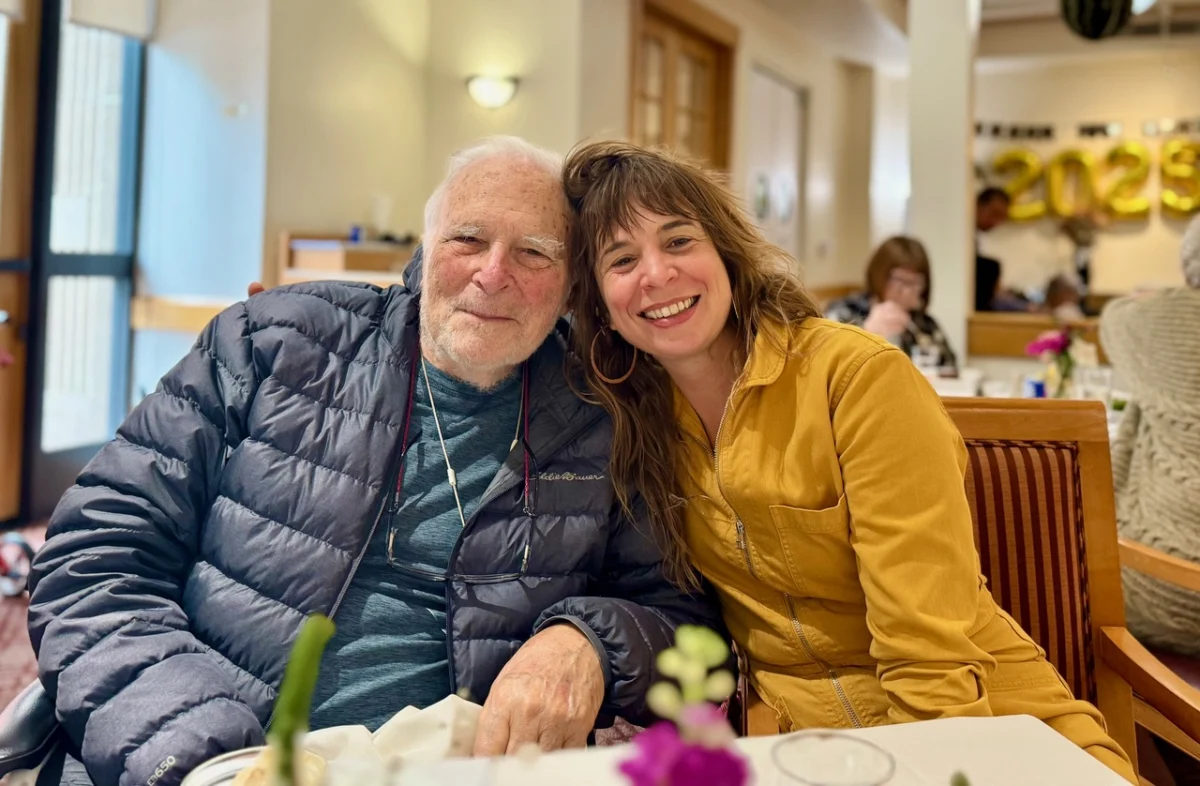
The scientific community and a global network of individuals touched by his work are reflecting on the profound contributions and deeply personal journey of Dr. Paul Ekman, a seminal figure in the study of human emotion, who passed away recently. While his groundbreaking research on facial expressions and the universality of emotions cemented his place in scientific history, his later life was marked by a remarkable personal transformation and an unwavering commitment to fostering emotional intelligence and compassion, a narrative that offers a more complete picture of his multifaceted legacy.
Dr. Ekman’s career, spanning decades, was characterized by a relentless pursuit of understanding the intricate landscape of human feelings. His early work, often conducted in challenging ethnographic conditions, sought to establish whether the expression of basic emotions transcended cultural boundaries. This pioneering research, which included extensive fieldwork in New Guinea and other remote locations, provided compelling evidence for the existence of universal facial expressions associated with emotions such as happiness, sadness, anger, fear, surprise, and disgust. These findings, published in landmark works like "Emotion in the Human Face" (1972) and "Unmasking the Face" (1975), fundamentally reshaped the fields of psychology, anthropology, and neuroscience, challenging prevailing theories of cultural relativism in emotional expression.
His foundational research laid the groundwork for numerous subsequent studies, and the Ekman scale of basic emotions became a widely adopted framework. Data from his research has been instrumental in various applications, from the development of early warning systems for detecting deception to advancements in understanding and treating mental health conditions. The scientific rigor applied to his work is underscored by the hundreds of peer-reviewed studies that have replicated, expanded upon, and refined his initial findings, establishing a robust body of evidence that continues to inform contemporary emotion research.
However, Dr. Ekman’s personal journey took a significant turn following a transformative experience in Dharamsala, India, in 2000. This pivotal meeting, which brought together Dr. Ekman, the Dalai Lama, and a distinguished group of scientists and contemplatives to explore the nature of "Destructive Emotions," proved to be a watershed moment. For Dr. Ekman, who had personally grappled with anger earlier in his life, this gathering offered a profound, albeit difficult to articulate, embodied understanding of living with reduced reactivity. This experience ignited a new phase in his life’s work, shifting his focus from merely identifying emotions to actively exploring pathways for their management and the cultivation of compassion.
This profound personal shift was not an abandonment of his scientific principles but rather a deeply integrated evolution. Driven by the same intellectual curiosity and rigorous methodology that defined his earlier career, Dr. Ekman embarked on a journey to bridge the gap between scientific understanding of emotion and the practical wisdom of contemplative traditions. This commitment to helping others reduce suffering through emotional self-awareness and kindness became the guiding principle of his later years.
Cultivating Emotional Balance and Global Reach
The tangible outcomes of this paradigm shift were the development of evidence-based training programs and accessible tools designed to empower individuals with greater emotional literacy. In collaboration with Alan Wallace, Dr. Ekman co-created "Cultivating Emotional Balance" (CEB), a program that draws upon both scientific research and contemplative practices to teach participants how to understand their emotions, achieve mental clarity, and foster compassion. The CEB program has since been implemented globally, reaching thousands of individuals across diverse cultural and professional backgrounds, including healthcare professionals, educators, and law enforcement officers, underscoring its practical utility in high-stress environments.
Further testament to his dedication to accessible emotional education is the "Atlas of Emotions," a free online tool commissioned by the Dalai Lama in 2016. This interactive resource, soon to celebrate its ten-year anniversary with a relaunch, provides a comprehensive vocabulary for describing and understanding the complexities of our emotional lives. The Atlas, a collaborative effort that involved Dr. Ekman’s daughter, Eve Ekman, who is a clinical social worker, and a team of experts, serves as a testament to his belief that greater self-understanding is a crucial step toward reducing suffering for both individuals and society at large. These projects, born from the intersection of his scientific expertise and his personal evolution, reflect his deep-seated desire to translate complex psychological insights into actionable strategies for well-being.
Addressing Scientific Discourse and Legacy
While the scientific community widely acknowledges Dr. Ekman’s significant contributions, a recent obituary in The New York Times drew criticism from his family and colleagues for its framing of his work through the lens of "controversy," specifically by highlighting a single dissenting scientific opinion. This approach, they argue, misrepresents the breadth and depth of his impact and overlooks the extensive body of peer-reviewed research that has validated and expanded upon his foundational findings.
Dr. Ekman himself welcomed scientific disagreement, recognizing it as an integral part of the scientific process. However, his family emphasizes that presenting his life’s work primarily through the critique of one individual, rather than acknowledging the hundreds of studies and dozens of laboratories that have built upon his work, distorts the historical narrative of emotion research. The implication is that this selective focus overshadows the substantial advancements his work has brought to global understanding across a multitude of disciplines, including psychology, neuroscience, medicine, anthropology, national security, animation, and even everyday interpersonal communication.
The broader implications of this framing extend to the public’s perception of scientific progress. Science inherently involves debate and evolving understanding, but the emphasis on a singular point of contention, without due consideration for the overwhelming consensus and subsequent developments, can mislead the public about the robustness of established scientific findings. The discourse surrounding Dr. Ekman’s legacy highlights the ongoing challenge of accurately representing complex scientific careers in public narratives, particularly when personal journeys intertwine with professional achievements.
A Life Dedicated to Understanding and Compassion
Beyond his scientific accolades, Dr. Paul Ekman is remembered by his loved ones as a devoted father, husband, and friend. His daughter, Eve Ekman, in her personal reflections, paints a picture of a man who, despite enduring childhood trauma and loss, dedicated himself to becoming the kind of supportive and loving parent he never had. This commitment manifested in a life characterized by presence, curiosity, and unwavering support, transforming him into a true collaborator and confidante in her life.
His marriage of 41 years to his wife, Eve, who also pursued a distinguished academic career at UC Berkeley, was a source of immense joy and mutual admiration. He often expressed his enduring delight that she had chosen him, and together they shared a life filled with shared intellectual pursuits and profound affection. This enduring partnership underscores the human dimension of his life, a dimension that complements his celebrated scientific achievements.
Dr. Ekman’s final decades were a testament to his capacity for profound personal change. He embraced the principles of mindfulness and compassion, not just as subjects of study, but as guiding forces in his own life. This commitment to living with less reactivity and more kindness was a visible transformation, characterized by an increasing openness, generosity, and a joyful engagement with the world. His ability to forge deep, meaningful connections right up until his final months speaks to the enduring power of human connection and the continuous potential for personal growth.
In essence, the narrative of Paul Ekman is that of a scientist of immense influence who also navigated personal challenges, rebuilt himself from difficult beginnings, and evolved into a man who embodied the very principles of compassion and emotional understanding he championed. He was, as his daughter describes, complicated and imperfect, yet also kind, brave, funny, endlessly curious, and deeply committed to making the world a better place. This comprehensive perspective, encompassing both his groundbreaking scientific contributions and his profound personal transformation, offers a richer and more complete understanding of a life dedicated to the intricate study of human emotion and the expansion of compassion. The outpouring of well wishes from across the globe serves as a powerful testament to the far-reaching impact of his work and the enduring inspiration he provided to countless individuals seeking to understand themselves and the world around them more deeply.
