


Curriculum Night, an established cornerstone of school-home communication, presents a unique and critical opportunity for Speech-Language Pathologists (SLPs) to forge vital connections with parents, illuminate the multifaceted nature of their therapeutic work, and integrate families more deeply into the world of speech and language development. Far from a mere formality, this event serves as a platform for SLPs to demonstrate the indispensable role they play within the educational ecosystem, advocating for their students and empowering caregivers with actionable knowledge. The strategic deployment of clear communication, practical resources, and interactive engagement during Curriculum Night can profoundly influence student outcomes and strengthen the collaborative partnership essential for success in special education.
The Historical Context and Evolution of Curriculum Night
Curriculum Night, or "Back to School Night," has long been a staple in educational calendars, traditionally offering parents a glimpse into their child’s classroom environment, an introduction to general education teachers, and an overview of the academic year’s curriculum. Its origins lie in fostering transparency and collaboration between schools and families, recognizing that parental involvement is a significant predictor of student achievement. Over time, as educational systems became more inclusive and specialized services gained prominence, the scope of Curriculum Night expanded to include various support staff, including Speech-Language Pathologists, occupational therapists, physical therapists, and special education teachers.
For SLPs, their integration into these events was a gradual but necessary evolution. Initially, the focus might have been solely on academic subjects, with specialized services often discussed in separate, individualized meetings like IEP conferences. However, the realization that communication skills underpin all aspects of learning, from literacy to social interaction, underscored the need for SLPs to have a more visible and proactive presence. Districts began to recognize that a holistic view of a child’s education required all stakeholders – including specialists – to communicate their contributions effectively. This shift transformed Curriculum Night from a general overview into a comprehensive informational event, acknowledging the intricate network of support that contributes to a child’s educational journey, especially for those with individualized education plans (IEPs).
The Indispensable Role of the Speech-Language Pathologist in Education

The presence of an SLP at Curriculum Night is not merely a courtesy; it is a reflection of their foundational role in student success. Communication disorders are prevalent, affecting a significant portion of the school-aged population. According to the National Institute on Deafness and Other Communication Disorders (NIDCD), approximately 1 in 12 (7.7%) U.S. children aged 3–17 years has had a voice, speech, language, or swallowing disorder in the past 12 months. The American Speech-Language-Hearing Association (ASHA) further highlights that speech and language disorders are among the most common disabilities in children. These statistics underscore the pervasive need for specialized support within schools.
SLPs in educational settings address a broad spectrum of communication challenges, including articulation and phonological disorders, expressive and receptive language delays, fluency disorders (stuttering), voice disorders, pragmatic (social) communication deficits, and the implementation of augmentative and alternative communication (AAC) systems. These areas directly impact a student’s ability to participate in classroom discussions, comprehend academic material, build peer relationships, and ultimately, achieve their full academic and social potential. For students with communication needs, effective speech-language therapy is not an ancillary service but a critical component of their educational foundation, directly supporting their access to the general education curriculum and their ability to demonstrate learned knowledge. Curriculum Night provides an invaluable platform to articulate this complex and vital contribution to parents who may be new to special education or simply unaware of the extensive scope of an SLP’s practice.
Strategic Planning for a Successful Curriculum Night Presentation
A successful Curriculum Night presentation by an SLP hinges on meticulous planning and a deep understanding of the audience’s needs. The objective is not just to inform but to engage, empower, and build a bridge of collaboration between the therapy room and the home environment.
1. Topic Selection: Addressing Core Parent Concerns
The initial and perhaps most critical step for an SLPs Curriculum Night presentation is selecting a topic that genuinely resonates with parents and addresses their real-world concerns. This moves beyond simply outlining an SLP’s daily tasks and delves into providing tangible value. An effective topic should offer insights, strategies, or clarification that parents can immediately apply or that alleviates existing anxieties.

To identify relevant topics, SLPs can consider several approaches:
- Common Parental Questions: What questions are frequently asked during IEP meetings, parent-teacher conferences, or informal conversations? These often reveal areas of confusion or concern.
- Prevalence of Disorders: If there’s a high incidence of a particular communication disorder within the school (e.g., articulation difficulties in early elementary, language comprehension issues in upper grades), addressing it broadly can be beneficial.
- Feedback Surveys: Simple pre-event surveys, distributed through school newsletters or online platforms, can gauge parental interest in specific speech and language topics.
- IEP Goal Trends: Analyzing common goals across students’ IEPs can highlight areas where parents might need more support or understanding.
Beyond general awareness, the topic should aim to solve problems. For instance, instead of merely stating, "We work on articulation," an SLP might present on "Home Strategies for Improving Speech Clarity: Empowering Parents to Practice Effectively." This shift from a descriptive to a solution-oriented approach transforms the presentation into a valuable resource.
Potential impactful topics include:
- Understanding Communication Milestones: A detailed breakdown of age-appropriate speech and language development, coupled with "red flags" indicating when to seek further evaluation. This empowers parents to be informed observers of their child’s development.
- Demystifying the IEP Process and SLP Goals: Explaining what an Individualized Education Program entails, how speech and language goals are formulated, and how parents can track progress and contribute to goal attainment.
- Practical Home Practice Strategies: Providing concrete, easy-to-implement activities for various communication areas (e.g., using specific games for language development, techniques for practicing speech sounds in daily routines).
- Introduction to Augmentative and Alternative Communication (AAC): For parents of children who use or might benefit from AAC, an overview of different systems and how they can be integrated into home life.
- Fostering Social Communication Skills: Strategies for developing pragmatic language, such as turn-taking, understanding nonverbal cues, and initiating conversations.
By focusing on real problems and offering actionable solutions, SLPs build trust and demonstrate the direct, tangible impact of their services. A parent, Sarah Chen, whose child receives speech therapy, remarked after a Curriculum Night session: "I always felt a bit lost when the therapist talked about ‘phonological processes.’ But when she showed us how to play a simple game at home to help with sound errors, it clicked. I left feeling like I could actually do something to help, not just wait for therapy sessions." This sentiment underscores the power of addressing parental challenges directly.
2. Crafting Clear and Accessible Presentations: The Power of Parent-Friendly Language
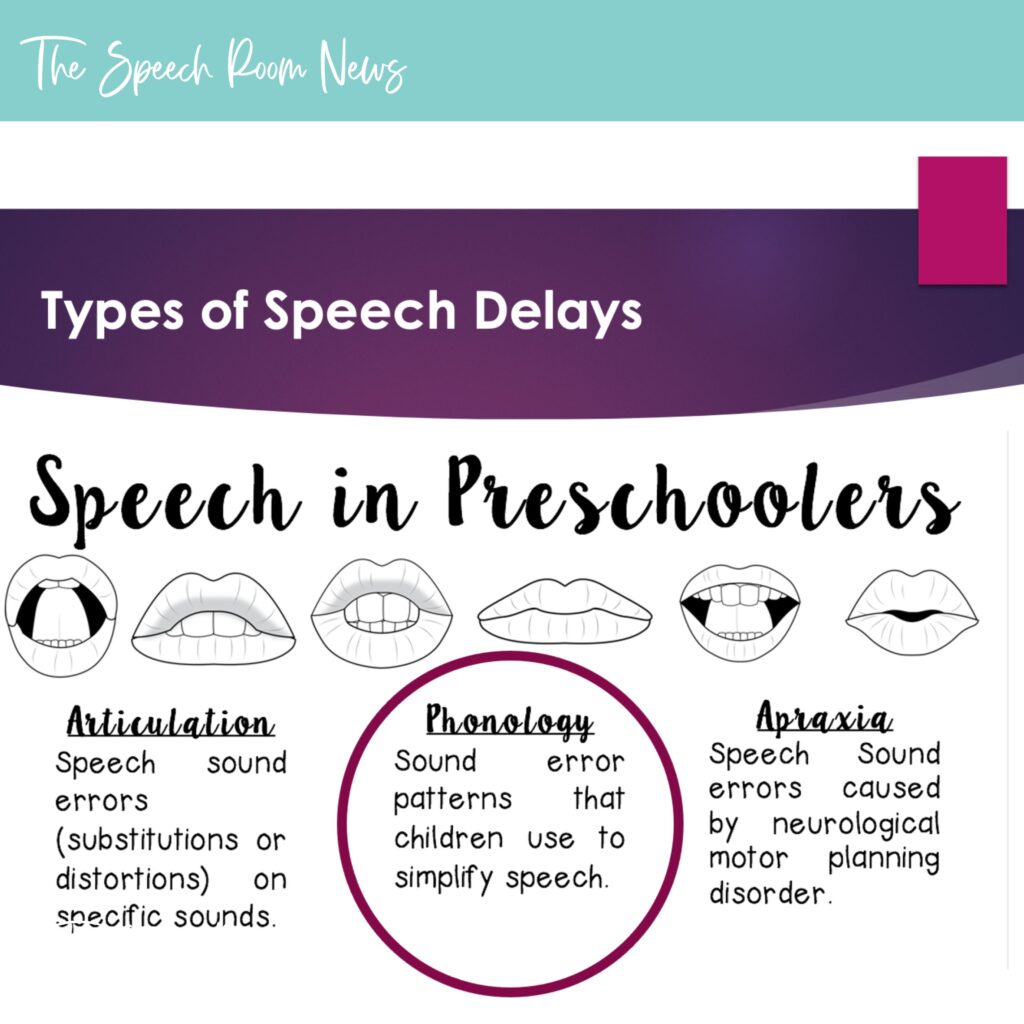
The specialized vocabulary inherent in speech-language pathology, replete with technical terms, acronyms, and diagnostic labels, can be a significant barrier to parental understanding. Terms like "apraxia," "dysphagia," "morphosyntax," or "phonemic awareness" are commonplace for SLPs but can be utterly bewildering for a lay audience. Therefore, making the Curriculum Night presentation accessible through parent-friendly language is paramount.
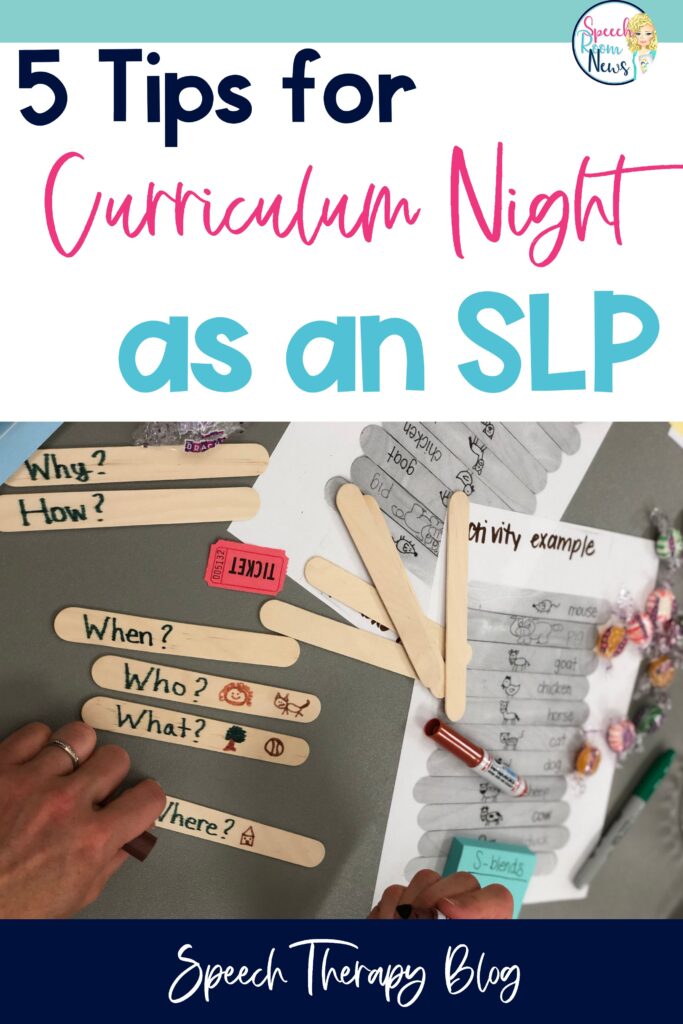
The core principle is to "explain things as if you were explaining it to a fifth grader," as suggested in the original article. This means:
- Eliminate Jargon and Acronyms: If a technical term must be used, define it clearly and concisely immediately. Avoid relying on acronyms like "IEP," "AAC," or "SLP" without initial clarification.
- Use Analogies and Metaphors: Complex concepts can often be simplified through relatable comparisons. For example, comparing language development to building blocks or a communication breakdown to a faulty telephone connection.
- Focus on Function, Not Just Definition: Instead of defining "expressive language," describe what it looks like in a child (e.g., "how your child puts words together to share ideas, ask questions, or tell stories").
- Employ Visual Aids: Infographics, simple diagrams, pictures, and short video clips can convey information much more effectively than dense text or verbal explanations alone. A visual showing typical speech sound acquisition, for instance, is more impactful than a list of ages and sounds.
- Check for Understanding: Periodically pause and invite questions, or use simple checks like, "Does that make sense?" or "Can anyone give me an example of how this might look at home?"
Research in health literacy and educational literacy consistently demonstrates that complex information, even when delivered by experts, often fails to reach its intended audience if not tailored to their understanding. School administrators like Principal David Miller often emphasize this point: "Our specialists are brilliant, but if parents leave confused by the language, we’ve missed a vital opportunity. Clear, simple communication builds trust and ensures continuity of support from school to home." Furthermore, recognizing the linguistic diversity of school communities, offering key handouts or visual aids in multiple languages, or having interpreters available, can dramatically enhance accessibility and inclusivity.
3. Engaging Parents Through Interactive "Make and Take" Activities
Incorporating an interactive "Make and Take" activity transforms a passive presentation into an engaging, hands-on experience. This pedagogical approach, rooted in experiential learning, allows parents to not only understand concepts but to actively create tangible tools they can immediately use at home. This reinforces the importance of their role in the therapeutic process and provides practical resources long after the event concludes.
The benefits of a "Make and Take" are manifold:
- Active Participation: Parents are more likely to retain information when they are actively involved in its application.
- Personalization: Activities can often be adapted to individual child’s needs, making the tools more relevant.
- Empowerment: Parents leave with a sense of capability, equipped with ready-to-use materials.
- Memory Aid: The physical item serves as a constant reminder of the strategies learned.
Examples of effective "Make and Take" activities for SLPs:
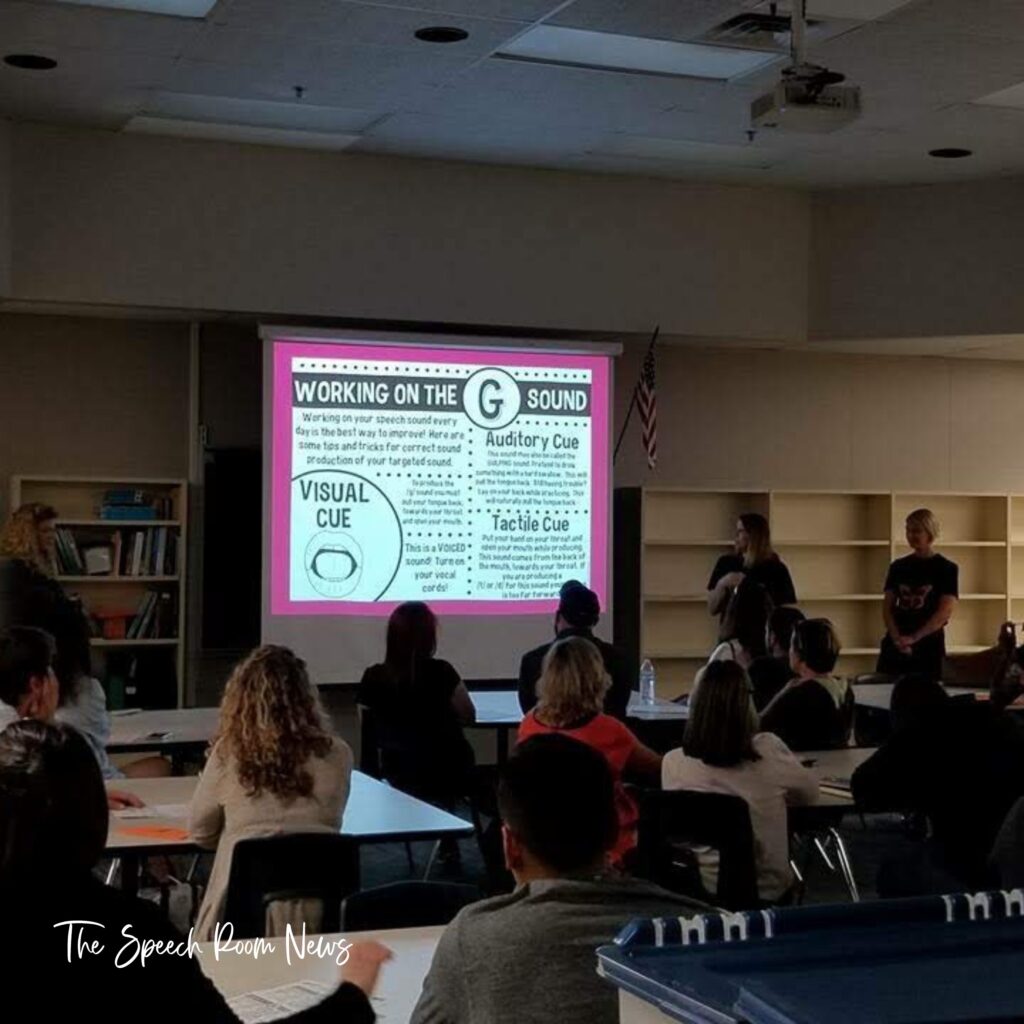
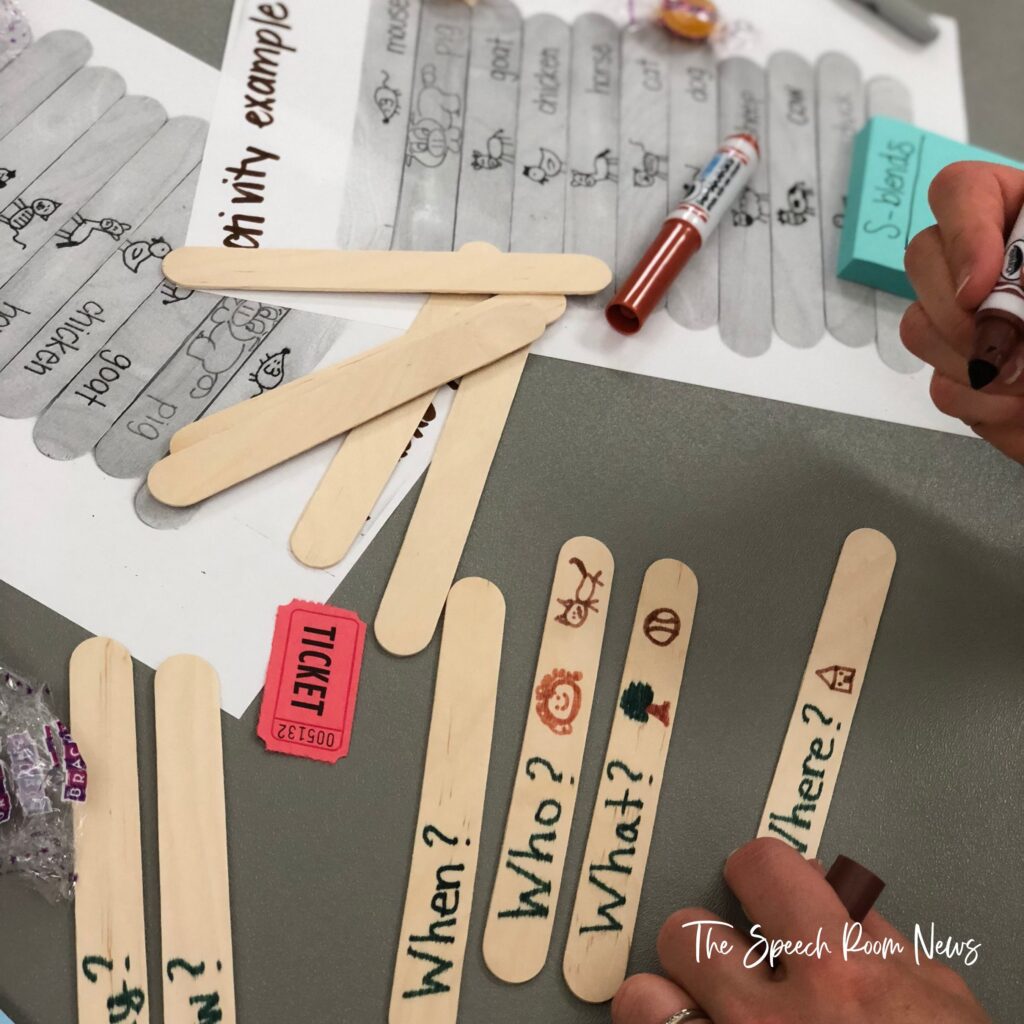
- "Wh-" Question Sticks (as pictured in the original article): Parents can create simple popsicle sticks with "Who," "What," "Where," "When," and "Why" written on them. They then learn how to use these sticks during story time, daily routines, or when reviewing events of the day to target comprehension and expressive language.
- DIY Communication Boards: For children using or exploring AAC, parents can assemble basic visual schedules ("First, Then" boards) or choice boards using laminated pictures and Velcro. The SLP can guide them on selecting appropriate images and introducing the board at home.
- Articulation Sound Cards/Games: For specific speech sound errors, parents can make flashcards with target words or simple game boards where moving a piece requires practicing a sound.
- Story Retelling Props: Creating simple puppets or character cut-outs from a familiar story helps parents facilitate narrative skills, sequencing, and vocabulary at home.
- Sensory Bottles for Regulation/Attention: While not strictly speech-language therapy, sensory tools can support attention and regulation, which are foundational for effective communication. Parents can assemble these with glitter, water, and small objects.
Logistically, "Make and Take" activities require pre-preparation of materials, clear instructions, and often, volunteer support to assist parents. An SLP, Emily Rodriguez, shared her experience: "The ‘Make and Take’ station for visual schedules was always a huge hit. Parents would come back months later saying how much they still used them. It cemented their understanding of visual supports in a way a lecture never could."
4. Reinforcing Learning with Comprehensive Parent Handouts
Even the most engaging presentation can be forgotten without a tangible reminder. Providing informative handouts is a simple yet profoundly effective way to ensure parents leave Curriculum Night with a valuable resource. These handouts serve multiple purposes: a summary of key points, a reference guide for strategies, and a pathway for continued engagement.
Effective handouts should be:
- Concise and Organized: Avoid lengthy paragraphs. Use bullet points, clear headings, and white space.
- Visually Appealing: Incorporate simple graphics, icons, or a consistent branding (e.g., school logo).
- Comprehensive yet Digestible: Include all essential information without overwhelming the reader.
Key elements to include in SLP parent handouts:
- Summary of Presentation: A bullet-point recap of the main topic and key takeaways.
- Practical Strategies: Detailed, step-by-step instructions for implementing home practice activities discussed.
- Developmental Milestones: A brief chart or list of typical speech and language milestones for different age groups.
- Glossary of Terms: A simple explanation of common speech-language pathology terms and acronyms.
- Recommended Resources: A list of reputable websites (e.g., ASHA, NIDCD), books, apps, or local community programs.
- School Contact Information: Clear details on how parents can reach the SLP (email, phone, best times) for follow-up questions or concerns.
- Follow-Up Opportunities: Information about future workshops, online resources, or how to schedule individual meetings.
ASHA consistently advocates for strong family education, stating that "family-centered care is a cornerstone of effective intervention." High-quality handouts align directly with this principle, empowering families to be informed partners in their child’s therapy. By providing these resources, SLPs demonstrate their commitment to ongoing support and ensure that the impact of Curriculum Night extends far beyond the event itself.
Beyond the Presentation: Fostering Ongoing Collaboration
A successful Curriculum Night is not an endpoint but a launchpad for sustained collaboration. The connections made and information shared must be nurtured to yield lasting benefits for students. SLPs should consider strategies for follow-up that reinforce the themes of Curriculum Night and maintain open lines of communication.
This could involve:
- Follow-Up Emails/Newsletters: Sending a brief email after the event, reiterating key points, sharing digital versions of handouts, and inviting further questions.
- Dedicated Q&A Sessions: Offering a separate, virtual or in-person session specifically for parents to ask more in-depth questions.
- Online Resource Hubs: Curating a section on the school’s website or an SLP-specific platform with resources, videos, and articles related to speech and language development.
- Parent Support Groups: Facilitating or recommending local parent support groups where families can share experiences and advice.
The long-term impact of robust parent-SLP partnerships on student progress is well-documented. When parents are informed, feel empowered, and actively participate in therapy goals, students demonstrate greater generalization of skills, increased motivation, and improved overall educational outcomes. While challenges such as time constraints for SLPs, varying parent availability, and cultural differences in engagement exist, the investment in strong home-school connections through events like Curriculum Night is invaluable. It builds a supportive community around each child, recognizing that learning and development extend beyond the school walls.
Broader Implications and Future Directions
The strategic presence and impactful presentations of Speech-Language Pathologists at Curriculum Night have broader implications for the perception and integration of specialized services within the educational landscape. By showcasing their expertise, demonstrating practical applications, and empowering parents, SLPs elevate their professional standing and underscore the essential nature of their contribution to student success.
A well-executed Curriculum Night can serve as a powerful advocacy tool, both for individual SLPs and for the profession as a whole. It can lead to:
- Increased Referrals: Parents who understand the signs of communication delays and the benefits of intervention are more likely to seek help early.
- Enhanced IEP Collaboration: Informed parents are better partners in developing and monitoring IEP goals.
- Greater School-Wide Awareness: Teachers and administrators gain a deeper appreciation for the SLP’s role, potentially leading to better interdisciplinary collaboration and support.
- Community Engagement: Positive experiences can foster goodwill within the wider community, reinforcing the school’s commitment to inclusive education.
Looking forward, the evolving landscape of education, including increased reliance on technology and the growing diversity of student populations, presents new opportunities and challenges for SLPs at Curriculum Night. Integrating virtual components, leveraging digital resources, and ensuring culturally responsive communication will be crucial. Ultimately, Curriculum Night, when approached strategically by Speech-Language Pathologists, transcends its traditional role, becoming a cornerstone of proactive parent engagement, informed collaboration, and ultimately, enhanced student achievement in communication and beyond.
