

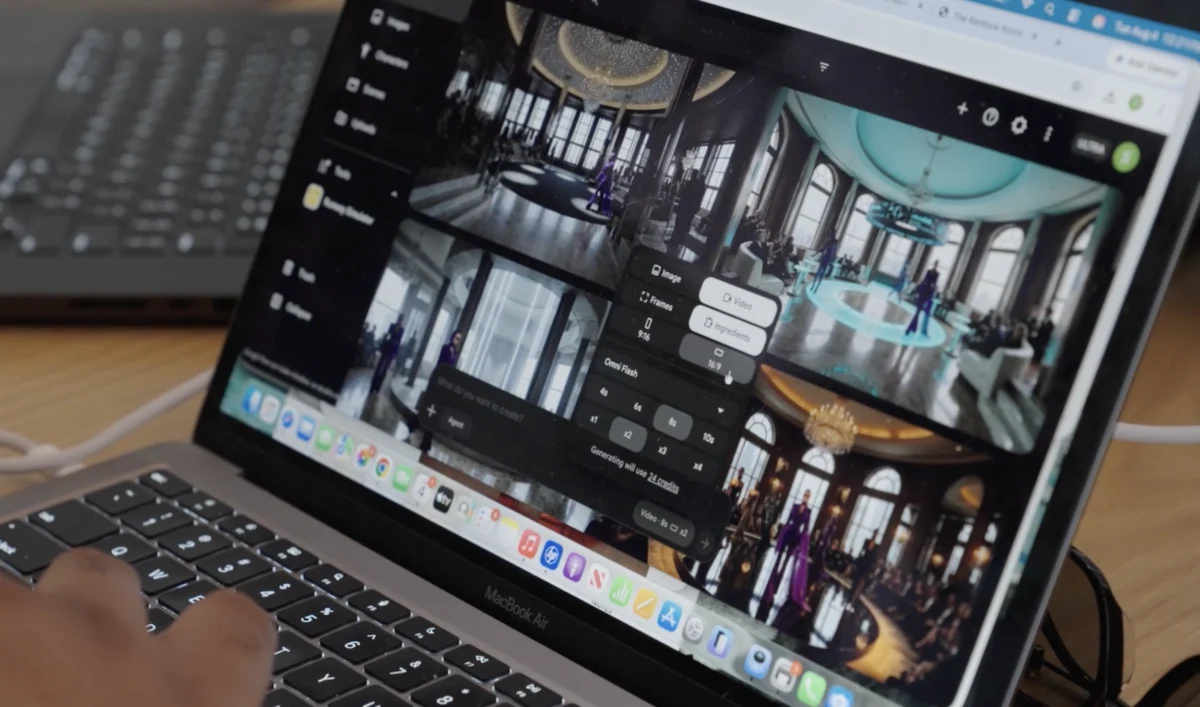
The traditional image of the fashion designer—one of sketches, fabric swatches, and late-night sewing—is increasingly being supplemented by a new set of digital instruments. At the most recent New York Fashion Week (NYFW), a collaboration between Google’s Envisioning Studio, Google Labs, and two prominent independent designers, Jane Wade and Sergio Hudson, demonstrated that the future of haute couture may lie in the strategic application of generative artificial intelligence. By utilizing Google Flow, a specialized AI creative studio, these designers moved beyond the theoretical potential of AI to solve the granular, logistical, and financial hurdles that have long plagued the fashion industry’s creative process.
For independent designers, the path to the runway is often obstructed by a disproportionate amount of administrative and logistical labor. Industry data suggests that creative directors at mid-sized labels spend upwards of 70% of their time on vendor coordination, factory logistics, and administrative tasks, leaving a narrow window for the actual design of garments. This "creative friction" is particularly acute in the lead-up to NYFW, where the pressure to deliver a cohesive collection must be balanced against the skyrocketing costs of production, venue staging, and model casting. Google’s intervention sought to address these specific pain points by co-developing bespoke AI tools that integrate directly into the designers’ existing workflows.
The Evolution of the Creative Workflow: From Concept to Google Flow
The collaboration was spearheaded by Yeawon Choi, a UX Designer at Google’s Envisioning Studio, who recognized that while the fashion industry has been quick to adopt AI for marketing and consumer-facing applications, the "back-end" of the creative process remained largely manual. The engineering team worked side-by-side with Wade and Hudson to build tools that did not replace the designer’s hand but rather extended their capability to visualize and execute complex ideas under tight deadlines.
Google Flow, the platform used for this project, represents a shift in how AI is interfaced with creative professionals. Unlike standard generative models that produce static images based on simple prompts, Google Flow allows users to build custom tools using natural language to describe specific workflows. This no-code approach is essential for the fashion sector, where designers may have high visual literacy but lack the technical background in software engineering or prompt architecture.
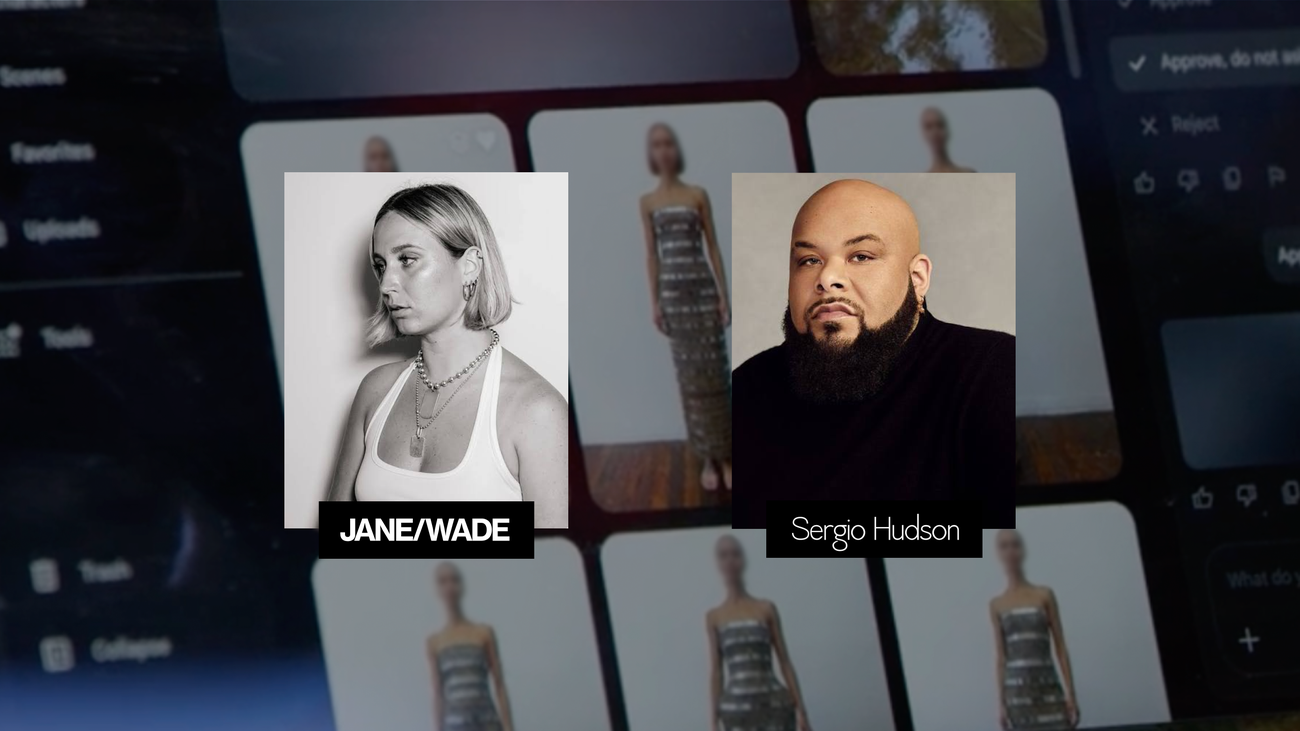
Jane Wade and the Virtual Styling Suite
Jane Wade, known for her innovative approach to contemporary workwear and layered silhouettes, faced a perennial industry challenge: the "fitting bottleneck." Traditionally, the process of styling a 30-to-40-look collection involves three full days of in-person casting and fittings. This process requires models, stylists, and assistants to be physically present as garments are pinned, tucked, and accessorized. Any realization that a specific look is "missing" something often comes too late, leading to expensive, last-minute production runs.
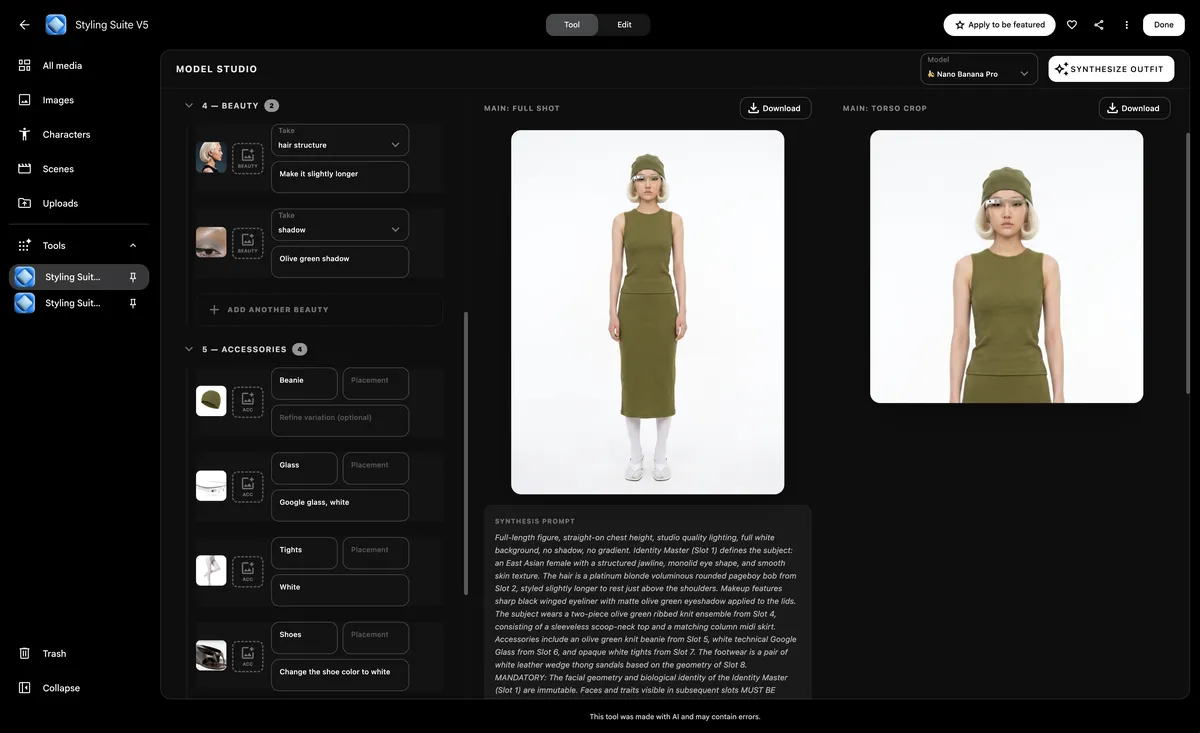
To mitigate this, Google and Wade co-created the "Styling Suite." This tool allowed Wade to map every facet of her runway looks onto digital models. By inputting data regarding hair, makeup, accessories, and specific garment pieces, Wade could virtually "dress" her models and balance the collection’s visual rhythm before a single piece of fabric was cut for the final samples.
The implications of this technology are significant for the sustainability of independent brands. By identifying missing elements—such as a specific shoe color or the need for an additional layering piece—in a digital environment, Wade was able to reduce material waste and optimize her production schedule. The Styling Suite effectively compressed three days of physical labor into a series of digital iterations, allowing the design team to focus on the artisanal quality of the final garments rather than the logistics of the fitting room.
Sergio Hudson and the Economics of Runway Visualization
While Jane Wade focused on the garments, Sergio Hudson—a designer whose high-glamour aesthetic has earned him a clientele including former First Lady Michelle Obama—addressed the spatial and financial challenges of the runway show itself. A standard NYFW runway show can cost anywhere from $100,000 to over $500,000, with a significant portion of that budget allocated to set design, lighting, and technical production.
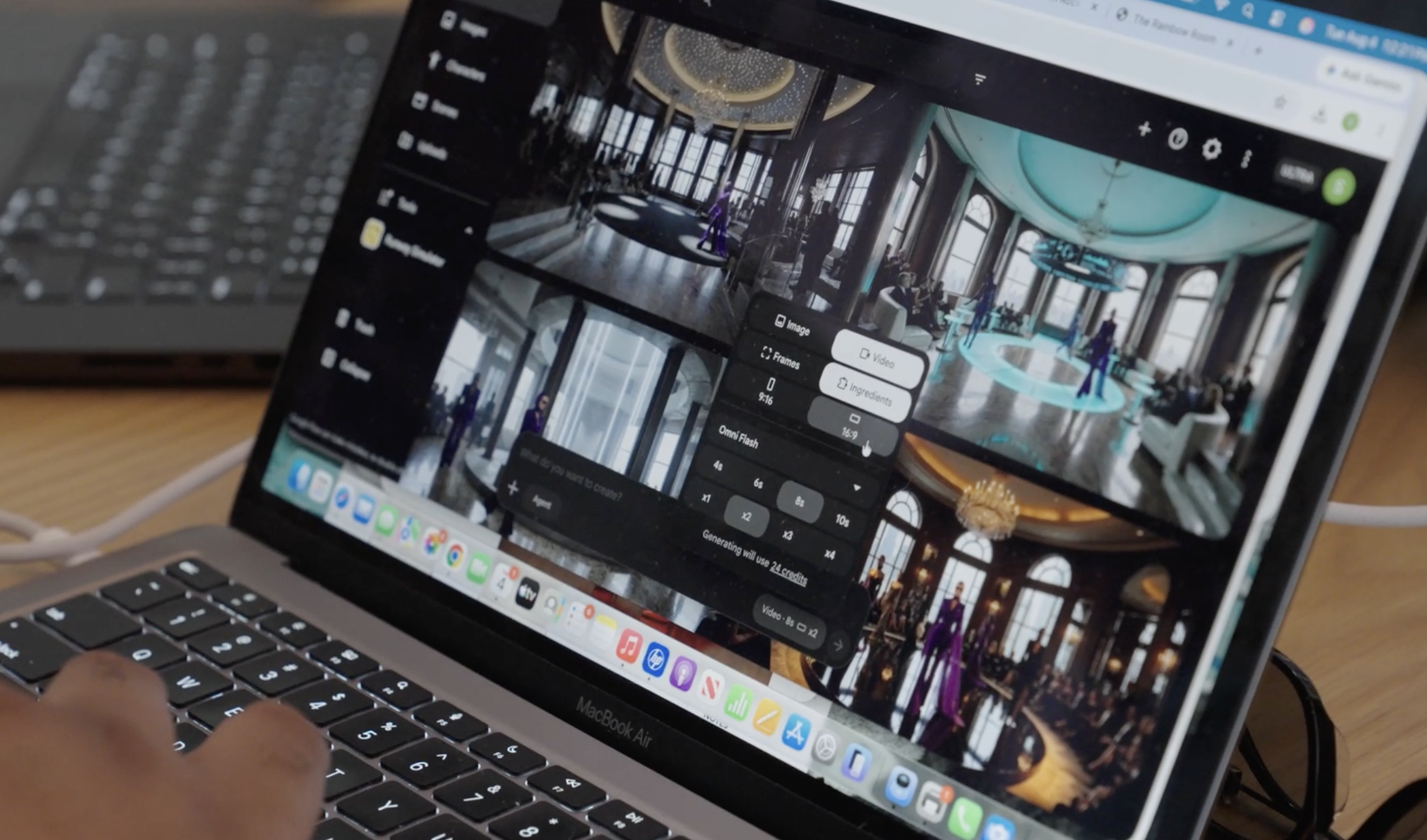
In traditional production cycles, every change to a set—such as moving a light fixture or altering the model’s walking path—requires a new 3D rendering. These renderings are both time-consuming and expensive, often leading designers to make compromises due to budget constraints. Hudson’s collaboration resulted in the "Runway Visualization" tool, an AI-powered simulation environment that allowed him to stage his show virtually.

The tool enabled Hudson to swap lighting configurations and props in real-time, observing how different choices impacted the overall atmosphere of the venue. Crucially, the tool was grounded in the reality of Hudson’s budget. By simulating the venue and the model paths, Hudson could harmonize the viewer experience with the technical limitations of the space. This prevented the "trial and error" costs typically associated with the 24 hours prior to a show, where lighting adjustments on-site can lead to expensive overtime fees for unionized production crews.
Chronology of a Digital Transformation
The development of these tools followed a structured timeline that coincided with the rigorous NYFW production calendar:
- Discovery Phase (4 Months Prior): Google engineers embedded with the design teams to shadow their daily operations, identifying the specific "friction points" in their respective processes.
- Tool Architecture (3 Months Prior): Using Google Flow, the teams began building the logic for the Styling Suite and Runway Visualization tools. This phase involved training the AI on specific aesthetic parameters relevant to each designer’s brand identity.
- Iterative Testing (2 Months Prior): Wade and Hudson began using the beta versions of the tools to make design decisions for their upcoming collections. Feedback from this phase was used to refine the natural language interfaces.
- Implementation (1 Month Prior): The tools became the primary vehicles for final styling decisions (Wade) and set design approvals (Hudson).
- Runway Execution (NYFW): The final collections were presented, with the digital preparations manifesting in the precision of the styling and the technical execution of the shows.
Broader Impact and Industry Analysis
The success of these pilots suggests a move away from "AI as a novelty" toward "AI as an infrastructure." In previous seasons, fashion’s relationship with AI was often limited to "AI-generated" prints or marketing campaigns that leaned into a surrealist, tech-heavy aesthetic. The Google collaboration marks a shift toward "invisible AI"—tools that are not the subject of the art, but the engine that makes the art possible.
Industry analysts suggest that the democratization of these tools could level the playing field for independent designers. Large luxury conglomerates like LVMH or Kering have the capital to maintain in-house 3D rendering departments and large styling teams. For an independent designer, a tool like Google Flow provides a "digital workforce" that can perform the tasks of multiple assistants.
Furthermore, the "no-code" nature of these tools is a critical factor in their adoption. The fashion industry has historically been slow to adopt complex software that requires a steep learning curve. By allowing designers to interact with AI using natural language—essentially "talking" to the software to describe a lighting change or a styling adjustment—Google has lowered the barrier to entry for high-level technical integration.
Official Responses and the Move Out of Pilot Mode
Following the shows, the reaction from the design community has been one of cautious optimism. While some purists express concern that digital styling may diminish the "tactile" nature of fashion, the designers involved in the Google project emphasize that the AI is a tool, not a replacement.
"AI can make the production process smoother for designers by co-developing tools that work within their existing processes," noted the Google Envisioning Studio in a post-event briefing. The focus remains on ensuring that the designers are "firmly in the driver’s seat," using AI to handle the heavy lifting of visualization and logistics while they retain full creative control over the aesthetic output.
As NYFW concludes, Google has made these capabilities more broadly accessible, inviting other creators to build their own bespoke tools in Google Flow. This move signals an intent to move fashion AI out of the "experimental pilot" phase and into a standard industry practice.
Future Implications: The Shift Toward Predictive Creativity
Looking ahead, the integration of tools like the Styling Suite and Runway Visualization may lead to a more predictive model of fashion design. As these AI tools collect more data on a designer’s preferences and the logistical constraints of different venues, they may eventually be able to suggest optimizations before a designer even identifies a problem.
For example, an AI tool could analyze a digital collection and suggest that a certain fabric might not photograph well under the specific lighting of a chosen venue, or it could predict the "flow" of a show based on the weight and movement of the garments. This level of technical foresight would have been unimaginable a decade ago, but through the co-creation of specialized AI tools, it is becoming a reality for the next generation of fashion leaders.
In conclusion, the collaboration between Google, Jane Wade, and Sergio Hudson serves as a blueprint for the future of creative industries. By focusing on the practical, "un-glamorous" aspects of the design process, Google has demonstrated that AI’s greatest contribution to fashion may not be in the clothes themselves, but in the freedom it gives designers to create them. The runway shows at New York Fashion Week were the visible result of a much deeper transformation—one where code and couture are woven together to build a more efficient, sustainable, and creatively vibrant industry.
