


Securing budget approval is not merely a bureaucratic hurdle; it is the foundational act that unlocks an organization’s potential, dictating the scope of product innovation, market expansion, internal system development, and global brand narrative. This critical juncture, where ambitious ideas transition into funded realities, hinges fundamentally on the compelling articulation of why decision-makers should invest in a specific vision. In today’s dynamic corporate landscape, where resources are finite and competition for capital is fierce, the ability to transform a patch of conceptual dirt into a vibrant garden of opportunity is paramount.
Historically, budget conversations have been dominated by raw numbers. Decision-makers, burdened with fiduciary responsibility and the immense pressure of project accountability, often gravitate towards dashboards, spreadsheets, and the immediate bottom line. Their world, anchored by the twin imperatives of company health and financial prudence, tends to distill complex proposals into quantifiable risks and returns. While essential, this singular focus on dollar amounts often overlooks the broader strategic value and transformative potential that a project embodies. The challenge for budget seekers, therefore, is to transcend mere fiscal reporting and paint a comprehensive picture, one that no algorithm or ledger can fully convey.
The Evolving Landscape of Corporate Investment
The corporate environment has grown increasingly complex, moving beyond simple profit-and-loss statements to encompass stakeholder value, environmental impact, social responsibility, and long-term strategic resilience. In this context, a purely analytical approach to budget allocation can inadvertently stifle innovation and miss opportunities for significant, yet less immediately quantifiable, gains. Research from leading management consultancies frequently highlights that projects with strong executive sponsorship and clear strategic alignment are significantly more likely to succeed. However, achieving this alignment requires more than just presenting compelling data; it demands a narrative that resonates deeply with leadership’s aspirations and concerns.
A 2023 survey by PwC on global CEO perspectives revealed that over 70% of business leaders are concerned about their ability to innovate effectively in a rapidly changing market. This anxiety underscores the need for budget proposals that not only demonstrate financial viability but also articulate how an investment directly addresses these strategic anxieties, promising a future state that mitigates risks and capitalizes on emerging opportunities. The shift isn’t about abandoning financial rigor but complementing it with a persuasive story that illuminates the full spectrum of a project’s impact, much like Dorothy stepping from the monochrome reality of Kansas into the full technicolor wonder of Oz.

Crafting the Vision: Three Narrative Techniques for Impactful Pitches
To gain traction and secure the necessary backing, modern budget seekers are increasingly adopting sophisticated narrative techniques. These methods move beyond transactional data exchange, fostering a deeper connection and shared vision with decision-makers. Leading communication firms, such as Duarte, advocate for a strategic blend of storytelling, confidence, and empathy to bring project proposals to life.
1. Make Budget-Approvers the Heroes of ROI: The Three-Act Structure
A fundamental shift in perspective is to position budget-approvers not as gatekeepers, but as pivotal figures in a project’s success story. It’s insufficient to merely account for expenditure; leaders need to envision the capital reappearing as significant return on investment (ROI), both tangible and intangible. While predicting the future is impossible, a well-crafted narrative helps align expectations, providing a "final cut" vision for decision-makers, much like film producers reviewing scripts and storyboards before greenlighting a blockbuster.
Consider the cinematic analogy from Christopher Nolan’s The Prestige, where a magic trick unfolds in three parts: the "pledge" (an ordinary object), the "turn" (the object disappears), and the "prestige" (the object reappears transformed). Applying this to budget proposals, the "pledge" is the initial investment, the "turn" is the operational phase where resources are deployed, and the "prestige" is the desired outcome—the spectacular return.
A purely data-driven proposal might state: "With a $40 million budget, the film is projected to gross over $100 million at the box office, achieve a 130-minute runtime, and secure a 76% Rotten Tomatoes score from 208 reviews." While precise, this lacks soul.
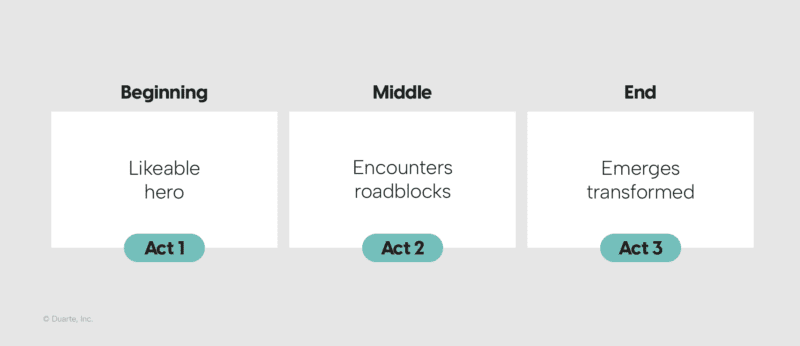
Conversely, a narrative-driven pitch employing a three-act structure transforms this: "Your approval of our $40 million budget initiates a stunning cinematic reimagining of Christopher Priest’s award-winning novel, featuring stellar performances from Hugh Jackman, Christian Bale, Scarlett Johansson, Michael Caine, and David Bowie in a role reminiscent of his iconic Labyrinth performance. This adaptation, while demanding painstaking detail, will leverage cross-genre appeal in fantasy and science fiction, amplified by the cast’s combined star power. We anticipate this project will delight and puzzle generations, earn critical accolades, and deliver over 200% ROI at the box office and through ancillary markets."
The latter approach immediately casts the budget-approver as the catalyst, acknowledges the challenges, and vividly paints a picture of the transformed outcome. It combines projected ROI with loftier dimensions like legacy, cultural impact, and brand elevation, fostering a sense of shared ownership and ambition. This shift from mere metrics to a compelling vision makes the approver a hero in the unfolding story, intimately connected to the project’s success.
2. Calling Your Shots: The Power of Strategic Confidence and S.T.A.R. Moments
In high-stakes budget conversations, conviction is as crucial as calculation. This isn’t about reckless promises, akin to the infamous Fyre Festival debacle, but about projecting credible confidence built on deep understanding and meticulous preparation. Budget seekers must inspire belief that they possess the capability and resolve to execute their vision. This requires "swagger"—not arrogance, but an unwavering self-assurance rooted in competence.
The legendary "called shot" by Babe Ruth in Game 3 of the 1932 World Series serves as a powerful metaphor. Facing a hostile crowd and two strikes, Ruth famously pointed to the outfield stands before hitting a home run. While the exact details remain debated, the legend endures because it embodies audacious confidence backed by immense skill. This moment, captured in headlines like "Ruth Calls Shot As He Puts Home Run No. 2 In Side Pocket," became a S.T.A.R. moment—Something They’ll Always Remember.
Organizations can create their own S.T.A.R. moments in budget presentations. These are strategic instances designed to be unforgettable and resonate long after the meeting concludes. They can manifest as:
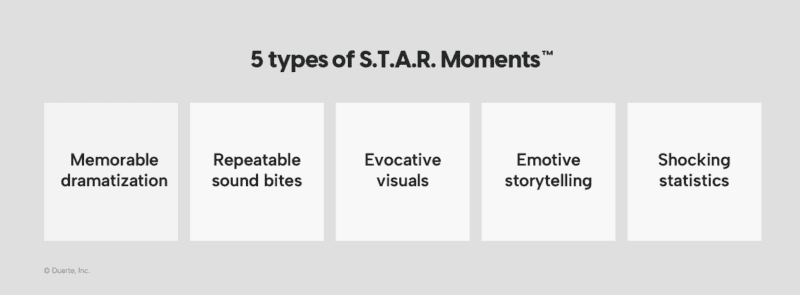
- Memorable Dramatization: A vivid analogy or a brief, impactful demonstration.
- Repeatable Sound Bites: Concise, powerful statements that encapsulate the project’s essence.
- Evocative Visuals: Striking imagery or a short, compelling video that captures the vision.
- Emotive Storytelling: A brief anecdote highlighting the problem or the proposed solution’s impact.
- Shocking Statistics: A surprising data point that underscores the urgency or potential.
A 2022 study by Stanford Graduate School of Business highlighted that leaders who effectively articulate a clear vision and display confidence inspire greater trust and commitment from their teams and stakeholders. For budget-seekers, this translates to presenting a proposal with executive presence, employing multimedia elements, and delivering a crisp, clear narrative. The key is to shift the focus from "Here’s what I can do" to "With your help, here’s what we can do," thereby inviting the approver into a collaborative journey. Ruth’s confidence was earned through a career of unparalleled performance; similarly, a budget-seeker’s confidence must stem from rigorous analysis, thorough planning, and a proven track record.
3. Beyond the Bottom Line: Cultivating Emotional Investment and the "New Bliss"
While financial metrics are non-negotiable, truly transformative projects often secure backing through an appeal to something more profound than mere money. This involves infusing proposals with empathy and emotional heft, transcending dry details to connect with decision-makers on a human level. It’s about balancing the financial aspects of a budget ask with the promise of a "new bliss"—the desirable future state that audiences stand to gain after navigating the "messy middle" of working towards a goal or implementing change.
The "new bliss" could address various unspoken needs: a CFO longing for more family time might be swayed by a proposal for a system that drastically improves workflow efficiency; leadership anxious about market positioning might connect with an innovation that promises to reinvigorate brand relevance; or a desire to create a profitable product that genuinely helps people might find resonance.
Consider a scenario where a new software development project promises a 15% increase in operational efficiency, translating to a $5 million annual saving. While financially compelling, framing this as: "This investment will not only deliver $5 million in annual savings, bolstering our competitive edge, but it will also free up our teams from tedious manual tasks, allowing them to dedicate more time to creative problem-solving and strategic initiatives. This ‘new bliss’ of enhanced productivity and work-life balance will cultivate a more innovative, engaged workforce, and ultimately, a more agile and profitable company, ensuring our legacy as an industry leader," creates a far deeper connection.
This approach requires audience-first empathy, understanding the inner lives and motivations of budget approvers. By acknowledging their hopes, fears, and broader professional aspirations, budget-seekers can structure their stories to include sound financial reasoning alongside details that register emotionally. This transforms mere buy-in into genuine belief, securing not just capital, but profound organizational backing. A study by Gallup indicated that companies with highly engaged employees show 21% greater profitability, underscoring the long-term financial benefits of initiatives that resonate emotionally.
The Duarte Method: A Holistic Approach to Strategic Communication
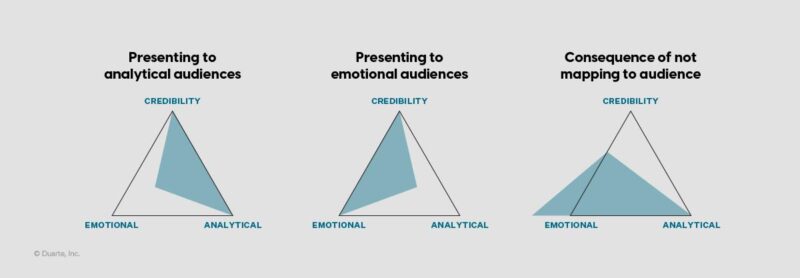
The integration of these narrative techniques aligns seamlessly with frameworks like The Duarte Method, which emphasizes the interplay of Story, Visuals, and Delivery, all rooted in Strategy and Empathy. This holistic approach ensures that communication is not just informative but also persuasive and impactful, capable of moving diverse audiences—analytical and emotional—towards a shared vision.
Challenges and the Path Forward
While the allure of narrative-driven budget proposals is clear, its effective implementation requires significant skill and practice. It demands a deep understanding of the project, the audience, and the organization’s strategic context. Superficial storytelling without underlying financial rigor can be counterproductive, eroding trust. The art lies in striking a delicate balance: providing robust data to satisfy analytical demands while weaving a compelling narrative that addresses emotional and strategic aspirations.
The broader implication of this shift is profound. Strategic storytelling is rapidly becoming an indispensable competency for leaders at all levels. It is transforming how organizations approach internal communication, investor relations, and market positioning. In an era defined by constant change and information overload, the ability to articulate a vision with clarity, confidence, and emotional resonance is no longer a soft skill but a critical strategic advantage. By mastering the art of the budget story—structured, empathetic, and punctuated by unforgettable S.T.A.R. moments—organizations can pave the road ahead, ensuring that innovative ideas not only get heard but are fully funded and brought to fruition.
