

The pursuit of auditory excellence in voiceover work hinges significantly on the quality of the microphone employed. This in-depth exploration delves into the diverse landscape of microphones available for aspiring and seasoned voiceover artists, examining options across various budgetary constraints and technical specifications. Understanding the nuances of microphone technology is paramount for capturing pristine audio, whether for commercials, animation, audiobooks, or podcasting. This article aims to demystify the selection process, empowering individuals to make informed decisions that align with their artistic aspirations and financial realities.
Understanding the Fundamentals of Voiceover Microphones
Before embarking on a journey through specific models, it is crucial to grasp the foundational elements that distinguish one microphone from another in the context of voiceover recording. The primary goal of a voiceover microphone is to accurately translate the subtle nuances of the human voice into a digital signal with minimal coloration or distortion. This involves considering several key technical aspects:
-
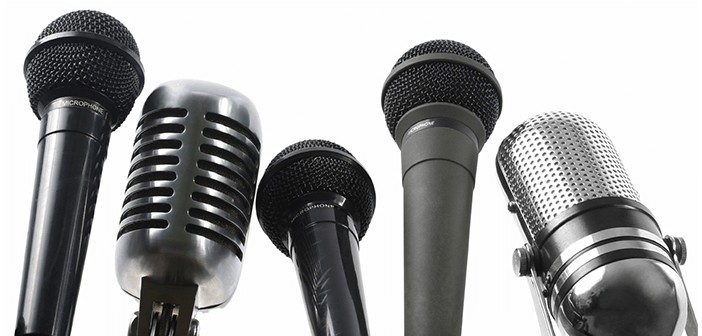
Microphone Types: The two predominant types of microphones utilized in professional voiceover are dynamic and condenser microphones.
- Dynamic Microphones: These microphones are known for their robust construction and ability to handle high sound pressure levels (SPLs) without distortion. They operate on the principle of electromagnetic induction, where a diaphragm moves a coil within a magnetic field to generate an electrical signal. Dynamic mics are often favored for their durability and their ability to capture a focused sound, making them suitable for louder vocal performances or environments with less acoustic treatment.
- Condenser Microphones: Condenser microphones, particularly large-diaphragm condenser (LDC) microphones, are renowned for their sensitivity and ability to capture intricate details and subtle frequencies. They operate by varying the capacitance between a charged diaphragm and a backplate. This sensitivity, however, often requires phantom power, a +48V electrical current supplied by the audio interface or mixer. LDCs are generally preferred for their ability to render a rich, detailed, and often warmer sound, making them a popular choice for spoken word and vocal performances where clarity and presence are paramount.
-
Phantom Power Explained: Phantom power is a direct current voltage, typically +48 volts, that is sent down the microphone cable to power the internal electronics of condenser microphones. It is a standard feature on most professional audio interfaces and mixers. While the term might sound intimidating, its use is straightforward and essential for the operation of many high-quality condenser microphones. It is important to note that dynamic microphones do not require phantom power and are generally unaffected by its presence, though some older or less robust dynamic mics could potentially be damaged.
-
Polar Patterns: The polar pattern of a microphone describes its directional sensitivity – essentially, from which directions it picks up sound most effectively. For voiceover artists, understanding polar patterns is critical for isolating the voice and minimizing unwanted background noise.
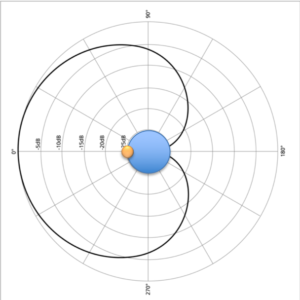
- Cardioid: This is the most common and often the most crucial polar pattern for voiceover. A cardioid microphone picks up sound primarily from the front, with significant rejection from the sides and rear. This directional pickup helps to isolate the voice from ambient room noise, computer fans, or other distractions. The diagram of a cardioid pattern resembles a heart shape, with the apex at the microphone and the broader part indicating the direction of maximum sensitivity.
- Other Patterns: While cardioid is paramount, some microphones offer switchable polar patterns, including:
- Omnidirectional: Picks up sound equally from all directions. Useful for capturing room ambiance or multiple sources in close proximity, but generally not ideal for isolating a single voice.
- Bidirectional (Figure-8): Picks up sound equally from the front and rear, with maximum rejection from the sides. This pattern is useful for interviews with two people sitting opposite each other or for specific recording techniques.
- Hypercardioid/Supercardioid: These patterns are more directional than cardioid, offering even greater rejection from the sides but also picking up a small amount of sound directly from the rear. They require precise positioning to avoid unwanted noise.
-
Connectors and Cables: The type of connector and cable used has a direct impact on signal integrity and the ability to power microphones.
- XLR Connectors: These are the standard 3-pin connectors found on professional microphones, especially those requiring phantom power. XLR cables are "balanced," meaning they use a system of three conductors to transmit the audio signal and cancel out electromagnetic interference picked up along the cable’s length, resulting in cleaner audio.
- Jack Connectors (1/4-inch or 1/8-inch): These are more commonly found on instruments and consumer-grade audio equipment. While some microphones may use jack connectors, professional voiceover microphones almost exclusively utilize XLR connections to ensure optimal sound quality and compatibility with professional audio interfaces.
Evaluating Microphone Features: Pads and Frequency Response
Beyond the fundamental types and polar patterns, certain features can enhance a microphone’s versatility and suitability for specific applications.
-
Pads: Some microphones include a pad switch, which acts as an attenuator to reduce the incoming signal level by a set amount (e.g., 10dB or 20dB). This feature is primarily useful for recording extremely loud sound sources, such as close-miking a guitar amplifier or capturing very powerful vocal performances. For typical voiceover work in a controlled environment, a pad is often not essential but can be a helpful inclusion for added flexibility.
-
Frequency Response: This refers to how a microphone reproduces different frequencies within the audible spectrum. A "flat" frequency response indicates that the microphone aims to reproduce all frequencies equally, without emphasizing or de-emphasizing any particular range. However, many microphones are designed with specific frequency response curves to impart a desirable character to the sound. For voiceover, a microphone that accentuates certain vocal frequencies can enhance clarity, warmth, or presence. Conversely, a microphone with an artificially boosted high-frequency response might lead to excessive sibilance (harsh "s" sounds), particularly with female voices. Understanding how a microphone’s frequency response interacts with a particular voice is a critical aspect of selection.
A Spectrum of Choices: Microphones for Every Budget
Selecting the right microphone is a balancing act between technical requirements, desired sonic characteristics, and financial investment. The following list presents a range of highly regarded microphones suitable for voiceover work, categorized loosely by their general price point and suitability for different levels of experience.
Entry-Level and Budget-Conscious Options (Under $250)
For those just beginning their voiceover journey or working with a limited budget, several excellent options can deliver professional-sounding results.
-
Blue Yeti Pro ($249.00): A popular USB microphone, the Blue Yeti (and its Pro variant) is often a go-to for beginners. The Pro model offers higher recording fidelity and the ability to use XLR connections, bridging the gap between USB convenience and professional audio standards. While USB microphones are not typically the first choice for seasoned professionals due to potential latency and less robust build quality, the Yeti Pro stands out as a capable option for those starting out, offering versatility with its multiple polar patterns.
-
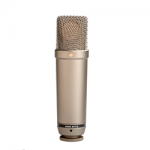
Rode NT1/NT2 ($249/£200): The Rode NT1 and NT2 models have long been a staple for entry-level to intermediate voiceover artists. They are known for their quiet operation and neutral sound profile, providing a solid foundation for high-quality recordings. While some experienced engineers might identify the "Rode sound," for newcomers, these microphones offer a significant step up from basic built-in microphones, delivering clarity and a wide dynamic range at an accessible price point.
Mid-Range Performers (Approximately $250 – $500)
This tier offers microphones that deliver enhanced detail, build quality, and sonic characteristics, making them suitable for artists looking to invest in a more professional setup.
-
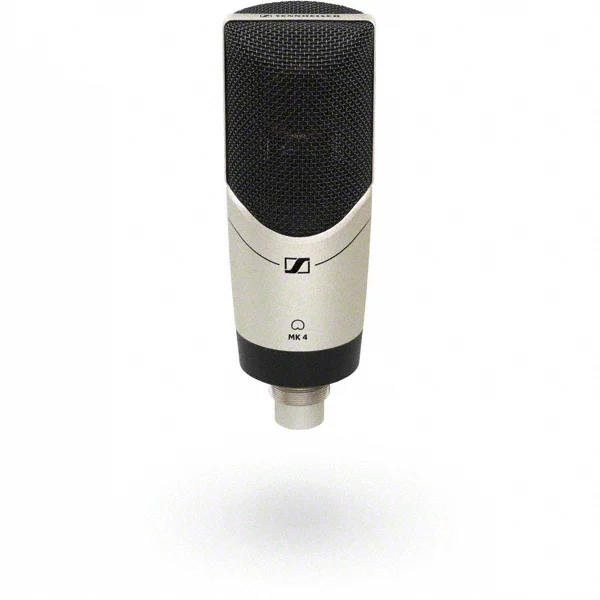
Sennheiser MK4 (~$350/£300): Often cited as a top recommendation for working voice artists, the Sennheiser MK4 is a testament to value. Owned by Sennheiser, the diaphragm capsule was developed by the same team responsible for the legendary Neumann U87. It is a cardioid-only microphone, praised for its robust build and exceptional sound quality that flatters both male and female voices. Its durability and reliable performance make it a compelling choice, offering a level of quality often found in higher price brackets.
-
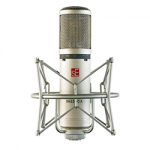
sE Electronics sE2200a II C ($299): This versatile large-diaphragm condenser microphone provides an immediate, high-quality sound. It is an ideal choice for emerging voice actors, featuring a switchable high-pass filter and a 10dB pad for sound-shaping capabilities. Its low self-noise ensures clean recordings, making it a strong contender in its price range.
-
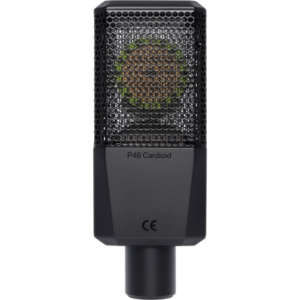
Lewitt LCT 440 Pure (£245): A more recent entrant to the voiceover market, the LCT 440 Pure is a large-diaphragm cardioid condenser microphone. Its distinctive design, featuring an open front, magnetic pop shield, and included shock mount, contributes to its clear and crisp sound. The 1-inch condenser capsule delivers excellent sonic performance at a competitive price, making it an attractive option for those seeking a modern, high-fidelity microphone.
-
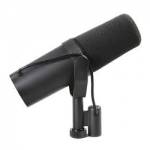
Shure SM7B ($349): While often associated with broadcasting and podcasting, the Shure SM7B is a cardioid dynamic microphone that has found favor among many voiceover artists for its exceptionally clear, warm, and present sound. Its broad frequency response can be tailored with an optional high-boost setting. Its robust build and integrated swing-mount facilitate precise positioning, making it an excellent choice for home studios. It’s worth noting that the SM7B is a dynamic microphone and requires a good preamp to achieve optimal gain levels.
-
Audio-Technica AT4033 ($399): This cardioid condenser microphone is recognized for its excellent transient response and clean audio output. It features an 80Hz high-pass filter that can be switched between a flat frequency response and a low-end roll-off, effectively reducing ambient noise and plosives during close vocal recording. Its versatility and clarity make it a solid choice for various voiceover applications.
-
Rode NTK ($529): Another strong offering from Rode, the NTK is a vacuum tube condenser microphone known for its rugged construction and its ability to produce a warm, clear, and rich sound. Tube microphones often impart a desirable sonic character that many find appealing for voiceover.
Professional Grade Microphones (Above $500)
For established voiceover professionals who demand the highest fidelity and are willing to invest in premium equipment, several microphones stand as industry benchmarks.
-
Audio-Technica AT4047 ($699): This microphone is engineered with a transformer-coupled output and a specially tuned element that evokes the sonic characteristics of classic FET studio microphones. It boasts low self-noise, a wide dynamic range, and high SPL capability. The precision-machined brass housing ensures stability and optimal sensitivity, making it a reliable workhorse for demanding voiceover tasks.
-
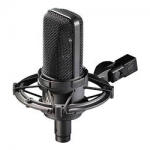
Miktek C7 ($899): The Miktek C7 is a large-diaphragm FET condenser microphone designed for exceptional sonic quality and versatility. With three selectable pickup patterns (cardioid, omnidirectional, and bidirectional), it is adaptable to a wide range of recording scenarios, including interviews and general voiceover work. Its smooth, pleasing sound makes it a favorite for those seeking a refined vocal tone.
-
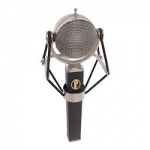
Blue Dragonfly: While specific pricing can vary, the Blue Dragonfly is positioned as an accessible yet high-quality microphone. It aims to replicate the sweet sound reminiscent of vintage Neumann and AKG microphones. Its unique capsule positioning capabilities offer significant sonic flexibility for voiceover artists seeking to experiment with different sound textures.
-
Neumann TLM 103 ($1,099): Although the TLM series (Transistorless Microphone) was not initially designed exclusively for voice work, the TLM 103 has become a highly recommended microphone by many voice actors. It features a transformerless circuit for low self-noise and a wide dynamic range. Its well-tuned cardioid capsule offers excellent acoustic balance and phase cancellation. A notable characteristic is its slight high-frequency lift, which can add presence but may occasionally result in sibilance for higher female voices.
-
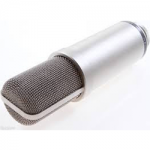
AKG 414 ($1100): The AKG C414 is a legendary studio microphone renowned for its exceptional quality, broad pickup range, and flat frequency response. It is a professional, robust microphone offering switchable polar patterns and a pad setting, making it a highly versatile choice for any working voice artist. Its ability to handle a wide range of vocal performances with clarity and accuracy solidifies its status as an industry standard.
-
Neumann U87 ($3,180/£2500): Widely considered the benchmark in professional recording studios worldwide, the Neumann U87 is an iconic microphone. Its reputation for exceptional build quality, performance, and sound is reflected in its price tag. With switchable polar patterns, a pad, and a consistently flat response, it excels for both male and female voices. While a significant investment, it is an unparalleled choice for those seeking the absolute best. For those seeking a comparable sound at a fraction of the cost, the Sennheiser MK4 is often suggested as a strong alternative.
-
Sennheiser MKH 416 (Circa $700/£550): This hypercardioid shotgun microphone is ubiquitous in the voiceover industry, particularly for commercial work. Its highly directional pickup pattern requires precise on-axis positioning, making it less ideal for highly expressive character work where vocalists tend to move. However, when positioned correctly, the MKH 416 delivers a punchy, commercial sound. Its ruggedness and durability also make it an excellent travel microphone. Many professionals who own a 416 also possess a large-diaphragm condenser to cover a broader range of recording scenarios.
Making the Informed Decision: Key Considerations
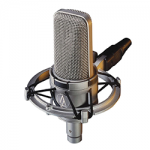
Choosing the "best" microphone is ultimately a subjective decision influenced by individual vocal characteristics, desired sonic signature, and the specific applications for which the microphone will be used.
-
Your Unique Voice: Every voice is distinct. A microphone that sounds exceptional on one voice may not be the ideal choice for another. Experimentation and listening critically to how a microphone translates your specific vocal qualities are crucial.
-
Type of Voiceover Work: The demands of different voiceover genres can influence microphone choice. For instance, the warmth and detail of a large-diaphragm condenser might be preferred for audiobooks and narration, while the robust nature of a dynamic microphone could be advantageous for more energetic commercial reads or situations where less acoustic treatment is available.
-
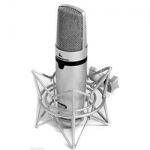
Acoustic Environment: The acoustics of your recording space play a significant role. In a well-treated studio with minimal ambient noise, a sensitive condenser microphone can capture pristine detail. In a less-than-ideal environment, a more forgiving dynamic microphone or a cardioid condenser with excellent side rejection might be a better choice.
-
Budget Allocation: While premium microphones offer superior performance, it’s important to set a realistic budget and explore the best options within that range. Often, a well-chosen mid-range microphone paired with good recording technique and acoustic treatment can yield professional results.
-
Long-Term Investment: Consider the microphone as a long-term investment in your voiceover career. While initial costs can be substantial, a high-quality microphone can serve you for many years, providing consistent performance and contributing to your professional sound.
Conclusion: The Path to Auditory Mastery
The journey to finding the perfect voiceover microphone is one of exploration, education, and personal preference. By understanding the fundamental technologies, features, and the diverse range of options available across different price points, voiceover artists can equip themselves with the tools necessary to capture their best performances. Whether opting for the celebrated Neumann U87 or finding exceptional value in the Sennheiser MK4, the ultimate goal remains the same: to translate the power and nuance of the human voice with unparalleled clarity and fidelity. Continuous learning and an ear for detail will undoubtedly guide aspiring and established professionals toward the microphone that best articulates their unique vocal artistry.
For those seeking further guidance on setting up their recording studio and optimizing their microphone choices, comprehensive resources and courses are available to demystify the technical aspects of professional audio recording.
