

The practice of "debreathing" in voice-over recordings, the selective removal of natural human breaths from audio, is a topic fraught with misconceptions and often misapplied techniques within the industry. While seemingly a straightforward editing process, the decision of when and how to debreath carries significant implications for the authenticity, impact, and overall reception of vocal performances across various media. This article delves into the technical aspects of debreathing, explores its historical context, and analyzes the critical considerations that inform its judicious application, particularly in the evolving landscape of voice-over work.
Understanding the Technical Process of Debreathing
At its core, debreathing involves isolating and manipulating the audible inhalations and exhalations within a recorded voice-over. This is typically achieved using digital audio workstations (DAWs) such as Adobe Audition, Pro Tools, or Logic Pro. In these software environments, a vocal track is visualized as a waveform, where breaths often appear as distinct sonic events, typically lower in frequency and amplitude than spoken words.
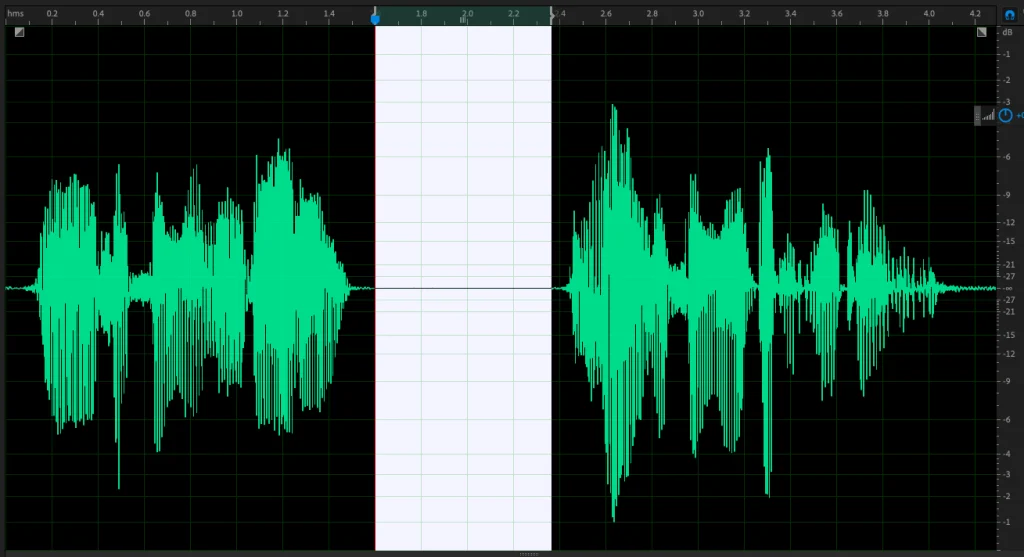
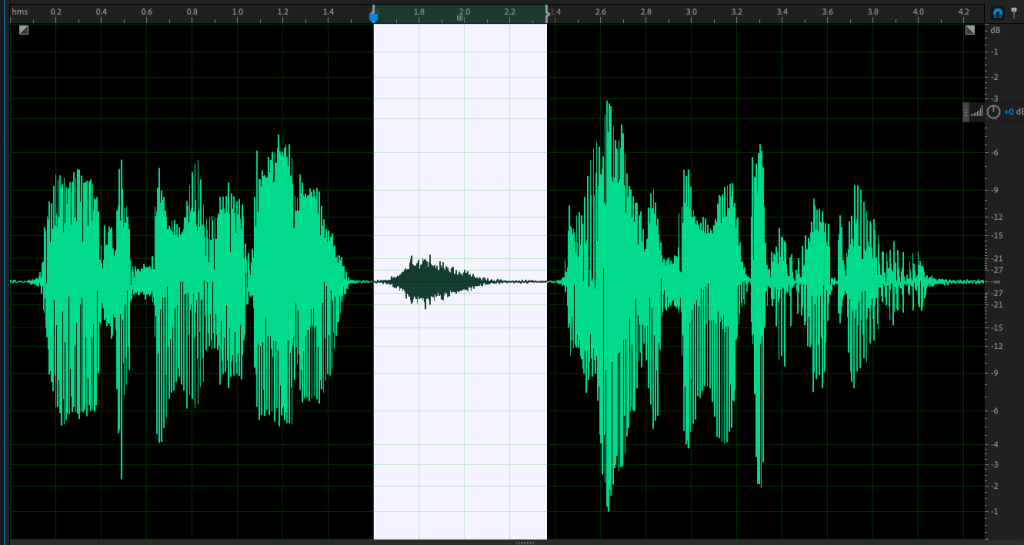
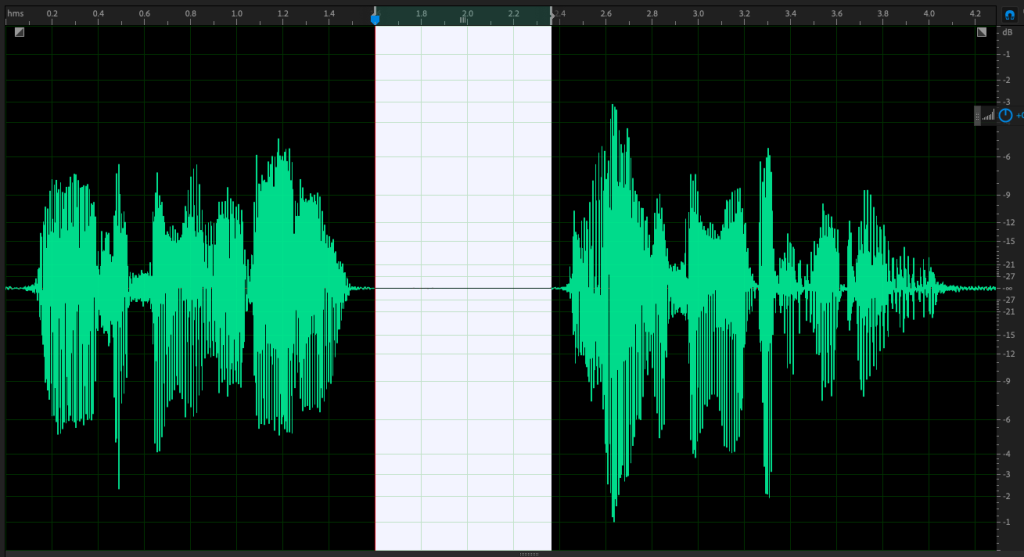
The process can involve two primary methods: silencing or removal. Silencing, the more common and often preferred technique, involves attenuating the volume of the breath to an inaudible level without altering the temporal structure of the recording. This means the space where the breath occurred remains, preserving the natural pacing of the speech. The accompanying visual aids demonstrate this: a highlighted breath within the waveform indicates its presence, followed by a representation of the breath silenced, where the waveform is flattened during the breath’s duration.
Conversely, complete removal involves not only silencing the breath but also deleting the time it occupied. This results in a more compressed audio file, where the spoken phrases are closer together. This method can create a more jarring effect if not handled with extreme care, potentially disrupting the natural rhythm and flow of the performance. The visual representation of a removed breath clearly shows a discontinuity in the waveform, signifying the elimination of both sound and temporal space.
Historical Context and Traditional Applications
Historically, the practice of debreathing gained prominence primarily within the realm of commercial advertising voice-overs. The underlying rationale was to ensure that the spoken message, the advertisement’s core content, remained unadulterated and maximally impactful. The prevailing theory was that breaths, being involuntary and natural human sounds, could act as a distraction, potentially detracting from the advertiser’s message and diminishing the perceived professionalism of the vocal delivery.
In the context of commercials, particularly those with dynamic musical scores and sound effects, the absence of audible breaths was often less noticeable to the listener. The high energy and layered audio of advertisements could mask the subtle edits, leading to a cleaner, more focused vocal presence. The goal was to present a polished, almost superhumanly controlled vocal performance that conveyed authority and persuasiveness, ensuring the audience’s attention remained fixed on the product or service being promoted. This approach was deeply ingrained in the production standards of advertising agencies and broadcast networks for decades.
The Evolving Definition of "Commercial" Voice-Over
A significant point of contention and confusion within the industry arises from the dual interpretation of the term "commercial voice-over."
-
Commercial in Nature: This broad definition encompasses any voice-over work for which a fee is paid. This includes corporate narration, e-learning modules, explainer videos, video game character performances, and audiobooks. In essence, any paid voice-over project falls under this umbrella.
-
Actual Advertisements: This more specific definition refers strictly to audio or visual advertisements intended for broadcast or online distribution, such as television commercials, radio spots, cinema advertisements, and web banner ads.
The critical distinction lies in the intended application. While many voice-over artists have historically debrethed both interpretations of "commercial" work, industry best practice, as advocated by seasoned professionals, suggests that debreathing should ideally be reserved for the second category: actual advertisements. The rationale is rooted in maintaining the integrity and naturalness of performances intended for broader communicative purposes beyond direct product promotion.
The Case Against Widespread Debreathing
The arguments against indiscriminately debreathing voice-over recordings for anything other than explicit advertisements are multi-faceted and touch upon fundamental aspects of human communication and artistic expression.
The Unsettling Absence of Natural Sounds
Humans are inherently wired to perceive breathing as an integral component of spoken language. It is a subconscious cue that signals life, presence, and the natural rhythm of communication. When breaths are entirely removed from a vocal performance, especially in contexts where the voice is prominent and unaccompanied by dense soundscapes, the result can be unsettling and even uncomfortable for the listener. This phenomenon has been observed in the evolution of synthetic speech. Early text-to-speech systems, while technically impressive for their time, often lacked audible breathing. This absence contributed to their perceived robotic and artificial nature. As AI voice technology has advanced, developers have increasingly incorporated simulated breathing to enhance realism and naturalness, acknowledging its crucial role in conveying a lifelike vocal presence.
The Role of Breath in Listener Comprehension
Beyond mere realism, audible breaths serve a vital function in pacing and comprehension. A well-placed breath acts as a natural pause, providing the listener with a moment to process information, absorb the message, and engage in cognitive assimilation. In narrative voice-overs, corporate training materials, or documentary narration, these pauses are crucial for allowing the audience to reflect, connect ideas, and form their own conclusions.
When breaths are removed and the speech is compressed, the continuous flow of words can overwhelm the listener. This can lead to a reduction in information retention, as the audience may struggle to keep pace with the rapid-fire delivery. The intended message can become diluted, and the overall effectiveness of the communication is compromised. This is particularly true in certain American radio commercials where an overzealous approach to debreathing can result in a polished, yet ultimately forgettable, auditory experience.
Preserving Naturalness and Artistic Intent
In the contemporary voice-over industry, there is a pronounced and growing trend towards natural and authentic delivery. Clients increasingly seek vocal performances that feel genuine, relatable, and human. Breathing is a fundamental element of this naturalness. It conveys a sense of spontaneity, emotion, and the organic ebb and flow of human speech.
By removing breaths, voice-over artists inadvertently strip away a crucial layer of this naturalness. The performance can become sterile, overly processed, and less engaging. This transformation shifts the vocal delivery from a nuanced human expression to a more artificial construct, which runs counter to the prevailing demand for authentic vocalizations. The removal of breath can thus diminish the overall artistic quality and impact of the recording.
The Peril of Accidental Debreathing
A further layer of complexity arises from the unintentional removal of breaths through the misuse of audio processing tools. Techniques such as noise gates and expanders, often employed to clean up recordings by reducing background noise, can inadvertently silence or remove audible breaths. While these tools can be beneficial when applied judiciously, their aggressive use in an attempt to "fix" a suboptimal recording environment can have detrimental consequences.
A noise gate, for instance, is designed to mute audio signals below a certain threshold. If the threshold is set too high, it can cut off quiet sounds like breaths, even if they are intended to be part of the performance. Expanders work similarly by increasing the dynamic range, which can also amplify quiet sounds but, if misapplied, can also suppress or remove subtle vocal nuances like breaths.
This accidental debreathing, often driven by a desire to salvage a poorly controlled recording space, carries the same negative implications as deliberate removal. It compromises the naturalness of the performance and can leave the listener with an artificial and disengaging auditory experience. The prevailing advice within professional circles is to prioritize rectifying the recording environment itself rather than relying on such "fudging" techniques, which are often seen as hallmarks of amateur production.
Strategic Application and Client Consultation
Given the nuanced nature of debreathing, a strategic and consultative approach is paramount. The decision to debreath should not be a default setting but rather a deliberate choice based on the specific requirements of the project.
For actual advertisements, where the primary objective is clear and impactful communication, debreathing can be an effective tool when applied with precision. However, even in this domain, it is advisable to consult with the client or hiring party. While the historical precedent for debreathing commercials is strong, some advertisers may now embrace a more naturalistic vocal approach. A quick confirmation can prevent unnecessary edits and ensure alignment with the client’s vision.
For all other forms of voice-over work – including corporate narration, e-learning, audiobooks, gaming, and dramatic performances – the default should be to retain breaths. These genres benefit significantly from the natural pacing, human element, and authentic delivery that audible breaths contribute. Unless explicitly instructed otherwise by the client, the voice-over artist should preserve these integral aspects of their performance.
The Human Advantage in an AI-Dominated Landscape
In an era where artificial intelligence is rapidly advancing and its vocal capabilities are becoming increasingly sophisticated, the unique qualities of human voice-over artists are more valuable than ever. The ability to convey genuine emotion, nuanced interpretation, and authentic human experience is a key differentiator. Breathing, as a fundamental aspect of the human condition, plays a crucial role in underscoring this humanity.
By embracing and retaining their natural breaths, voice-over artists can lean into their inherent advantages. These breaths are not flaws to be eradicated but rather authentic markers of human presence and vitality. In a landscape where AI strives to mimic human speech, the genuine, unedited breath can serve as a powerful reminder of the irreplaceable value of a human performer.
Conclusion: A Call for Informed Decision-Making
The practice of debreathing in voice-over is a technical process with significant artistic and communicative implications. While it has a historical precedent in commercial advertising, its application requires careful consideration and a deep understanding of its impact on the listener’s experience. The prevalent trend towards naturalness and authenticity in voice-over work, coupled with the increasing sophistication of AI, underscores the importance of preserving human vocal nuances, including breaths, unless a specific project directive dictates otherwise.
Ultimately, voice-over artists are encouraged to approach debreathing with discernment, prioritizing the integrity of their performance and the effectiveness of the message. Consulting with clients, understanding the specific demands of each project, and recognizing the inherent value of human vocalization are key to navigating this intricate aspect of audio production and ensuring that voice-overs resonate authentically with their intended audiences. The breath, far from being a sonic imperfection, is a testament to the human element that continues to define compelling vocal performances.
