

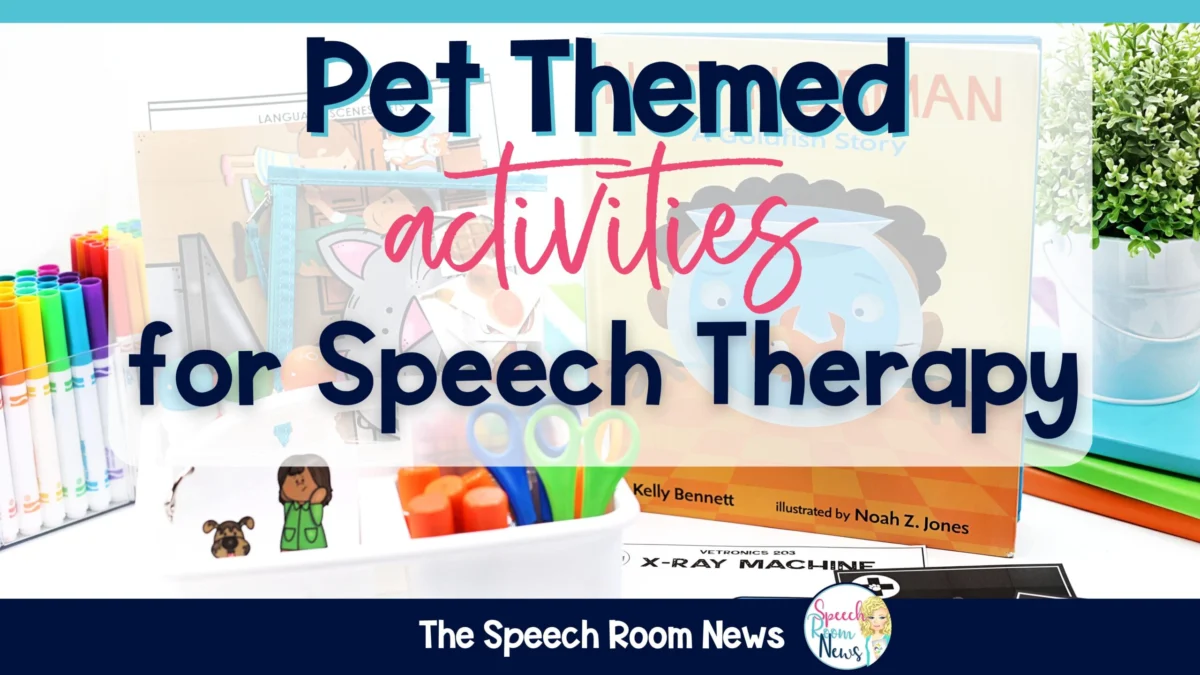
The integration of thematic units into speech and language therapy sessions has emerged as a highly effective pedagogical strategy, with "pet themes" gaining particular traction among speech-language pathologists (SLPs) for their universal appeal and robust therapeutic potential. This approach is not merely a creative embellishment but a structured methodology designed to enhance student engagement, streamline lesson preparation, and ultimately improve communication outcomes for children across various developmental stages and with diverse speech and language goals. The adoption of year-round, non-holiday-specific themes, such as those centered around pets, offers significant advantages in terms of resource longevity and cost-effectiveness, allowing therapists to revisit and adapt materials multiple times throughout the academic year.
The Pedagogical Foundation of Thematic Therapy
The shift towards thematic learning in speech-language pathology aligns with broader educational trends that emphasize contextualized, play-based, and multi-sensory instruction. Research in cognitive psychology and educational neuroscience consistently demonstrates that learning is more effective when information is presented within a meaningful framework, leveraging existing knowledge structures (schemas) and fostering deeper connections. For children undergoing speech therapy, a thematic approach provides a cohesive context that makes abstract language concepts more concrete and relatable. Instead of isolated drills, vocabulary, grammar, and articulation targets are woven into a narrative or activity, mirroring natural language acquisition processes.

For instance, a "pets" theme inherently provides a rich semantic field, encompassing vocabulary related to animal types, body parts, actions (e.g., fetch, purr, bark), habitats, care routines (e.g., feed, groom, walk), and associated emotions (e.g., happy, sad, playful). This integrated learning environment naturally supports the development of receptive and expressive language skills, narrative abilities, and pragmatic language use. Moreover, the inherent appeal of animals often serves as a powerful motivator, increasing attention spans and active participation, which are critical factors for successful therapeutic intervention, especially in pediatric populations with varying levels of attention and engagement.
Evolution and Adoption of Engaging Methodologies
Historically, speech therapy often relied on more didactic, drill-based methods, focusing on repetitive articulation practice or isolated vocabulary instruction. While effective for certain targets, these traditional approaches sometimes struggled with maintaining child engagement and generalizing learned skills to natural communication contexts. Over the past few decades, there has been a discernible evolution towards more child-centered, play-based, and naturalistic interventions, heavily influenced by developmental psychology and educational best practices.
The introduction and widespread adoption of thematic units represent a significant milestone in this evolution. Early iterations might have involved therapists manually gathering disparate materials around a common idea. However, the increasing demand for efficient and comprehensive resources has led to the development of specialized, pre-planned kits, such as the "Pets Themed SLP Kit" mentioned in professional circles. These kits embody the culmination of pedagogical research and practical experience, offering therapists a ready-to-implement framework that saves valuable preparation time while ensuring a high level of engagement and therapeutic relevance. This structured approach allows SLPs to focus more on individualized client needs and less on material creation, a critical advantage in busy clinical or school settings.

Evidence-Based Practice and Therapeutic Efficacy
While specific, large-scale randomized controlled trials directly comparing pet-themed therapy to other approaches might be emerging, the principles underlying thematic therapy are well-supported by broader research in child development and special education. Studies in areas like vocabulary acquisition and narrative development have shown that children learn and retain new concepts more effectively when they are presented in a meaningful context and through multiple modalities. For instance, a 2018 review in the Journal of Speech, Language, and Hearing Research highlighted the importance of contextualized learning for children with language impairments, underscoring that semantic and syntactic structures are best acquired through active, meaningful engagement.
Furthermore, the motivational aspect of high-interest themes like pets cannot be overstated. Research in educational psychology consistently demonstrates a strong correlation between student motivation and learning outcomes. When children are genuinely interested in a topic, their intrinsic motivation to participate, attend, and respond significantly increases, leading to more productive therapy sessions and improved generalization of skills outside the therapy room. Anecdotal evidence from speech-language pathologists widely supports this, with many reporting enhanced compliance and enthusiasm when using themes that resonate with children’s interests.
Comprehensive Pet-Themed Interventions in Practice

A well-designed pet theme kit typically encompasses a multi-faceted approach, integrating various modalities to target a broad spectrum of speech and language goals.
1. Literacy and Narrative Development:
Storybooks are cornerstone components. "Not Norman by: Kelly Bennett" provides a humorous narrative ripe for discussing feelings (disappointment, acceptance), problem-solving, and comparative language as the protagonist grapples with his "boring" goldfish. "Some Pets by: Angela DiTerlizzi" offers opportunities for vocabulary expansion, categorization of animals, and understanding diversity in pet ownership through its vibrant illustrations and diverse characters. "Lola Gets a Cat by: Anna McQuinn" is excellent for sequencing events, exploring cause-and-effect relationships, and discussing the responsibilities associated with pet care, moving from idealization to reality. An "Interactive Vocabulary Book about Pets" directly targets core vocabulary, concept identification, and early literacy skills through repetitive exposure and hands-on interaction, often correlating with other activities like a vet clinic setup. These books collectively build comprehension, narrative retelling abilities, and emotional literacy.
2. Auditory Processing and Phonological Awareness:
Songs are invaluable for young learners, capitalizing on rhythm, repetition, and engaging melodies. Pet-themed songs like "I Have a Pet," "Do You Have a Pet?," "I Love Dogs," and "Wag Your Tail" are excellent for targeting:
- Vocabulary: Introducing and reinforcing animal names and related actions.
- Articulation: Practicing specific sounds and word patterns through repetition.
- Phonological Awareness: Developing skills like rhyming, identifying initial sounds, and understanding syllables.
- Following Directions: Incorporating action words that prompt physical responses.
- Joint Attention and Turn-Taking: Encouraging shared engagement and interactive participation.
3. Interactive Games and Digital Tools:
Modern therapy often blends traditional activities with digital resources. "Color and Play Pets Bingo" can be adapted for various goals, from color identification and receptive vocabulary (e.g., "Find the red dog") to expressive labeling and turn-taking. Therapists can also integrate articulation practice by requiring students to say a target sound before placing a marker. "Feed the Dog Articulation Boom Cards" exemplifies the effective use of technology. This interactive online game motivates children to practice specific articulation sounds by "feeding" the dog, complete with auditory feedback (a crunch sound). This gamified approach enhances engagement and provides immediate reinforcement, making repetitive articulation drills more enjoyable and effective.

4. Hands-on Play and Role-Playing:
Play is central to pediatric development and therapy. Toys like the "Critter Clinic Toy Vet Set" offer rich opportunities for symbolic play and language development. Children can engage in role-playing scenarios as veterinarians, practicing social scripts, sequencing events (e.g., examining, diagnosing, treating), and expanding vocabulary related to medical tools, animal body parts, and actions. This fosters problem-solving skills and encourages emotional expression as they "care" for the stuffed animals. Similarly, "Hape Family Pet Houses" with small accessories are ideal for targeting:
- Prepositional Concepts: (e.g., "The cat is in the house," "The dog is under the table").
- Descriptive Language: (e.g., "Tell me about the fluffy bunny," "Where is the small fish?").
- Narrative Creation: Encouraging children to invent stories about the pets and their homes.
- Categorization: Differentiating between types of pets and their living arrangements.
5. Creative Expression and Fine Motor Skills:
Craft activities provide a multi-sensory and creative outlet. A "Clifford the Big Red Dog Craft" using paper plates, inspired by "Crafty Morning," integrates fine motor skills (cutting, gluing), color recognition, and following multi-step directions. When paired with reading Clifford books, it reinforces character recognition and extends the thematic learning experience, making the abstract concept of "big red dog" tangible.
6. Sensory Integration:
Sensory bins offer a tactile and engaging way to explore the pet theme. A bin filled with rice, beans, or pasta, hidden with small toy pets and accessories, encourages:
- Tactile Exploration: Providing sensory input beneficial for regulation and engagement.
- Descriptive Language: Encouraging students to describe textures, colors, and shapes of items they discover.
- Receptive Language: Following instructions to find specific items based on descriptive clues (e.g., "Find the pet with a pointy black ear"). This activity also promotes turn-taking and sustained attention.
Broader Implications and Future Outlook

The widespread adoption of pet-themed and other year-round thematic units underscores a significant trend in speech-language pathology: a move towards more holistic, engaging, and functionally relevant interventions. This approach not only optimizes therapeutic outcomes but also contributes to the professional development of SLPs by encouraging creative planning and the integration of diverse resources.
The increasing availability of comprehensive therapy kits reflects a growing market demand for ready-to-use, evidence-informed materials that support therapists in their critical role. Furthermore, themes like "pets" facilitate stronger home-school connections, as parents can easily extend these familiar concepts and activities into the home environment, promoting consistent practice and generalization of skills. The non-holiday nature of such themes ensures inclusivity, making them suitable for diverse student populations regardless of cultural or religious backgrounds.
As the field of speech-language pathology continues to evolve, the emphasis on engaging, research-backed, and adaptable thematic interventions is expected to grow. Future trends may include further personalization of thematic content based on individual student interests, increased integration of virtual reality and augmented reality for immersive experiences, and continued research into the precise neurological impacts of themed, play-based learning on language acquisition and development. The enduring appeal of pets ensures that this particular theme will remain a valuable and cherished tool in the speech-language pathologist’s toolkit for years to come.
