

The landscape of school-based speech-language pathology is characterized by escalating demands, diverse student needs, and substantial caseloads. For Speech-Language Pathologists (SLPs), the challenge of crafting individualized and effective lesson plans for dozens of students each week can be overwhelming, often leading to burnout and diminished therapeutic efficacy. However, a shift towards strategic, streamlined planning methodologies offers a robust solution, empowering SLPs to maximize their impact while managing their professional responsibilities more efficiently. This article delves into a series of proven strategies designed to simplify the lesson planning process, ensuring high-quality intervention without sacrificing an SLP’s valuable time.
The Evolving Role and Challenges for School-Based SLPs
Historically, speech therapy in schools has evolved from a primarily articulation-focused service to a comprehensive discipline encompassing a wide spectrum of communication disorders. Today’s school-based SLPs address articulation, phonology, receptive and expressive language, fluency, voice, social communication, and Augmentative and Alternative Communication (AAC) needs across various age groups, from early childhood through high school. This multifaceted role is compounded by significant administrative responsibilities, including individualized education program (IEP) development and compliance, rigorous progress monitoring, continuous consultation with general education teachers and parents, and extensive documentation requirements. The sum of these duties places considerable pressure on an SLP’s available time for direct lesson preparation.
Data from professional organizations, such as the American Speech-Language-Hearing Association (ASHA), consistently highlight the reality of large caseloads, with many SLPs managing between 50 and 70 students, and sometimes even more. Each student presents with a unique profile of communication goals and learning styles, necessitating highly individualized and targeted interventions. The traditional model of generating 50 or more distinct, in-depth lesson plans for each student on a weekly basis is not only logistically impractical but also professionally unsustainable. This inherent pressure underscores the critical need for innovative approaches to planning that prioritize efficiency, reusability of materials, and pedagogical effectiveness. The objective is not to compromise the quality of therapy but to foster smarter work habits, ensuring that preparation time is optimized to directly enhance student outcomes.
The Imperative for Efficiency: Why Streamlining Matters
Streamlining lesson plans for speech therapy extends beyond mere convenience; it is a professional imperative that directly influences the quality of therapeutic intervention and the long-term sustainability of the speech-language pathology profession within educational settings. Efficient planning frees SLPs from an excessive burden of administrative tasks, thereby reallocating valuable time towards direct student interaction, meticulous data collection, and ongoing professional development. For students, well-structured, cohesive, and thoughtfully planned lessons ensure consistency in therapeutic input, promote better generalization of newly acquired skills, and foster increased engagement. When therapy activities are integrated, purposeful, and contextually relevant, students are significantly more likely to achieve their IEP goals, leading to improved academic performance and enhanced social integration.
Furthermore, efficient planning facilitates robust collaboration with general education teachers and other school support personnel. When therapy themes, materials, or strategies align with the classroom curriculum, it creates a powerful synergy that reinforces learning across different educational environments. This alignment strengthens the student’s overall educational experience by making speech-language interventions meaningful and directly applicable to academic demands. This interdisciplinary cooperation is paramount for holistic student development and ensures that communication goals are integrated into the broader educational landscape.
Key Strategies for Optimized Speech Therapy Lesson Planning
In response to the growing demands on school-based SLPs, several evidence-informed strategies have emerged as highly effective in navigating extensive responsibilities. These approaches emphasize thematic integration, literacy-based frameworks, narrative skill development, versatile material utilization, and specialized planning for Augmentative and Alternative Communication (AAC) users.
1. Embracing Theme-Based Therapy Plans
One of the most widely adopted and demonstrably effective strategies for streamlining speech therapy lesson plans is the implementation of theme-based therapy. This approach involves selecting a central, overarching theme for a designated period, typically a week or a month (e.g., "Fall Harvest," "Ocean Animals," "Community Helpers," "Space Exploration"), and subsequently coordinating all therapeutic materials and activities around this chosen topic.
Methodology and Pedagogical Benefits:
By concentrating on a singular theme, an SLP can strategically select a core book, a set of engaging toys, relevant worksheets, and craft activities that naturally align with the chosen subject matter. This facilitates a multi-faceted therapeutic approach where a diverse array of speech and language goals can be targeted using the same foundational set of materials. For example, an "Ocean Animals" theme could be leveraged to:
- Target articulation of specific phonemes (e.g., /s/ blends in "starfish," /ʃ/ in "shark") through repetitive naming and descriptive tasks.
- Develop receptive and expressive vocabulary by introducing and discussing marine-related terms such as "coral," "reef," "current," "buoyant," or "camouflage."
- Work on sentence structure and complexity by describing ocean scenes, the actions of marine life, or creating sentences about ocean habitats.
- Practice narrative skills by collaboratively constructing and retelling stories about ocean adventures, focusing on story elements like characters, setting, problem, and resolution.
- Enhance social communication skills through collaborative craft activities (e.g., creating an ocean diorama) or engaging in discussions about conservation.
A profound advantage of theme-based planning lies in its inherent reusability. Once a thematic unit is meticulously developed and its associated materials are gathered, it can be revisited year after year. Minor adjustments can then be made to tailor the content to individual student needs, current classroom curricula, or specific calendar events. This iterative process allows SLPs to systematically build a robust and comprehensive library of pre-made, high-quality materials, thereby drastically reducing weekly preparation time. Moreover, thematic units often align seamlessly with general education curricula, fostering a crucial sense of cohesion between specialized services and classroom instruction. This alignment facilitates greater carryover of learned skills into the classroom environment, enhancing overall academic and functional communication success.
2. Implementing Literacy-Based Therapy Plans
The integration of carefully selected picture books into speech and language therapy forms the cornerstone of a highly effective literacy-based therapy plan. This approach strategically leverages the rich linguistic content, engaging narratives, and visual supports inherent in children’s literature to address a wide array of speech and language goals across diverse student populations.
Methodology and Comprehensive Benefits:
Literacy-based therapy proves particularly beneficial for mixed groups, where students may present with varied IEP goals and developmental levels. A single, well-chosen picture book can serve as a powerful and unifying therapeutic tool to target:
- Vocabulary Development: Introducing, defining, and discussing novel words encountered within the story’s text or illustrations.
- Story Comprehension: Addressing "wh-" questions, identifying the main idea, recalling specific details, inferposing character motivations, and predicting outcomes.
- Narrative Skills: Facilitating story retelling, identifying and analyzing critical story grammar elements (e.g., characters, setting, initiating event, internal response, plan, attempt, consequence, resolution).
- Articulation and Phonology: Providing opportunities to practice target sounds within story-specific vocabulary, character names, or repetitive phrases.
- Syntax and Grammar: Analyzing various sentence structures, practicing different verb tenses, expanding simple sentences into more complex ones, and understanding conjunctions.
- Social Communication: Discussing character emotions, interpreting non-verbal cues, practicing perspective-taking, and engaging in appropriate conversational turns.
The typical pedagogical framework for literacy-based intervention generally includes:
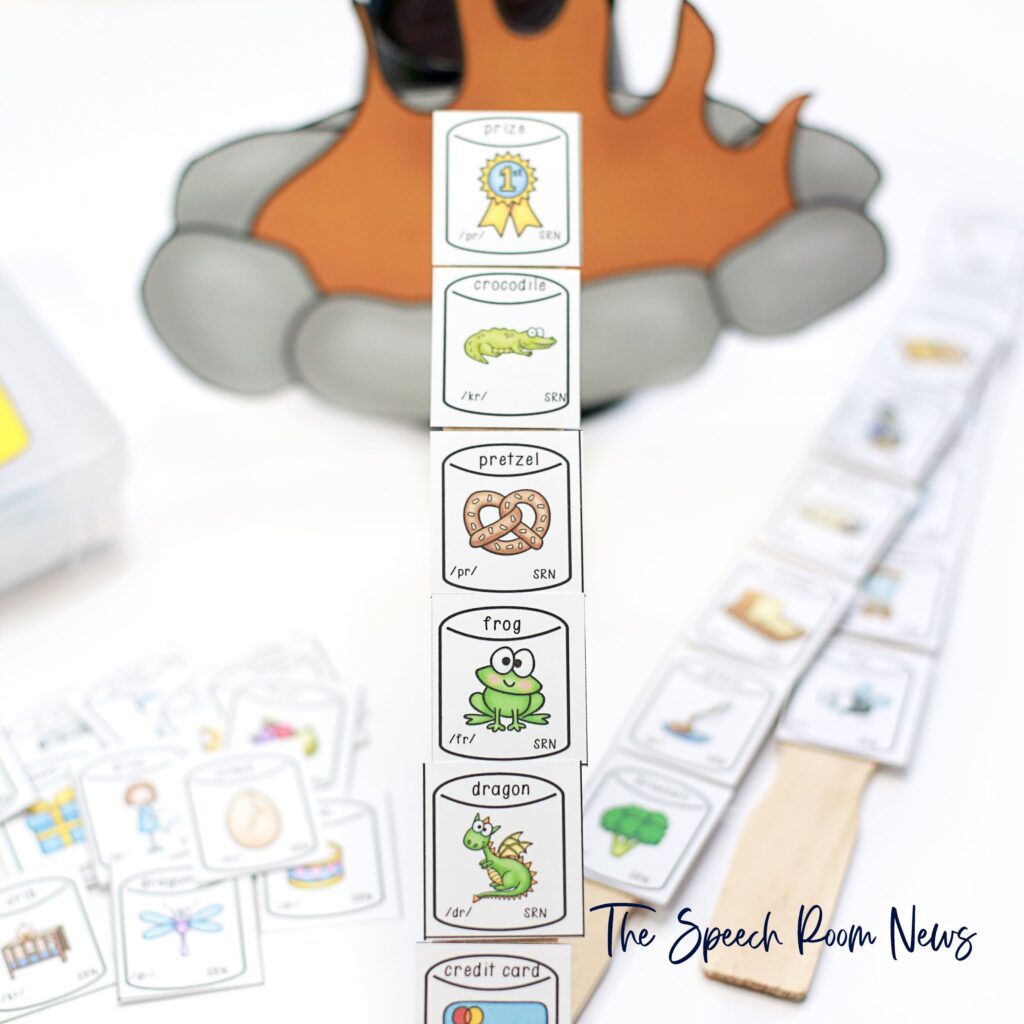
- Pre-story Knowledge Activation: Engaging students in discussions to connect personal experiences or prior knowledge to the book’s themes, characters, or setting, thereby building background.
- Shared Story Reading: Conducting an interactive reading session, pausing strategically for questions, comments, predictions, and clarification, ensuring active participation.
- Focused-Skill Activities: Implementing targeted activities designed to directly address specific IEP goals using elements derived from the book (e.g., worksheets focusing on vocabulary from the story, articulation drills with story words, graphic organizers for story grammar).
- Post-Story Comprehension Discussion: Reinforcing understanding, facilitating deeper analytical thinking, and encouraging critical reflection on the story’s themes or messages.
A key advantage of this approach is the reduced necessity for extensive material creation, as numerous resources are often available online, or materials can be easily adapted directly from the book itself. Furthermore, aligning book choices with classroom curricula can significantly enhance curriculum relevance, student engagement, and the generalization of communication skills, directly supporting academic success.
3. Adopting a Narrative Language Approach
Distinct yet inherently complementary to literacy-based therapy, the narrative language approach specifically centers on teaching the fundamental skills of storytelling and story comprehension. This methodology recognizes narrative competence as a crucial cognitive and linguistic gateway to higher-level language processing, academic achievement, and effective social interaction.
Methodology and Core Benefits:
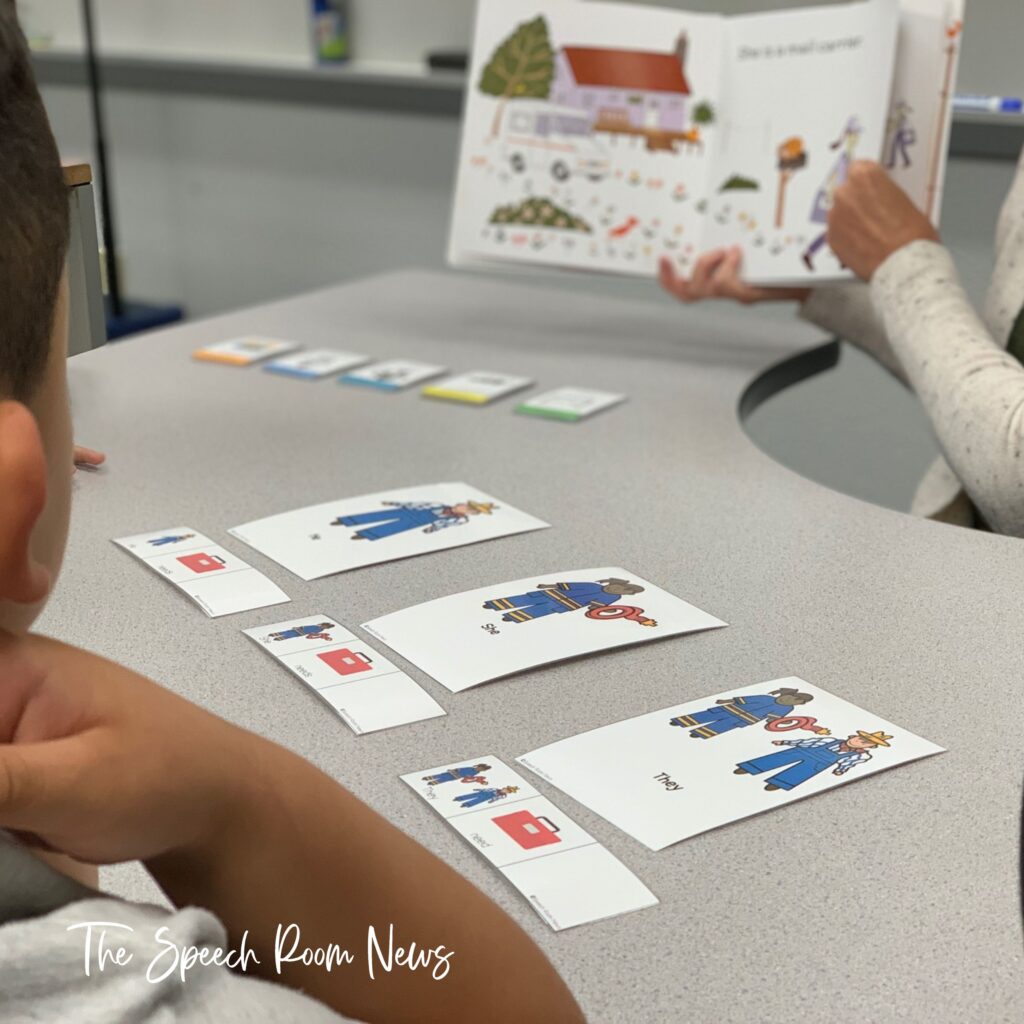
In a narrative language intervention, SLPs typically present multiple stories that share similar structural elements or thematic content over a series of sessions. The primary emphasis is placed on developing a robust understanding of story grammar (e.g., protagonist, antagonist, setting, initiating event, internal response, plan, attempt, consequence, resolution, moral) and applying this framework to both structured story retelling and creative story generation tasks.
- Story Retell: Students actively practice recounting stories they have heard or read, with explicit guidance on incorporating all key story grammar elements in a logical and cohesive sequence.
- Story Generation: Students are systematically guided to create their own original narratives, applying the learned narrative structure and incorporating increasingly complex linguistic features.
This approach places significant pedagogical focus on the development of complex syntax and the acquisition of rich, decontextualized vocabulary within meaningful narrative contexts. The major benefit of employing a narrative language approach is its direct correlation with academic achievement, particularly in the critical areas of reading comprehension, written expression, and inferential reasoning. By systematically improving a student’s ability to understand, analyze, and produce coherent narratives, SLPs are addressing a foundational skill that underpins curriculum success across all academic subjects. Resources such as visual story grammar icons provide concrete aids that help students internalize these abstract structural components, making the process of storytelling more accessible and manageable. This targeted focus on narrative language ensures that specific speech and language skills are not only practiced in isolation but are also effectively generalized into a functional, highly relevant context, promoting long-term communication competence.
4. Maximizing a Single Therapy Toy or Game for Multiple Goals
One of the most low-preparation and incredibly versatile strategies for streamlining speech therapy involves the judicious utilization of a single, engaging toy or game to target a broad spectrum of speech and language goals across an entire therapy session, or even over multiple sessions. This approach capitalizes on the inherent motivational power of play to facilitate learning without necessitating extensive material preparation.
Methodology and Adaptive Benefits:
The inherent adaptability of common toys and games allows SLPs to effectively address diverse IEP goals within a mixed group setting, promoting both engagement and efficiency.
-
Candyland: This classic board game, readily available in most therapy rooms, can be transformed into a dynamic therapeutic tool. Custom cards can be easily created or adapted to target an array of objectives:
- Articulation: Students must accurately produce a target word, phrase, or sentence before advancing their game piece.
- Vocabulary: Naming items depicted on the board, describing colors, shapes, or characters.
- Following Directions: Executing multi-step commands related to game movement or actions (e.g., "Move two spaces, then skip the gingerbread man").
- Social Skills: Practicing turn-taking, expressing emotions appropriately, making comments, and negotiating.
- Grammar: Constructing grammatically correct sentences about game actions, characters, or predictions.
The availability of "Candy Town Bundles" and similar companion resources exemplifies how a single game can be creatively expanded to encompass a vast range of therapeutic targets.
-
Play-Doh: A quintessential staple in many early intervention and elementary therapy settings, Play-Doh offers boundless opportunities for targeting goals through engaging sensory and fine motor activities. Structured resources, such as "Dough and Data Sets," provide specific activities where students trace shapes or create objects with Play-Doh, simultaneously practicing target sounds, expanding vocabulary, or constructing sentences. This method is particularly effective for discrete progress monitoring, as data can be gathered unobtrusively during play-based activities. The tactile nature of Play-Doh also renders it highly accessible for students with fine motor challenges, as shapes can be formed from simple rolls, promoting success, fostering creativity, and maintaining high levels of engagement.
-
Mini Objects: Small, realistic miniature objects (e.g., tiny animals, household items, vehicles, food items) are exceptionally versatile. They are inherently engaging, promote the generalization of skills to real-world contexts, and are conveniently easy to store and transport. Mini objects can be strategically utilized for:
- Articulation: Practicing target phonemes in initial, medial, or final word positions.
- Vocabulary: Naming, describing attributes, categorizing objects, and identifying functions.
- Prepositions: Practicing spatial concepts (e.g., "Put the car under the bridge," "The block is on the box").
- Sentence Expansion: Encouraging the use of descriptive adjectives, adverbs, and verbs (e.g., "I see a shiny red car," "The fluffy dog is happily running").
- Storytelling: Facilitating impromptu narrative creation using a selection of objects as prompts or characters.
Their concrete nature provides invaluable support for students with language delays, and their portability makes them ideal for various therapy settings, including push-in services.
-
Specific Interactive Toys: Purpose-built interactive toys, such as a "Chomping Crocodile" game or a "Melissa & Doug Ice Cream Shop," naturally facilitate rich, naturalistic language opportunities. The crocodile game can be integrated into a dental health theme, targeting vocabulary (e.g., "dentist," "teeth," "brush," "cavity"), articulation drills, and turn-taking skills. The ice cream shop, a perennial favorite among children, is exceptionally effective for:
- Vocabulary: Naming various ice cream flavors, toppings, and serving utensils.
- Verbs and Prepositions: Practicing action verbs (e.g., "scoop," "pour," "eat") and spatial prepositions (e.g., "on top," "under," "inside").
- **Requesting
