

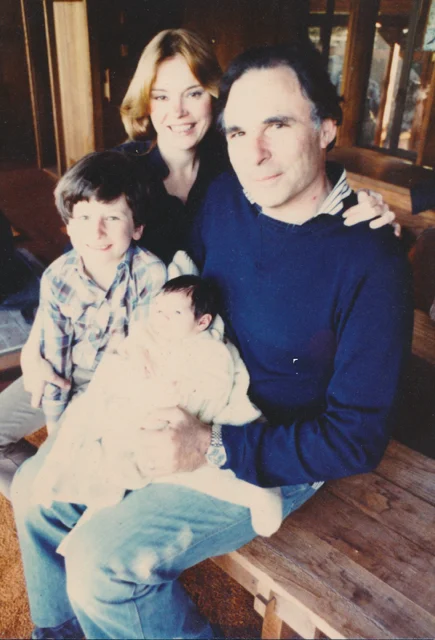
San Francisco, CA, November 17, 2025 – The world of psychology mourns the loss of Dr. Paul Ekman, a titan whose decades of groundbreaking research irrevocably shaped our understanding of human emotion, facial expressions, deception, and compassion. Dr. Ekman passed away peacefully at his home at the age of 91, surrounded by his family. His passing marks the end of an era for a field he not only advanced but, in many ways, defined.
For over sixty years, Dr. Ekman’s intellectual curiosity and rigorous scientific methodology illuminated the complex landscape of human affect. His work transcended cultural boundaries, demonstrating the universal nature of certain emotional expressions and their physiological underpinnings. This pioneering research, often conducted in remote and diverse cultural settings, challenged prevailing theories and galvanized the field of emotion research, inspiring applications across a vast array of disciplines, including psychology, anthropology, education, and law enforcement.
Dr. Ekman’s legacy is intrinsically linked to his development of the Facial Action Coding System (FACS), a comprehensive, anatomically based system for describing all observable facial movements. FACS, developed in collaboration with Wallace Friesen, provided a standardized, objective method for analyzing facial expressions, allowing researchers to quantify and categorize the subtle nuances of human communication. This system became an indispensable tool for scientists worldwide, enabling cross-cultural comparisons and the identification of microexpressions – fleeting, involuntary facial movements that can reveal concealed emotions.
Complementing FACS, Dr. Ekman also developed Micro Expression Training Tools, empowering individuals and professionals to recognize and interpret these subtle emotional cues. These tools have found widespread application in fields requiring keen observational skills, such as security, intelligence, and clinical psychology. The ability to discern genuine emotions from masked ones has profound implications for understanding interpersonal dynamics and ensuring accurate communication.
The impact of Dr. Ekman’s work extended far beyond academic circles, permeating popular culture and influencing how millions perceived human behavior. His bestselling books, including "Emotions Revealed" and "Telling Lies," made complex scientific concepts accessible to a broad audience. Furthermore, the acclaimed television series "Lie to Me," for which Dr. Ekman served as a consultant, brought the science of microexpressions and deception detection into millions of homes, sparking widespread fascination with the subject. His advisory role for Pixar’s animated film "Inside Out" further underscored his ability to translate intricate emotional science into engaging narratives for audiences of all ages.
Robert W. Levenson, Ph.D., from the Department of Psychology at the University of California, Berkeley, reflected on Dr. Ekman’s profound influence: "Paul brought his remarkable intellect, observational skills, and unflagging energy to illuminate the ways we express and feel our emotions and how they are embodied in our physiology. His research, theorizing, and ideas for how emotions could be harnessed in service of the greater good galvanized what was a small niche area of research into a vibrant and thriving research area that will continue to be hugely influenced by his work and vision."
Dr. Ekman’s dedication to the application of his research was a defining characteristic of the latter half of his career. For the final 25 years of his professional life, he focused on leveraging his scientific insights to foster greater well-being and cultivate a more compassionate world. This commitment led to significant collaborations, most notably his enduring friendship and intellectual partnership with His Holiness the Dalai Lama. Together, they explored the profound benefits of meditation and its role in mitigating destructive emotions. Their joint efforts culminated in the publication of "Developing Global Compassion," a book and webisode series that further disseminated their shared vision for emotional intelligence and ethical development.
This collaboration with the Dalai Lama also initiated a significant partnership between Dr. Ekman and his daughter, Eve Ekman, Ph.D., a contemplative social scientist and director of the Paul Ekman Group. Together, they developed the Atlas of Emotions, an innovative online interactive tool designed to expand emotional vocabulary and enhance self-awareness. They also played a pivotal role in developing the Cultivating Emotional Balance (CEB) program, which integrates contemplative practices with emotion regulation training.
Eve Ekman shared a poignant tribute to her father: "My dad’s commitment to rigorous science, love of discovery, and dedication to alleviating pain from destructive emotions were at the very core of his brilliant mind and accomplishments. However, his huge heart and ability to vulnerably share his own struggles with emotions were what made him beloved by so many. He was an incredibly loving dad – a lover of life and unrelentingly curious."
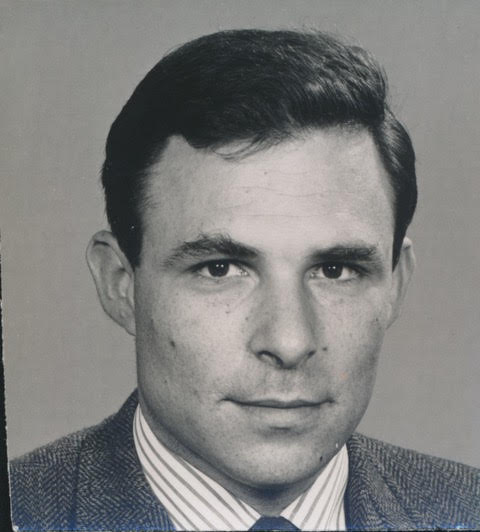
The Paul Ekman Group, now under the leadership of Dr. Eve Ekman, will continue to advance Dr. Ekman’s mission. The organization is committed to making emotional awareness, empathy, and truthfulness accessible globally through science-based education and training programs. Dr. Ekman is survived by his children, Eve Ekman and Tom Ekman, and a vast, loving community of friends who considered him family.
A Timeline of Impact
Dr. Paul Ekman’s journey as a psychologist and researcher spanned over six decades, marked by significant milestones that shaped the scientific understanding of emotions:
- Early Career and Foundational Research: Dr. Ekman’s initial work in the 1950s and 1960s focused on the study of human communication and facial expressions. His early research, often conducted with Wallace Friesen, laid the groundwork for his later groundbreaking discoveries regarding the universality of certain emotional expressions.
- Cross-Cultural Studies (1960s-1970s): A series of influential cross-cultural studies conducted in diverse regions, including Papua New Guinea, provided compelling evidence for the existence of universal facial expressions corresponding to basic emotions such as happiness, sadness, anger, fear, surprise, and disgust. This research was instrumental in challenging the prevailing cultural relativist views of emotional expression.
- Development of FACS (1970s): In collaboration with Wallace Friesen, Dr. Ekman developed the Facial Action Coding System (FACS), a monumental achievement that provided a standardized and objective method for analyzing and quantifying facial movements associated with emotion. This system became a cornerstone of nonverbal communication research.
- Research on Deception and Microexpressions (1970s-1980s): Dr. Ekman’s research expanded to include the study of deception, leading to the identification and analysis of microexpressions – extremely brief, involuntary facial expressions that can betray concealed emotions. His work in this area had significant implications for law enforcement, security, and psychology.
- Application and Popularization (1990s-2000s): Dr. Ekman’s later career saw a strong emphasis on applying his research to real-world problems and making his findings accessible to a wider audience. This period saw the publication of his bestselling books and his influential role in the television series "Lie to Me."
- Collaboration with the Dalai Lama and Compassion Research (2000s-2010s): Dr. Ekman’s partnership with His Holiness the Dalai Lama led to significant work on compassion and contemplative practices, culminating in projects like "Developing Global Compassion" and the development of the Atlas of Emotions and Cultivating Emotional Balance.
- Continued Influence and Legacy (2010s-Present): Even in his later years, Dr. Ekman remained an active voice in the scientific community, mentoring researchers and continuing to advocate for the importance of emotional intelligence and understanding.
Data-Driven Insights into Emotion
Dr. Ekman’s research provided quantifiable data that reshaped our understanding of emotions:
- Universal Facial Expressions: His cross-cultural studies identified six basic emotions with universally recognized facial expressions: happiness, sadness, anger, fear, surprise, and disgust. Later research, including work on contempt, expanded this list. The percentage of recognition for these expressions across cultures often exceeded 80%, a remarkable finding that underscored their innate nature.
- Facial Action Coding System (FACS): FACS catalogues 46 distinct "action units" (AUs) that correspond to specific muscle movements in the face. This system allows for precise measurement of facial activity, providing objective data for emotional analysis. For example, the activation of AU12 (lip corner puller) is a key indicator of a genuine smile.
- Microexpressions: These fleeting expressions, typically lasting between 1/25th and 1/2 of a second, occur when a person attempts to conceal an emotion. Research indicates that individuals trained in recognizing microexpressions can achieve accuracy rates significantly higher than chance, often exceeding 70% in identifying concealed emotions.
- Deception Detection: While not a perfect science, Dr. Ekman’s work on deception has contributed to understanding behavioral cues that may indicate dishonesty. Studies have suggested that trained individuals can detect deception with accuracy rates around 60-70%, a notable improvement over the baseline of approximately 50%.
Official Responses and Tributes
The news of Dr. Ekman’s passing has elicited widespread tributes from the scientific community and beyond, acknowledging his profound and lasting impact.
"Paul Ekman was a giant in the field of psychology, a true visionary whose work on emotions and facial expressions revolutionized our understanding of human behavior," stated Dr. Anya Sharma, President of the American Psychological Association. "His rigorous research and accessible communication brought complex scientific insights to a global audience, fostering greater awareness and empathy. His loss will be deeply felt."
Dr. Kenji Tanaka, a leading anthropologist specializing in nonverbal communication, commented, "Dr. Ekman’s cross-cultural research was a monumental achievement. He provided us with the tools and the conceptual framework to understand the shared human experience of emotion, bridging cultural divides and fostering a more interconnected world. His legacy will continue to inspire anthropologists for generations to come."
The Paul Ekman Group, in its announcement, expressed profound grief and an unwavering commitment to continuing his work. "We are deeply saddened by the passing of Dr. Paul Ekman," the statement read. "His unparalleled contributions to the science of emotion have left an indelible mark on the world. Under the leadership of his daughter, Dr. Eve Ekman, the Paul Ekman Group remains dedicated to advancing his mission of promoting emotional awareness, empathy, and truthfulness through accessible, science-based education and training."
Broader Impact and Enduring Implications
Dr. Paul Ekman’s legacy extends far beyond academic journals and research papers. His work has had a transformative impact on various sectors:
- Law Enforcement and Security: The ability to recognize microexpressions and subtle emotional cues has been invaluable for law enforcement agencies, intelligence services, and security professionals in assessing threat levels, conducting interrogations, and ensuring public safety.
- Clinical Psychology and Therapy: Understanding the nuances of emotional expression and regulation is fundamental to effective psychotherapy. Dr. Ekman’s work has provided therapists with a deeper insight into their patients’ emotional states, leading to more targeted and effective interventions.
- Education and Child Development: The development of emotional literacy is crucial for children’s social and emotional development. Tools like the Atlas of Emotions and programs like Cultivating Emotional Balance aim to equip individuals with the skills to understand and manage their emotions, fostering healthier relationships and improved academic outcomes.
- Interpersonal Communication: For the general public, Dr. Ekman’s work has demystified the complex world of emotions, offering practical insights into reading facial cues, understanding deception, and fostering more authentic and empathetic communication in personal and professional relationships.
- Ethical Frameworks: His later work on compassion and the mitigation of destructive emotions has contributed to ongoing discussions about ethics, well-being, and the cultivation of a more peaceful and understanding global society.
A documentary celebrating Dr. Ekman’s life and scientific legacy is currently in development, aiming to further share his profound contributions with a global audience. Those wishing to support its completion can find more information and contribute via a dedicated portal. The Paul Ekman Group is also collecting reflections, stories, and messages of appreciation from colleagues, students, and readers worldwide to create a memorial page honoring his extraordinary life and enduring impact.
Dr. Paul Ekman’s passing leaves a void in the scientific landscape, but his groundbreaking research, his dedication to human understanding, and his unwavering commitment to fostering a more compassionate world ensure that his legacy will continue to inspire and guide for generations to come.
