

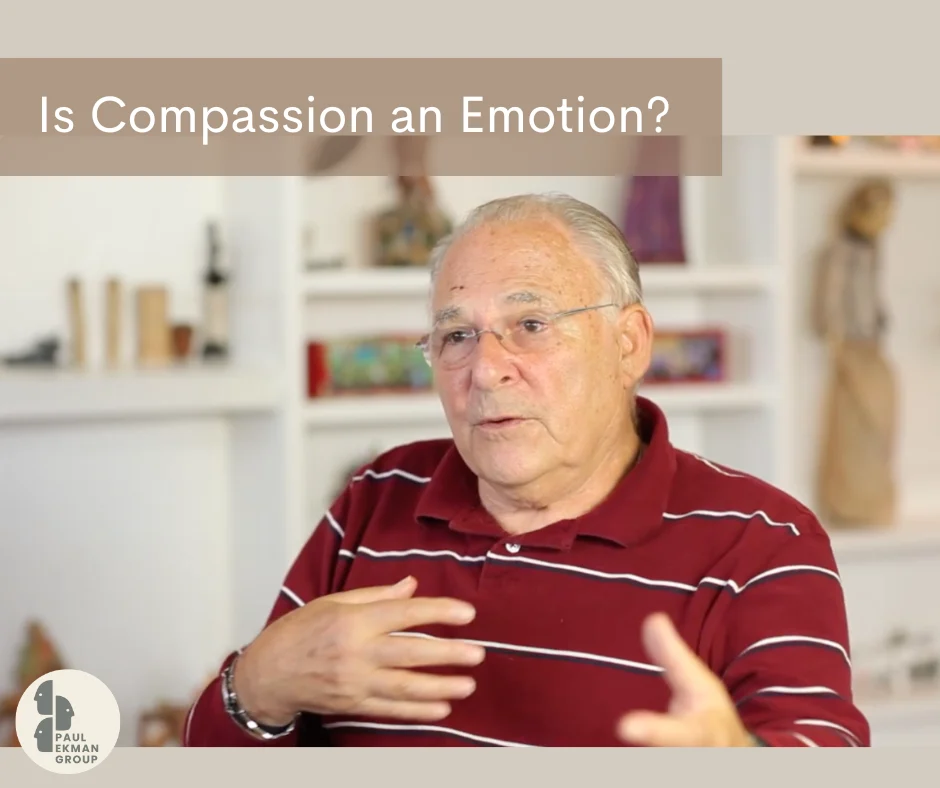
While it often feels good to act compassionately, compassion is distinct from other universal emotions. Understanding how compassion differs from emotion helps clarify why it matters so deeply, and why cultivating it is both possible and necessary. This exploration delves into the nuanced nature of compassion, its evolutionary roots, and its deliberate cultivation, revealing it as a powerful force that can be consciously strengthened to address the pervasive suffering in the world.
Compassion: A Focused Response to Suffering
Unlike fleeting emotions such as joy, anger, or sadness, which can arise from a myriad of triggers and serve diverse psychological functions, compassion possesses a singular, unwavering focus: suffering and the profound motivation to alleviate it. This distinction is crucial. Emotions can be ambivalent, constructive, or even destructive. Compassion, by its very definition, is inherently constructive. Its aim is never to inflict harm, but rather to actively reduce or prevent suffering. This focused intent differentiates it fundamentally from the broader spectrum of human emotional experience, positioning it as a deliberate and action-oriented response to distress.
The psychological definition of compassion highlights this narrow yet potent focus. When we encounter suffering, whether witnessing it directly or learning of it through various channels, a specific psychological state can arise. This state is characterized by an awareness of another’s pain and a desire to help. This desire is not merely a passive feeling; it is a call to action, a drive to intervene and mitigate the negative experience. This intentionality is a hallmark of compassion, setting it apart from emotions that may simply color our perception without necessarily propelling us towards helpful action.
The Three Pillars of Compassion: From Innate Drive to Conscious Choice
The capacity for compassion manifests in distinct forms, each rooted in different aspects of human existence, from our biological imperative to our conscious ethical choices. Understanding these forms provides a framework for appreciating the multifaceted nature of this vital human trait.
1. Familial Compassion: The Evolutionary Imperative
At the most fundamental level, compassion is deeply embedded in our biology through what can be termed familial compassion. This is the powerful, often involuntary, instinctual care we feel for our offspring and immediate kin. It is not a learned behavior in the traditional sense, but rather an evolutionary adaptation that has ensured the survival of our species. The prolonged period of human infancy and childhood, unparalleled in the animal kingdom, necessitates an equally robust and innate drive to protect and nurture the vulnerable.
Consider the primal, unthinking act of a parent rushing into danger to shield a child from harm. In such moments, there is no conscious deliberation, no weighing of risks and benefits. The action is immediate, automatic, a direct response to perceived peril. The only honest explanation for such a sacrifice is an overwhelming, internal imperative: "I had to." This deeply ingrained biological drive is not unique to humans; it is observed in other primates and mammals, underscoring its fundamental role in the continuation of life.
Evolutionary biologists suggest that familial compassion is a cornerstone of species survival. The investment in offspring, particularly during their extended developmental years, requires a powerful biological mechanism to ensure their safety and well-being. This often manifests as a proactive, anticipatory form of care. Parents don’t just react to a child’s pain; they actively work to prevent it. Insisting a child wear a helmet while cycling, for instance, is an act of compassion driven by a cognitive assessment of potential future suffering, rather than an immediate one. This preventive aspect of familial compassion is critical, shaping childhood development and laying the groundwork for future social bonds. Research in developmental psychology consistently highlights the profound impact of parental responsiveness and protective behaviors on a child’s emotional and physical health, demonstrating the tangible benefits of this evolutionary drive.
2. Stranger Compassion: The Cultivated Choice
In contrast to the involuntary nature of familial compassion, stranger compassion emerges as a deliberate and conscious choice. This is the compassion extended to individuals outside our immediate circle of kin, those we do not know personally, and may never encounter again. Actions such as donating to disaster relief funds, volunteering for humanitarian causes, or offering assistance to a stranger in need are not biologically pre-programmed responses. They are products of conscious decision-making, reflecting a cultivated concern for the well-being of others, irrespective of personal connection.
The existence of stranger compassion is not universal in the same way that familial compassion is an evolutionary imperative. While statistics from organizations like the Charities Aid Foundation indicate significant levels of charitable giving and volunteerism in many societies, these actions are not universally practiced. This variability underscores that stranger compassion is not an innate emotion but a capacity that can be consciously developed and exercised. The decision to help someone in distress, even when there is no personal stake, signifies a move beyond instinctual responses towards a more ethically grounded and intentional form of care. This deliberate cultivation is what allows individuals to transcend immediate social circles and contribute to the broader human community. Studies on altruism, such as those by researchers like Abigail Marsh, have explored the psychological underpinnings of helping strangers, often linking it to empathy, prosocial values, and a broader sense of shared humanity.
3. Sentient Compassion: The Widest Embrace
The broadest and perhaps most aspirational form of compassion is sentient compassion. This extends concern beyond human beings to encompass all sentient beings – all creatures capable of experiencing feelings and suffering. Buddhist philosophy often emphasizes this boundless compassion as a central tenet of spiritual practice, advocating for a non-discriminatory concern for all life. Charles Darwin, in his seminal work "The Descent of Man," referred to this expansive form of compassion as humanity’s "highest virtue," recognizing its profound ethical implications.
Sentient compassion challenges anthropocentric views, urging us to consider the suffering of animals and other living beings with the same seriousness we afford to human suffering. This perspective does not necessarily equate the suffering of different species but acknowledges the intrinsic value of their capacity to feel pain and distress. While familial and even stranger compassion may arise more spontaneously for many, achieving sentient compassion typically requires significant introspection, ethical reflection, and sustained practice. Historical figures and contemporary advocates for animal welfare often embody this profound level of care, demonstrating that while it may not be universally experienced without effort, sentient compassion is an achievable ideal. Research in animal behavior and cognition continues to reveal the complex emotional lives of many species, providing a scientific basis for extending our compassionate concern.
The Potential for Growth: Expanding Our Circle of Care
While human beings universally experience a range of emotions, the expression of compassion is not always consistently applied. Our innate capacity for empathy, the ability to understand and share the feelings of another, is a foundation upon which compassion can be built. However, this empathy can sometimes be narrowly focused, extending primarily to those who share our characteristics, beliefs, or affiliations. The "moral task," as articulated by many ethical traditions, involves actively widening this circle of empathy and compassion to encompass all individuals, and indeed, all sentient beings.
The modern world presents both opportunities and challenges in this regard. Increased global connectivity and constant media exposure mean we are more aware of suffering across vast distances than ever before. An hour spent consuming news can expose us to a deluge of images and narratives depicting pain, injustice, and hardship. While this heightened awareness can fuel compassionate action, it can also lead to emotional overwhelm, desensitization, or "compassion fatigue," a state of emotional and physical exhaustion caused by prolonged exposure to suffering. This phenomenon, extensively studied in healthcare and humanitarian professions, highlights the need for strategies to manage and sustain compassionate engagement without succumbing to burnout.
The Significance of Distinction: Cultivating Compassion as a Skill
Understanding compassion as a distinct construct, separate from transient emotions, is crucial for its effective cultivation. While familial compassion may be largely automatic, stranger and sentient compassion are capacities that can be intentionally developed, nurtured, and strengthened. This distinction empowers us to see compassion not as a passive feeling but as an active skill. Through mindfulness practices, ethical education, and deliberate engagement with diverse communities and causes, individuals can expand their capacity to care.
In an era characterized by interconnected global challenges and the pervasive visibility of suffering, the ability to extend compassion thoughtfully and sustainably is arguably one of the most vital skills we can acquire. It is a skill that not only benefits others by alleviating their distress but also enriches our own lives by fostering a deeper sense of connection and purpose. The deliberate practice of compassion, therefore, becomes not merely a moral ideal but a practical necessity for navigating the complexities of the 21st century and building a more humane and resilient world. The scientific exploration of compassion, including its neurological underpinnings and its impact on well-being, continues to grow, offering further evidence of its profound importance.
