

The ongoing conflict in Ukraine has drawn individuals from across the globe, motivated by a complex tapestry of ideological conviction, humanitarian concern, and personal circumstance. Among these international volunteers are a significant number of Latin Americans who have chosen to take up arms in defense of Ukraine. The podcast series "Call Sign Condor" / "Alias Cóndor," a compelling collaboration between DW, LA Times Studios, and Futuro Studios, delves into the profound personal narratives of these soldiers, exploring the multifaceted reasons behind their participation and the enduring impact of their wartime experiences.
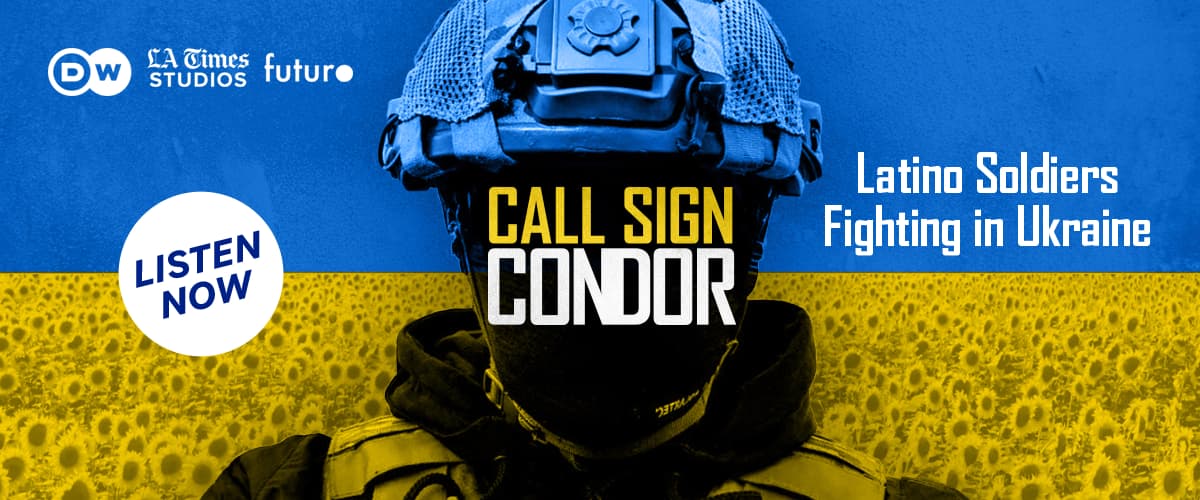
This four-part series, available in both English and Spanish, centers on the journey of a protagonist codenamed "Condor" and his fellow Latin American fighters. It offers an unflinching look at their lives on the front lines, illustrating the sacrifices, the camaraderie, and the profound emotional toll of a war that has reshaped global geopolitics. The podcast aims to illuminate the human dimension of this international conflict, moving beyond the strategic and political analyses to highlight the personal motivations and the search for purpose among those who have left their homes to fight for a foreign land.

The Allure of the Front Lines: Motivations and Ideals

The decision to join a foreign military conflict is rarely simple. For Latin American volunteers in Ukraine, a confluence of factors likely contributes to their commitment. Geopolitical instability and economic hardship in various Latin American nations may drive individuals to seek opportunities elsewhere, whether for financial gain, a sense of purpose, or escape from domestic challenges. However, the specific context of the war in Ukraine—a widely condemned invasion by Russia—suggests that ideological motivations also play a significant role. Many may feel a strong moral imperative to defend a nation against what they perceive as unprovoked aggression and a threat to international law and democratic values.

"Call Sign Condor" / "Alias Cóndor" seeks to unpack these motivations through the intimate stories of its subjects. Host Carolina Chimoy navigates the personal histories of these soldiers, investigating what initially drew them to Ukraine, how they have adapted to the brutal realities of combat, and what they have ultimately found in the crucible of war. The series explores themes of belonging, the search for identity, and the enduring human capacity for resilience in the face of extreme adversity.

A Multifaceted Narrative: Fear, Loss, and Love

The podcast does not shy away from the grim realities of warfare. It portrays the pervasive atmosphere of fear that accompanies constant threat, the profound grief that follows the loss of comrades, and the psychological scars that inevitably mark those who witness and participate in combat. Yet, amidst this darkness, the series also highlights moments of profound human connection. The intense bonds forged between soldiers, the shared experiences that create a sense of chosen family, and even the unexpected blossoming of love amidst chaos are all integral to the narrative. These elements underscore the complex emotional landscape of war, where human vulnerability and strength coexist.

The series’ creators, DW, LA Times Studios, and Futuro Studios, have a track record of producing in-depth journalistic content that explores critical global issues. Their collaboration on "Call Sign Condor" / "Alias Cóndor" signifies a commitment to providing nuanced and human-centered reporting on the war in Ukraine, aiming to foster greater understanding of the diverse individuals involved.
Broader Context and Implications

The presence of foreign fighters in Ukraine is not a new phenomenon, but the scale and diversity of participants, including those from Latin America, reflect the increasingly interconnected nature of global conflicts. These individuals represent a spectrum of motivations, from ideological solidarity with Ukraine to a desire for adventure or a sense of duty. Their involvement raises important questions about international law, the ethics of foreign intervention, and the personal sacrifices made by those who engage in such conflicts.

The podcast’s exploration of these themes has significant implications. It offers a counter-narrative to simplified portrayals of the conflict, emphasizing the individual human stories that often get lost in the broader geopolitical discourse. By focusing on the experiences of Latin American soldiers, "Call Sign Condor" / "Alias Cóndor" also sheds light on the global reach of the war and the diverse pathways that lead individuals to engage in international conflicts.

The Podcasting Landscape: A Platform for Deep Storytelling

The choice of the podcast medium for this narrative is particularly apt. Podcasts offer an intimate and immersive listening experience, allowing for in-depth exploration of complex human experiences. The serial format of "Call Sign Condor" / "Alias Cóndor" enables listeners to develop a deeper connection with the subjects and follow their journeys over time, fostering empathy and understanding.

This project also highlights the growing prominence of audio storytelling in covering major global events. As audiences increasingly seek out diverse and in-depth perspectives, podcasts provide a vital platform for investigative journalism and personal testimony. The collaborative effort behind this series further demonstrates the power of cross-platform partnerships in bringing compelling stories to a global audience.

Looking Ahead: The Enduring Impact of War

The stories presented in "Call Sign Condor" / "Alias Cóndor" are not merely accounts of past events; they are reflections on the enduring impact of war on individuals and communities. The experiences of these Latin American soldiers in Ukraine will undoubtedly shape their lives long after the conflict subsides. The podcast serves as a crucial reminder of the human cost of war and the profound personal journeys undertaken by those who find themselves on its front lines, seeking meaning, purpose, and belonging in the most challenging of circumstances. The series, available in both English and Spanish, ensures accessibility to a wide range of audiences, fostering international dialogue and understanding around this critical geopolitical event.
