

The persistent challenge of finding dedicated time for speech and language skill development in children has long occupied parents and speech-language pathologists alike. In an increasingly busy world, the daily commute, often perceived as lost time, is now being recognized as a potent, distraction-free environment for fostering crucial communication abilities. This strategic re-evaluation of car journeys transforms routine travel into intentional learning opportunities, directly supporting children in achieving their speech and language goals.
The Growing Imperative for Speech and Language Development
Speech and language disorders are among the most common developmental challenges affecting children, with estimates from the Centers for Disease Control and Prevention (CDC) indicating that between 8% and 9% of children aged 3-17 years in the United States have a speech, language, voice, or swallowing disorder. Early intervention is paramount, as untreated delays can significantly impact academic performance, social-emotional development, and overall quality of life. While formal therapy sessions with Speech-Language Pathologists (SLPs) form the cornerstone of intervention, the effectiveness of these sessions is greatly amplified by consistent practice and generalization of skills in natural, everyday settings. This "carryover" from clinic to home environment is a critical factor in a child’s progress.
However, parents frequently face hurdles in integrating therapeutic activities into their already packed schedules. The demands of work, school, extracurricular activities, and household chores often leave little room for structured practice, leading to parental overwhelm and a potential reliance on passive entertainment options like screens during travel. Recognizing this gap, experts are increasingly advocating for innovative, low-preparation strategies that seamlessly blend into daily routines, making skill development accessible and sustainable for families. The car, paradoxically, emerges as an ideal, often overlooked, informal learning space.
The Unique Advantages of In-Car Language Practice
The environment within a car offers several distinct advantages for speech and language development, making it a favored setting for many SLPs and parents. Firstly, it inherently reduces external distractions. Unlike a busy home environment filled with toys, television, or siblings, the car cabin provides a relatively contained and focused space. This allows children and parents to engage in one-on-one interaction without constant interruptions, fostering deeper concentration and more meaningful communication exchanges.
Secondly, car rides naturally encourage conversational rhythm. The confined space and shared experience of travel lend themselves to back-and-forth dialogue. This organic conversational flow is crucial for developing pragmatic language skills – the social rules of language – such as turn-taking, initiating conversation, maintaining topics, and responding appropriately. Children learn to listen, process information, and formulate responses in a dynamic, real-time context.
Furthermore, the passing scenery and road signs offer a rich, natural context for vocabulary expansion. Objects, actions, and concepts observed outside the window provide tangible reference points for new words and ideas, facilitating semantic development. A child can point to a "truck" or describe a "fast car," connecting language directly to their immediate environment. This experiential learning is often more effective than abstract instruction, as it grounds new vocabulary in concrete observations. The elimination of "boredom" often cited by parents is a secondary, yet significant, benefit, transforming potentially restless periods into productive engagement. The average American spends approximately 29 minutes commuting to work each way, totaling nearly an hour daily. For families, these figures are often higher when factoring in school drop-offs, errands, and other travel, representing a substantial, untapped reservoir of time for interactive learning.
Three Effective Strategies for Car-Based Speech and Language Practice
Leveraging these inherent advantages, here are three straightforward yet impactful activities designed to integrate speech and language practice into car rides, particularly beneficial for children with speech or language delays. These strategies, often shared through professional resources like parent handouts, empower families to reinforce therapeutic goals subtly within their daily lives.
1. The Grocery Game: Mastering Question Formation
The ability to ask questions is fundamental to communication, critical thinking, and information acquisition. "The Grocery Game" is a playful method to target question formation, a common area of difficulty for children with language delays who may struggle with correct word order or appropriate question types.
- How to Play: One player secretly chooses an item typically found in a grocery store. Other players take turns asking yes/no or "wh-" questions to deduce the item. For instance, "Is it in the freezer aisle?", "Is it a type of vegetable?", "Do you drink it?", "Can you eat it for breakfast?"
- Targeted Skills:
- Question Formation (Grammar/Syntax): Directly addresses the structural aspects of asking questions, helping children correctly order words (e.g., "Do you…" vs. "You do…").
- Functions: Promotes understanding of an object’s purpose (e.g., "Does it melt?").
- Actions: Encourages linking verbs to objects (e.g., "Do you bite it?").
- Categories: Reinforces semantic categorization skills (e.g., "Is it a fruit?").
- Associates: Develops understanding of relationships between items (e.g., "Is it something that goes on bread?").
- Vocabulary Expansion: Naturally introduces new words related to food, store sections, and descriptive adjectives.
- Educational Rationale: This game not only hones grammatical structures but also strengthens inferential reasoning and semantic networks. By asking questions, children learn to seek information systematically, a vital skill for academic success and social interaction. Parents can model different question types, guiding the child from simple yes/no questions to more complex "wh-" questions (who, what, where, when, why, how), thereby scaffolding their linguistic development.
2. Red Light Race: Articulation Practice Through Auditory Bombardment
Articulation difficulties, where children struggle to produce specific speech sounds correctly, are a common focus in speech therapy. "Red Light Race" provides a dynamic and engaging platform for practicing target sounds in a repetitive, low-pressure manner, utilizing the natural pauses of a car journey.
- How to Play: When the car stops at a red light, players take turns naming as many items as they can within a chosen category, ensuring each item includes a specific target sound (e.g., the "s" sound). One person names, the other counts. For example, if the target sound is /s/, and the category is "animals," responses might include "snake," "spider," "seal," "mouse," "horse."
- Targeted Skills:
- Articulation: Direct, repetitive practice of specific phonemes (speech sounds) in various word positions.
- Auditory Bombardment: The adult’s modeling of words containing the target sound provides intensive auditory input, helping the child internalize the sound’s correct production and identify it when heard. This technique is clinically proven to improve phonological awareness and sound discrimination.
- Vocabulary: Expands lexicon within specific categories.
- Categorization: Reinforces the ability to group items by shared characteristics.
- Educational Rationale: This game is particularly effective due to the concept of auditory bombardment, a cornerstone of articulation therapy. By hearing the target sound modeled correctly and frequently, children develop a clearer phonological representation of the sound, which in turn aids their own production. The competitive yet fun nature of the "race" motivates engagement, while the category structure ensures a diverse range of words for practice. Broad categories like "animals," "foods," "things you wear," or "places you go" can be tailored to incorporate a wide array of target sounds and complexity levels. For instance, a child working on the /r/ sound might focus on categories like "red things" or "things in a restaurant."
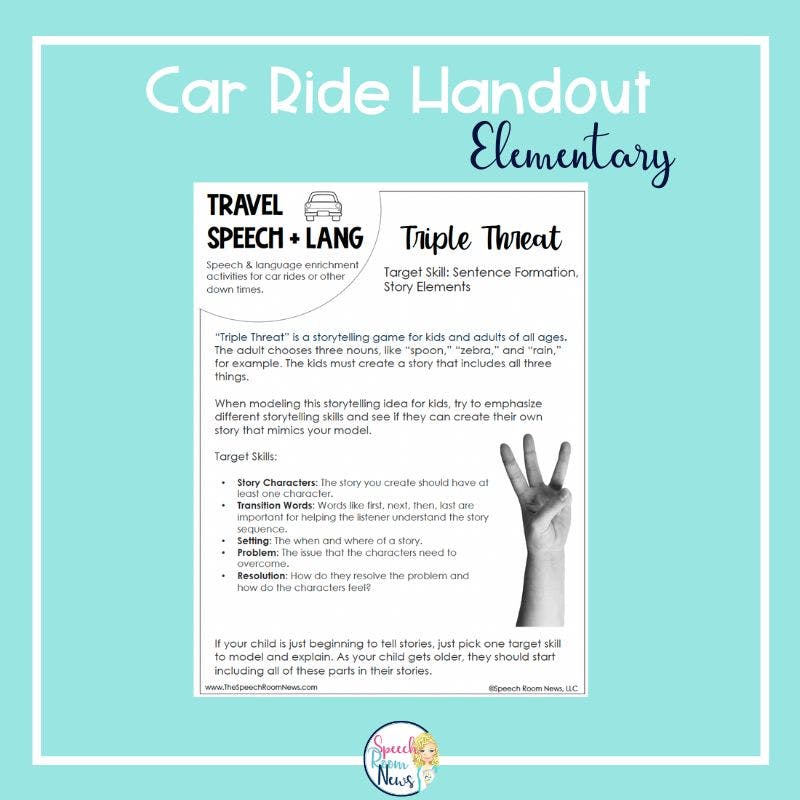
3. Triple Threat: Fostering Sentence Formation and Narrative Skills
Developing coherent sentences and narratives is crucial for effective communication, academic writing, and social storytelling. "Triple Threat" challenges children to weave seemingly disparate elements into a cohesive story, promoting creativity and complex language use.
- How to Play: The adult provides three unrelated nouns (e.g., "dog," "milk," "bike"). The child’s task is to create a short story that incorporates all three items. The sillier the story, the better!
- Targeted Skills:
- Sentence Formulation: Encourages the construction of grammatically correct and increasingly complex sentences.
- Story Retell/Narrative Skills: Develops the ability to sequence events, create a plot, introduce characters, and establish cause-and-effect relationships. This is a foundational skill for reading comprehension and written expression.
- Vocabulary Integration: Requires children to flexibly use and connect different vocabulary items within a meaningful context.
- Creativity and Imagination: Stimulates imaginative thinking and problem-solving as children invent scenarios to link the given words.
- Syntax and Semantics: Strengthens understanding of how words combine to create meaning and how sentences are structured.
- Educational Rationale: Narrative skills are highly predictive of later literacy success. This activity provides a scaffolded approach to storytelling, moving beyond simple sentence repetition to generative language use. Parents can guide children by asking open-ended questions like "What happened next?" or "Why did the dog need the milk?" to expand the narrative and introduce more complex plot elements. For older children, the complexity can be increased by adding adjectives, adverbs, or even verbs to the "threat" list, challenging them to integrate more diverse parts of speech.
The Broader Implications and Expert Perspectives
These car-based activities represent a broader shift in speech-language pathology towards naturalistic intervention and parent-as-therapist models. SLPs universally stress the importance of "carryover" – the application of skills learned in therapy to real-world situations. Without consistent practice outside the clinic, progress can be slow or limited. By providing parents with accessible, fun, and practical strategies, SLPs empower them to become active participants in their child’s therapeutic journey, significantly enhancing outcomes.
According to Dr. Sarah Miller, a pediatric SLP, "The car provides an invaluable, often overlooked, window of opportunity. It’s a space where screens can be put away, and genuine interaction can flourish. When parents are equipped with simple, effective games, they transform mundane commutes into powerful learning moments. This not only accelerates a child’s progress but also strengthens the parent-child bond through shared, playful learning."
Furthermore, these activities address the pervasive concern of excessive screen time. While digital resources have their place, interactive verbal games promote active engagement, auditory processing, and conversational skills that passive screen consumption often neglects. They encourage joint attention and shared focus, fostering vital social communication foundations.
Accessible Resources for Parents and Professionals
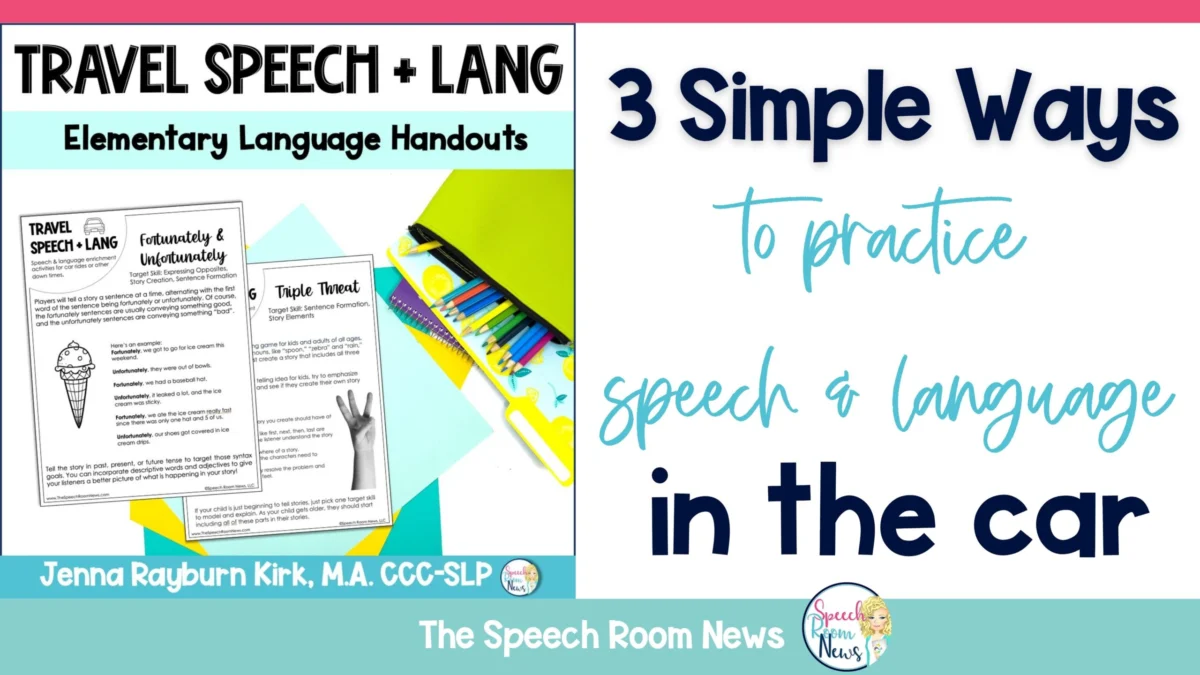
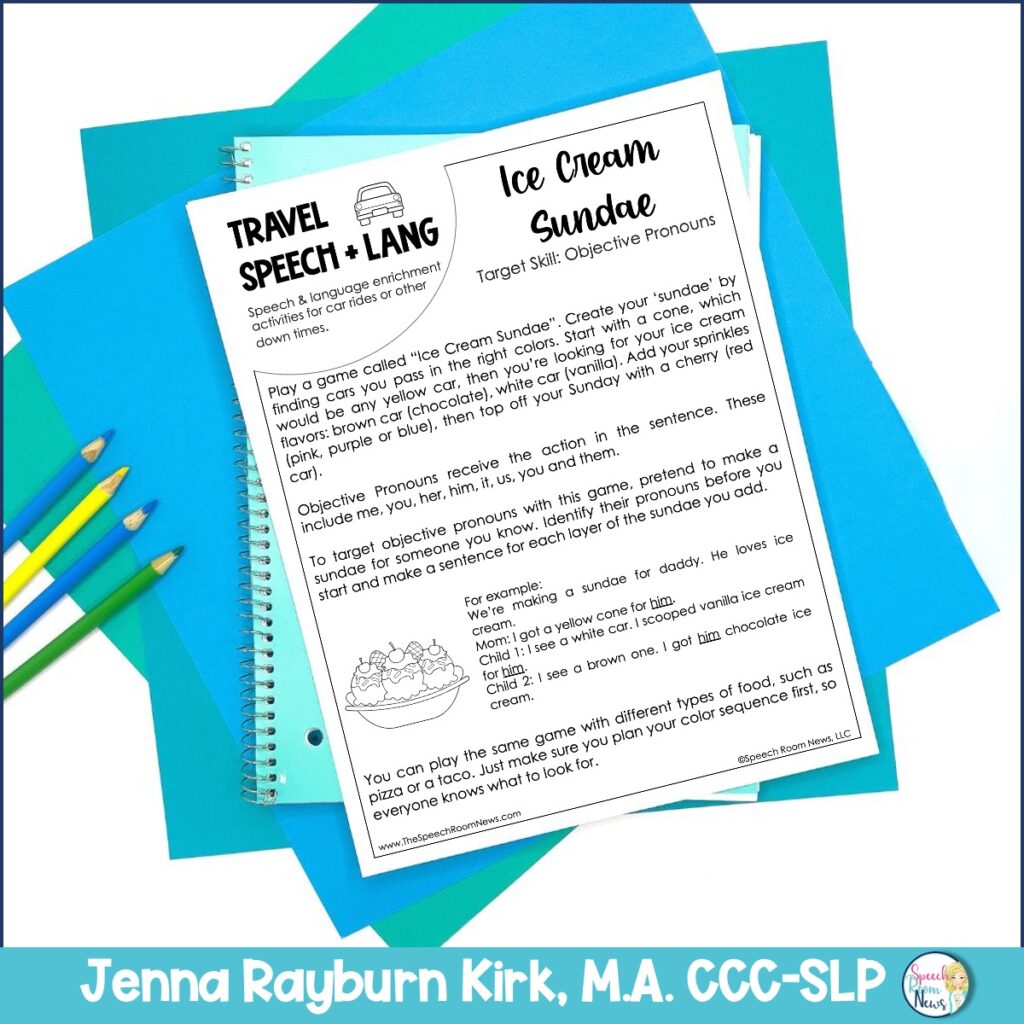
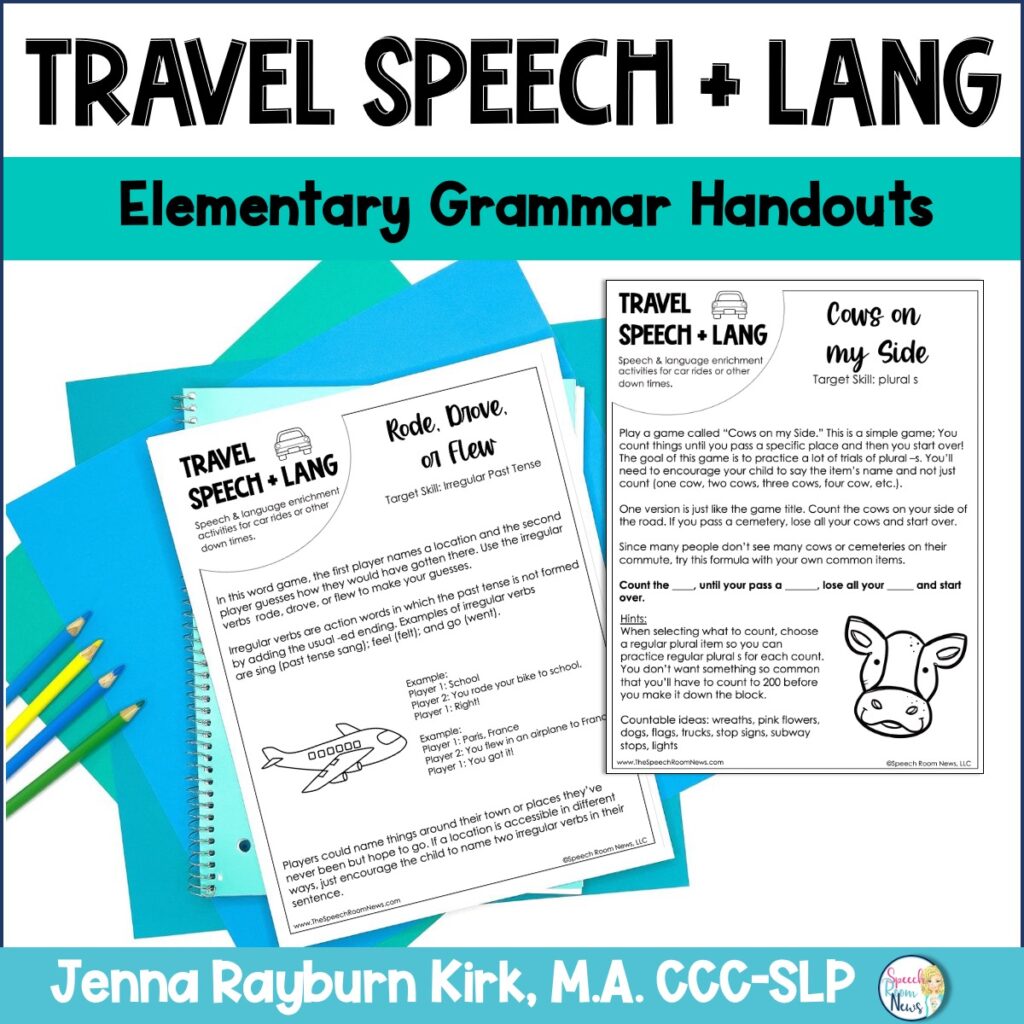
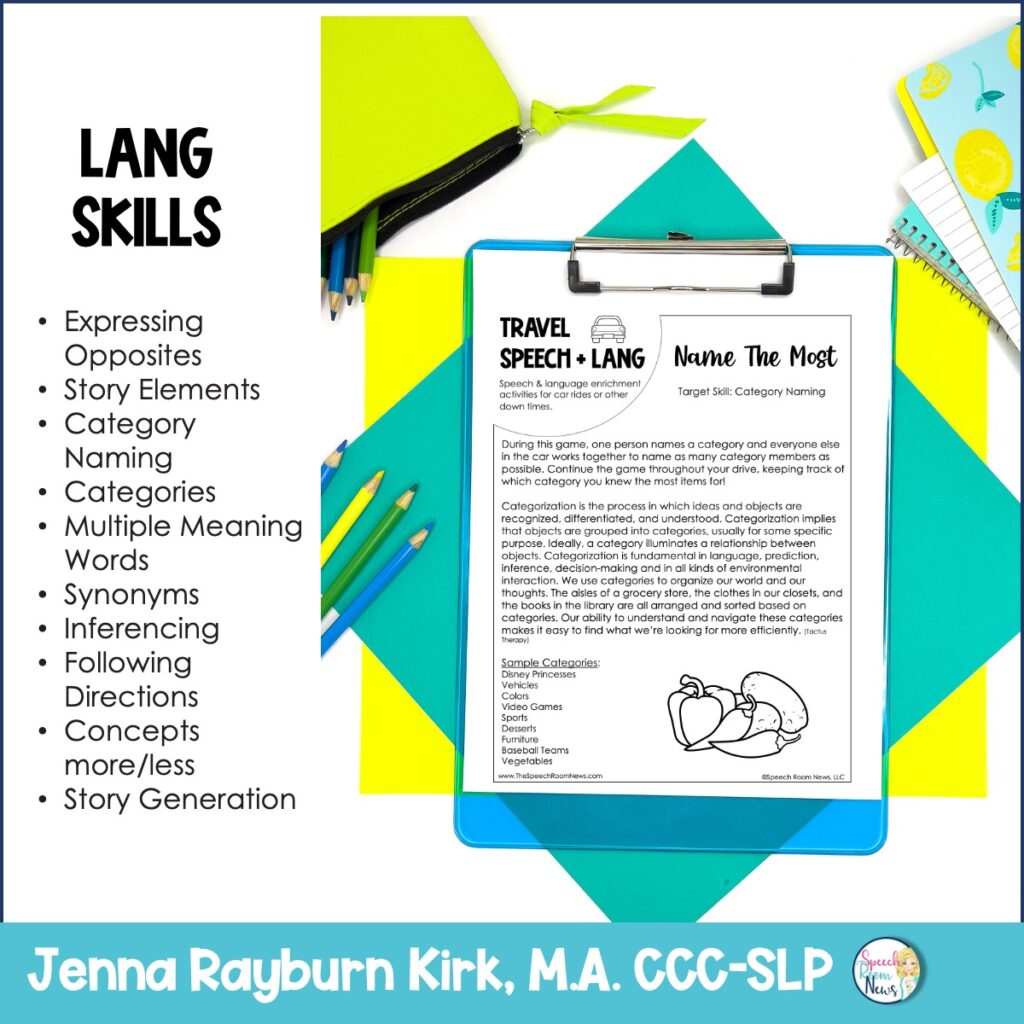
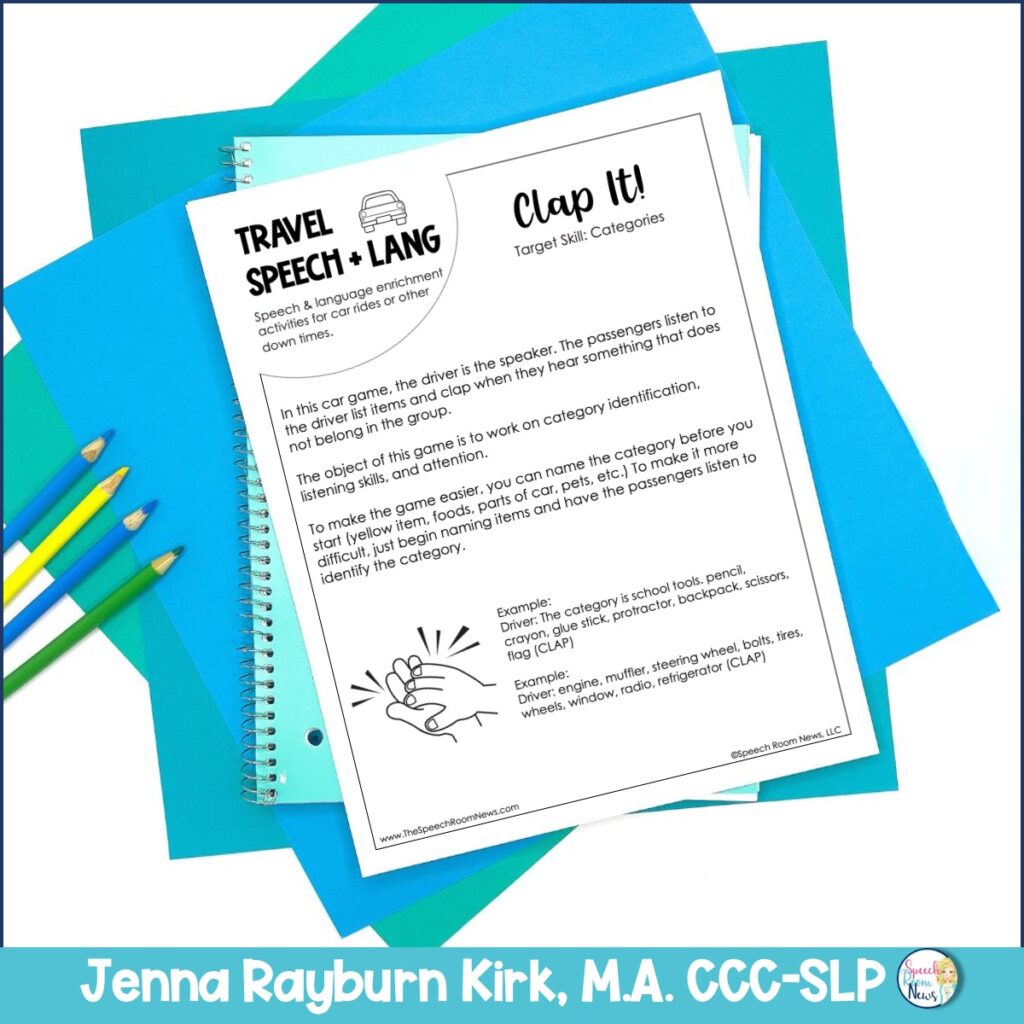
Recognizing the need for structured guidance, resources such as the "Travel Speech and Language Bundle" are becoming indispensable tools for both parents and speech-language professionals. This comprehensive collection offers over 30 parent handouts, each detailing practical explanations and multiple examples for integrating various speech and language games into car rides and other travel scenarios.
For Speech-Language Pathologists, these bundles offer a time-saving solution, providing ready-made resources to share with families on their caseload. These handouts can be posted on bulletin boards, sent home after sessions, or discussed during parent conferences, ensuring that parents have concrete, actionable strategies to support their child’s development. This proactive approach helps bridge the gap between clinical intervention and daily life, ensuring consistent reinforcement of therapeutic goals.
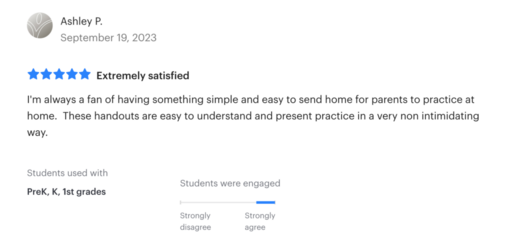
For parents, these resources demystify the process of supporting speech and language development, offering clear, easy-to-understand instructions for games that target specific skills. The detailed examples help parents feel confident in their ability to implement these activities effectively, turning potentially challenging commutes into enjoyable and productive learning experiences. Access to a free sample from such bundles, often available through online resource libraries, allows parents and professionals to explore the utility of these materials before full adoption, demonstrating a commitment to practical, evidence-based support.
Conclusion
In the dynamic landscape of childhood development, every moment holds potential for growth. By reframing the daily car commute from a mere transit period to a vibrant learning environment, parents can significantly contribute to their child’s speech and language progress. Simple, engaging activities like "The Grocery Game," "Red Light Race," and "Triple Threat" offer targeted practice for essential skills such as question formation, articulation, sentence construction, and narrative abilities. Supported by expert guidance and accessible resources, these consistent, low-effort interventions empower families to weave therapeutic practice seamlessly into the fabric of everyday life, fostering confident communicators and enriching the journey for all. The commitment to maximizing these ordinary moments underscores a profound dedication to nurturing a child’s full communication potential, one car ride at a time.
