

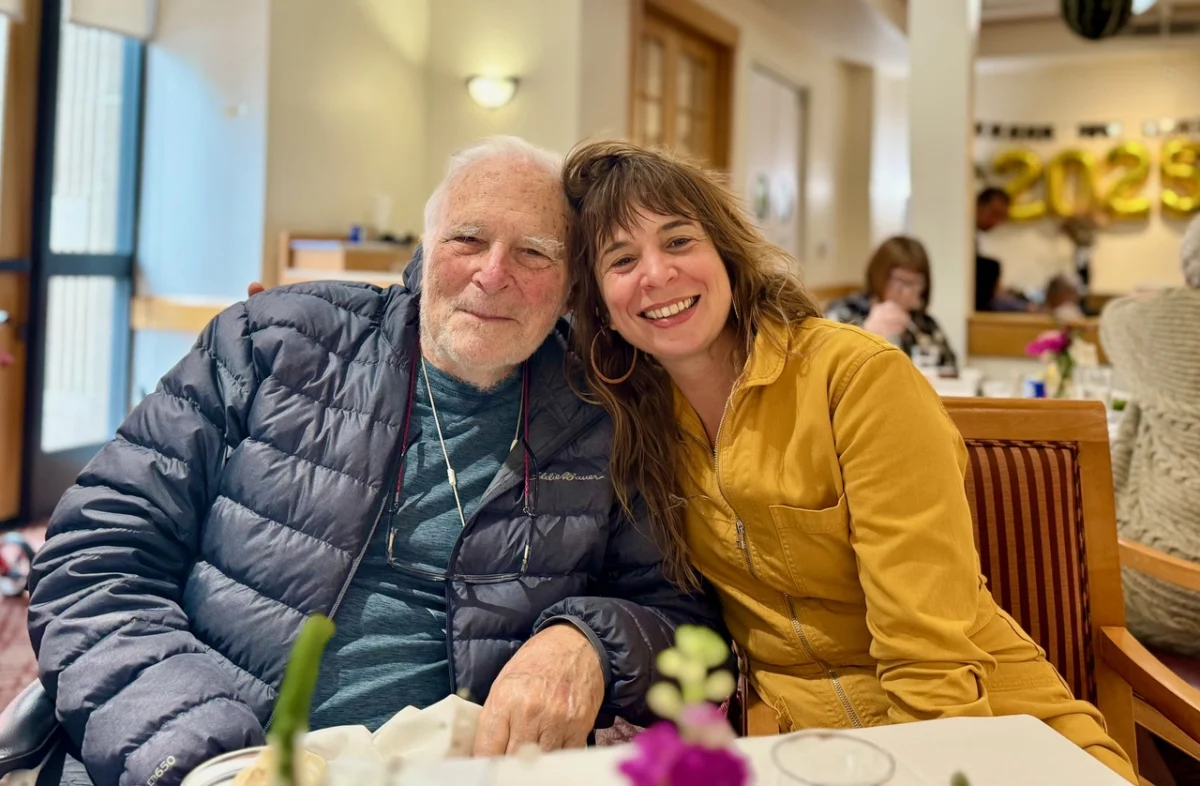
The passing of Dr. Paul Ekman, a pioneering figure in the study of human emotion, has prompted widespread reflection on his monumental scientific contributions and, perhaps more intimately, his deeply personal journey of transformation. While his seminal work on universal facial expressions and microexpressions reshaped fields from psychology to national security, a fuller understanding of his legacy emerges from the integration of his rigorous scientific inquiry with a profound personal evolution, particularly in his later years. This evolution, marked by a significant shift in his personal understanding and application of emotional regulation, offers a compelling narrative of growth and a testament to the human capacity for change.
Dr. Ekman, a distinguished professor emeritus of psychology at the University of California, San Francisco, and a visiting scholar at the University of California, Berkeley, passed away, leaving behind a legacy that extends far beyond his academic accolades. His daughter, Eve Ekman, a clinical social worker and collaborator, has shared a more intimate perspective, emphasizing not only his scientific impact but also his personal growth, his dedication to his family, and his commitment to reducing human suffering.
A Life Shaped by Early Adversity and a Dedication to Understanding Emotion
Paul Ekman’s life was marked by profound early experiences that, as his daughter notes, significantly shaped his lifelong pursuit of understanding human emotion. Born into circumstances that presented significant childhood trauma and loss, Ekman was driven by an innate desire to become the kind of supportive and present parent he himself had lacked. This personal imperative fueled his academic endeavors, leading him to dedicate his career to dissecting the complexities of human emotional expression and regulation. His approach, characterized by meticulous research and an insatiable curiosity, aimed to equip individuals with the tools to navigate their internal landscapes and, consequently, to foster greater understanding and empathy in their interactions with others.
His marriage to Eve Ekman’s mother, who also pursued a distinguished academic career at UC Berkeley, was a cornerstone of his life, spanning 41 years until her death in 2020. This enduring partnership, described by their daughter as one filled with "absolute blast of a life," underscored his capacity for deep and abiding love, a quality that he consistently strove to embody in all his relationships.
The Dharamsala Dialogue: A Turning Point in Scientific and Personal Understanding
A pivotal moment in Dr. Ekman’s intellectual and personal development occurred in 2000 during a landmark meeting in Dharamsala, India. This gathering, which brought together Dr. Ekman, His Holiness the Dalai Lama, and a distinguished group of scientists and contemplative practitioners, focused on the theme of "Destructive Emotions." For Dr. Ekman, this experience proved to be profoundly transformative, fundamentally altering his perspective on the human psyche and his own internal experiences.
Prior to this meeting, Dr. Ekman had publicly acknowledged his own struggles with anger earlier in his life. However, the insights gleaned from the Dharamsala dialogue initiated a significant shift, providing him with an "unmistakable, embodied sense" of what it might feel like to live with reduced reactivity and anger. He frequently spoke of this moment, describing it as an experience that defied simple explanation but profoundly impacted his understanding of emotional regulation and its potential for personal liberation.
The Dalai Lama’s consistent advocacy for the application of Buddhist contemplative practices to reduce suffering by fostering emotional understanding and cultivating a calm mind resonated deeply with Dr. Ekman. He embraced the Dalai Lama’s vision of kindness as the most "truly sane thing in an interconnected world," integrating this philosophy into his subsequent scientific endeavors.
Cultivating Emotional Balance and the Atlas of Emotions: Bridging Science and Contemplation
The transformative encounter in Dharamsala laid the groundwork for a new phase in Dr. Ekman’s career, one that saw a meaningful integration of his decades of empirical research with the ancient wisdom of contemplative traditions. This period was characterized by a deepened commitment to developing practical tools for emotional well-being, driven by his scientific curiosity and his earnest desire to help others achieve a similar sense of freedom from emotional distress.
Working alongside his daughter, Eve, Dr. Ekman co-developed "Cultivating Emotional Balance" (CEB). This evidence-based training program, designed to enhance emotion regulation and foster compassion, emerged directly from the interdisciplinary dialogue initiated in Dharamsala. CEB has since been implemented globally, reaching a diverse range of individuals and communities. Its success underscores Dr. Ekman’s commitment to translating complex scientific findings into accessible and actionable interventions.
Furthering this mission, Dr. Ekman and Eve collaborated on the creation of the "Atlas of Emotions," a free online resource designed to build a more nuanced vocabulary for understanding and describing our emotional lives. Commissioned by the Dalai Lama in 2016, the Atlas is poised for a relaunch on its tenth anniversary, a testament to its enduring relevance and impact. Both CEB and the Atlas of Emotions embody Dr. Ekman’s ultimate goal: to empower individuals with a greater understanding of their emotions, thereby facilitating the reduction of suffering for themselves and for others.
Addressing Scientific Discourse and Reframing the Narrative
In the wake of his passing, Dr. Ekman’s daughter expressed concern that some public accounts of his work, specifically referencing a New York Times obituary, had framed his extensive contributions through the lens of "controversy." She argued that such framing, by centering on a single dissenting opinion rather than the vast body of peer-reviewed research that has replicated and expanded upon his findings, misrepresented the breadth and depth of his scientific impact.
Dr. Ekman, a proponent of scientific dialogue, welcomed disagreement as an integral part of the research process. However, his daughter emphasized that a comprehensive understanding of his legacy necessitates acknowledging the hundreds of studies and dozens of laboratories that have built upon his foundational work. His research has significantly advanced global understanding of human emotion across a multitude of disciplines, including psychology, neuroscience, medicine, anthropology, national security, animation, and everyday life.
A Legacy of Scientific Rigor and Profound Personal Growth
Paul Ekman’s life was a testament to the power of scientific inquiry in service of humanity. His meticulous research into the universality of facial expressions, the identification of microexpressions, and the classification of emotions provided foundational knowledge that continues to inform research and practice worldwide. His work has been instrumental in fields as diverse as law enforcement, where the ability to detect deception is paramount, to the development of more emotionally intelligent artificial intelligence.
However, his legacy is equally defined by his profound personal transformation. Having navigated significant childhood adversity, he dedicated himself to becoming the father he never had, demonstrating a commitment to presence, curiosity, and unwavering support for his children. His journey from struggling with anger to embodying a life of greater calm and compassion, inspired by his engagement with contemplative traditions, serves as a powerful illustration of the human capacity for profound personal change.
He was a collaborator who masterfully bridged the gap between ancient wisdom and modern science, fostering a deeper understanding of the human condition. His final decades were dedicated to not only studying but also actively practicing and embodying a life characterized by reduced anger and increased compassion.
A Complex, Imperfect, and Inspiring Human Being
The narrative of Paul Ekman is one of a scientist of immense influence, a father who rebuilt himself from difficult beginnings, and a man who visibly and profoundly transformed over time. He was a collaborator who united disparate fields of knowledge and a human being who, in his later years, actively cultivated a life of less reactivity and more kindness.
He was, like all individuals, complex and imperfect. Yet, he was also kind, brave, humorous, endlessly curious, and deeply committed to improving the world. His daughter’s hope is that this fuller portrait—one that encompasses both his monumental scientific achievements and his deeply personal journey of transformation—will be remembered alongside his professional contributions. Ultimately, Paul Ekman’s story is that of a human being who devoted his life to understanding emotion and expanding compassion, a lifelong learner who continuously sought to love well.
The outpouring of well wishes from near and far serves as a powerful testament to the profound impact Dr. Ekman and his work have had on countless individuals, affirming the enduring significance of his contributions to science and to the human spirit.
