


Securing budget approval stands as a foundational prerequisite for virtually any organizational endeavor, from pioneering product development and market expansion to fortifying internal operational systems and amplifying a company’s global narrative. This critical juncture, where ambitious ideas transition from conceptualization to tangible reality, hinges not merely on financial projections but profoundly on the compelling articulation of why decision-makers should invest in a specific vision. In an era marked by intense fiscal scrutiny and competitive landscapes, the ability to present a budget proposal that transcends mere financial figures and paints a vivid picture of future possibilities has become an indispensable skill for driving corporate progress.
The Evolving Landscape of Budget Approval
Historically, budget conversations within corporate structures have been predominantly quantitative, dominated by spreadsheets, dashboards, and meticulous analyses of immediate return on investment (ROI). Budget approvers, typically senior executives, CFOs, and board members, operate under immense pressure. Their primary mandate is fiduciary responsibility—safeguarding company assets, optimizing shareholder value, and mitigating financial risks. This inherent focus often narrows discussions to the bottom line, making it challenging for proponents of innovative or transformative projects to convey the full spectrum of their ideas’ potential.
Data from various industry reports consistently highlights the precarious nature of project funding. A significant percentage of promising initiatives fail to secure the necessary capital, not always due to a lack of merit, but often because their value proposition is inadequately communicated. According to a 2023 survey by PwC, while 85% of executives acknowledge the importance of innovation, only 42% believe their organizations are effective at converting ideas into funded projects. This gap underscores a critical disconnect between strategic intent and execution, frequently rooted in the budget approval process. The inherent risk aversion in corporate finance dictates that proposals must not only demonstrate financial viability but also inspire confidence and a clear understanding of long-term strategic alignment.
The Power of Narrative: Beyond the Dollar Sign
In this demanding environment, a growing consensus among business leaders and communication strategists suggests that raw data, while essential, is insufficient on its own. It is the narrative that transforms abstract numbers into a compelling vision, enabling decision-makers to perceive a "patch of dirt" as a flourishing garden of opportunity. The human brain is inherently wired for stories; narratives enhance memory, foster emotional connection, and simplify complex information, making them far more persuasive than bullet points or charts alone.

The shift in approach involves guiding budget approvers beyond the transactional nature of project allocations and fiscal calendars. It requires illuminating the profound impact their approval could yield, akin to stepping from a monochrome existence into a world of "full technicolor," much like Dorothy’s iconic transition into Oz. This holistic perspective, blending financial prudence with aspirational storytelling, is increasingly recognized as a cornerstone of successful strategic communication. Securing funding is not merely about gaining approval; it’s about earning time, resources, and, crucially, organizational backing—the triumvirate of ingredients for any successful project. To achieve this, three distinct narrative techniques are emerging as pivotal in bringing projects to life and securing essential investment.
1. Positioning Approvers as Architects of ROI and Vision
It is a common misconception that budget seekers merely need to explain how money will be spent. The true objective is to demonstrate how that investment will reappear, not just as a quantifiable return on investment, but as amplified value across multiple dimensions. While precise future prediction is impossible, a well-crafted narrative helps budget approvers align their expectations with a clear, inspiring vision. Just as film producers scrutinize scripts and storyboards before bankrolling a motion picture, corporate decision-makers require a vivid "final cut" of the project’s potential.
Consider the cinematic analogy: before Christopher Nolan embarked on large-scale epics, he honed his craft with projects like The Prestige. This 2006 film, based on Christopher Priest’s novel, depicts a rivalry between two magicians and famously opens with Michael Caine’s character describing the three parts of a magic trick: the Pledge (presenting something ordinary), the Turn (making it do something extraordinary), and the Prestige (making it reappear, often in an unexpected way).
Applying this structure to budget proposals can be transformative. The "Pledge" of a budget proposal is the initial investment—the dollar amount requested. The "Turn" involves the meticulous execution, the challenges overcome, and the resources deployed. The "Prestige" is the spectacular outcome: the ROI, the innovation, the market leadership, and the cultural capital generated. This narrative arc should convey spectacle and tangible results while addressing the budget-approvers’ core hopes (growth, success) and fears (risk, failure).
A purely data-driven pitch might state: "With a $40 million budget, the film could gross upwards of $100 million at the box office, achieve a runtime of 130 minutes, and ultimately aggregate a 76% on Rotten Tomatoes based on 208 reviews." While precise, this factual statement lacks resonance.
In contrast, a narrative-rich proposal might offer: "With your crucial approval of our $40 million budget, this film will be a stunning reimagining of Christopher Priest’s award-winning novel, featuring stellar performances from Hugh Jackman, Christian Bale, Scarlett Johansson, Michael Caine, and David Bowie in a role reminiscent of his iconic performance in Labyrinth. This adaptation demands painstaking detail, but its cross-over appeal into fantasy and science fiction genres, coupled with the combined star-power of its cast, will attract diverse global audiences. Given the caliber of craft and talent behind this project, we project it will delight and puzzle generations of viewers, earn critical accolades, and achieve over 200% ROI at the box office and beyond, establishing a new benchmark in cinematic storytelling."
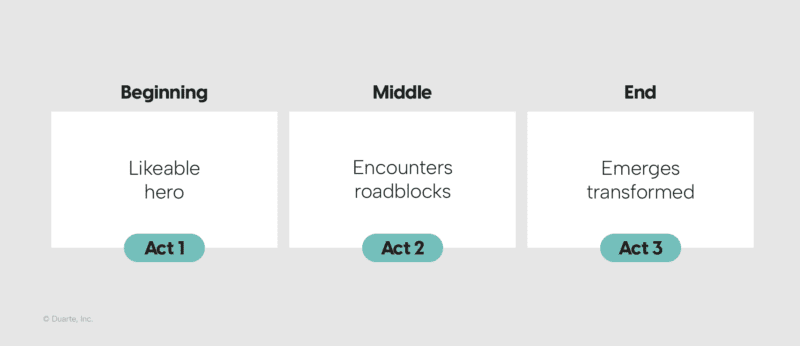
The second example reframes the budget approver as an indispensable hero, the catalyst who sets the entire process in motion. It acknowledges the challenges inherent in ambitious projects and transforms a mere dollar figure into a fully formed vision of the finished product. This approach elevates the pitch beyond simple financial metrics, incorporating loftier dimensions like legacy, brand reputation, and cultural impact. It shifts the conversation from merely funding a project to investing in a future legacy.
2. The Art of the "Called Shot": Demonstrating Confidence and Credibility
Presenting a budget story demands the confidence of a seasoned professional. This is not about making unsubstantiated claims, a pitfall tragically illustrated by incidents like the Fyre Festival debacle. Rather, it is about communicating a deep understanding of capabilities, a clear strategy for overcoming challenges, and a proven track record. Budget approvers need to be convinced not just of the project’s potential, but of the team’s unwavering capacity to deliver. This requires a blend of swagger and substantive skill.
The legendary "called shot" by Babe Ruth in Game 3 of the 1932 World Series serves as a potent metaphor. Facing a hostile crowd and two strikes, Ruth famously pointed towards the center field stands before hitting a home run on the next pitch. While the exact details remain debated, the legend solidified a powerful image of confidence, foresight, and decisive execution. The headline "RUTH CALLS SHOT AS HE PUTS HOME RUN NO. 2 IN SIDE POCKET" captured the popular imagination, transforming a simple athletic feat into an enduring tale of audacious prediction and fulfillment.
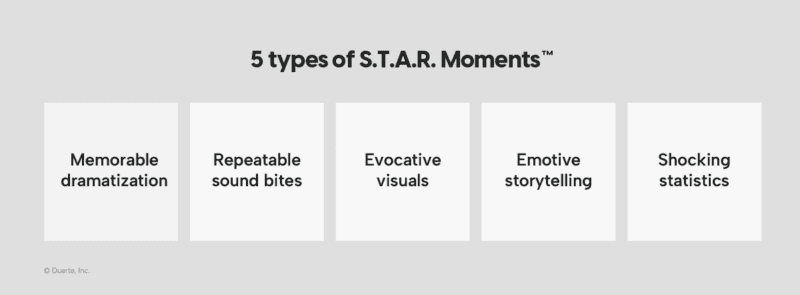
In the corporate context, these moments of standout communication are termed S.T.A.R. moments (Something They’ll Always Remember). These can manifest as memorable dramatizations, repeatable sound bites, evocative visuals, emotive storytelling, or shocking statistics. When deployed strategically, S.T.A.R. moments elevate a budget presentation from an administrative formality to an unforgettable experience, capable of winning over even the most skeptical approvers. Before any budget discussion, project leaders should ask themselves: "How can I demonstrate that my next strategic ‘swing’ will be a homerun?"
Such confidence, however, must be built on a foundation of deep thinking, meticulous practice, and thorough preparation. Ruth’s "called shot" was not a fluke; it came from a player batting .341 with 41 home runs already that season. Similarly, budget seekers must demonstrate competence, build trust, and earn credibility through rigorous analysis, realistic projections, and a clear understanding of potential pitfalls and mitigation strategies.
Crucially, this confidence should not center on personal accomplishments but on the collective potential. The shift from "Here’s what I can do" to "With your help, here’s what we can do" is vital. By centering the approver in the S.T.A.R. moment, project leaders invite them to participate as more than just a signatory; they become an integral part of the project’s success story. This subtle but powerful reorientation fosters a sense of shared ownership and passionate commitment, moving the conversation beyond transactional approval.
3. Tapping into "New Bliss": Appealing to Deeper Motivations
Beyond the allure of magic and confident pronouncements, the most profound connections are forged through empathy and emotional resonance. Crafting a message with emotional heft means channeling universal human elements that transcend mere details and plot points. This is what allows audiences to find deeper meaning in cultural events, or even feel moved by a well-crafted commercial.
In budget proposals, this translates to balancing the financial aspects of an ask with the promise of a "new bliss"—the transformative future state that audiences stand to gain after navigating the "messy middle" of working toward a goal or implementing a change. By illustrating the tension between "what is" and "what could be," project leaders can guide approvers to genuinely desire the "new bliss" outlined in the proposal.
This requires understanding the nuanced motivations of individual budget approvers. A CFO might seek financial reassurances but also secretly yearn for a more efficient workflow that grants them more family time. Leadership might be anxious about the company’s competitive standing and seek innovative solutions that reinvigorate brand interest. Or they might desire to create a product or service that is not only profitable but genuinely helps people.
Centering a proposal solely on financial returns is one approach, but a more impactful strategy highlights broader benefits. A budget story could emphasize how a proposed efficiency project could significantly reduce employee burnout and improve work-life balance, directly addressing the CFO’s unspoken desire for more family time. Or how an innovative product, while profitable, will also solve a critical pain point for customers, enhancing the company’s reputation as a socially responsible leader.
This "audience-first empathy" is paramount. By acknowledging the inner lives, aspirations, and even anxieties of budget approvers, proposals can be structured to include sound financial reasoning alongside details that register on a deeper, emotional level. This approach transcends transactional buy-in, transforming it into passionate belief and a personal commitment to the project’s success. After all, beyond time and money, organizational backing is arguably the most significant indicator of a project’s potential success. Securing this at scale requires a story that reverberates at every level of the organization, fostering a shared sense of purpose and a collective drive towards the envisioned "new bliss."
Broader Implications for Organizational Success
The strategic integration of narrative techniques into budget proposals carries profound implications for organizational success. It moves beyond merely securing funds for individual projects to fundamentally reshaping how companies innovate, grow, and define their purpose.
Firstly, it significantly enhances the innovation pipeline. When ideas are presented with clarity, vision, and emotional resonance, they are more likely to gain traction and secure the necessary investment to move from concept to execution. This fosters a culture where bold ideas are encouraged and effectively championed.
Secondly, it contributes to talent attraction and retention. In an age where employees seek purpose-driven work, proposals that articulate a vision beyond pure profit can inspire internal teams and attract external talent eager to contribute to meaningful endeavors. A clear, compelling narrative about the company’s future projects can be a powerful recruitment tool.
Thirdly, it strengthens market position and brand equity. Projects funded through persuasive storytelling often lead to innovations and initiatives that resonate deeply with customers and the wider market, enhancing the company’s reputation and competitive edge.
Finally, it leads to more resilient project execution. When budget approvers feel a personal commitment and shared belief in a project, they are more likely to provide sustained support, resources, and strategic guidance, even when unexpected challenges arise. This deeper level of buy-in can be critical in navigating the inevitable complexities of project implementation.
In conclusion, securing budget approval in today’s dynamic corporate environment is no longer solely a financial exercise. It is a sophisticated strategic communication challenge that demands a masterful blend of rigorous data, compelling vision, and profound empathy. By making budget approvers heroes of ROI, demonstrating confidence through strategic "called shots," and appealing to a "new bliss" that transcends monetary gain, project leaders can transform their proposals into powerful narratives. These narratives don’t just secure funding; they pave the road ahead, laying the groundwork for innovation, fostering deep organizational commitment, and ultimately, driving the company towards a future that is both financially prosperous and deeply meaningful.
