

The practice of "debreathing" in voice-over production, a nuanced post-production technique involving the selective removal of vocal breaths, is often misunderstood and inconsistently applied across the industry. This article delves into the technicalities of debreathing, its historical context, the rationale behind its application in specific genres, and the implications of its omission or incorrect implementation in contemporary voice-over work.
Understanding the Technical Process: What is Debreathing?
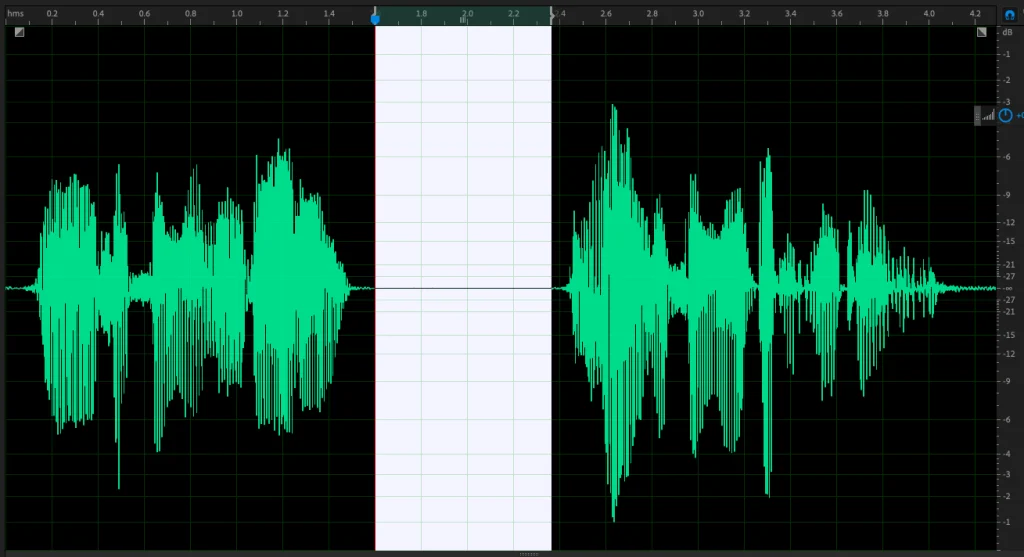
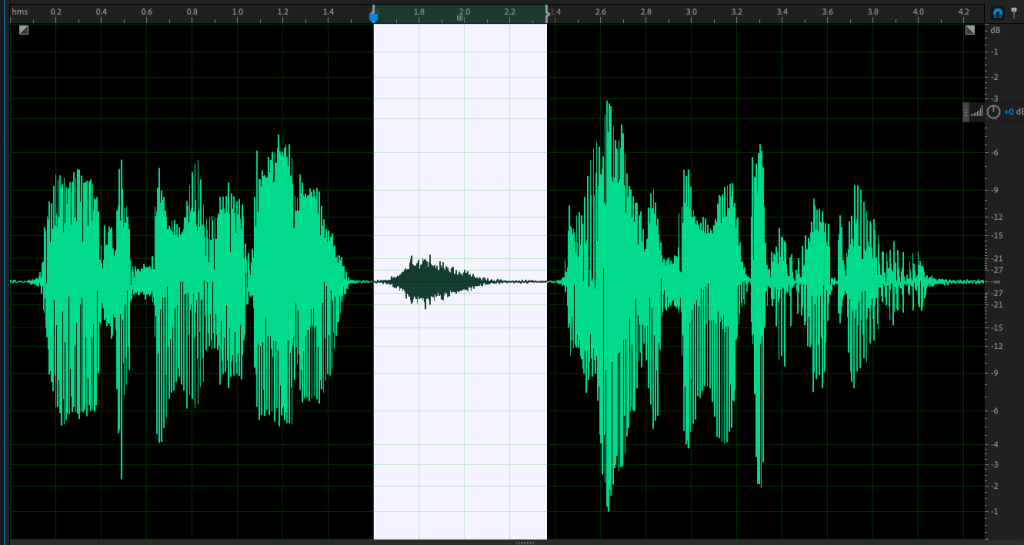
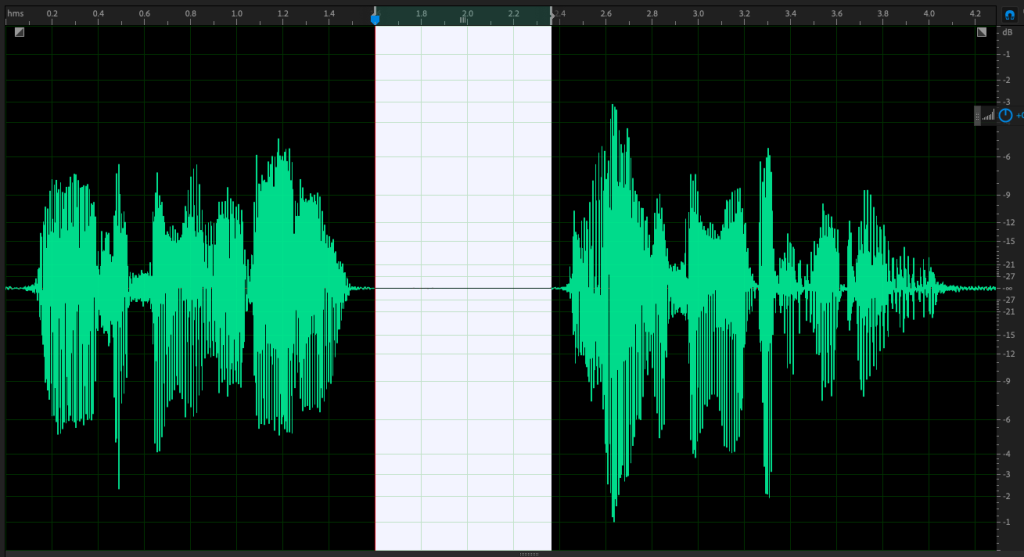
Debreathing, in its simplest definition, is the process of isolating and removing audible inhalations from a recorded voice performance. This is typically achieved using digital audio editing software, such as Adobe Audition, where breaths appear as distinct waveform patterns. The editor can then select these segments and either silence them or, in some cases, remove them entirely, thereby shortening the audio clip.
While the visual representation of a breath might seem straightforward, the distinction between silencing and removing is crucial. Silencing a breath involves reducing its volume to zero, effectively making it inaudible while preserving the original timing of the recording. Conversely, removing a breath deletes both the sound and the temporal space it occupied, leading to a tighter, more compressed audio file. This distinction can significantly impact the natural flow and rhythm of a performance.
Historical Context and Traditional Application in Commercial Advertising
Historically, the practice of debreathing has been most prevalent in the realm of commercial voice-over, specifically for advertisements broadcast on television, radio, cinema, and increasingly, online platforms. The primary rationale behind this tradition is the perceived need for an unadulterated, message-focused delivery. In advertising, the objective is to capture and maintain the listener’s attention, conveying a product or service’s benefits with maximum impact and minimal distraction. Audible breaths, it was argued, could interrupt the flow of the message, detract from the intended tone, or even be perceived as unprofessional by a discerning audience.
For many years, this application was a standard practice. Voice-over artists performing for commercials would routinely submit recordings that had undergone this editing process. The underlying assumption was that a "cleaner" vocal track, devoid of natural human sounds like breathing, would result in a more polished and effective advertisement. This was particularly relevant in an era where audio production techniques were less sophisticated, and ambient noise could easily be amplified alongside vocalizations.
The Nuance of "Commercial" and the Erosion of a Blanket Rule
The challenge in applying a universal rule for debreathing arises from the multifaceted definition of "commercial voice-over." The term can be interpreted in two distinct ways:
- Commercially Produced Voice-Over: This refers to any voice-over work for which the artist is compensated, regardless of the final medium. This broad definition encompasses corporate narration, e-learning modules, explainer videos, and other forms of non-advertising content that are produced for commercial entities.
- Voice-Over for Advertisements: This refers specifically to the audio component of advertisements designed to promote products or services.
The industry has historically seen a tendency to debreath both categories. However, a more refined understanding suggests that debreathing should be primarily reserved for the second definition – actual advertisements. The rationale is that the intense sonic landscape of advertisements, often replete with music, sound effects, and rapid pacing, can absorb or mask the absence of breaths without significantly impacting the listener’s perception. In contrast, applying this technique universally to all paid voice-over work can lead to unintended and detrimental consequences.
The Case Against Universal Debreathing: Preserving Naturalness and Human Connection
The argument against debreathing voice-over content outside of direct advertising is multi-layered and speaks to fundamental aspects of human communication and audience reception.
The Uncanny Valley of the Breathless Voice
Humans are inherently attuned to the natural rhythms of speech, which invariably include breathing. Our brains are wired to process these inhalations as integral parts of communication. When breaths are entirely removed from a voice performance, particularly in contexts where the voice is the primary or sole source of audio (such as corporate narration, audiobooks, or dramatic performances), the result can be jarring and even unsettling. Listeners may unconsciously perceive the absence of breath as unnatural, leading to a sense of unease or disquiet. This phenomenon can be likened to the "uncanny valley" effect observed in robotics and animation, where something appears almost human but its subtle imperfections create a feeling of revulsion.
Furthermore, the absence of breathing can create a perception of superhuman endurance or an unnaturally sustained vocal performance. This can lead to listener fatigue, as the audience might subconsciously anticipate an inevitable breath that never comes, creating a subtle but persistent tension.
The Role of Breathing in Listener Comprehension and Engagement
Breathing serves a crucial, albeit often overlooked, function in spoken communication: it provides natural pauses. These pauses are not merely physical necessities for the speaker but are vital for the listener. They offer moments for the audience to process information, reflect on the spoken words, and internalize the message. In longer-form narration or dialogue, these brief inhalations act as subtle punctuation marks, guiding the listener through the content and allowing for cognitive absorption.
When these natural pauses are eliminated through debreathing, the information can be delivered at an unrelenting pace. This can hinder comprehension, making it difficult for the listener to fully grasp the nuances of the message. The audience may find themselves overwhelmed by the continuous stream of words, leading to a diminished retention of key information. This is particularly problematic in genres like audiobooks or educational content, where deep understanding and recall are paramount.
The Trend Towards Naturalism in Voice-Over Delivery
The contemporary voice-over industry is increasingly gravitating towards naturalism and authenticity in delivery. Clients and audiences alike are often seeking performances that feel genuine, relatable, and human. In this evolving landscape, breathing becomes an essential element of a natural vocal performance. It signals spontaneity, emotion, and the speaker’s connection to the content. Removing breaths, therefore, can strip away a significant layer of this desired naturalness, transforming a potentially engaging performance into something more sterile and artificial.
The rise of AI-generated voices, while advancing rapidly, still often struggles to perfectly replicate the subtle intricacies of human vocalization, including the natural ebb and flow of breath. This highlights the unique value that human performers bring to the table, and deliberately removing elements that define human speech risks diminishing that value. As AI voices become more sophisticated, the authentic human breath becomes an even more critical differentiator, underscoring humanity in a competitive digital landscape.
The Unintended Consequences of Technical Mishaps
Beyond intentional debreathing, there are technical processes that can inadvertently remove breaths, often with similar negative outcomes. The use of tools such as noise gates and expanders, typically employed to reduce background noise in recordings, can also suppress or eliminate quiet sounds like breaths. This is often a misguided attempt to "clean up" audio from less-than-ideal recording environments.
While these tools might improve the perceived silence between spoken words, they do so at the cost of the human element in the performance. The resulting audio may sound cleaner in terms of ambient noise, but it sacrifices the natural rhythm and presence of the vocal performance. This approach is often characterized as a "quick fix" by professionals, suggesting that addressing the root cause—improving the recording environment—is a more sustainable and artistically sound strategy.
Industry Perspectives and Client Communication
The consensus among many seasoned voice-over professionals and industry experts is that debreathing should be approached with caution and clear communication. Unless explicitly requested for specific advertising projects, it is generally advisable to retain the natural breathing within a vocal performance.
For voice-over artists, understanding the client’s specific needs and expectations is paramount. This involves active listening during the briefing process and seeking clarification on post-production requirements. If a client requests debreathing for a project that is not a direct advertisement, the artist should feel empowered to question the necessity and explain the potential drawbacks, referencing the principles of naturalism and listener engagement.
The responsibility often falls on the voice-over artist to educate clients about the impact of such editing choices. In cases where a client insists on debreathing for non-advertising content, the artist is generally obligated to comply, as per contractual agreements. However, this underscores the importance of informed decision-making on both sides of the production process.
Evolving Standards and Future Implications
The voice-over industry is in a constant state of evolution, influenced by technological advancements, shifting client demands, and evolving audience preferences. The traditional practice of debreathing, while once a staple, is increasingly being re-evaluated. As the industry moves towards greater authenticity and a celebration of human vocal qualities, the significance of natural breathing as a marker of genuine performance is likely to grow.
The increasing prevalence of AI-generated voices serves as a stark reminder of the unique value of human vocal performances. In this context, the natural breaths, pauses, and inflections that define human speech become not liabilities to be edited out, but rather inherent strengths that differentiate human artists from their synthetic counterparts.
The future of debreathing in voice-over production will likely see a more discerning and context-specific application. While it may retain its place in the arsenal for high-impact advertising, its use in other genres will continue to be scrutinized. The emphasis will remain on preserving the naturalness, authenticity, and emotional resonance of the human voice, recognizing that these qualities are fundamental to effective communication and compelling storytelling. Ultimately, the breath, a seemingly small detail, plays a significant role in the art of voice-over, contributing to the very humanity that audiences seek and that sets human performers apart.
