

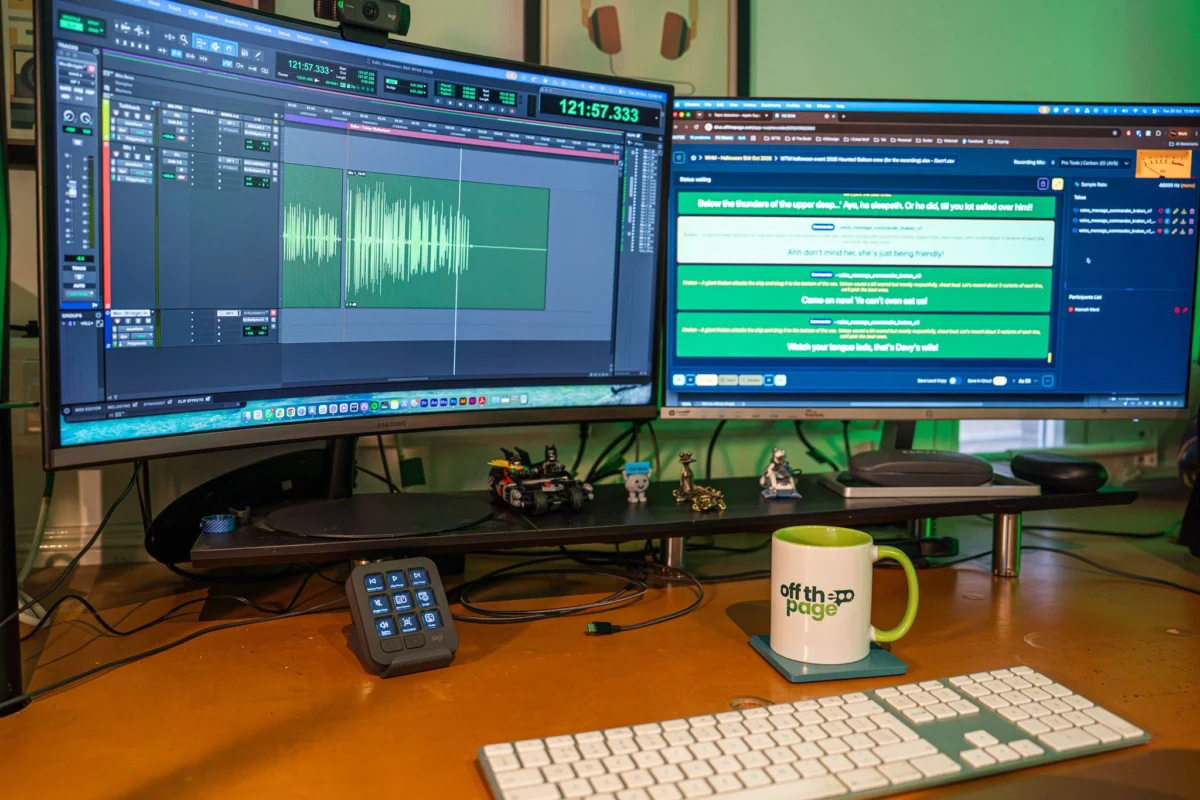
The seemingly innocuous choice between exporting a voice recording as mono or stereo can be a pivotal moment for voice actors, often sparking a moment of digital paralysis akin to a bomb disposal technician facing a tangled web of wires. This decision, however, is not merely a matter of preference but a fundamental technical consideration that significantly impacts workflow efficiency, client satisfaction, and the ultimate quality of the final audio product. Understanding the core differences between mono and stereo, and their appropriate applications, is a hallmark of a professional voice actor, separating novices from seasoned practitioners in the competitive landscape of audio production.
At its essence, the distinction lies in how audio information is delivered to the listener. Monaural audio, commonly abbreviated as mono, is designed to be perceived as a single, unified sound source. Regardless of the playback system – be it high-fidelity headphones, a smartphone speaker, or a vast cinematic sound array – the identical audio signal is channeled equally to both the left and right speakers. This results in the sound appearing to originate from a fixed, central point directly in front of the listener. In contrast, stereophonic sound, or stereo, utilizes two distinct and independent audio channels: a left channel and a right channel. This separation allows for the creation of a spatial audio landscape, enabling sounds to be positioned, moved, or perceived as emanating from different locations within the listening environment, thus imparting a sense of width, depth, and immersion.
The human voice, in its natural state, is an inherently mono phenomenon. A single individual speaking into a single microphone produces a singular channel of electrical audio information. The confusion in the digital realm arises because Digital Audio Workstations (DAWs), the software used for recording and editing audio, possess the capability to take this single vocal track and export it as a two-channel stereo file. This process, when applied to a dry vocal recording, simply duplicates the mono signal across both the left and right channels, creating a stereo file that offers no inherent spatial advantage. It is this duplicated, yet fundamentally mono, signal within a stereo container that often leads to misapplication and subsequent complications in the post-production process.
The Golden Rule: Single Voice Recordings Demand Mono Exports
The overarching principle, and one that should be etched into the mind of every voice actor, is straightforward: if the recording consists solely of a single voice track without any added music, sound effects, or deliberate spatial manipulation, it should always be exported as a mono file. This applies to a wide array of common voiceover applications, including auditions, audiobook chapters, corporate narration, e-learning modules, and any other scenario where the deliverable is a dry vocal performance intended for subsequent mixing by a client or sound engineer.
The rationale behind this rule is multifaceted and directly benefits both the voice actor and the receiving audio professional. Firstly, exporting a mono recording as stereo unnecessarily inflates the file size. A mono audio file contains half the data of its stereo counterpart when the audio content is identical. For instance, a 50-megabyte mono file will occupy 100 megabytes when exported as stereo, due to the duplication of the audio stream. In projects involving a high volume of deliverables, such as a multi-chapter audiobook or an extensive interactive voice response (IVR) system with hundreds of prompts, this doubling of file size can lead to significantly longer upload and download times, increased storage requirements, and a general strain on bandwidth for both parties involved. This efficiency gain is a practical consideration that underscores the importance of adhering to the mono export protocol for single-source audio.
Secondly, and perhaps more crucially, exporting voice-only files in mono greatly simplifies the mixing process for the sound engineer or producer. When a mono file is received, it occupies a single channel within their mixing console. This allows the engineer complete freedom to manipulate the vocal’s position within the stereo field using their pan pots. Whether the client requires the voice to be subtly placed to the left to complement on-screen visuals in a video project, or centered for a broadcast advertisement, a mono file provides this flexibility with a simple adjustment of a dial. Conversely, if a voice actor delivers an unnecessary stereo file of a single vocal track, the engineer must first perform the tedious task of splitting the stereo track into two mono channels, discarding one, and then re-centering the remaining signal. This extra step is not only time-consuming but also signals a lack of technical understanding on the part of the voice actor, potentially leading to a less favorable perception of their professionalism.
When Stereo Becomes Essential: Projects with Spatial Depth
The application of stereo exports is reserved for situations where the audio content inherently possesses or requires a spatial dimension. This typically occurs in projects that involve more than just a single, isolated vocal track.
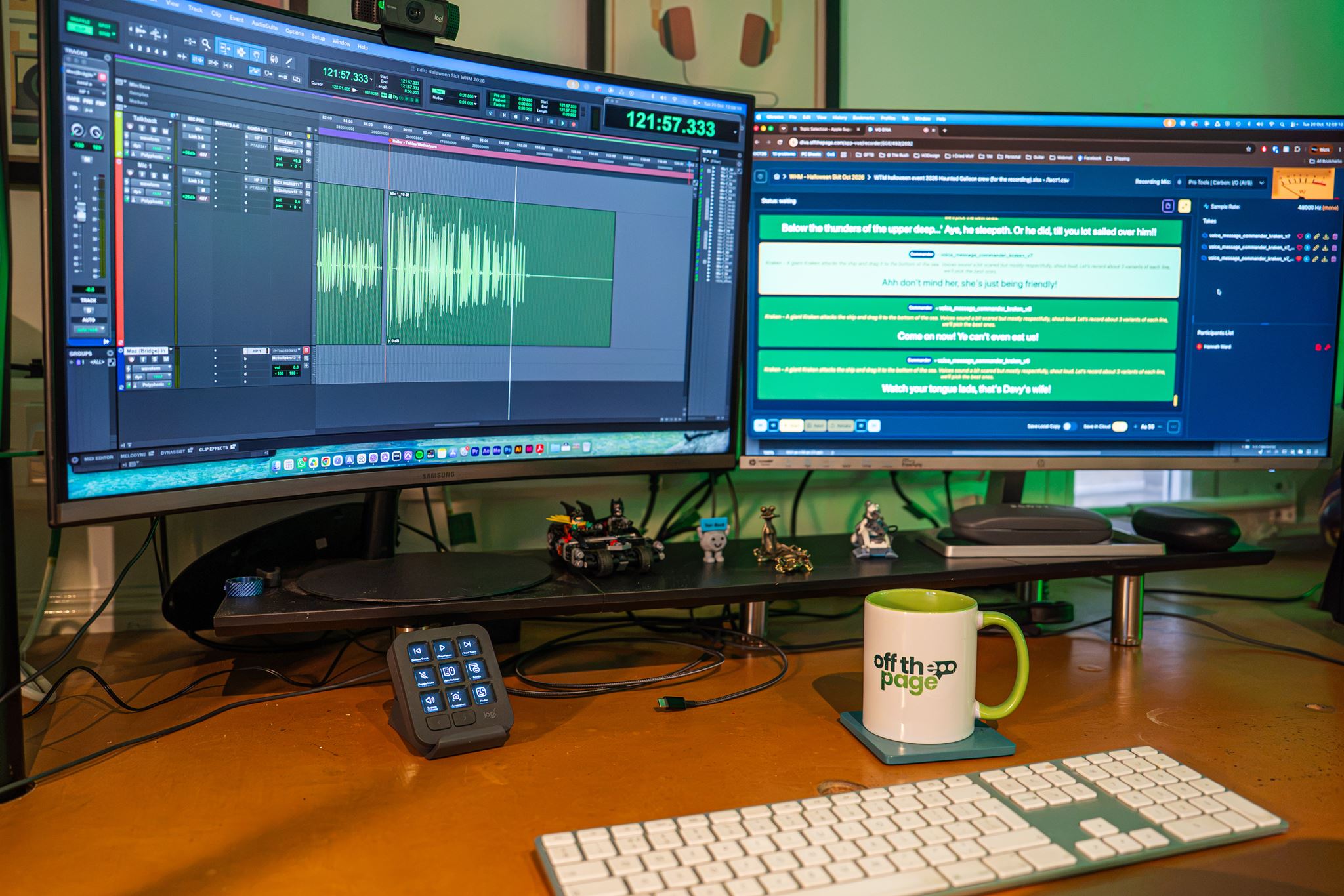
One prominent scenario is the delivery of fully produced demos or spec spots for commercials. These productions often incorporate music beds, atmospheric soundscapes, and various sound effects (SFX) that have been mixed in stereo to create an immersive and dynamic listening experience. Exporting such a production as mono would result in a detrimental phase cancellation effect, collapsing the carefully crafted stereo image into a narrower, often muffled, central sound. The richness, width, and depth of the original stereo mix would be lost, rendering the production sonically inferior and unprofessional.
Another critical application for stereo exports is in multi-character audio dramas, podcast sketches, or complex character reels where spatial positioning is a key element of the storytelling or presentation. If, for example, one character is speaking from the left side of the auditory space and another responds from the right, this spatial separation is only preserved if the final export is in stereo. A mono export would force both voices to occupy the same central space, negating the intended spatial effect and potentially confusing the listener. The ability to pan individual voice tracks within a stereo mix allows for the creation of a believable and engaging soundstage.
Furthermore, specific audio processing techniques inherently demand a stereo output. The use of stereo spatial reverbs, ping-pong delays (where echoes bounce between left and right channels), or binaural audio plugins, which are designed to create a 3D sound experience, requires a stereo container to capture and reproduce the intended spatial effects accurately. These advanced techniques are often employed in immersive audio experiences, virtual reality projects, and sophisticated sound design where the listener’s perception of space is paramount.
A Practical Guide for Quick Decisions
To demystify the export process further, a clear decision-making framework can be employed when faced with the mono versus stereo dilemma at the rendering stage:
| Project Type | Contents of the Project | Recommended Export Setting |
|---|---|---|
| Auditions & Dry VO | Single microphone/voice track only | Mono |
| Audiobooks (e.g., ACX, Findaway) | Unaccompanied voice chapters | Mono |
| Corporate/Explainer Reads | Dry vocal track for client mixing | Mono |
| Commercial Demo Reels | Voiceover mixed with music tracks and sound effects | Stereo |
| Full Podcast Production | Panned voices across a stereo soundstage with intro music | Stereo |
| Radio-Ready Commercials | Mastered mix including music beds, sweeps, and voice | Stereo |
The Professional Standard: Adhering to Client Specifications
In conclusion, the decision to export a voice recording as mono or stereo is a critical technical detail that distinguishes a seasoned professional from an amateur. When delivering a single voice track without any accompanying music or sound effects, the default and most advantageous setting is mono. This practice not only optimizes file size and transfer speeds but, more importantly, provides the sound engineer with the essential flexibility required for effective mixing, thereby demonstrating a thorough understanding of industry standards.
Conversely, if the project inherently involves elements that contribute to a spatial audio experience – such as background music, sound effects, multiple panned voice tracks, or specialized stereo processing – then exporting as stereo is not only appropriate but essential to preserve the intended sonic landscape and its full, immersive quality.
However, the ultimate arbiter in any professional audio delivery scenario remains the client’s technical specifications. It is imperative for voice actors to consistently check and adhere to any explicit instructions provided by the client or platform regarding export settings. While the general rules outlined above are widely accepted best practices, specific project requirements or platform mandates may necessitate a deviation. In such instances, compliance with client directives is paramount, as they are the paying party and their needs dictate the final output. Mastering these fundamental technical nuances ensures a smooth workflow, fosters strong client relationships, and contributes to the creation of polished, professional audio productions.
