


The ongoing discourse surrounding the art and science of influence has taken a significant turn, moving beyond the established paradigms of ethical and lasting strategies to embrace a more profound and transformative approach: loving and eternal influence. This shift, championed by leading figures in the field, posits that true influence stems not merely from adherence to rules or the pursuit of transient outcomes, but from an internal transformation that fosters genuine connection and enduring impact.
This evolving perspective was recently highlighted in a professional exchange initiated by Reyes Castillo, a LinkedIn connection, who posed a critical question to an unnamed expert in the field of influence. Castillo’s inquiry, “I’m curious how that shows up in your actual coaching. What’s the first thing someone usually has to stop doing once they start asking what’s best for the other person instead of what’s allowed?” This question probes the practical application of shifting one’s motivational framework from compliance-based ethics to a more person-centric, care-driven approach.
The response to Castillo’s query suggests a fundamental reorientation, emphasizing that the journey towards loving influence begins not with cessation, but with initiation. "I don’t think it starts with something we need to stop doing. I think it starts with something we need to do, so we can become," was the core sentiment, underscoring the internal nature of this transformative process. This viewpoint aligns with philosophical and psychological principles that advocate for internal change as the precursor to external behavioral shifts.
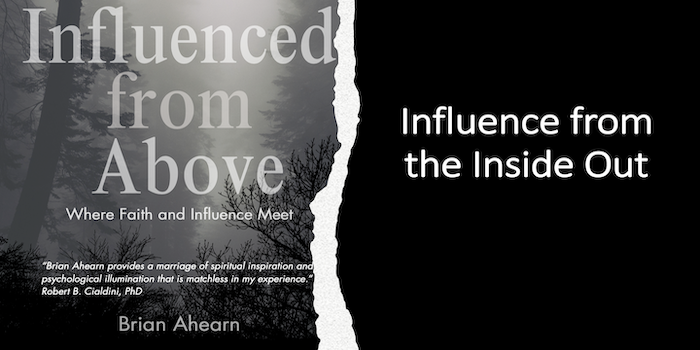
Influence From the Inside Out: A Paradigm Shift
The concept of "influence from the inside out" posits that genuine and impactful influence originates from an individual’s internal state – their character, intentions, and evolving sense of self. This perspective draws parallels with ancient wisdom, notably the teachings of Jesus, who famously admonished the Pharisees to "clean the inside of the cup so that the outside may also be clean." This metaphor illustrates that outward actions and appearances are merely reflections of an inner reality. Similarly, the adage that "a good tree produces good fruit" emphasizes that the quality of the output is intrinsically linked to the health and nature of the source.
In the context of influence, this means that the effectiveness of our interactions and persuasive efforts is not solely dependent on the techniques we employ, but more crucially, on the person we are becoming. This internal metamorphosis is considered the bedrock upon which lasting and meaningful influence is built.
The Principle of Liking: A Deeper Understanding
Robert Cialdini, a seminal figure in the study of persuasion and a mentor to many in the influence space, identified the principle of "Liking" as a key driver of compliance. This principle states that individuals are more inclined to say yes to requests from people they know and like. While this is a well-established tenet, the application of this principle often leads to a counterproductive focus on self-enhancement – the question becomes, "How can I get people to like me?"
However, the evolving understanding of influence suggests a more effective and ethical approach: "Instead of trying to get people to like you, start looking for reasons to genuinely like them." This reframing shifts the focus from a self-centered pursuit of favor to an outward-looking appreciation of others. The reciprocal nature of liking is crucial here. When an individual actively seeks commonalities and offers genuine compliments, they not only foster a connection with the other person but also, by extension, increase the likelihood of being liked themselves.
This process is not merely about adopting superficial behaviors. It involves a fundamental shift in attention and intention. When one’s focus moves from "what can I gain?" to "what do I appreciate about this person?", a palpable difference emerges. This genuine interest and appreciation can be sensed by others, fostering trust and making them more receptive to influence, not because they feel manipulated, but because they feel understood and valued. This is the essence of influence from the inside out.
Ethical vs. Loving Influence: A Higher Standard
The distinction between "Lasting and Ethical" influence and "Loving and Eternal" influence highlights a critical evolution in the understanding of persuasive interactions. Ethical influence operates within a framework of established principles: honesty, appropriateness, and respect for individual autonomy and freedom of choice. These principles are fundamental and have guided ethical conduct for decades.
However, love, in its broadest and most impactful sense, introduces an additional, more profound question: "Do I genuinely want what’s best for this person?" This question elevates the standard of influence from mere adherence to rules to a commitment to the well-being and growth of the other individual.
This shift is not about mastering new techniques, but about cultivating a different internal disposition. Two individuals might employ identical persuasive strategies, ask the same questions, and utilize the same influence principles. Yet, their underlying motivations can be vastly different. One might be driven by a desire to secure a "yes" at any cost, while the other is genuinely invested in helping the other person make the best possible decision for themselves. The outward manifestation may appear similar, but the inner landscape is worlds apart.
Implications for Professional Coaching and Development
The implications of this paradigm shift are particularly significant for professional coaching and development. When coaches move from a purely compliance-driven approach to one rooted in genuine care and a desire for the client’s ultimate best, the dynamic of the coaching relationship fundamentally changes. Instead of focusing on what is "allowed" within the coaching framework, the coach prioritizes the client’s highest good.
This means that the initial step for a coach, or indeed anyone seeking to influence ethically and effectively, is not to identify what behaviors to cease, but to cultivate a deeper internal state. This involves asking oneself: "Who am I becoming, and what do I genuinely desire for the person I am seeking to influence?" This introspective inquiry is the starting point for a more authentic and impactful approach to influence.
The question of "what to stop doing" may be a natural inclination when considering ethical boundaries. However, the deeper, more transformative question for those engaged in coaching and leadership is about their own personal evolution. It is about embodying a genuine desire for the well-being of others, which then naturally guides their actions and interactions.
Data and Expert Perspectives on Ethical Influence
Research consistently supports the effectiveness of ethical influence. Studies in organizational psychology, for instance, have demonstrated that leaders who employ fair and transparent influence tactics, focusing on collaboration and mutual benefit, tend to achieve higher levels of employee engagement, trust, and long-term productivity. A meta-analysis of over 300 studies on leadership effectiveness, published in the Journal of Applied Psychology, found that transformational leadership, which emphasizes idealized influence, inspirational motivation, intellectual stimulation, and individualized consideration, is consistently linked to superior organizational outcomes.
Dr. Robert Cialdini’s work, including his renowned book "Influence: The Psychology of Persuasion," has laid the groundwork for understanding the ethical application of psychological principles in influencing others. His principles – reciprocity, commitment and consistency, social proof, liking, authority, and scarcity – are powerful tools. However, the contemporary discourse, as highlighted in this article, pushes for a deeper integration of these principles within a framework of genuine care.
The shift towards "loving and eternal" influence can be seen as an advanced application of Cialdini’s principles, where the underlying intention is not simply to gain compliance but to foster positive, lasting change and well-being. For example, the principle of liking, when applied with genuine affection and a desire for the other’s well-being, moves beyond superficial flattery to authentic appreciation, creating a foundation of trust that is far more potent and enduring.
Broader Impact and Implications
The implications of embracing "loving and eternal" influence extend far beyond individual interactions. In organizational settings, this approach can foster a culture of psychological safety, where employees feel empowered to express ideas, take risks, and collaborate more effectively. This, in turn, can lead to enhanced innovation, improved problem-solving, and a more resilient workforce.
In societal contexts, a greater emphasis on genuine care and a focus on the well-being of others can contribute to more cohesive communities and a reduction in interpersonal conflict. By prioritizing what is truly best for individuals, even when it requires difficult conversations or choices, we build relationships and systems that are not only effective in the short term but are also sustainable and contribute to the greater good.
The evolution of influence from a set of techniques to a way of being represents a significant maturation of the field. It acknowledges that true power lies not in manipulation or coercion, but in the ability to connect authentically, inspire trust, and genuinely contribute to the growth and well-being of others. This shift is not merely an academic exercise; it is a call to a higher standard of human interaction, one that promises not only greater effectiveness but also a more meaningful and fulfilling experience for all involved.
The journey from simply being "ethical" to being "loving" in our influence is a challenging but ultimately rewarding one. It requires introspection, a commitment to personal growth, and a profound reorientation of our intentions. As the expert suggests, the first step is not to stop doing something, but to actively cultivate a state of being where genuine care and a desire for the best in others are the driving forces behind our every interaction. This internal transformation, when realized, has the power to create ripples of positive change that can last a lifetime and beyond.
