


In a recent discourse on the nuances of influence, a pivotal question has emerged, challenging conventional approaches and prompting a deeper exploration of the underlying motivations behind our interactions. This discussion, initiated by an observation about the distinction between a "Loving and Eternal" approach versus a merely "Lasting and Ethical" one, gained significant traction following a pointed query from LinkedIn connection Reyes Castillo. Castillo’s question, "I’m curious how that shows up in your actual coaching. What’s the first thing someone usually has to stop doing once they start asking what’s best for the other person instead of what’s allowed?" has become a focal point, shifting the conversation from abstract principles to practical application and the internal transformation required for genuine influence.
The initial premise posits that while "Lasting and Ethical" influence—characterized by honesty, appropriateness, and respect for autonomy—is a commendable standard, it falls short of a higher calling: "Loving and Eternal" influence. This latter approach is defined by a genuine desire for the other person’s ultimate well-being and enduring betterment. The distinction is not merely semantic; it represents a fundamental shift in perspective from a transactional or rule-based interaction to one rooted in altruism and a commitment to the long-term flourishing of the individual.
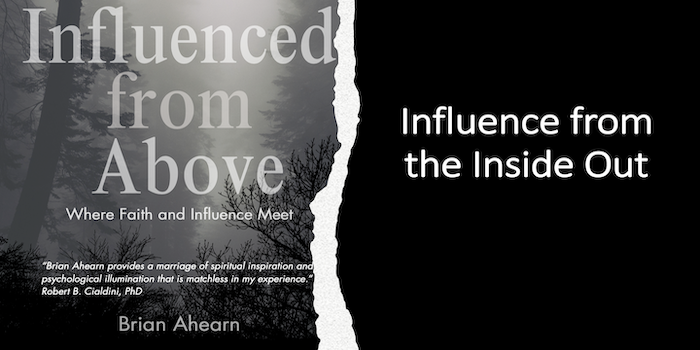
Brian Ahearn, a prominent figure in the field of ethical influence and Chief Influence Officer at Influence PEOPLE, has been at the forefront of this dialogue. Ahearn, a faculty member at the Cialdini Institute and personally trained by Dr. Robert Cialdini, the preeminent scholar in persuasion, argues that the transition to a more profound form of influence is not primarily about ceasing certain actions, but rather about cultivating a new internal disposition. This perspective challenges the intuitive response to Castillo’s question, which often centers on identifying behaviors to eliminate.
The Inner Landscape: Cultivating Influence from Within
Ahearn’s central thesis is that true and lasting transformation, both for the influencer and the influenced, originates from within. Drawing parallels to philosophical and religious teachings, such as Jesus’ admonition to the Pharisees to "clean the inside of the cup" and the parable of a good tree producing good fruit, he emphasizes that external actions are invariably a reflection of internal states. This "influence from the inside out" model suggests that who we are becoming is more critical than what we do.
This internal shift, Ahearn contends, begins with a change in attitude rather than a modification of behavior. He illustrates this through a principle articulated by Dr. Cialdini: the principle of Liking. This principle asserts that individuals are more predisposed to agree to requests from people they know and like. The common, and often misguided, reaction to this knowledge is to ask, "How can I get people to like me?" Ahearn reframes this, suggesting that the more effective and transformative approach is to actively seek reasons to genuinely like the other person.
The Reciprocal Nature of Liking and Trust
The psychological underpinnings of this reframing are significant. Research in social psychology consistently demonstrates that expressing genuine liking and offering sincere compliments are powerful catalysts for reciprocity. When an individual actively searches for common ground or admirable qualities in another, they not only foster a positive connection but also subtly signal their own goodwill. Crucially, this process is not one-sided. The act of seeking commonalities and offering compliments, when done with genuine intent, engenders liking in return. This creates a virtuous cycle, where the influencer’s focus shifts from self-gratification (being liked) to genuine appreciation of the other.
This internal recalibration—moving the locus of attention from oneself to the other—is a subtle yet profound change. While the outward behaviors (asking questions, making observations) might appear similar to those employed with a self-serving motive, the underlying intention and emotional resonance are vastly different. When an individual perceives that another person genuinely likes and values them, a foundation of trust is laid. This trust is essential for influence, as it leads to the belief that the influencer has the other person’s best interests at heart, much like friends are expected to act in each other’s favor. This is the essence of influence radiating from an authentic, internal disposition.
Elevating the Ethical Framework: The "Loving and Eternal" Imperative
The distinction between "Lasting and Ethical" and "Loving and Eternal" influence lies in the depth of the question being asked. Ethical influence prompts critical considerations: Is the action honest? Is it appropriate? Does it respect the other person’s freedom of choice? These are foundational questions that have guided ethical interactions for decades and remain indispensable. However, "Loving and Eternal" influence introduces a more profound inquiry: "Do I genuinely want what’s best for this person?"
This elevated standard introduces a layer of complexity and challenge. Two individuals employing identical influence techniques, asking the same questions, and adhering to the same ethical guidelines can operate from fundamentally different internal motivations. One might be driven by a desire for personal gain or compliance ("How can I get this person to say yes?"), while the other is motivated by a genuine commitment to the other’s well-being and optimal decision-making ("How can I help this person make the best decision?"). The outward manifestation may be indistinguishable, but the internal landscape—the driving force behind the influence—is worlds apart.
The Transformative Journey: From Technique to Being
Therefore, the transition from ethical influence to loving influence is not about acquiring a new set of persuasive techniques. Instead, it is about a fundamental metamorphosis of character—a journey of "becoming a different kind of person." When this internal transformation occurs, the external behaviors naturally align with the new disposition, leading to influence that is not only effective but also profoundly benevolent and enduring.
This perspective reframes the initial question posed by Reyes Castillo. Rather than focusing on "What should I stop doing?", the more pertinent inquiry becomes, "Who am I becoming, and what do I genuinely want for the person I am trying to influence?" This introspective approach shifts the focus from prescriptive actions to a generative state of being, recognizing that genuine influence is an outgrowth of authentic care and a commitment to the highest good of others.
Broader Implications and Expert Analysis
The implications of this shift in perspective extend beyond individual coaching sessions and interpersonal dynamics. In organizational leadership, for instance, a "Loving and Eternal" approach to influence would translate into leadership that prioritizes employee growth, well-being, and long-term development, rather than solely focusing on short-term performance metrics or compliance. This can foster a more engaged, loyal, and innovative workforce, as employees feel genuinely valued and supported.
Data from numerous studies in organizational psychology supports the efficacy of such approaches. For example, research on psychological safety, a key component of environments fostered by genuine care, consistently links it to higher team performance, increased creativity, and reduced employee turnover. A 2020 study published in the Journal of Applied Psychology found that leaders who demonstrated authentic concern for their employees’ well-being experienced higher levels of trust and commitment from their teams, leading to improved organizational outcomes.
In the realm of sales and marketing, while ethical principles of persuasion are paramount, a shift towards a "Loving and Eternal" framework could redefine customer relationships. Instead of merely closing a deal, the focus would be on ensuring the product or service genuinely meets the customer’s needs and contributes to their long-term satisfaction and success. This can lead to greater customer loyalty and advocacy, transforming transactional exchanges into enduring partnerships. A report by Bain & Company in 2021 highlighted that increasing customer retention rates by just 5% can increase profits by 25% to 95%, underscoring the long-term financial benefits of building genuine relationships.
Expert Commentary and Future Directions
Brian Ahearn’s perspective aligns with a growing body of research in positive psychology and leadership studies that emphasizes the importance of empathy, authenticity, and purpose-driven interactions. Dr. Cialdini himself, in his foundational work on influence, has consistently advocated for ethical application, and Ahearn’s interpretation pushes this ethical boundary further by integrating a principle of deep, altruistic care.
The challenge for individuals and organizations is to operationalize this internal shift. It requires a commitment to self-reflection, continuous learning, and a willingness to prioritize the well-being of others, even when it might seem less expedient in the short term. The initial steps may involve consciously practicing empathy, actively seeking to understand the perspectives of others, and developing a genuine curiosity about their lives and aspirations.
The discourse initiated by Reyes Castillo’s question and Ahearn’s insightful response serves as a vital call to action. It invites a re-evaluation of our motivations and the ultimate goals of our influence efforts. By embracing the principles of "Loving and Eternal" influence, we move beyond mere compliance and toward a more profound and impactful form of connection, one that fosters genuine growth, enduring trust, and lasting positive change for all involved. The journey from ethical to loving influence is not a simple one, but it is arguably the most rewarding and consequential path to true human connection and impact.
