


The practice of "debreathing" in voice-over recordings, the selective removal of audible breaths from a vocal performance, is a technique often applied with a surprising lack of clarity and consistent understanding within the industry. While seemingly a straightforward audio editing process, the decision of when and why to debreath carries significant implications for the final output, influencing listener perception, the perceived naturalness of a performance, and ultimately, the effectiveness of the vocal work. This article delves into the technical definition of debreathing, its traditional applications, the critical distinctions between different types of voice-over work, and the often-overlooked consequences of its misapplication, offering a comprehensive guide for professionals seeking to navigate this nuanced aspect of audio production.
Understanding the Technical Process: What is Debreathing?
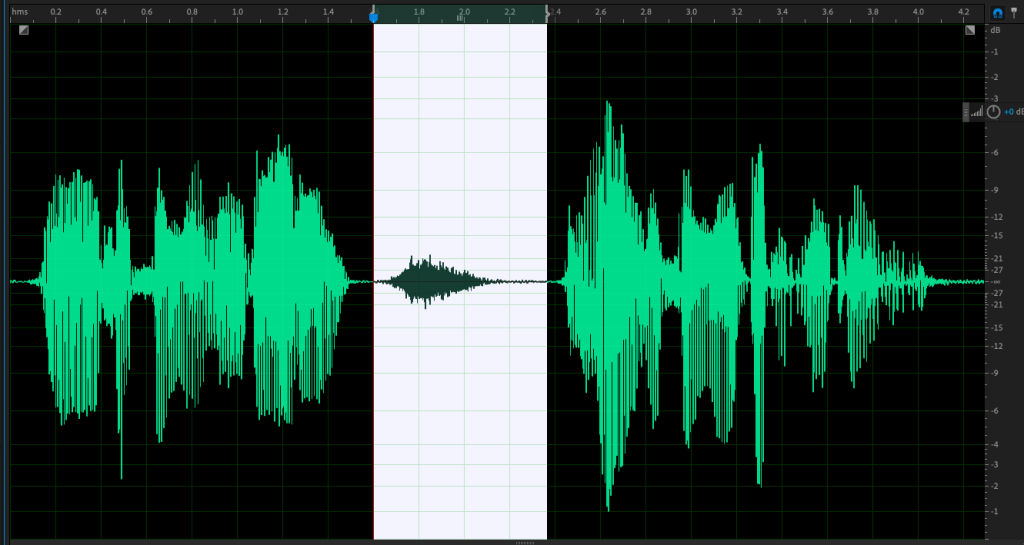
At its core, debreathing involves identifying and isolating the sound of a performer’s breath within an audio recording and then applying an editing process to minimize or eliminate its audibility. This is typically achieved through audio editing software, where the waveform representing the breath is visually identified. For instance, in sophisticated digital audio workstations like Adobe Audition, breaths often manifest as distinct peaks or troughs in the audio waveform, indicating the sudden expulsion or inhalation of air.
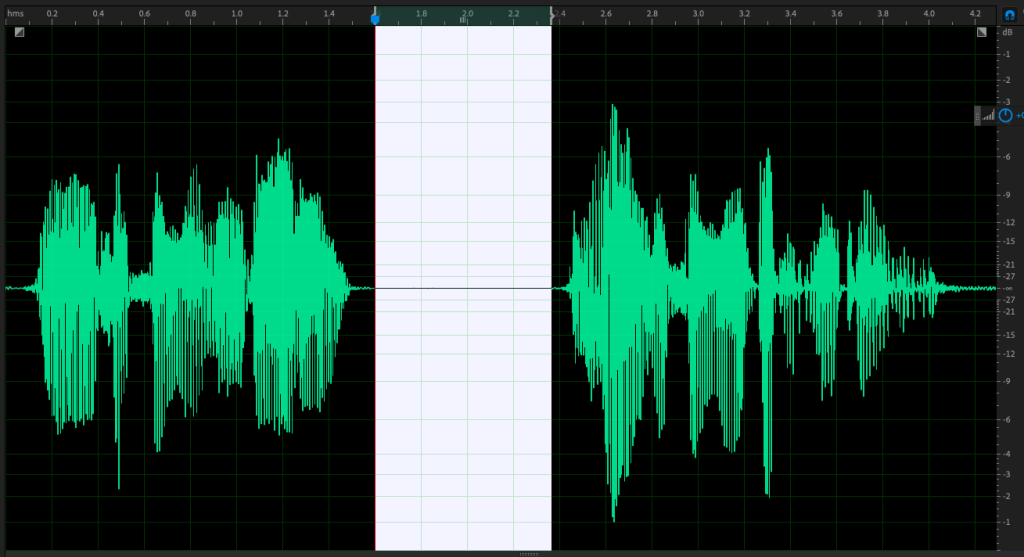
The crucial technical distinction lies in the method of removal. "Silencing" a breath involves reducing its amplitude to zero within the selected timeframe, effectively making it inaudible without altering the duration of the recorded segment. This preserves the natural pacing and rhythm of the speech. Conversely, "deleting" a breath involves not only silencing it but also removing the actual audio data and the temporal space it occupied. This results in a shorter, more condensed audio segment, potentially disrupting the flow and natural pauses of the vocal performance. The visual representation in audio editing software clearly differentiates these two approaches, with silenced breaths appearing as flat lines within their original temporal position, while deleted breaths create a gap in the waveform, effectively bringing subsequent audio closer to preceding audio.
Historical Context and Traditional Applications
Historically, the practice of debreathing has been most prevalent in the realm of commercial voice-over, specifically for advertisements intended for broadcast across television, radio, cinema, and digital platforms. The underlying rationale for this tradition is rooted in the desire to present a polished, uninterrupted message that commands the listener’s full attention. In the context of advertising, the primary objective is to convey a product or service’s benefits and calls to action with maximum impact and minimal distraction.
The prevailing wisdom dictated that audible breaths could detract from the perceived professionalism and authority of the voice, potentially interrupting the flow of persuasive messaging. Therefore, voice-over artists and audio engineers commonly implemented debreathing to ensure that the spoken word was the sole focus, unmarred by the inherent biological sounds of breathing. This practice was deeply ingrained in the production workflows for a significant portion of the advertising industry, becoming an almost automatic step in post-production.
The Ambiguity of "Commercial" Voice-Over and its Implications
A significant point of contention and confusion within the voice-over industry arises from the dual interpretation of the term "commercial voice-over." This ambiguity can lead to misapplied debreathing practices, impacting the integrity of various voice-over projects.
The first interpretation of "commercial" refers to any voice-over work for which a professional is paid. This broad definition encompasses a vast array of projects, including corporate narration, e-learning modules, explainer videos, audiobook narration, video game character performances, and even internal company communications. Under this interpretation, debreathing would be applied to a wide spectrum of content.
The second, and more precise, interpretation of "commercial" refers specifically to advertisements – the actual broadcast spots designed to sell products or services. This narrower definition aligns with the original intent behind the tradition of debreathing. The critical implication here is that many voice-over artists, in an effort to adhere to a perceived standard, may unnecessarily debreath content that falls under the broader definition of "commercial" but is not an advertisement. This can lead to unintended consequences, as will be discussed.
Industry best practice, therefore, suggests that debreathing should be reserved primarily for the second category – actual advertisements – unless explicitly instructed otherwise by the client or hiring party. The guiding principle remains the absolute necessity of an unimpeded message in persuasive advertising, where every element is meticulously crafted to influence consumer behavior.
The Case Against Debreathing: Preserving Naturalness and Human Connection
While the rationale for debreathing advertisements is understandable, extending this practice to other forms of voice-over work can be detrimental. There are several compelling reasons why debreathing should be avoided in non-advertising contexts, such as corporate narration, gaming, dramatic performances, and the ubiquitous "Voice of God" style.
1. The Naturalness of Human Speech: Human beings are accustomed to hearing breath sounds during natural conversation. The absence of these sounds can create an uncanny, almost artificial, listening experience. When a voiceover artist’s breaths are meticulously removed from a performance that is not accompanied by music or sound effects, the listener can become subconsciously aware of their absence. This can lead to a subtle feeling of unease or discomfort, as the listener may unconsciously anticipate a breath that never comes, creating a sensation of a "superhuman" or unnaturally sustained vocal delivery.
This phenomenon is even reflected in the evolution of artificial intelligence (AI) voice synthesis. Early text-to-speech technologies, while impressive in their clarity, often lacked audible breathing, contributing to a robotic feel. More recent advancements in AI voice generation have incorporated subtle breathing cues, recognizing that their inclusion enhances the human-like quality and relatability of the synthesized voice. This trend underscores the fundamental importance of breathing as an element of authentic human vocalization.
2. Facilitating Listener Comprehension and Processing: Audible breaths serve as natural pauses within spoken language. These pauses are not merely physiological necessities; they play a crucial role in cognitive processing for the listener. During these brief moments of silence, the listener’s brain has an opportunity to absorb, process, and internalize the information being communicated. This allows for deeper comprehension, reflection, and the formation of opinions or decisions.
When breaths are removed, and consequently, the natural pauses they create, the speech can become overly continuous and dense. This can overwhelm the listener’s cognitive capacity, leading to a reduced ability to retain information. Anecdotal evidence suggests that some American radio commercials, which have historically employed aggressive debreathing techniques, can result in audiences failing to recall the core message of the advertisement. This defeats the very purpose of vocal communication, which is to impart information effectively.
3. Preserving the Artistry of Natural Delivery: The current trend in many areas of voice-over is a move towards more natural, conversational, and authentic delivery styles. This is particularly true in corporate narration, e-learning, and character performances where relatability and connection with the audience are paramount. Breathing is an intrinsic element of natural vocal delivery. It signals the organic rhythm of speech, conveying a sense of spontaneity and genuine human expression.
By removing breaths, the voice-over artist inadvertently strips away a significant component of this naturalness. The performance can become sterile, overly produced, and less engaging. In essence, the deliberate removal of breaths can transform an authentic human performance into something that feels manufactured and less impactful, undermining the artist’s intention to connect with the listener on a human level.
The Perils of Accidental Debreathing: Noise Gates and Expanders
Beyond intentional editing choices, voice-over artists must also be aware of how certain audio processing tools can inadvertently lead to the removal of breaths. Tools like noise gates and expanders, often employed to clean up recordings by reducing background noise, can have the unintended consequence of silencing or attenuating audible breaths.
A noise gate, for instance, is designed to mute the audio signal when its amplitude falls below a predetermined threshold. If a performer’s breath has a lower amplitude than their spoken words, the noise gate may interpret it as unwanted noise and suppress it. Similarly, an expander, which reduces the gain of a signal below a certain threshold, can also diminish the audibility of breaths.
While these tools can be effective in mitigating the sonic impact of a poor recording environment, their indiscriminate use comes at a significant cost. By suppressing breaths, they not only eliminate the physiological sounds but also contribute to the aforementioned issues of unnaturalness and diminished listener engagement. The solution to a poor recording environment lies in addressing the source of the problem – improving the acoustics of the recording space or using appropriate microphone techniques – rather than relying on post-production tools that compromise the integrity of the vocal performance. The application of noise gates and expanders to mask recording deficiencies is often considered a hallmark of amateur production, hindering the professional quality of the final output.
Conclusion: Embracing Humanity in Voice-Over
In conclusion, the practice of debreathing in voice-over recordings is a technique that demands careful consideration and a clear understanding of its context. While its application in commercial advertising, where an uninterrupted message is paramount, remains a valid and often necessary practice, its indiscriminate use across other genres can be detrimental.
The breath is an inherent aspect of the human condition, a fundamental element of our vocal expression. In an era where the capabilities of AI-generated voices are rapidly advancing, the unique human qualities of a voice-over artist, including their natural breathing, become even more critical differentiators. Embracing and preserving these human elements plays to the strengths of human performers, fostering a deeper connection with the audience. Therefore, voice-over professionals are strongly advised to leave breaths in their recordings unless specifically instructed otherwise, particularly in corporate narration, gaming, and other non-advertising applications.
However, it is crucial to acknowledge that professional mandates often supersede artistic preference. If a client or hiring party explicitly requests debreathing for projects outside of traditional advertising, such as corporate training modules or specific character portrayals, it is imperative to comply with their instructions. Ultimately, the client’s vision and payment for the service dictate the final execution. The key takeaway for voice-over artists is to approach debreathing with discernment, understanding its impact, and advocating for the preservation of naturalness wherever appropriate, while remaining adaptable to client directives. This nuanced understanding ensures both technical proficiency and artistic integrity in the ever-evolving landscape of voice-over production.
