

The practice of "debreathing" in voice-over recordings, a process of selectively removing audible breaths from an audio performance, is a subject often fraught with misunderstanding and inconsistent application within the industry. While seemingly a straightforward audio editing technique, its judicious use carries significant implications for the authenticity, impact, and reception of spoken content across various media. This article delves into the intricacies of debreathing, exploring its historical context, the technical process, and the critical considerations that dictate its appropriate application, aiming to equip voice-over professionals with a clear understanding of when and why this technique should—or should not—be employed.
Understanding the Process: What Exactly is Debreathing?
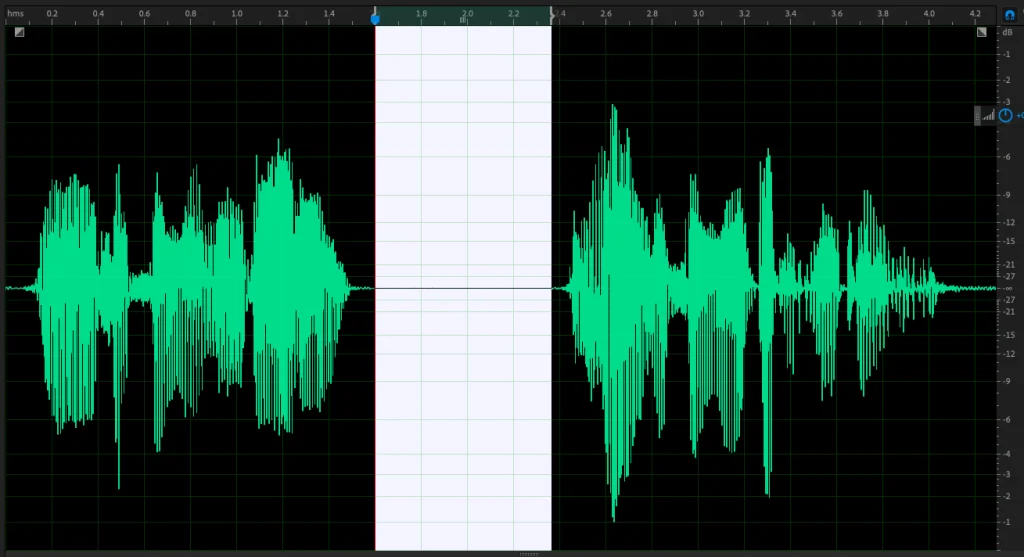
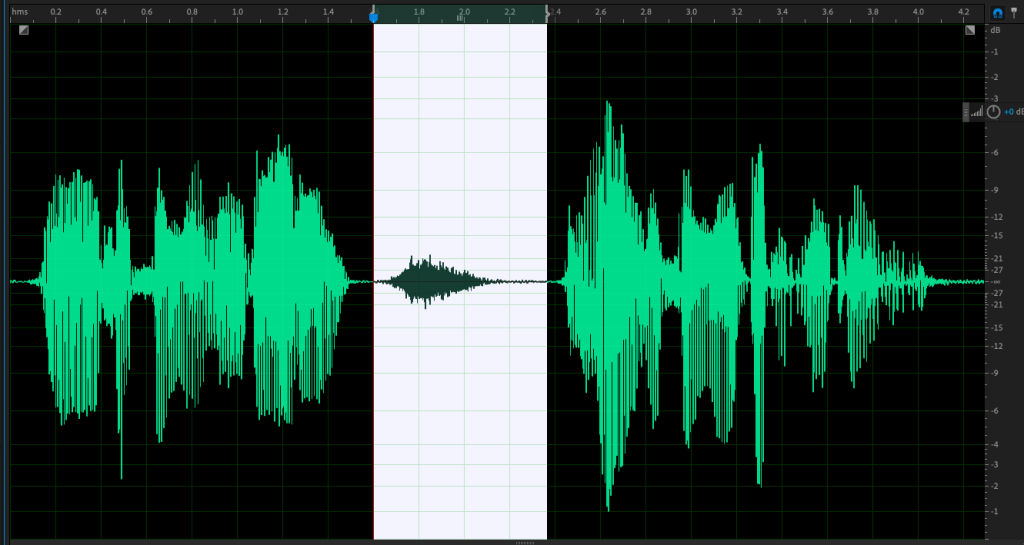
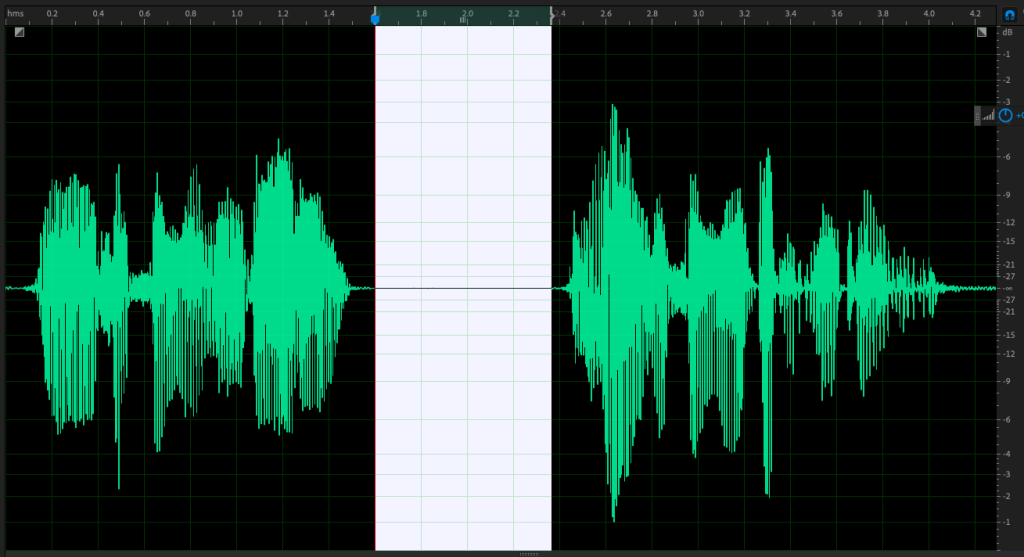
At its core, debreathing involves identifying and isolating the audible inhalations and exhalations that occur naturally during speech and then manipulating them within the audio editing software. This manipulation can take two primary forms: silencing the breath, where the breath sound is reduced to an inaudible level while maintaining the original timing of the performance, or outright removal, where the breath and the temporal space it occupies are completely excised from the recording.
Software such as Adobe Audition, a prominent tool in audio post-production, allows editors to visually identify these breaths, often appearing as distinct waveforms within the audio track. Once identified, these breaths can be precisely targeted. The distinction between silencing and removal is crucial. Silencing a breath preserves the natural rhythm and pacing of the spoken word, preventing an unnatural acceleration of the delivery. Removing the breath entirely, however, not only eliminates the sound but also compresses the timeline, potentially altering the intended cadence and impact of the performance. This distinction is fundamental to understanding the nuanced effects of debreathing.
Historical Context and Traditional Applications
Historically, the practice of debreathing has been most prevalent in the realm of commercial voice-overs, particularly for television, radio, and online advertisements. The underlying rationale for this tradition is rooted in the primary objective of advertising: to deliver a clear, concise, and impactful message with minimal distraction. In this context, audible breaths have been perceived as potential impediments to this goal, drawing attention away from the product or service being promoted and disrupting the intended flow of information.
The prevailing theory posited that commercial voice-overs, by their very nature, required a polished, almost hyper-real delivery. The absence of natural breathing was thought to contribute to a sense of professionalism and a singular focus on the persuasive content. This approach aimed to ensure that every moment of the audio was dedicated to conveying the marketing message, leaving no room for the organic, human elements that might detract from the advertisement’s efficacy. The expectation was that listeners, immersed in the context of an advertisement often accompanied by music and sound effects, would not perceive the absence of breaths as unnatural.
The Evolving Definition of "Commercial" Voice-Over
A significant point of contention and a primary source of confusion within the voice-over industry lies in the very definition of "commercial" voice-over. Broadly, this term can be interpreted in two distinct ways:
- Voice-over for a commercial entity: This encompasses any voice-over work commissioned by a company, including corporate narration, e-learning modules, explainer videos, and internal communications. While these projects are "commercial" in the sense that they are paid professional engagements, they do not necessarily align with the traditional understanding of advertising.
- Voice-over for actual advertisements: This refers specifically to audio content intended for broadcast or online distribution as part of an advertising campaign. This includes television commercials, radio spots, cinema advertisements, and digital video ads.
Historically, many voice-over artists have applied debreathing indiscriminately to both interpretations of "commercial" work. However, a more refined understanding suggests that debreathing is predominantly justified for the second category—actual advertisements. The rationale here is that the unique demands of advertising, which prioritize immediate impact and message retention amidst a dynamic sonic landscape, warrant such meticulous editing. For voice-over work that falls under the first definition, the necessity of debreathing becomes far more debatable.
The Case Against Widespread Debreathing: Preserving Authenticity and Connection
The argument against debreathing voice-over recordings outside the strict confines of advertising is multifaceted and deeply rooted in principles of natural communication and listener experience. Several key reasons underscore this perspective:
The Unnaturalness of Breathless Speech
Human beings are inherently accustomed to hearing speech accompanied by natural breathing. It is a fundamental aspect of human physiology and vocalization. When breaths are completely removed from a recording, particularly in contexts where the voice is the sole or primary sonic element, the result can be jarring and uncomfortable for the listener. This absence can create a subtle, often unconscious, sense of unease, as if the speaker possesses an unnatural, superhuman capacity for sustained vocalization. This phenomenon can lead to a disconnect, preventing the listener from fully engaging with the content.
Historically, early text-to-speech technologies, while technically impressive, often lacked audible breathing. Services like early versions of Siri or Google Assistant delivered clear, synthesized speech but felt distinctly artificial. More recent advancements have seen these AI voices incorporate breathing, recognizing its role in creating a more human-like and relatable auditory experience. This evolution in AI underscores the importance of breath in conveying naturalness.
Breathing as a Natural Pause for Assimilation
Beyond its role in physiological function, breathing serves a crucial communicative purpose: it provides natural pauses within speech. These pauses are not mere voids but critical moments that allow the listener’s brain to process information, absorb the message, and formulate their thoughts. In non-advertisement contexts such as corporate narration, documentaries, or audiobooks, these pauses are vital for comprehension and retention.
When debreathing is applied excessively to these types of recordings, the constant stream of uninterrupted speech can overwhelm the listener. The absence of these natural breaks hinders cognitive processing, leading to reduced comprehension and memory retention. Anecdotal evidence suggests that some American radio commercials, which often feature heavily debreathed voice-overs, can leave audiences with a fragmented understanding of the advertised message due to this relentless vocal delivery. The space created by a breath allows for reflection, making the information more likely to resonate and be remembered.
The Trend Towards Natural Delivery
In contemporary voice-over production, there is a discernible trend towards naturalness and authenticity in vocal delivery. Clients across various sectors, from gaming and animation to e-learning and corporate presentations, are increasingly seeking performances that sound human, relatable, and conversational. Breathing is an integral component of this natural delivery. It imbues the voice with a sense of presence, emotion, and organic rhythm.
By removing breaths, voice-over artists inadvertently strip away a significant element of their performance’s naturalness. This can transform a potentially engaging and authentic delivery into something sterile and artificial, undermining the very goal of naturalistic narration. In an era where AI-generated voices are becoming increasingly sophisticated, human voice actors can leverage their inherent human qualities, including their natural breathing patterns, as a key differentiator and a source of unique artistic value.
The Perils of Accidental Debreathing: Noise Gates and Expanders
A common pitfall that leads to inadvertent debreathing is the misuse of audio processing tools such as noise gates and expanders. These tools are often employed in an attempt to clean up recordings by reducing background noise or room ambiance. While they can improve the perceived "cleanliness" of an audio file, they often do so by attenuating or eliminating quieter elements, which frequently include natural breaths.
Using noise gates or expanders to mask issues with a poor recording environment is a shortcut that compromises the integrity of the vocal performance. Instead of addressing the root cause—an inadequate recording space or technique—these tools impose a digital "fix" that can have detrimental effects on the naturalness of the voice. This approach is widely considered amateurish, as it sacrifices the human element of the performance for a superficial sonic polish. True professionalism lies in optimizing the recording environment and employing proper microphone technique to capture a clean, natural sound from the outset.
Expert Analysis and Industry Perspectives
Industry veterans and audio engineers often echo these sentiments. Mark Thompson, a seasoned voice-over coach, frequently emphasizes the importance of "humanity in the voice." He notes, "Our breath is our signature. It’s the pulse of our performance. Unless the specific context of a high-energy, fast-paced advertisement absolutely demands its removal, keeping it in allows the listener to connect with the performer on a primal, human level. It signals authenticity, and authenticity is currency in today’s media landscape."
Similarly, audio post-production specialist Sarah Jenkins highlights the technical considerations. "When debreathing, especially for advertisements, the goal is subtlety," Jenkins explains. "It’s not about erasing the breath entirely, but about making it unobtrusive. However, for narrative work, corporate training, or character performances, the breath is a vital cue. It informs pacing, indicates emotional shifts, and grounds the performance in reality. Over-editing these breaths can make the delivery feel robotic and disconnected, which is the opposite of what most clients are looking for today."
Broader Implications for the Voice-Over Industry
The discussion around debreathing has significant implications for the voice-over industry’s ongoing evolution. As AI-generated voices continue to improve, the unique value proposition of human voice actors lies increasingly in their ability to convey genuine emotion, nuance, and authentic human experience. Natural breathing is a key component of this authenticity. By embracing and preserving their natural breaths, voice actors can differentiate themselves from artificial alternatives and offer a more compelling and relatable vocal presence.
Furthermore, a clearer understanding and more consistent application of debreathing principles can lead to improved client satisfaction and a higher standard of audio quality across the board. Educating clients about the impact of debreathing on different types of content can help manage expectations and ensure that the final product aligns with the intended artistic and communicative goals.
Conclusion: A Call for Conscious Application
In conclusion, the practice of debreathing in voice-over recordings is not a universal mandate but a technique that requires careful consideration and context-specific application. While it may serve a valuable purpose in certain types of commercial advertising, where the singular focus is on message delivery with minimal distraction, its widespread application across all voice-over genres is often detrimental.
For corporate narration, e-learning, gaming, dramatic performances, and other non-advertising content, preserving natural breaths is crucial for maintaining authenticity, fostering listener engagement, and conveying a natural, human delivery. The trend towards authentic and relatable vocal performances further reinforces the importance of retaining these organic elements. Accidental debreathing through the misuse of noise gates and expanders should be avoided by prioritizing proper recording environments and techniques.
Ultimately, voice-over professionals are encouraged to approach debreathing with a discerning eye and ear. Unless specifically instructed otherwise for a particular project, especially within the realm of advertisements, the best practice is to leave breaths in. Your breath is an undeniable marker of your humanity, a vital component of natural communication, and a powerful differentiator in an increasingly automated world. Embracing this fundamental aspect of your voice will not only enhance the quality and impact of your work but also solidify your unique value in the competitive landscape of voice-over artistry. As always, when in doubt, clear communication with the client or hiring party is paramount to ensure all expectations are met and the integrity of the performance is maintained.
