

In the intricate world of professional voice-over artistry, a seemingly minor technical decision can have profound impacts on the perceived quality and authenticity of a performance. One such decision revolves around the practice of "debreathing"—the selective removal of vocal breaths from recorded audio. While often perceived as a standard post-production step, particularly for commercial projects, a deeper understanding reveals that its application is far more nuanced, with significant implications for various genres of voice-over work. This article delves into the intricacies of debreathing, exploring its definition, traditional applications, the potential pitfalls of its indiscriminate use, and its evolving role in an era increasingly influenced by artificial intelligence.
Understanding the Art of Debreathing
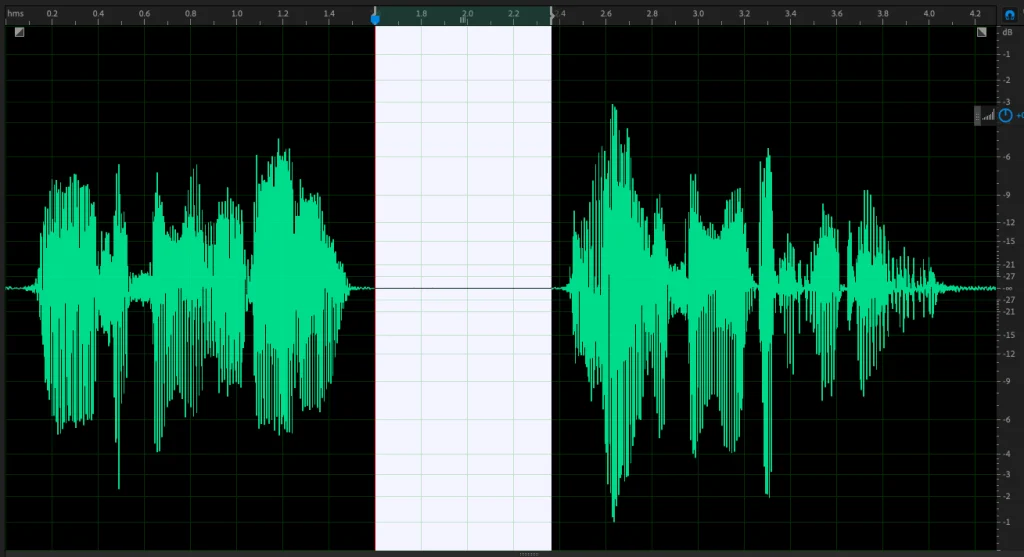
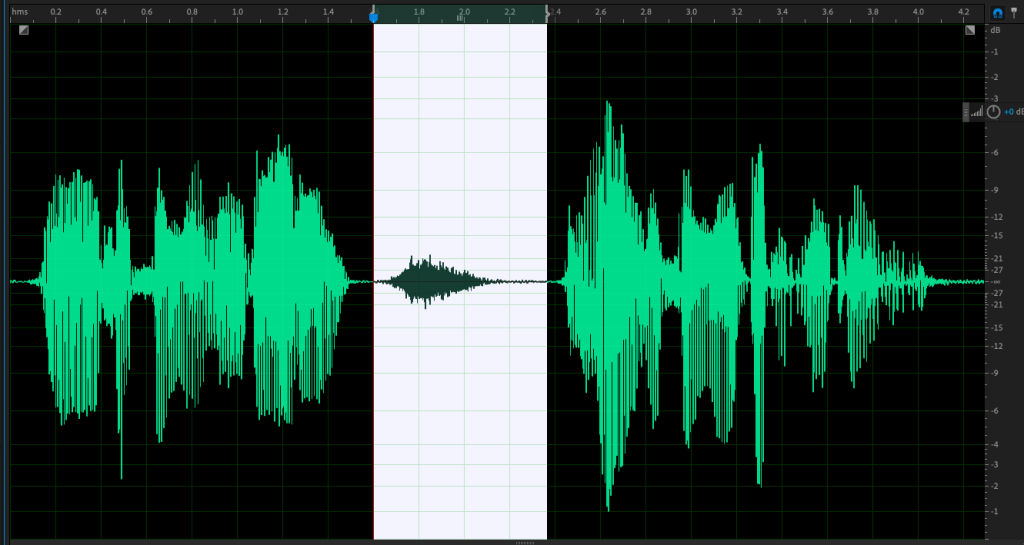
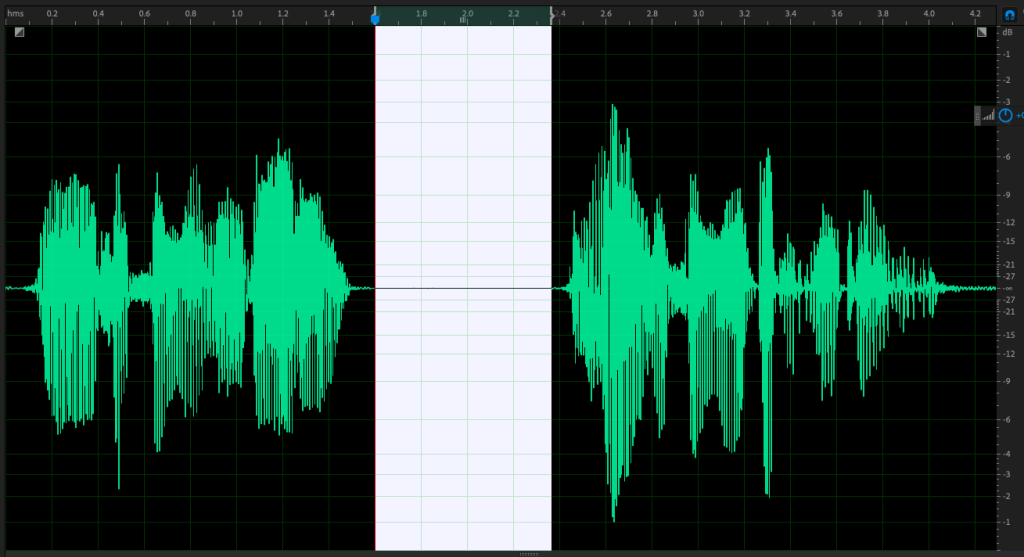
At its core, debreathing is a post-production technique where engineers and voice artists identify and remove audible inhales from a recorded vocal track. This process is typically performed using digital audio workstations (DAWs) like Adobe Audition, where breaths appear as distinct waveforms. The objective is to create a cleaner, more focused vocal delivery.
It is crucial to distinguish between silencing and removing a breath. Silencing involves reducing the volume of the breath to an inaudible level, while retaining the natural timing and flow of the speech. Removing a breath, on the other hand, entails deleting the waveform entirely, which also eliminates the associated silence, potentially altering the rhythm and pacing of the spoken word. The former is generally preferred as it preserves the natural cadence of human speech more effectively.
The Traditional Rationale: Debreathing for Commercial Advertisements
Historically, the primary context for debreathing has been commercial voice-overs, particularly those intended for advertisements. The rationale behind this practice is rooted in the perceived need for an uninterrupted and impactful delivery of a marketing message. In commercials, the voice-over is often a critical element designed to capture immediate attention and convey a product or service’s benefits concisely. The presence of audible breaths could, in theory, disrupt this flow, detracting from the core message and potentially lessening the listener’s engagement.
For instance, a fast-paced radio or television advertisement relies on a tight production schedule and precise timing. Any extraneous sounds, including vocalizations like breaths, are often seen as potential distractions that can detract from the overall polish and professionalism of the final product. The goal is to create a seamless auditory experience where the listener is solely focused on the information being presented.
The Nuances and Pitfalls of Indiscriminate Debreathing
However, the strict adherence to debreathing all "commercial" voice-overs, a term that itself can be interpreted in multiple ways, presents a significant challenge. The term "commercial" can refer to voice-overs commissioned by a business for any purpose (corporate narration, e-learning modules, internal communications) or specifically to advertisements broadcast across various media platforms.
Industry professionals often debate this distinction. While removing breaths from actual advertisements—television commercials, radio spots, cinematic trailers, and web ads—is a well-established practice, applying the same technique to corporate narration or other non-advertising commercial work can be detrimental.
The Human Element and Listener Comfort:
A primary argument against debreathing non-advertisement voice-overs lies in the fundamental nature of human communication. Humans are accustomed to hearing natural breathing patterns in everyday conversation. The absence of these breaths, especially in extended spoken passages, can create an unsettling and unnatural listening experience. When a voice lacks any indication of inhalation, listeners may unconsciously perceive it as robotic or superhuman, leading to a sense of unease or even stress. This phenomenon is akin to the early days of text-to-speech technology, which, while functional, often lacked the subtle vocalizations that characterize human speech. As these technologies have advanced, incorporating audible breathing has become a hallmark of more natural-sounding AI voices, underscoring its importance to human perception.
The Role of Breath in Comprehension and Pacing:
Beyond comfort, audible breaths serve a vital functional purpose: they act as natural pauses. These pauses allow listeners crucial moments to process information, formulate thoughts, and make decisions. In narrative voice-overs, e-learning modules, or audiobook performances, these breathing points provide essential rhythm and structure, guiding the listener through the content. When breaths are removed, the speech can become a relentless stream of words, leaving the audience no opportunity to absorb the material. This can lead to a superficial engagement where the listener may not retain key information, a significant concern for any form of educational or informational content.
The Trend Towards Naturalism:
In contemporary voice-over production, there is a strong and prevailing trend towards naturalism. Clients increasingly seek authentic, conversational, and relatable vocal performances. Removing breaths inherently strips away an element of this naturalness, making the delivery feel more artificial and less engaging. A voice that breathes sounds more human, more approachable, and ultimately, more credible, especially in genres that aim for a personal connection with the audience, such as audiobooks, podcasts, and character performances in video games.
The Unintended Consequences of Technical Fixes
Another crucial aspect to consider is the accidental removal of breaths due to the application of certain audio processing tools. Techniques like noise gates and expanders, often employed to clean up recordings by reducing background noise, can inadvertently silence or remove vocal breaths. While these tools might improve the perceived "cleanliness" of the audio, they do so at the cost of humanizing the performance.
This practice is often indicative of an amateur approach to audio production. Instead of addressing the root cause—an imperfect recording environment—individuals may resort to these tools as a quick fix. The result is audio that may be free of background hiss but also devoid of the natural vocal nuances that make a performance compelling. Professional voice artists and audio engineers prioritize addressing environmental issues at the source, ensuring a high-quality raw recording that requires minimal, if any, aggressive post-processing.
Evolving Practices and the Future of Debreathing
The discussion surrounding debreathing is not static. As the voice-over industry evolves, so too do the best practices. The rise of AI-generated voices, which are becoming increasingly sophisticated and capable of mimicking human vocal patterns, including breathing, further emphasizes the value of authentic human performance. In this competitive landscape, preserving the natural human elements of a voice-over becomes a key differentiator.
Therefore, the prevailing professional recommendation is to err on the side of retaining breaths unless explicitly instructed otherwise for specific commercial advertising projects. This approach not only respects the integrity of the human voice but also aligns with the growing demand for natural and relatable audio content.
When to Debreath: Specific Guidelines
Based on industry consensus and the considerations outlined above, the following guidelines can be applied:
- Commercial Advertisements (TV, Radio, Web, Cinema): This remains the primary domain where debreathing is generally expected and often requested. The objective is to ensure the message is delivered with maximum impact and minimal distraction. However, even in this context, it is advisable to confirm with the client or agency.
- Corporate Narration, E-learning, Audiobooks, Documentaries, Podcasts, Gaming, Dramatic Performances: In these genres, retaining breaths is almost always preferred. They contribute to the natural flow, pacing, and emotional authenticity of the performance. Removing them can significantly detract from the listener’s experience and comprehension.
The Expert Perspective: Voices from the Industry
While specific statements from named individuals are not available in the provided text, the underlying sentiment reflects a common discourse among seasoned voice-over professionals and audio engineers. Many advocate for a more discerning approach to debreathing, emphasizing that it should be a deliberate creative choice rather than a default technical procedure. The "voice is human" argument, coupled with the increasing sophistication of AI, suggests a future where the authentic human breath becomes a marker of genuine performance.
Broader Implications for the Voice-Over Industry
The debate over debreathing has broader implications for the voice-over industry:
- Quality Control and Client Expectations: A clear understanding of when debreathing is appropriate can lead to better client communication and manage expectations, reducing potential disputes and ensuring client satisfaction.
- Artist Development: Voice artists who understand the role of breath in their performance can develop more nuanced and natural delivery styles, making them more versatile and marketable.
- Technological Advancement: The discussion highlights how technological advancements, such as AI voice generation, can influence and reshape traditional practices in creative fields.
In conclusion, debreathing is a powerful tool in the voice-over production arsenal, but like any tool, its effectiveness depends on its judicious application. While it has a well-established place in the realm of commercial advertising, its indiscriminate use in other genres risks diminishing the humanity, naturalness, and communicative efficacy of vocal performances. As the industry continues to evolve, embracing the natural human element, including the breath, is increasingly recognized as a critical advantage in delivering authentic and impactful audio experiences. The mantra for voice-over professionals should be: retain the breath unless there is a compelling, client-driven reason to remove it.
