

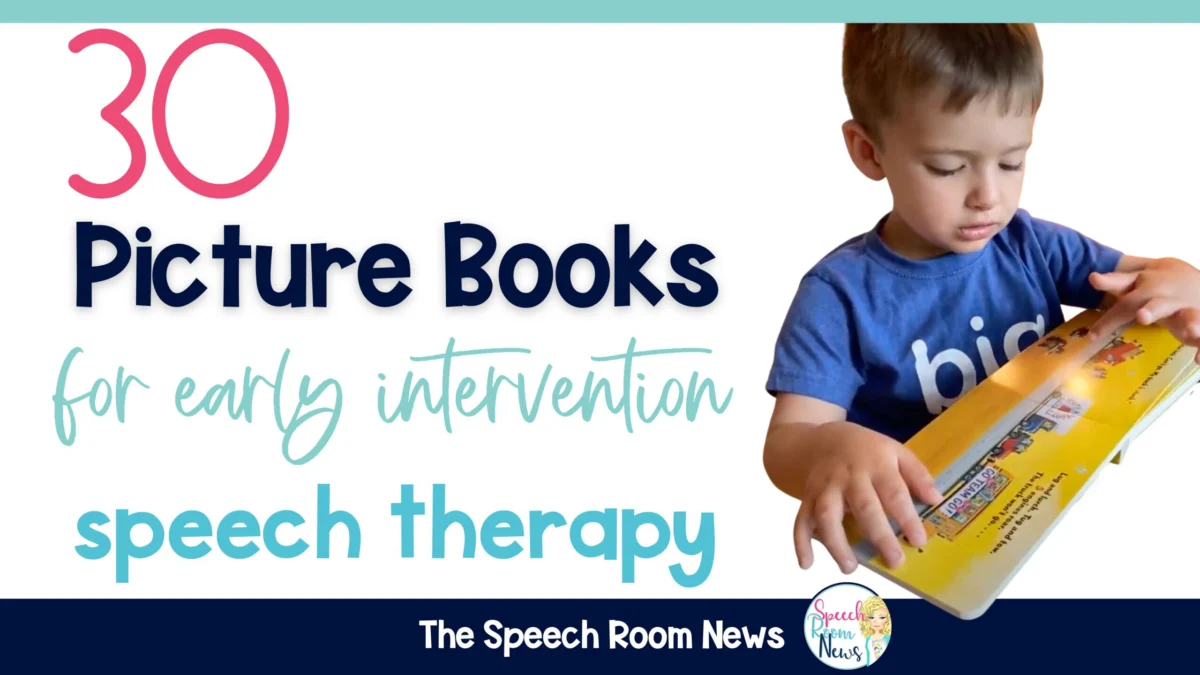
In the specialized field of early intervention speech therapy, picture books stand as fundamental and exceptionally effective instruments for fostering language development and refining communication abilities in young children. These carefully selected literary tools are not merely for entertainment; they are meticulously integrated into therapeutic regimens to address specific speech and language objectives, making them indispensable for speech-language pathologists (SLPs) working with infants, toddlers, and preschoolers. The strategic deployment of picture books significantly enhances linguistic growth, cultivates robust communication skills, and establishes an engaging, supportive learning environment crucial for early developmental stages.
The Critical Window: Understanding Early Intervention Speech Therapy

Early intervention (EI) in speech therapy represents a proactive and research-backed approach to identifying and addressing speech and language challenges in young children from the moment they are recognized. This critical period, typically spanning from birth to approximately three years of age, is characterized by unparalleled neural plasticity, making it a pivotal time for language acquisition. During these formative years, the brain is most receptive to learning and adapting, meaning interventions delivered promptly can yield profound and lasting positive impacts on a child’s developmental trajectory.
Speech-language pathologists in early intervention work with infants and toddlers who may be exhibiting a spectrum of speech and language delays or disorders, ranging from difficulties with articulation and phonology to challenges in receptive (understanding) and expressive (speaking) language, as well as pragmatic (social) communication skills. The overarching goal of EI is to mitigate these challenges as early as possible, thereby maximizing a child’s communication potential and laying a robust foundation for future academic and social success. By recognizing communication challenges at such a young age, SLPs can implement targeted, evidence-based strategies to address them promptly, leading to significantly improved speech and language outcomes compared to interventions initiated later in life.
A hallmark of early intervention is the active involvement of families and primary caregivers in the therapeutic process. SLPs collaborate closely with parents and caregivers, developing individualized treatment plans that seamlessly integrate into the child’s daily routines. This family-centered approach empowers caregivers with the knowledge and techniques to become primary facilitators of their child’s language development, thereby extending the therapeutic benefits far beyond clinical sessions and maximizing progress in naturalistic settings. Research consistently demonstrates that high levels of parental engagement in early intervention are strongly correlated with superior long-term outcomes for children with communication disorders.
Why Picture Books Are Indispensable in Speech Therapy
Picture books are far more than simple story carriers in the context of speech and language therapy; they are dynamic, multifaceted tools offering a wealth of benefits for children undergoing intervention. Incorporating these resources into therapy sessions not only enhances language development and communication skills but also creates a captivating and emotionally rich learning experience. The structured yet imaginative world within a book provides a unique platform for targeted therapeutic goals, supporting several critical developmental areas:
- Promoting Language and Vocabulary Development: Books serve as rich linguistic landscapes, exposing children to an expansive array of words, grammatical structures, and conceptual knowledge. Through interactive read-alouds and guided discussions, SLPs can introduce new vocabulary, reinforce learned concepts, and elicit expressive language skills. For instance, a book about animals might introduce terms like "mane," "paws," and "hooves," alongside verbs like "prowl," "gallop," and "soar," all within a meaningful context. Studies show that children who are regularly read to have significantly larger vocabularies and stronger language comprehension skills by kindergarten.
- Enhancing Storytelling and Narrative Skills: Engaging with narrative-rich books is fundamental to nurturing storytelling abilities and developing sophisticated narrative skills. As children follow plots, track characters, and understand settings, they begin to grasp essential story structure elements, such as sequencing events, identifying cause-and-effect relationships, and recognizing character motivations. These narrative competencies are crucial for effective communication, academic success, and social interaction, enabling children to recount personal experiences, share information, and comprehend complex instructions.
- Stimulating Imagination and Creativity: Picture books transport children to imaginative realms, fostering creativity and critical thinking. They encourage children to visualize and describe scenes, characters, and events, thereby promoting expressive language and descriptive skills. An SLP might ask, "What do you think happens next?" or "How does the character feel?" prompting children to use inferential reasoning and articulate their thoughts, which are vital cognitive and linguistic functions.
- Fostering Phonological Awareness: Many picture books, especially those designed for younger children, incorporate rhyme, alliteration, and rhythmic language. These elements are critical for developing phonological awareness – the ability to recognize and manipulate the sound structure of spoken language. Strong phonological awareness is a foundational skill for emergent literacy and future reading success. SLPs can use books to highlight rhyming words, identify initial sounds, and segment syllables, making these abstract concepts concrete and engaging.
- Developing Social-Emotional Skills: Characters in picture books often navigate various emotions and social situations. By exploring these scenarios, children learn to identify and label emotions, understand social cues, and develop empathy. An SLP can facilitate discussions about characters’ feelings and actions, helping children build their emotional vocabulary and pragmatic language skills, which are essential for successful social interactions.
- Cultivating Joint Attention and Turn-Taking: The shared experience of reading a book naturally promotes joint attention, where the child and therapist (or parent) focus on the same object or activity. This shared focus is a precursor to more complex communication. Books also offer ample opportunities for turn-taking, such as taking turns to point to pictures, turn pages, or repeat phrases, thereby establishing fundamental conversational dynamics.
Strategic Selection: Tailoring Picture Books to Therapeutic Goals
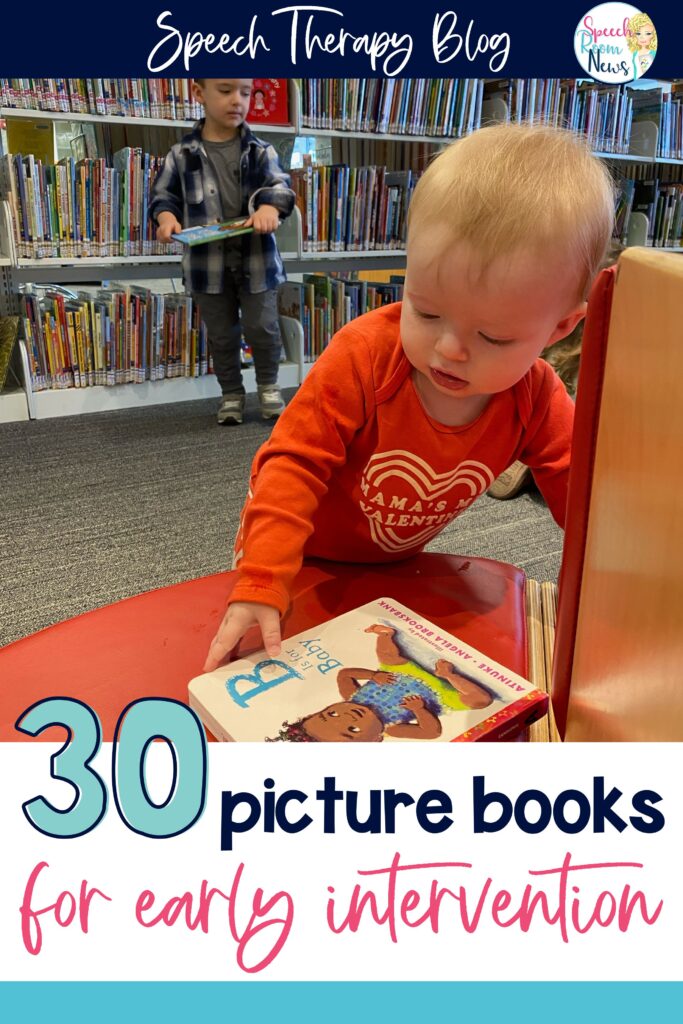
The effectiveness of picture books in early intervention lies not just in their presence but in their strategic selection and application. SLPs carefully choose books based on a child’s individual developmental level, interests, and specific therapeutic goals. While the original content did not list specific titles, categories of books are generally favored for their inherent therapeutic qualities.
Interactive Books:
Books that actively encourage touch, manipulation, and direct interaction are particularly valuable for increasing attention, stimulating vocabulary acquisition, and engaging multiple senses. These books are ideal for capturing the interest of young children who may have shorter attention spans or sensory processing differences.
- Mechanisms: These often include lift-the-flaps, textured pages (touch-and-feel books), sound buttons, movable parts, or peek-through holes.
- Therapeutic Goals:
- Joint Attention: The novelty of interactive elements helps draw and maintain a child’s focus, facilitating shared engagement with the book.
- Requesting: Children can be prompted to request actions (e.g., "open," "push," "touch") or specific elements within the book.
- Object Identification & Labeling: Lifting a flap to reveal an object or animal provides an immediate opportunity for naming and identifying.
- Cause-and-Effect: Pressing a button to make a sound or lifting a flap to reveal a surprise teaches basic cause-and-effect relationships.
- Sensory Integration: Different textures and sounds provide sensory input that can be highly engaging and motivating.
- Examples in practice: Books like "Dear Zoo" (Rod Campbell) with its flaps, or any "touch-and-feel" book featuring various textures, are excellent for eliciting interaction and language.
Durable Books:
Given the typical handling by infants and toddlers, durable books are essential for early intervention settings. Their sturdy construction ensures they can withstand repeated use and exploration, making them practical choices for busy therapy rooms and home environments.
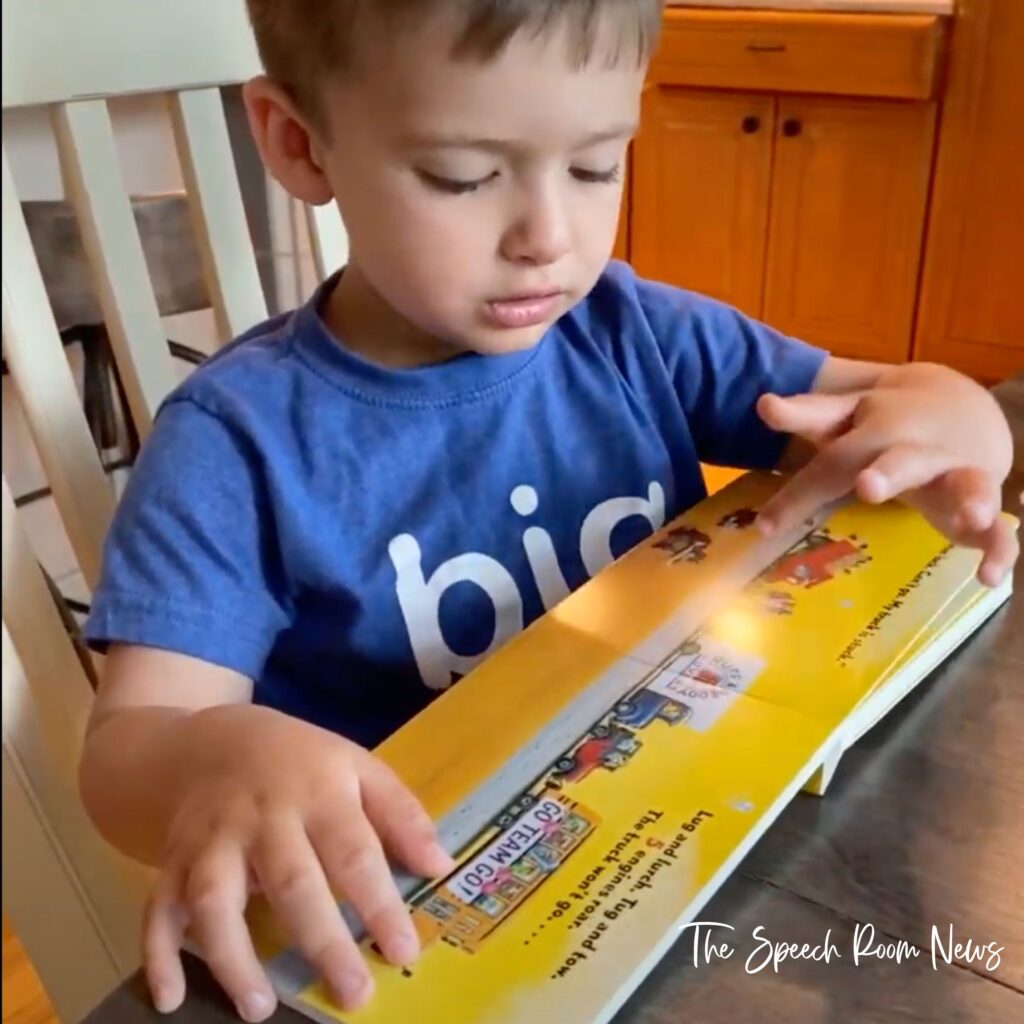
- Mechanisms: Made from thick cardboard pages, robust plastics, or even fabric, these books are designed for longevity. They often feature simplified illustrations and content.
- Therapeutic Goals:
- Independent Exploration: Children can handle these books without fear of damage, promoting independent interaction with print.
- Repetitive Reading: Their durability allows for countless re-readings, which is crucial for language acquisition through repetition.
- Concept Reinforcement: Often focusing on basic concepts like colors, shapes, or animals, they provide consistent exposure.
- Fine Motor Skills: Turning thick, sturdy pages helps develop nascent fine motor coordination.
- Examples in practice: "Pat the Bunny" (Dorothy Kunhardt), while also interactive, is a classic example of a durable book that withstands rigorous handling.
Board Books:
Board books are a cornerstone of early intervention speech therapy, primarily due to their sturdy construction, repetitive text, captivating illustrations, and potential for incorporating songs. They are specifically designed for the youngest readers and listeners.
- Mechanisms: Thick, laminated cardboard pages, often smaller formats, vibrant and simple illustrations, and frequently feature rhythmic or rhyming text.
- Therapeutic Goals:
- Repetitive Text and Auditory Memory: The predictable, repetitive nature of the text supports auditory memory, verbal imitation, and the development of early literacy skills. Children learn to anticipate and fill in missing words or phrases, a powerful expressive language strategy.
- Phonological Awareness: The rhythm and rhyme inherent in many board books make them excellent tools for teaching phonological awareness skills, such as identifying rhyming words or segmenting syllables.
- Expressive Language: Predictable patterns allow children to "read" along by filling in words or repeating phrases, boosting confidence in their verbal output.
- Musicality and Intonation: Many board books lend themselves to singing, which can enhance intonation, rhythm, and overall vocalization.
- Concept Development: Often focus on fundamental concepts like numbers, letters, animals, or daily routines, presented clearly and concisely.
- Examples in practice: Classics such as "Brown Bear, Brown Bear, What Do You See?" (Bill Martin Jr. and Eric Carle) with its repetitive pattern, or "Chicka Chicka Boom Boom" (Bill Martin Jr. and John Archambault) for its rhythmic alphabet exploration, are highly effective. Other examples include simple rhyming books, animal sound books, and books depicting daily routines.
The Expertise of the Speech-Language Pathologist
The SLP’s role extends beyond merely selecting appropriate books; it involves expertly adapting the reading experience to meet individual therapeutic goals. This may include:
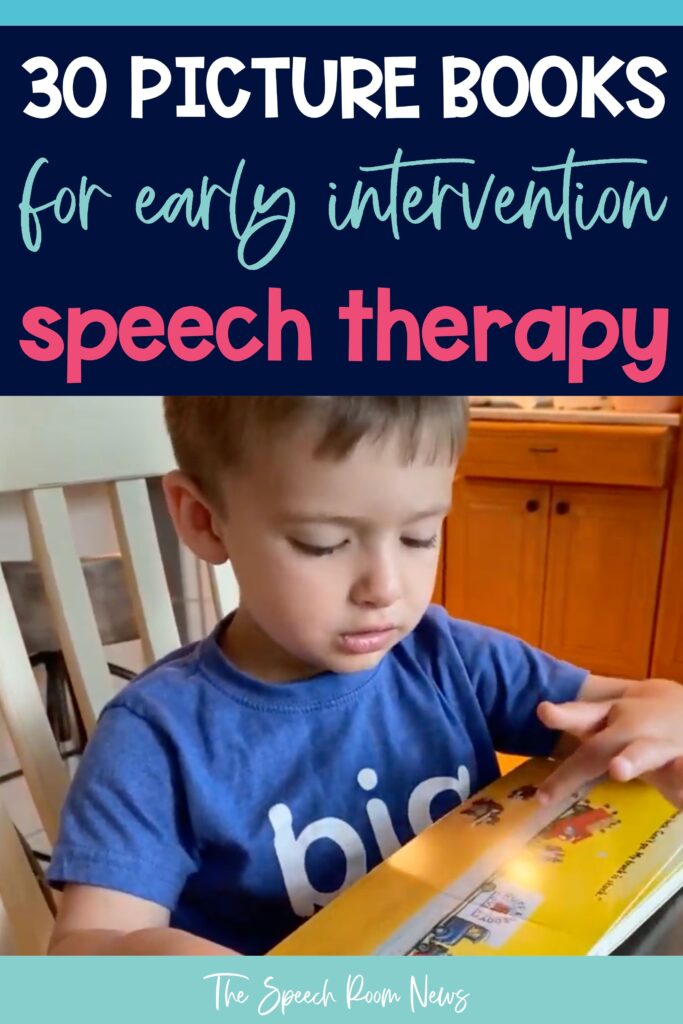
- Modeling Language: The SLP demonstrates correct pronunciation, grammatical structures, and expressive language.
- Asking Open-Ended Questions: Moving beyond simple "what’s that?" questions to encourage descriptive language and critical thinking (e.g., "How do you think the bear feels?" or "What might happen if…?").
- Pausing for Response: Strategically waiting for the child to initiate communication or fill in a word.
- Using Gestures and Visual Cues: Augmenting spoken language with non-verbal communication to enhance comprehension.
- Modifying Vocabulary and Sentence Structure: Simplifying language as needed to ensure comprehension and gradually increasing complexity.
- Targeting Specific Sounds or Grammatical Structures: Focusing on words within the book that contain target sounds or grammatical forms.
This data-driven approach, from assessment and goal setting to intervention and progress monitoring, ensures that picture books are not just used passively but are actively integrated into a comprehensive therapeutic plan.
Parental and Caregiver Involvement: Extending Therapy Beyond the Clinic
The success of early intervention is significantly amplified by the active participation of parents and caregivers. SLPs are not only therapists for the child but also coaches for the family, demonstrating effective strategies for language facilitation using picture books. Parents are taught how to:
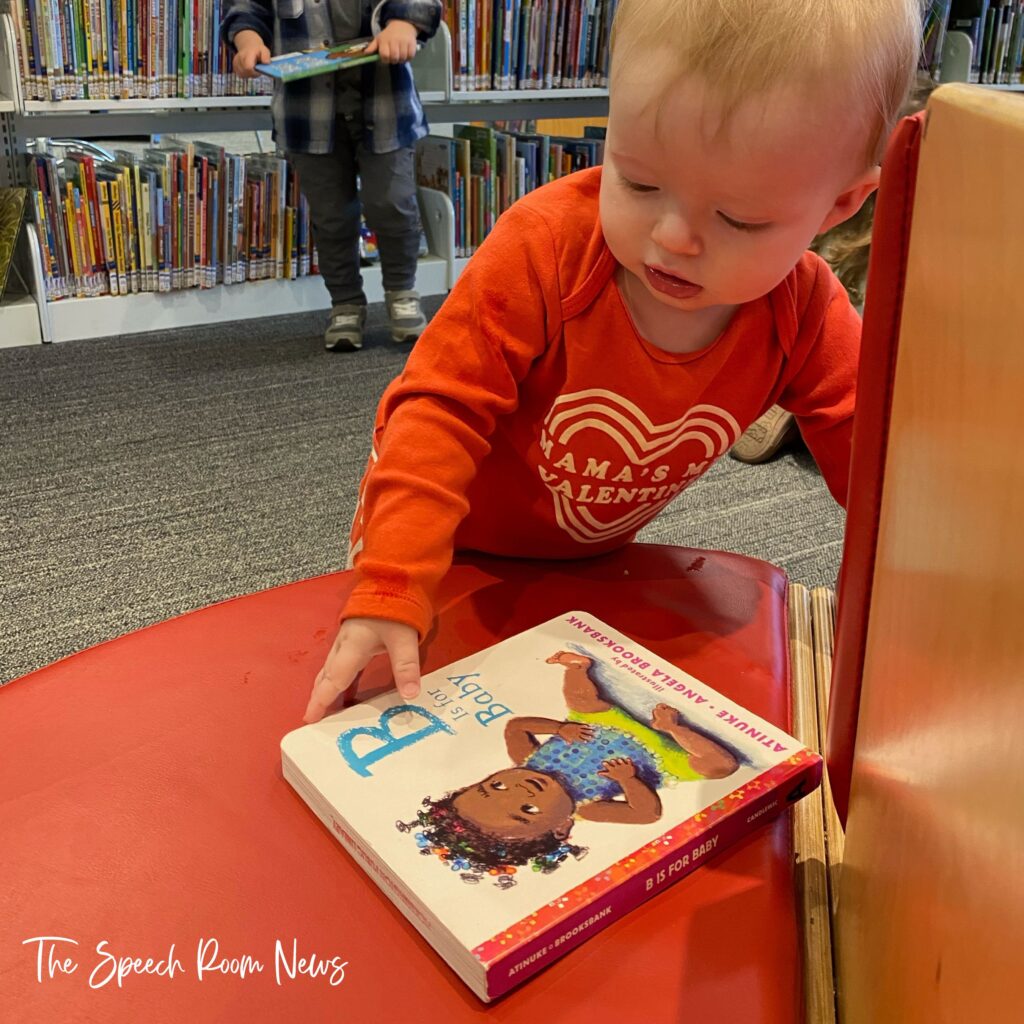
- Read Interactively: Engaging their child in conversation about the book, rather than just reading passively.
- Model Language: Using rich vocabulary and correct sentence structures during reading.
- Prompt Communication: Asking questions, waiting for responses, and encouraging their child to express themselves.
- Make Reading a Daily Routine: Establishing a consistent reading habit that reinforces language learning and fosters a love for books.
When parents implement these strategies consistently at home, the frequency and intensity of language exposure increase dramatically, leading to more rapid and sustained progress. This collaborative model transforms everyday interactions into therapeutic opportunities, underscoring the critical partnership between professionals and families in early intervention.
Long-Term Impact and Broader Implications
The profound benefits of incorporating picture books into early intervention speech therapy extend far beyond immediate linguistic gains. Successful early intervention, facilitated by engaging tools like books, has significant long-term implications:
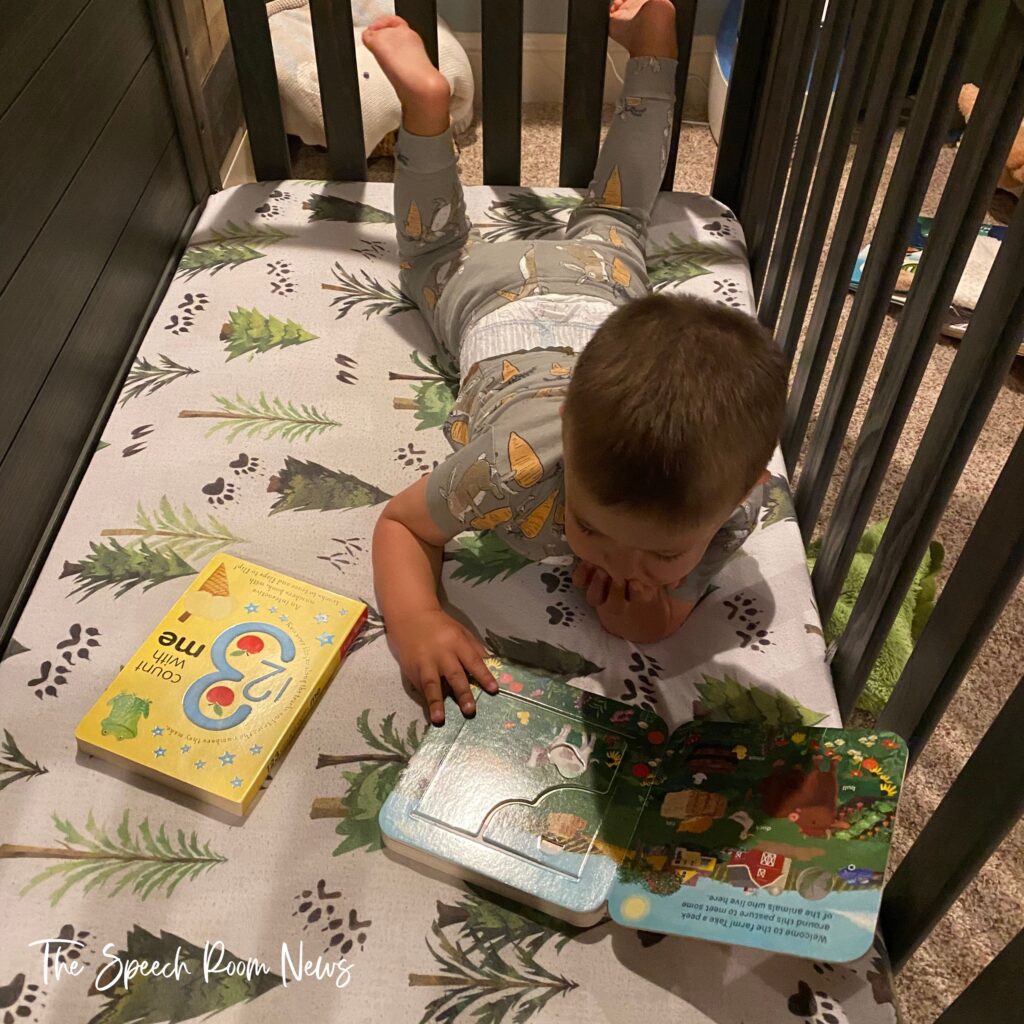
- Improved Academic Readiness: Children with strong early language skills are better prepared for formal schooling, exhibiting enhanced literacy skills, better comprehension, and stronger academic performance.
- Enhanced Social-Emotional Development: Effective communication is the cornerstone of social interaction. Children who can express their needs, wants, and feelings are better equipped to form friendships, resolve conflicts, and navigate social situations, leading to higher self-esteem and reduced behavioral challenges.
- Reduced Need for Future Services: Early and effective intervention can significantly reduce the need for more intensive or prolonged therapeutic services later in a child’s educational journey, representing a cost-effective and human-centric approach to developmental support.
- Holistic Family Well-being: When a child’s communication improves, family dynamics often become less stressful and more fulfilling, enhancing overall family well-being.
In conclusion, picture books are far more than mere diversions in early intervention speech therapy; they are powerful, evidence-based tools that unlock communication potential and foster holistic development in young children. By carefully selecting and strategically using interactive, durable, and board books, speech-language pathologists, in partnership with informed caregivers, can cultivate language growth, stimulate imagination, and establish an enduring foundation for lifelong learning and effective communication. The investment in these simple yet profound resources during a child’s most formative years yields invaluable returns, shaping not just individual communication pathways but also future academic success and social integration. Continued research and accessible early intervention services remain paramount to ensuring every child has the opportunity to thrive communicatively.
