


Father’s Day, observed annually on the third Sunday of June, offers a dedicated moment for families to honor and celebrate the paternal figures who have shaped their lives. However, for a significant portion of the population, this occasion is far from straightforward, evoking a complex tapestry of emotions rooted in deeply personal experiences. The very concept of "father," even when applied to a divine entity, can be a source of discomfort or pain for individuals whose relationships with their earthly fathers were marred by absence, neglect, abuse, or emotional distance. This stark reality, while poignant, underscores a fundamental truth often underestimated by societal narratives: the profound and indelible impact of fathers.
The significance of paternal involvement has been extensively documented by a wealth of research, consistently highlighting the challenges children face when fathers are absent from their lives. Studies indicate that boys may exhibit a higher propensity for antisocial behaviors, while girls often grapple with diminished self-esteem and more pronounced mental health concerns. This research is not merely academic; it paints a clear picture of the tangible consequences of paternal presence or absence. Whether a father is actively engaged or emotionally detached, supportive or critical, his influence invariably leaves an imprint on a child’s development, shaping their perceptions, behaviors, and overall well-being.
Understanding this pervasive influence requires looking beyond familial dynamics and into the broader science of human interaction. For decades, experts in the field of influence have explored its mechanisms, often in the context of business, leadership, and negotiation. However, the foundational principles of influence are established much earlier, beginning within the intimate sphere of the home. Parents, and fathers in particular, are among the earliest and most potent influencers in a child’s life. They play a critical role in molding how children perceive themselves, interact with others, and interpret the world around them. This understanding has prompted many parents to adopt a deliberate and intentional approach to raising their children, striving to cultivate positive influences and mitigate potential harm.
The practice of intentional parenting often involves a retrospective analysis of one’s own upbringing. Many parents, reflecting on their childhood experiences, aim to build upon the positive lessons learned from their parents while actively working to avoid repeating perceived mistakes. This intergenerational dialogue and conscious effort to improve upon past patterns is, in essence, a mechanism for societal betterment, contributing to the development of stronger families and more resilient communities, one child at a time.
The long-term outcomes of such intentionality can be profound. As children mature, the impact of their upbringing becomes increasingly evident. The consistent application of values, the demonstration of resilience in the face of adversity, and the alignment of words with actions all contribute to a child’s developing sense of integrity and trust. This echoes Robert Cialdini’s principles of influence, particularly the concept of consistency. Children are astute observers, and they notice when parents embody the principles they espouse. The credibility of parental guidance is directly linked to this congruence between teaching and practice. This early lesson in consistency forms a cornerstone of understanding influence, establishing that genuine authority stems from integrity.
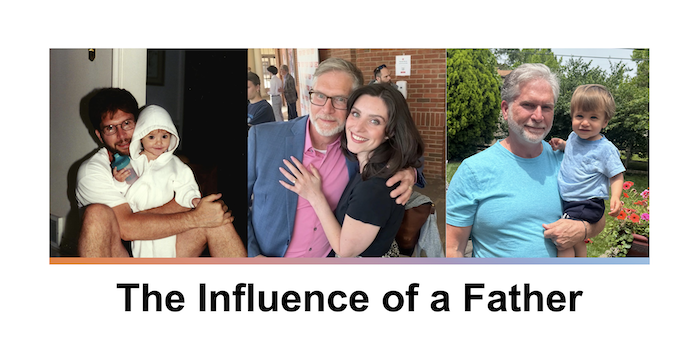
The role of a father evolves over time, offering new perspectives and opportunities for influence. As individuals transition into grandfatherhood, they experience parenting from a different vantage point. The joys and challenges of watching a grandchild grow, often through frequent and extended interactions, offer a potent reminder of the significant impact adults have on young lives. Every gesture of affection, every word of encouragement, and every moment of focused attention can contribute to a child’s development. Conversely, missed opportunities for connection or positive engagement can represent a loss of potential influence.
The Unseen Power of Paternal Presence
The societal underestimation of paternal influence is a recurring theme in discussions about child development. While mothers have historically received more attention in this regard, research consistently demonstrates the unique and vital contributions of fathers. A landmark study published in the Journal of Family Psychology indicated that fathers’ involvement is linked to improved cognitive development, enhanced social competence, and reduced behavioral problems in children. For instance, fathers who engage in playful interactions with their infants tend to foster greater exploratory behavior and problem-solving skills in their children. This is often attributed to the distinct play styles fathers frequently employ, which can encourage risk-taking and independent exploration in a safe environment.
Furthermore, the presence of an involved father has been shown to positively impact academic achievement. A meta-analysis of numerous studies revealed a significant correlation between paternal involvement and higher grades, better school attendance, and increased likelihood of pursuing higher education. This influence extends beyond academics, affecting emotional well-being. Studies by the National Fatherhood Initiative suggest that children with actively involved fathers are less likely to experience depression and anxiety.
Addressing the Complexities of Father’s Day
The emotional landscape surrounding Father’s Day is varied. For many, it is a day of joy and gratitude, a chance to express love and appreciation. However, for those who have experienced fractured relationships with their fathers, or for whom a father figure was absent entirely, the day can be a somber reminder of loss or pain. This includes individuals raised in single-parent households, those who experienced parental abandonment, or survivors of familial abuse. The term "father" can evoke memories of hurt rather than warmth, of absence rather than presence.
This emotional complexity is not unique to secular celebrations. Even in religious contexts, the concept of God as "Father" can be challenging for individuals whose earthly paternal experiences were negative. This highlights the deeply ingrained nature of our early relationships and their power to shape our broader perceptions, even of the divine.
The Science of Influence in Fatherhood
The field of social psychology, particularly the work of Robert Cialdini, offers valuable insights into the dynamics of influence within families. Cialdini’s seminal work, Influence: The Psychology of Persuasion, outlines six core principles: reciprocity, commitment and consistency, social proof, liking, authority, and scarcity. These principles are not merely tools for sales or marketing; they are fundamental to human interaction and are actively, often unconsciously, employed in the parenting process.
Fathers, by their very nature, exert influence through their actions, words, and the example they set. The principle of commitment and consistency is particularly relevant. When fathers demonstrate a commitment to their values and consistently act in accordance with them, they build credibility and trust with their children. Children learn to rely on this consistency, understanding that their father’s words carry weight because they are backed by his actions.
The principle of liking also plays a significant role. Children are more receptive to the influence of those they like and admire. Fathers who are warm, approachable, and supportive foster a stronger bond with their children, making them more open to guidance and advice.
Social proof is evident when children observe their father interacting positively with others, demonstrating respect and empathy. This can influence their own social behaviors and their understanding of community.
While authority can be a component, genuine influence is built more on respect and earned trust than on positional power. Children are more likely to be persuaded by a father who demonstrates competence and wisdom through his actions and decisions.
The principle of scarcity, while less directly applicable to day-to-day parenting, can be seen in moments where a father’s focused attention or availability becomes a cherished commodity, reinforcing its value.
Intentional Parenting: A Lifelong Commitment
The journey of fatherhood, particularly when approached with intentionality, is a continuous learning process. Many parents draw upon their own upbringing, seeking to replicate positive aspects while actively addressing perceived shortcomings. This conscious effort to evolve and improve is crucial for fostering healthy family dynamics and contributing to the generational well-being of a family.
The impact of this intentionality is often most visible in the adult children. When parents prioritize active listening, consistent discipline, emotional support, and the modeling of positive behaviors, the resulting individuals often exhibit greater resilience, empathy, and personal fulfillment. This is not an accidental outcome; it is the product of deliberate effort and a deep understanding of the profound influence a father holds.
A Grandfather’s Perspective
Experiencing fatherhood from the role of a grandfather offers a unique vantage point. The ability to nurture and guide a grandchild, often with the benefit of accumulated wisdom and a slightly more relaxed pace, can be incredibly rewarding. It reinforces the cyclical nature of influence, where lessons learned and love shared are passed down through generations. The close proximity and regular engagement with a young grandchild underscore the continuous opportunities for positive impact, emphasizing that even small gestures of love and attention can have a lasting effect.
The Unwavering Message to Fathers
As Father’s Day approaches each year, the overarching message to fathers remains consistent and critically important: Never underestimate your influence. The presence, words, example, and love of a father are powerful forces that shape the trajectory of a child’s life. Children are constantly observing and learning, absorbing the lessons embedded in their fathers’ daily actions and interactions.
This influence is not contingent on perfection. No father is perfect, and acknowledging this human fallibility is part of the process. However, intentionality is key. Fathers have the power to consciously shape memories, beliefs, and habits that can endure a lifetime. The question is not if a father will influence his children, but rather what kind of influence he will wield. By embracing this responsibility with awareness and dedication, fathers can leave a legacy of positive impact, contributing to the strength and well-being of their families and, by extension, society as a whole. The enduring legacy of fatherhood lies not in grand gestures, but in the consistent, everyday acts of love, guidance, and presence that lay the foundation for a child’s future.
