

The modern workplace, a dynamic ecosystem shaped by technological advancements, evolving social norms, and a growing emphasis on authenticity, presents a stark contrast to the professional environments of the late 20th century. For individuals embarking on their careers in the mid-1980s, the unspoken rules of workplace engagement were significantly different, particularly concerning the topics deemed appropriate for professional discussion. What was once considered strictly off-limits – sex, religion, and politics – has, over the past four decades, gradually permeated the professional sphere, influencing how individuals present themselves and interact within their organizations and on digital platforms. This evolution, marked by a significant shift from a culture of professional discretion to one of increasing transparency, is prompting a reevaluation of personal and professional identity in the workplace.
The Era of Professional Silence: A Look Back at Workplace Norms
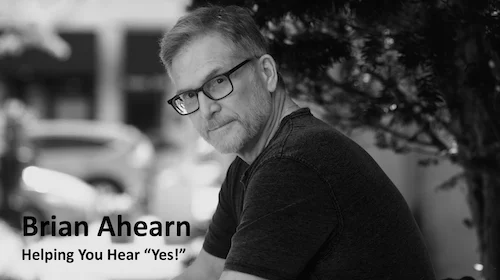
When Brian Ahearn commenced his career in July 1986, fresh from Miami University and employed by Travelers Insurance, the prevailing workplace culture was characterized by a distinct separation between personal life and professional responsibilities. While technological disparities and dress code variations were evident, the most profound difference lay in the tacit understanding of what could and could not be discussed during working hours. The cardinal rule was clear: personal beliefs, particularly those concerning sex, religion, and politics, were to be left at home. Employees were engaged for their professional output, not for their advocacy of social causes or the sharing of deeply personal viewpoints. This unspoken agreement fostered an environment where professional interactions were largely confined to the tasks at hand, minimizing potential friction or distraction stemming from deeply held individual convictions.
This era was not necessarily characterized by a lack of diversity in thought or belief among the workforce. Rather, it reflected a societal consensus, or at least a widely adopted professional standard, that public discourse in the workplace should remain neutral and focused on organizational objectives. This approach was, in part, a legacy of industrial-age workplaces and a general societal reticence to introduce potentially divisive personal matters into formal settings. The rationale was straightforward: to maintain focus, foster collegiality based on shared professional goals, and avoid the complexities and potential conflicts arising from personal beliefs.
The Great Unfolding: A Transformation in Professional Dialogue
Fast forward approximately forty years, and the professional landscape has undergone a dramatic metamorphosis. The very topics that were once considered sacrosanct and to be excluded from workplace conversations are now not only present but often integral to the professional dialogue. Platforms such as LinkedIn, once primarily a digital resume and networking tool, have evolved into forums where individuals frequently share their stances on social, political, and deeply personal issues. In many instances, there appears to be an implicit, and sometimes explicit, expectation that professionals will articulate their positions on these matters, contributing to a more open, albeit sometimes contentious, exchange of ideas.
This shift can be partly attributed to broader societal trends. The rise of social media has democratized public discourse, empowering individuals to voice their opinions on a wide array of subjects. Furthermore, a growing awareness and vocalization of social justice movements, political engagement, and the importance of mental health and well-being have naturally found their way into all aspects of life, including the workplace. Organizations themselves have also contributed to this change, with many actively promoting diversity, equity, and inclusion initiatives that encourage employees to bring their whole selves to work. This can, in turn, lead to more open discussions about personal values and beliefs.
A Personal Turning Point: Integrating Faith and Influence
This significant evolution in workplace discourse served as a catalyst for Brian Ahearn’s recent work, particularly his book, Influenced from Above: Where Faith and Influence Meet. Ahearn describes this as a turning point in his career, where he chose to be more open about his faith. His intention, as he clarifies, is not to proselytize but to create an environment where others feel empowered to integrate their faith into their professional lives without fear of judgment or the need for concealment.
For Ahearn, this integration represents the culmination of decades of study and teaching in the science of influence, now harmoniously combined with his deeply held personal faith. He posits that for years, a common perception was that religion was a private matter, to be confined to homes or places of worship. However, drawing upon theological tenets, he argues that for believers, faith is an intrinsic aspect of their being, animated by the Holy Spirit, and thus inherently extends to all areas of life, including the professional realm. This pervasive influence, he contends, shapes one’s worldview, decision-making processes, and interpersonal interactions, irrespective of whether faith is explicitly discussed. Consequently, faith, in its myriad subtle and overt manifestations, inevitably impacts the workplace, whether acknowledged or not.
The Modern Exchange: Navigating Faith in Professional Spaces
A recent exchange on LinkedIn served as a potent reminder for Ahearn of this evolving dynamic. He engaged with another individual who, despite identifying as Christian, expressed reservations about discussing religion on the platform. Ahearn respectfully disagreed, articulating his rationale: in an era where once-unacceptable topics are now openly debated in professional settings, faith, when expressed with thoughtfulness and respect, should not be an exception.
The substance of their discussion was less important to Ahearn than the manner of their engagement. He emphasizes that the exchange was characterized by honesty, curiosity, and civility. This approach culminated in the other individual’s acknowledgment: "Candor and disagreement without vitriol! Who would have thought. Thank you for the invitation." This affirmation underscored Ahearn’s long-held belief that true influence is not about forceful persuasion but about cultivating relationships grounded in mutual respect. This perspective highlights the potential for constructive dialogue even on sensitive topics when approached with empathy and a genuine desire to understand.
Embracing Authenticity: The Challenge of Openness
Ahearn admits that his own comfort level with seeing discussions about sobriety journeys, political stances, social issues, and personal struggles in professional spaces has evolved over time. He acknowledges that whether he agrees or disagrees with an individual’s decision to share such information is secondary to the reality that this is now an inherent aspect of the contemporary business landscape.

He explains his typical approach to these conversations: he often refrains from direct engagement, recognizing that such discussions can easily devolve into divisive debates rather than productive dialogue. However, he distinguishes between choosing not to engage and choosing to hide one’s own deeply held values. Ahearn anticipates that his increased openness about how his faith informs his understanding of influence may not resonate with everyone, and he accepts this as a natural consequence. His objective is not to convert or persuade but to share his lived experience in the hope of encouraging others to reflect on how their fundamental values already shape their professional conduct – their leadership, sales strategies, hiring practices, and overall influence – whether they consciously recognize it or not.
The Enduring Impact of Values in Professional Life
The core of Ahearn’s argument rests on the premise that faith and values are not compartmentalized aspects of life that can be switched off upon entering the workplace or logging onto professional networks. These deeply ingrained principles are integral to an individual’s identity and, consequently, their professional interactions. The critical question, therefore, is not whether these values exert influence, but rather whether individuals are willing to engage in self-reflection to understand how they do so.
This process of introspection, Ahearn suggests, is instrumental in fostering personal growth. By understanding the underpinnings of their own beliefs and how they manifest in their professional lives, individuals can cultivate a more authentic and ethical approach to their work. This self-awareness, he contends, ultimately leads to becoming better human beings, more effective leaders, and more principled influencers in all spheres of professional engagement. The implication is that a deeper understanding of one’s own values can lead to more intentional and ethical decision-making, contributing to a more positive and productive work environment for all.
Broader Implications for the Modern Workforce
The phenomenon described by Ahearn reflects a broader societal and organizational shift. The increasing expectation of authenticity in the workplace, coupled with the pervasive nature of digital communication, has blurred the lines between personal and professional identities. This presents both opportunities and challenges.
Opportunities:
- Enhanced Authenticity and Trust: When individuals feel safe to express their values and beliefs, it can foster a sense of psychological safety and trust within teams. This can lead to stronger relationships and more genuine collaboration.
- Deeper Engagement and Purpose: For many, aligning their work with their values provides a greater sense of purpose and fulfillment. This can translate into increased motivation and commitment.
- Richness of Diverse Perspectives: Open dialogue about diverse values and beliefs can enrich organizational perspectives, leading to more innovative problem-solving and a better understanding of diverse customer bases.
Challenges:
- Potential for Conflict: As Ahearn notes, discussions on sensitive topics can easily devolve into conflict if not managed with respect and civility. This requires skilled facilitation and a commitment to constructive dialogue.
- Navigating Boundaries: Determining appropriate boundaries for personal sharing in a professional context can be challenging. What one person considers appropriate, another may find intrusive or unprofessional.
- Risk of Division: If not handled carefully, the expression of deeply held beliefs can lead to polarization and division within the workplace, undermining team cohesion.
- Legal and Policy Considerations: Organizations must navigate legal frameworks surrounding religious expression and political activity in the workplace, ensuring compliance while fostering an inclusive environment.
Data and Expert Perspectives
Research consistently highlights the growing importance of values and authenticity in the workplace. A 2023 Deloitte survey on Global Human Capital Trends found that "purpose-driven organizations" that align with employee values report higher levels of engagement and retention. Furthermore, studies on inclusive leadership consistently emphasize the importance of leaders understanding and valuing the diverse backgrounds and beliefs of their team members.
Dr. Brene Brown, a research professor and author known for her work on vulnerability and courage, frequently speaks about the power of bringing one’s whole self to work. Her research suggests that while vulnerability can be risky, it is essential for building meaningful connections and fostering innovation. Similarly, organizational psychologists often point to the benefits of creating environments where employees feel they can be authentic, leading to reduced stress and increased job satisfaction.
The trend towards greater personal disclosure in professional settings is not limited to faith; it encompasses a wide range of personal experiences, including mental health challenges, family life, and personal growth journeys. This signifies a societal maturation that acknowledges the interconnectedness of an individual’s life and their professional contributions.
The Path Forward: Cultivating Respectful Dialogue
The evolution of workplace discourse from one of strict silence to one of open, albeit sometimes complex, dialogue necessitates a focus on developing crucial interpersonal skills. The ability to engage in respectful disagreement, practice active listening, and maintain empathy are paramount. Organizations that proactively foster cultures of psychological safety and provide training in communication and conflict resolution are better positioned to harness the benefits of this new era of transparency while mitigating its potential pitfalls.
As Brian Ahearn suggests, the ultimate goal is not to force individuals to disclose their deepest beliefs but to encourage a conscious reflection on how these values shape their professional actions. This introspective process, when embraced by individuals and supported by organizations, has the potential to cultivate more ethical, effective, and ultimately, more human workplaces. The journey from a strictly compartmentalized professional life to one that embraces authentic self-expression is ongoing, requiring continuous adaptation, open communication, and a commitment to fostering environments where diverse perspectives can coexist and contribute to collective success.
