

Sales Kickoff (SKO) events, often likened to significant rites of passage marking the commencement of a new chapter, represent a pivotal annual investment for sales organizations worldwide. Far more than mere gatherings, these events are strategically designed to invigorate sales teams, align objectives, and establish a cohesive vision for the fiscal year ahead. From the ceremonial smashing of a champagne bottle on a ship’s hull to herald its maiden voyage, to the collective singing of Auld Lang Syne on New Year’s Eve, the principle remains the same: to signify a fresh start and galvanize participants for future endeavors. For sellers, SKOs serve this crucial function, demanding meticulous planning, insightful reflection, and a compelling narrative to ensure every participant is not only present but fully engaged and committed.
The Evolution and Investment in Sales Kickoffs
Historically, sales kickoffs often functioned as extensive information dumps, characterized by lengthy presentations on financials, product roadmaps, and high-level corporate directives. However, industry analyses indicate a significant evolution in their approach. Modern SKOs are increasingly recognized as critical strategic platforms, shifting from passive consumption to active engagement, motivation, and skill development. This transformation is driven by a recognition that an uninspired sales force can directly impact revenue targets and market share.
The financial commitment to SKOs is substantial. Market research firms estimate that companies collectively spend billions annually on corporate events, with sales kickoffs often representing a significant portion of this expenditure. Average costs per attendee can range from hundreds to thousands of dollars, depending on location, duration, and content complexity. This considerable investment underscores the high stakes involved; a poorly executed SKO can lead to disengagement, confusion, and a failure to achieve critical sales objectives, effectively wasting resources and opportunity. Conversely, a well-orchestrated event can yield substantial returns, including increased sales productivity, improved team morale, enhanced product knowledge, and higher retention rates among top performers. Studies have shown that highly engaged sales teams can outperform their disengaged counterparts by a significant margin, directly linking SKO effectiveness to bottom-line results.
Pillar One: The Audience at the Core of Strategy
A fundamental shift in SKO planning involves prioritizing the audience’s perspective. While leadership naturally focuses on organizational health, future projections, and the bottom line, assuming sellers share these exact concerns can be a critical misstep. The result is often a deluge of data-heavy slides and abstract goals that fail to resonate, leading to disinterest and missed opportunities for genuine connection. As observed by sales enablement experts, the most impactful SKOs begin with a profound understanding of the sales force itself.

Before any content is drafted, planners must ask: "Who is my audience, and what are their current realities?" This involves delving into their daily challenges, aspirations, frustrations, and motivations. For instance, while leadership might frame a new AI-enabled sales workflow as a "productivity win," sellers might initially perceive it as "more work," "learning a new system," or even a "threat to their existing processes." An audience-first approach would anticipate these reservations and reframe the narrative to highlight tangible benefits for the sellers. Instead of focusing solely on corporate efficiency metrics, the messaging would emphasize how the new AI tools will save sellers significant time on clerical tasks, freeing up valuable hours (e.g., 8-10 hours per week, according to internal pilot programs) to nurture high-value client relationships and pursue more meaningful engagements.
Effective audience-centric planning extends beyond messaging to the entire event experience. This includes careful consideration of the daily schedule to prevent "Zoom fatigue" in virtual settings or burnout in in-person events. Providing adequate breaks, nourishing meals, and sufficient caffeine are basic but vital elements. Moreover, incorporating a blend of passive learning (keynotes) and active participation (small group breakouts, interactive workshops) ensures sustained engagement. For the AI workflow example, rather than a mandatory live demonstration, allocating time for hands-on, small-group exploration allows sellers to test the technology, ask questions in a low-stakes environment, and develop a personal investment in its success. Gathering insights from team leaders and direct seller interviews, perhaps using structured tools like an "Audience Needs Map," provides the raw material to craft messaging that truly speaks to their experiences and addresses their pain points head-on. This collaborative approach ensures that company goals are articulated in a relatable manner, fostering an environment conducive to maximum absorption and enthusiasm.
Pillar Two: Forging a Unified Narrative with a "Big Idea"
Amidst the array of information typically presented at an SKO—from financial performance and product roadmaps to market forecasts—the risk of overwhelming the audience is high. A core principle of impactful communication, often highlighted in presentation strategy, is the establishment of a singular, memorable "Big Idea." This concept acts as the North Star for the entire event, distilling all messaging into one clear, concise takeaway that participants can grasp and retain.
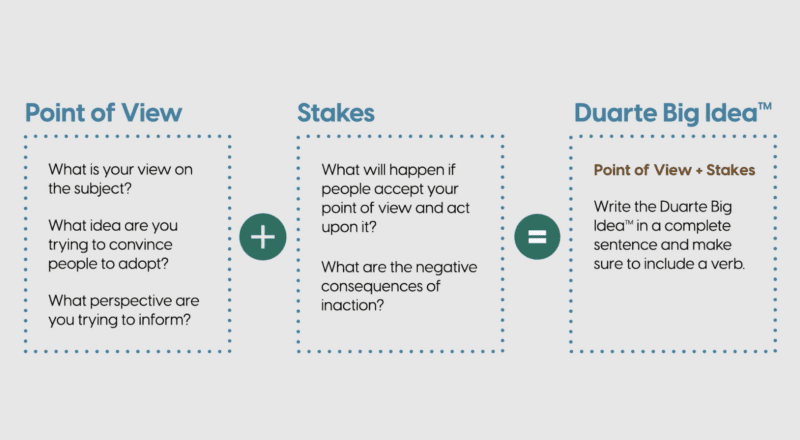
A "Big Idea" is formulated by combining a unique Point of View (what the organization believes or advocates) with the Stakes (what will happen if the audience accepts this view and acts upon it, or the negative consequences of inaction). This framework ensures that every segment of the SKO contributes to reinforcing this central message. For example, regarding the new AI workflow, the "Big Idea" might be: "This new AI workflow will cut clerical tasks for sellers by 20%, freeing up between 8-10 hours a week for high-value account holders, thereby directly impacting customer satisfaction and increasing deal velocity." This statement is specific, highlights both the benefit and the consequence (implied improved performance), and provides a clear call to action.
The development of such a concise message requires discipline. It forces leaders to identify the absolute essence of what they want to communicate and ruthlessly eliminate extraneous details. Anything that does not directly serve this "Big Idea" should be communicated through alternative channels, such as pre-event materials or follow-up resources, rather than cluttering the core event. Sales leaders and communications specialists often dedicate significant time to refining this central message, understanding that its clarity is paramount to achieving organizational alignment and driving desired behaviors post-SKO. The implication of a strong "Big Idea" is profound: it provides a unified direction, minimizes confusion, and ensures that the diverse elements of an SKO coalesce into a powerful, coherent narrative that resonates long after the event concludes.
Pillar Three: The Timeless Power of Storytelling: A 3-Act Structure
Once the audience is understood and a clear "Big Idea" is established, structuring the SKO’s narrative flow becomes critical. Leveraging the universally understood 3-Act story structure—a beginning, middle, and end—provides a familiar framework that allows audience members to intuitively follow the progression of ideas and emotionally connect with the message. This structure is deeply ingrained in human culture, forming the backbone of everything from ancient myths to modern blockbusters.
- The Beginning: This act introduces the current reality, positions the audience as the heroes of the narrative, and acknowledges their existing feelings, challenges, and needs. It sets the stage for change by clearly articulating "what is."
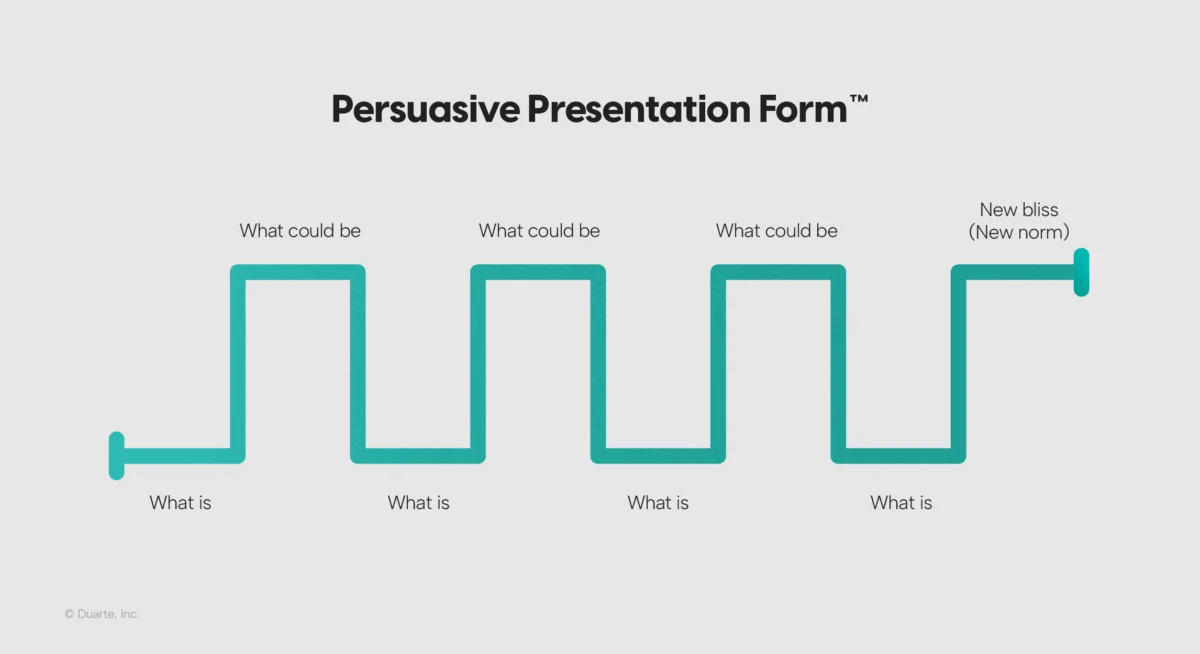
- The Middle: This is where the core action unfolds. The heroes (sellers) encounter obstacles, learn new strategies (like adopting the AI workflow), and experience growth. This section often utilizes a "Persuasive Presentation Form," alternating between "what is" (current pain points, inefficiencies) and "what could be" (the envisioned future, the benefits of the proposed change). This creates a dynamic tension that drives the narrative forward, making the audience yearn for the resolution. For instance, acknowledging the initial difficulty of adopting new tech ("Change is hard. There’s going to be some bumps…") before illustrating the potential gains ("…you’ll find more space in your day to nurture high-value accounts…"). This transparent approach builds trust and prepares the audience for the journey.
- The End: The resolution sees the hero transformed, having navigated challenges and embraced the new reality. Tension is released as the "what could be" becomes tangible. This act reinforces the "new bliss" — the positive outcomes of adopting the "Big Idea."
This narrative arc, championed by communication strategists, ensures that the audience is not just informed but persuaded and inspired. By baking obstacles directly into the narrative, speakers can address concerns proactively, demonstrating empathy and offering solutions. The psychological impact is significant: audiences are more likely to retain information presented within a story, and the emotional journey makes the message more memorable and compelling. Using visual aids like "Sparklines" or physical tools like sticky notes to map out the "what is/what could be" oscillations can help planners refine the narrative flow, ensuring a natural cadence that moves hearts and minds towards embracing the new vision.
Pillar Four: The Human Element: Weaving Personal Stories
The final, yet immensely powerful, element in crafting a successful SKO is the inclusion of authentic personal stories. While data and strategic frameworks provide the backbone, a well-placed anecdote can humanize the message, forge emotional connections, and build trust between leadership and the sales force. Many leaders find this challenging, but the impact of genuine effort outweighs the risk of imperfect delivery.
Personal stories serve multiple critical functions: they make abstract concepts relatable, enhance message retention, and showcase leadership’s vulnerability and authenticity. For example, when introducing the AI workflow, a leader might share: "While testing this new workflow over the past several months, something unexpected happened. My son was entering his ‘terrible-twos,’ and my wife and I were exhausted. I was working late every night, and she was increasingly on toddler duty. But as my understanding of these tools grew, my days started ending earlier. I was keeping pace with tasks and getting time back. Now we all go to the park every day after picking him up from daycare. He can run his wheels, I’m contributing more around the house, and we’re all sleeping a little better."
This anecdote transforms a technical implementation into a relatable human experience, illustrating the tangible, personal benefits of the AI tool beyond just professional metrics. It demonstrates that leadership understands the work-life balance challenges faced by sellers and actively seeks solutions that improve their overall well-being. Such stories resonate deeply, making the message more memorable and fostering a sense of shared purpose. Practicing these anecdotes in smaller settings, such as team meetings, allows speakers to gauge reactions and refine their delivery before the high-stakes SKO. The goal is not necessarily deep vulnerability, but a glimpse into the human behind the title, creating bridges of empathy and trust that inspire action.
Planning and Execution: A Strategic Timeline

The journey to an impactful SKO is a marathon, not a sprint. A typical planning cycle spans several months, beginning with strategic alignment 6-12 months out, where objectives, themes, and budgets are solidified. The 3-6 month mark focuses on content development, speaker selection, and initial logistical arrangements. In the final 1-3 months, rehearsals, material finalization, and detailed logistical coordination take precedence. Post-event, robust follow-up and measurement mechanisms are crucial to sustain momentum and evaluate ROI. This comprehensive approach, supported by cross-functional collaboration between sales, marketing, HR, and external communication experts, ensures that every aspect of the SKO contributes to its overarching strategic goals.
Measuring Success and Future Implications
The success of an SKO is not merely measured by attendance or immediate feedback. True impact is reflected in sustained improvements in key performance indicators (KPIs) such as sales targets achieved, average deal size, pipeline growth, and customer satisfaction scores. Post-SKO surveys, ongoing coaching, and continuous reinforcement of the "Big Idea" are vital for translating event energy into enduring results.
In conclusion, the modern Sales Kickoff is a sophisticated strategic instrument. By prioritizing the audience, establishing a compelling "Big Idea," structuring the narrative with a timeless 3-act story arc, and weaving in authentic personal connections, organizations can transform these annual events into powerful catalysts for growth. A well-executed SKO not only motivates and equips the sales force but also strengthens company culture, enhances employee retention, and ultimately, drives the sustained achievement of ambitious business objectives, reaffirming its status as a critical investment in an organization’s future success.
