

The journey of a child’s speech and language acquisition is a complex and fascinating process, yet for many families, it can present significant challenges when developmental milestones are not met as expected. Early intervention speech therapy stands as a cornerstone in addressing these delays, offering a critical pathway to improved communication skills and broader developmental success. For speech-language pathologists (SLPs) and parents alike, recognizing the profound impact of timely intervention and active engagement is paramount. This specialized support system not only targets specific speech and language deficits but also fosters cognitive, social, and emotional growth, laying a robust foundation for a child’s future. The commitment to understanding and participating in these therapeutic strategies, coupled with systematic progress tracking, empowers both clinicians and caregivers to navigate the intricacies of a child’s communication journey effectively.
Understanding the foundational principles of early intervention speech therapy is essential for appreciating its far-reaching benefits. Early intervention refers to a system of services designed to help infants and toddlers (from birth to three years of age) with developmental delays or disabilities. In the context of speech and language, these services are tailored to address difficulties in articulation, phonology, expressive language (what a child says), receptive language (what a child understands), pragmatics (social use of language), and fluency. Research consistently highlights that the period from birth to age three is a critical window for brain development, particularly for language acquisition. During this time, the brain exhibits remarkable plasticity, making it highly receptive to new learning and capable of significant neural reorganization. Intervening early allows therapists to leverage this developmental window, often leading to more significant and lasting improvements compared to interventions initiated later in childhood. Studies from organizations like the American Speech-Language-Hearing Association (ASHA) underscore that children who receive early intervention for speech and language delays are more likely to achieve age-appropriate communication skills, experience greater academic success, and exhibit fewer behavioral issues than those who do not.
The personal journey of many speech-language pathologists often includes a deeper, more empathetic understanding of these challenges when they encounter them within their own families. A common narrative involves an SLP, professionally trained to observe and facilitate language development, experiencing firsthand the anxieties and questions that arise when their own child exhibits signs of a speech delay. What begins as an anticipated joy of documenting a child’s first babbles, words, and phrases can transform into a period of watchful concern if those milestones are missed. This shift in perspective, from clinician to concerned parent, often reveals the profound importance of meticulous observation and data collection. When faced with a "late talker," the professional instinct for structured tracking becomes invaluable, not merely for personal reassurance but as a crucial tool for collaboration with other early intervention specialists. Such data, systematically recorded, provides objective evidence of growth and change over time, enabling more informed discussions during therapy sessions and facilitating precise adjustments to treatment plans. This dual role—as both expert and primary caregiver—illuminates the indispensable nature of detailed record-keeping in guiding effective early intervention strategies.
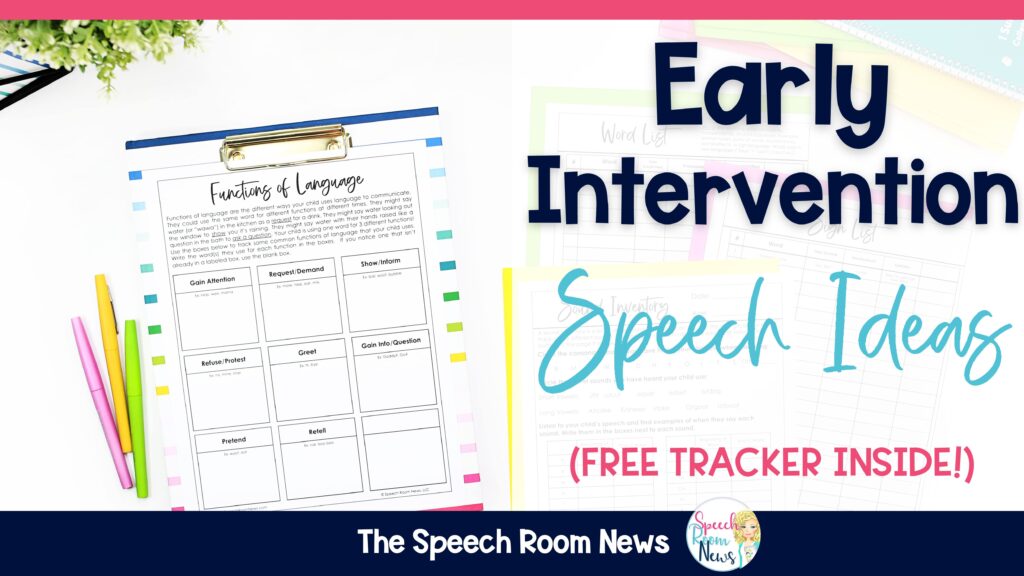
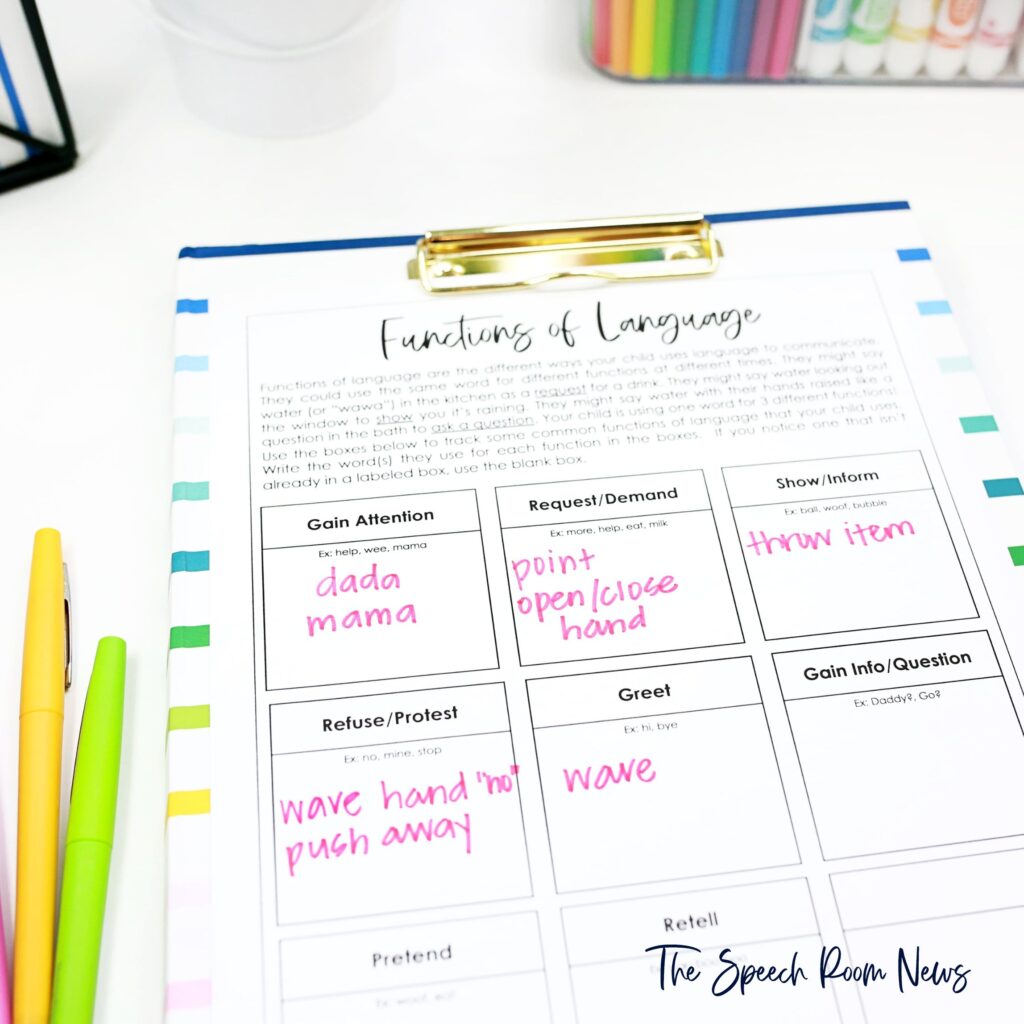
Tracking a child’s first speech sounds and words is not merely an exercise in documentation; it is a vital component of effective early intervention. As children progress through various developmental stages, specific communication milestones serve as indicators of typical development. When a child deviates from these expected patterns, maintaining a detailed record of their emerging sounds and words becomes indispensable. For parents, the sheer volume of new linguistic attempts can make it challenging to recall precisely when a new sound or word was produced. A systematic tracking method eliminates guesswork, providing concrete data that can be readily shared with an SLP. This data is critical for therapists to accurately assess progress, identify patterns, and tailor interventions. Beyond simple word counts, tracking should encompass the type of sounds a child is making and the syllable shapes they are forming. For instance, noting the emergence of consonant-vowel (CV) words like "mama" or "dada," vowel-consonant (VC) words like "up," consonant-vowel-consonant-vowel (CVCV) structures like "bye-bye," or more complex consonant-vowel-consonant (CVC) words like "ball," offers valuable insights into phonological development. Such detailed records allow SLPs to discern a child’s phonemic inventory and syllable structure repertoire, which are crucial for designing targeted therapy activities. Resources like "First Words Trackers" or "Encouraging First Words Handouts" are specifically designed to assist parents in this critical data collection, empowering them to become active participants in their child’s therapeutic journey. These tools are often provided by SLPs after initial observations and assessments, serving as practical guides for continued progress monitoring at home.
Identifying a "late talker" requires a nuanced understanding of developmental variability. While every child develops at their own pace, certain indicators suggest a need for professional evaluation. A "late talker" is generally defined as a child aged 18-30 months who has a limited vocabulary for their age (typically fewer than 50 words by 24 months) and does not yet combine words into two-word phrases. However, not all late talkers require intervention, as some spontaneously catch up to their peers. The concern arises when a child exhibits additional risk factors such as a lack of gestures, limited social interaction, difficulty understanding simple commands, or a family history of speech and language delays. Early intervention handouts specifically address these concerns, explaining what constitutes a "word," outlining the stages of babbling, and offering strategies for child-led play to stimulate speech. These resources are valuable for parents and can also be adapted for use with delayed preschool students. The critical recommendation for parents who suspect a speech delay is to consult their pediatrician or contact their local school district for an early intervention evaluation. These evaluations determine eligibility for speech therapy services, which can be life-changing. Early diagnosis and intervention can mitigate potential long-term impacts on literacy, academic performance, and social-emotional development.

Incorporating speech therapy activities into daily routines transforms mundane moments into powerful learning opportunities. This approach capitalizes on the predictability and repetition inherent in daily life, providing consistent exposure to target vocabulary, social expectations, and action words. By embedding therapeutic goals within familiar contexts, children are more likely to generalize new skills and integrate them naturally into their communication repertoire.
One highly effective context for language stimulation is eating a snack. Unlike structured meal times, which can be more complex, snack time offers a low-pressure environment conducive to focused communication. Parents can leverage this by pouring a favorite snack into a bowl and modeling language extensively. For example, while pouring, a parent might say, "Look, I’m pouring some crackers into the bowl. Yum! I love to eat crackers. You like to eat crackers too. Mmmm, crackers." The key is repetition and clear articulation. Subsequently, offering the snack with an expectant gaze and a simple question like, "Do you want crackers?" creates a communication temptation. The goal is not immediate perfect articulation, but to encourage any form of communication—a word approximation, a gesture, or even eye contact. Celebrating these initial attempts reinforces the child’s efforts and motivates further engagement. This consistent modeling helps a child associate words with objects and actions, gradually building their receptive and expressive vocabulary.
Another prime opportunity for language development lies in the brushing teeth routine. The mirror serves as an excellent tool for establishing back-and-forth social routines and self-awareness, which are foundational for communication. Parents can engage in playful interactions, making silly faces, imitating sounds, or pointing to body parts in the mirror. Crucially, explaining the "what" and "why" behind each action significantly enhances a child’s learning. Instead of a terse "Brush your teeth," a more elaborate explanation transforms the activity into a rich language lesson: "It’s time to brush your teeth. We brush and clean our teeth so they stay healthy. We want healthy teeth so we can eat all kinds of foods. Let’s get your green toothbrush. Can you find the toothpaste? Squeeze just a little bit out. Now what do we do? Yes! Let’s brush the front. Now what? Yes—time to brush the back! You brushed your teeth. Now let Mommy brush them too. I am brushing the front and the back. I go up and down and make sure I get all your teeth. We did it! Time to rinse our teeth and our brush so they stay clean." This detailed narration introduces new vocabulary, explains cause-and-effect, and models sentence structure. Furthermore, using positional words like "up/down" and "front/back" during this routine strengthens a child’s understanding of spatial concepts, crucial for both language and cognitive development. These types of embedded activities are outlined in comprehensive resources such as the "Early Intervention Daily Routines Handbook," offering parents a wealth of practical ideas for consistent language stimulation.
The broader impact of early intervention speech therapy extends far beyond the immediate improvement of communication skills. By addressing delays proactively, children are better equipped to succeed academically. Strong language skills are directly linked to reading comprehension, writing abilities, and overall classroom participation. Socially, improved communication facilitates better peer interactions, reduces frustration, and enhances a child’s ability to express emotions and needs, thereby fostering greater self-esteem and emotional well-being. Furthermore, successful early intervention can significantly reduce the need for more intensive and costly special education services later in a child’s educational journey, representing a substantial long-term benefit for both families and public resources. The economic implications are notable, as studies indicate that investing in early childhood development programs, including speech therapy, yields significant returns through improved productivity and reduced societal costs over a lifetime.

Professional organizations, such as ASHA, consistently advocate for the critical importance of early identification and intervention for speech and language disorders. Their guidelines emphasize a collaborative approach, where SLPs work closely with parents, pediatricians, educators, and other specialists to provide holistic support. They stress that parents are a child’s first and most important teachers, making parent education and active involvement central to effective therapy. To support this collaborative model, a range of comprehensive resources, often available as "Early Intervention Parent Handouts," cover various aspects of language development. These include guides on typical developmental norms, practical strategies for daily routines, techniques for encouraging first words, detailed information on late talkers, and the significance of gestures in communication. These bundles of resources are invaluable for both SLPs—who can use them for parent training and clinic bulletin boards—and for parents seeking to actively participate in their child’s communication journey. These materials often highlight that intentional tracking, even of seemingly small vocalizations, can reveal a surprising number of sounds and words a child is actually producing, boosting parental confidence and informing therapeutic progress.
In conclusion, early intervention speech therapy is a powerful and indispensable tool in supporting children with communication delays. Its efficacy is rooted in leveraging the critical developmental window of early childhood, informed by meticulous data tracking, and executed through collaborative efforts between skilled therapists and engaged parents. By integrating targeted activities into daily routines and providing comprehensive support, early intervention not only addresses immediate speech and language challenges but also cultivates a child’s holistic development, paving the way for a future marked by clearer communication, stronger social bonds, and enhanced academic achievement. The commitment to early identification and proactive intervention underscores a fundamental belief in every child’s potential to communicate effectively and thrive.
