


The pursuit of persuasive communication often centers on mastering the art of what to say. However, a more profound question emerges: who do we become as we hone these skills? This inquiry delves into the crucial distinction between merely applying principles of influence and allowing those principles to instigate a fundamental internal transformation, which in turn reshapes our interactions with others. This concept, explored through personal narrative and psychological principles, highlights that true influence stems not just from technique, but from a cultivated character that naturally inspires trust and cooperation.
The journey from adept persuader to trusted leader often mirrors the experience of embracing a new identity. For years, the author’s dedication was to the discipline of weightlifting, a pursuit that fostered a dismissive attitude towards running. The prevailing sentiment was that expending energy on cardiovascular activities was inefficient, a drain on resources better allocated to strength training. This perspective, deeply entrenched in a specific athletic identity, illustrates how deeply held beliefs can shape our perception and priorities. The turning point arrived unexpectedly when a friend proposed a collective challenge: running the Columbus Marathon. Initially met with skepticism, a gentle nudge from a spouse ultimately led to participation.
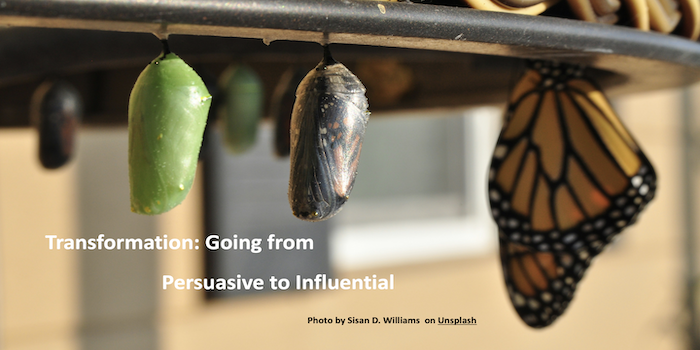
The unexpected outcome was not merely the completion of a marathon, but a profound shift in perspective. The act of running, initially approached with reluctance, began to yield a surprising sense of accomplishment and well-being. This growing enjoyment gradually transmuted into a deep-seated passion. Crucially, this shift in affinity was accompanied by a redefinition of self. The identity of "weightlifter" began to recede, replaced by the emergent self-perception of "runner." This internal metamorphosis meant that waking early for pre-dawn runs transformed from a daily negotiation into an automatic, integrated aspect of daily life. The runner runs; therefore, the author, as a runner, simply ran.
This newfound identity did not negate the inherent demands of the activity. The physical exertion, the burning lungs during intense intervals, and the aching muscles after long weekend runs remained. Marathon training still necessitated discipline and effort. However, the crucial difference lay in the willingness to engage in these challenges. The effort, while present, became more natural, a consequence of an internalized identity rather than an external imposition. This subtle yet significant distinction between doing and becoming was further illuminated by a contemporary exploration of personal transformation, specifically through a Dallas Willard podcast discussing the concept of the "transformed life."
When Doing Flows from Becoming: The Essence of Inner Transformation
Many of the directives presented within various spiritual and ethical frameworks, such as those attributed to Jesus Christ, can appear daunting, even insurmountable, when approached solely as a set of actions to be performed. For instance, the call to love one’s enemies can feel like an exhausting battle when the heart is burdened by resentment. Similarly, the imperative to respond with gentleness when driven by a fervent need to assert one’s own correctness can seem almost impossible. In such instances, attempting to externally enforce the desired behavior through sheer willpower often proves insufficient. A deeper, internal recalcitrance indicates that something more fundamental requires alteration.
Within the Christian tradition, this ongoing process of internal alteration is known as sanctification. As individuals deepen their trust in Christ and progressively align their character with His, their responses to life’s challenges begin to originate from a transformed core, a renewed heart. Consequently, extending love to a person who is difficult to tolerate may still involve personal cost. Responding with sustained patience will invariably demand effort. Yet, the willingness to undertake these demanding actions gradually becomes less arduous, not because the actions themselves become effortless, but because they increasingly reflect the evolving nature of who a person is becoming.
Much like the author’s personal transformation in becoming a runner fundamentally altered his relationship with the act of running, this process of inner transformation profoundly reshapes one’s disposition towards ethical and spiritual imperatives. The effort required for virtuous actions diminishes not through the eradication of effort, but through the alignment of action with an emergent identity.
The Intersecting Paths of Influence and Inner Development
When the principles of influence are taught as mere techniques, individuals learn practical strategies for more effective communication. These skills are undeniably valuable. Mastering the art of making a clear request, establishing credibility, or identifying common ground can indeed yield significant positive outcomes. However, a more critical question must be posed: are we solely refining our ability to elicit agreement, or are we cultivating ourselves into individuals whom others have genuine reasons to trust and follow?
In his work, particularly in his book Influenced from Above, the author explores the synergistic relationship between the established principles of influence, as articulated by Dr. Robert Cialdini, and the tenets of faith. This interdisciplinary approach suggests that ethical influence is not merely a set of manipulative tactics, but a natural outflow of a well-developed character.
Consider the principle of liking. The ability to foster liking through the identification of similarities and the offering of sincere praise can significantly strengthen interpersonal bonds. As individuals cultivate a deeper, more genuine interest in others, these practices naturally arise from authentic curiosity and appreciation. This disposition can serve as an initial step towards a more profound form of fellowship, akin to brotherly love.
The principle of unity, which emphasizes the power of recognizing a shared identity, can simplify the process of achieving agreement. This recognition of commonality fosters a deeper connection, inviting individuals to genuinely care for one another’s well-being because they perceive themselves as belonging to a collective whole. This sentiment is a tangible manifestation of agape love, a selfless and unconditional form of affection.
The principles of commitment and consistency underscore the vital importance of honoring one’s word. When one’s affirmation is consistently true and their negation definitive – that is, when one’s “yes” is unequivocally yes and their “no” is unequivocally no – trust is built through consistent, everyday faithfulness. This reliability forms a cornerstone of ethical influence.
Furthermore, the principle of reciprocity offers insight into why acts of generosity often inspire reciprocal generosity. The Golden Rule, however, directs our attention beyond the expectation of personal return. It prompts us to consider how we would wish to be treated if we were situated in another person’s circumstances. This empathetic perspective elevates the act of giving beyond mere transaction.
While these established principles provide a framework for understanding how influence operates, it is the process of inner transformation that shapes the fundamental motivations behind their application. When influence is wielded from a place of genuine character development, the distinction between manipulation and ethical influence effectively dissolves. As the author posits, one would not intentionally manipulate a friend, nor would a person of integrity seek to manipulate anyone.
Practicing with a Profound Purpose: The Fusion of Skill and Character
The journey toward becoming a more influential and ethically grounded individual does not necessitate waiting for a complete internal overhaul before initiating practice. The act of doing often serves as a catalyst for becoming. Just as the author became a runner through the consistent practice of running, individuals can cultivate qualities such as generosity, honesty, and care through their deliberate and repeated application.
However, the ultimate objective transcends the mere mastery of an influence methodology. The true aspiration is to evolve into a person whose words and actions consistently emanate sincere concern for the well-being of others. This involves becoming someone who can gracefully accept a refusal without jeopardizing the underlying relationship. It is at this juncture that ethical influence begins to flow organically from one’s authentic being.
This profound shift invites introspection: What skill, once diligently practiced, has ultimately become an integral part of your identity, shaping who you are and how you interact with the world?
The author, Brian Ahearn, is a recognized authority in the field of ethical influence. As the Chief Influence Officer at Influence PEOPLE and a faculty member at the Cialdini Institute, he dedicates his expertise to helping individuals and organizations enhance their results through the application of influence principles. His training and endorsement by Dr. Robert Cialdini, a preeminent figure in social psychology and the science of ethical influence, lend significant weight to his insights. Ahearn’s published works, including Influence PEOPLE, Persuasive Selling, and Influenced from Above, have garnered critical acclaim and commercial success, with his LinkedIn courses and TEDx Talk on pre-suasion reaching a global audience. His contributions underscore the interconnectedness of personal development and effective, ethical engagement with others.
