


The pursuit of enhanced persuasive capabilities often centers on mastering specific communication techniques and rhetorical strategies. While the acquisition of such skills is undoubtedly valuable, a more profound question emerges: what kind of person do we become in the process of learning to influence others? This inquiry delves into the distinction between merely applying principles of influence and allowing those principles to foster genuine internal transformation, thereby reshaping our fundamental interactions with individuals.
This duality was starkly illustrated in a personal narrative that mirrors the broader implications for ethical influence. For years, the author’s identity was firmly rooted in the discipline of strength training, participating in powerlifting and bodybuilding. The concept of running was met with disdain, viewed as an inefficient expenditure of energy that could be better allocated to muscle development. This perspective, held for over a decade after ceasing competitive lifting, underwent a significant shift when a friend proposed a collective endeavor: running the Columbus Marathon. Initially hesitant, and with a nudge from his wife, the author committed to the challenge.
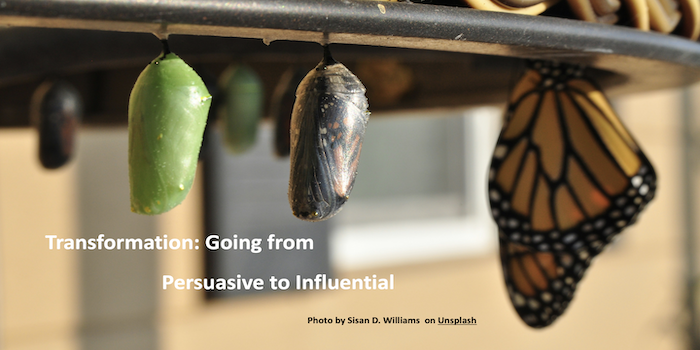
The experience of training for and completing the marathon proved to be transformative. Far from the anticipated drudgery, a surprising enjoyment of running emerged, particularly the post-run sense of well-being. This evolved into a profound affection for the activity, fundamentally altering the author’s self-perception. The identity of a weightlifter gradually receded, supplanted by that of a runner. The formerly arduous task of waking early to run in the pre-dawn darkness became an ingrained habit, a natural extension of who he was becoming. This shift did not render the physical demands of running effortless; intense speed work still strained the lungs, and long weekend runs taxed the legs. Marathon training continued to necessitate discipline and exertion. However, the crucial difference lay in the willingness to engage in these efforts, which became far more intrinsic and less of a daily battle.
This nuanced distinction between external action and internal disposition was further illuminated through reflection on a podcast by Dallas Willard, a prominent philosopher and theologian, focusing on the concept of the transformed life. Willard’s teachings often explore how genuine spiritual growth leads to actions that flow organically from an altered inner state, rather than being the result of sheer willpower or external pressure.
The Genesis of Action: From Becoming to Doing
Certain teachings, particularly within spiritual traditions, can appear immensely challenging when viewed solely through the lens of required actions. For instance, the call to love one’s enemies, or to respond with gentleness when faced with opposition, can feel like insurmountable obstacles if one is consumed by resentment or a fervent need to be proven right. While it is possible to attempt to force such behaviors, true adherence often necessitates a deeper, internal metamorphosis.
In the context of Christian theology, this ongoing process of internal change is termed sanctification. As individuals cultivate a deeper trust in Christ and strive to emulate His character, their reactions and behaviors can begin to emanate from a transformed heart, rather than from a place of obligation or struggle. While loving a difficult person may still entail personal cost, and exercising patience may require sustained effort, the willingness to undertake these actions gradually increases. This growing ease stems from the fact that these actions increasingly align with and reflect the person one is becoming. This parallels the author’s experience: just as embracing the identity of a runner fundamentally altered his relationship with the activity of running, so too does inner transformation reshape one’s engagement with ethical imperatives.
The Undeniable Link Between Inner Transformation and Ethical Influence
The principles of influence, as elucidated by researchers like Dr. Robert Cialdini, offer practical strategies for more effective communication. These techniques—such as making clear requests, establishing credibility, and identifying common ground—are undeniably potent in fostering agreement and achieving desired outcomes. However, a critical consideration arises: are we merely honing our ability to gain assent, or are we cultivating ourselves into individuals whom others inherently trust and are inspired to follow?
In his work, including the book Influenced from Above, the author explores the intersection of Cialdini’s established principles of influence with faith-based ethical frameworks. This integration suggests that the application of influence can be deeply enriched by an inner disposition of integrity and genuine concern for others.
Consider the principle of liking. The practice of identifying similarities and offering sincere praise can significantly strengthen interpersonal bonds. When this practice is rooted in a genuine curiosity and appreciation for others, it transcends mere tactical application. It can evolve into a foundational element of what might be described as brotherly love, a selfless regard for the well-being of others.
The principle of unity, which emphasizes the power of shared identities to facilitate agreement, also invites a deeper connection. Recognizing a commonality with another person not only eases the path to consensus but also fosters a sense of collective belonging. This sense of shared identity can cultivate a profound care for the other’s welfare, embodying a form of unconditional love, often referred to as agape.
Commitment and consistency underscore the vital importance of honoring one’s word. Living by the principle of letting one’s "yes" be "yes" and one’s "no" be "no" builds trust through unwavering daily faithfulness. This consistency is not merely about adhering to agreements; it is about demonstrating reliability and integrity in every interaction.
Furthermore, the principle of reciprocity helps explain the natural tendency for generosity to be met with generosity in return. However, extending this principle to the "Golden Rule" shifts the focus beyond immediate returns. It prompts an empathetic consideration of how one would wish to be treated if placed in another’s circumstances, fostering a more compassionate and ethically grounded approach to exchange.
These principles provide a robust framework for understanding the mechanics of influence. However, it is the process of inner transformation that shapes the underlying motivations for employing these principles. When individuals are genuinely committed to ethical conduct and the well-being of others, the distinction between manipulation and ethical influence largely dissolves. The desire to manipulate someone one cares about is inherently contradictory, just as it is antithetical to genuine friendship.
Cultivating Influence with a Profound Purpose
The journey toward becoming a person of influence does not necessitate waiting for a complete internal transformation. The act of practice itself plays a pivotal role, as consistent action often serves as a catalyst for becoming. The author’s transition to becoming a runner was a direct result of the act of running. Similarly, engaging in acts of generosity, honesty, and care, even when challenging, can foster the development of these very qualities within oneself.
The ultimate aim extends beyond the mere mastery of persuasive techniques. It is about cultivating a character where one’s words and actions consistently reflect a sincere concern for others. This involves developing the resilience to accept a "no" without jeopardizing the underlying relationship, a testament to a mature and ethical approach to influence. It is at this juncture that genuine, ethical influence begins to flow authentically from one’s core being.
Consider the following as a point of reflection: What skill or practice, initially undertaken with a specific objective, has ultimately become an integral part of who you are? This introspection can reveal the powerful, often subtle, ways in which our actions shape our identities and, consequently, our capacity to connect with and inspire others.
The efficacy of influence, particularly in professional and personal contexts, is a subject of ongoing study and practical application. Data from various psychological and sociological studies underscore the impact of perceived authenticity and ethical conduct on long-term relationships and outcomes. For instance, research published in the Journal of Applied Psychology has consistently shown that leaders who exhibit high levels of integrity and trustworthiness are more likely to foster positive team dynamics, enhance employee engagement, and achieve sustainable organizational success. A 2021 meta-analysis of over 300 studies indicated a strong correlation between ethical leadership and organizational commitment, with effect sizes suggesting that ethical practices are not merely beneficial but foundational to building resilient and high-performing environments.
The context of influence is particularly relevant in today’s interconnected world, where information, both accurate and misleading, spreads rapidly. The ability to discern between genuine persuasion and manipulative tactics is crucial for individuals and societies alike. The ethical implications of influence are amplified in areas such as public health campaigns, political discourse, and consumer marketing. For example, the World Health Organization (WHO) has frequently highlighted the ethical considerations in health communication, emphasizing that persuasive messaging should be based on scientific evidence and aimed at promoting well-being, rather than exploiting vulnerabilities. Similarly, in political science, scholars analyze the impact of persuasive rhetoric on electoral outcomes, often distinguishing between informed persuasion and demagoguery.
The author’s engagement with Dr. Robert Cialdini’s principles provides a concrete framework for understanding this transition. Cialdini’s seminal work, Influence: The Psychology of Persuasion, first published in 1984, identified six key principles: reciprocity, commitment and consistency, social proof, authority, liking, and scarcity. Subsequent research and expansions have added principles like unity. These principles, while powerful in their own right, gain a more profound and ethical dimension when they are integrated into a person’s character.
The journey from learning the mechanics of influence to embodying its ethical application is a continuous process. It requires not only an understanding of psychological triggers but also a deep commitment to personal growth and the betterment of others. This internal shift is what distinguishes a skilled persuader from a trusted leader, a manipulator from a mentor. The ultimate measure of influence lies not solely in the ability to achieve immediate goals, but in the lasting positive impact one has on individuals and communities, built upon a foundation of integrity and genuine human connection.
The author, Brian Ahearn, is a recognized expert in the field of ethical influence. His work with the Cialdini Institute and his publications, such as Influence PEOPLE and Influenced from Above, aim to bridge the gap between the science of persuasion and its practical, ethical application. His extensive experience as a speaker, coach, and consultant has provided him with numerous opportunities to observe the profound impact of this internal transformation on individual and organizational success. The insights shared in this article reflect a career dedicated to understanding and promoting influence that is not only effective but also fundamentally aligned with human values.
