

The research underscores a critical juncture for the British economy. As the nation grapples with long-standing productivity challenges, the transition from basic AI usage to advanced, integrated application is being viewed by experts as the primary lever for national economic renewal. The challenge for policymakers and industry leaders is no longer encouraging the use of AI, but rather deepening the quality of that use to ensure equitable growth across all sectors and demographics.

The Rise of the AI Trailblazer: A New Professional Standard
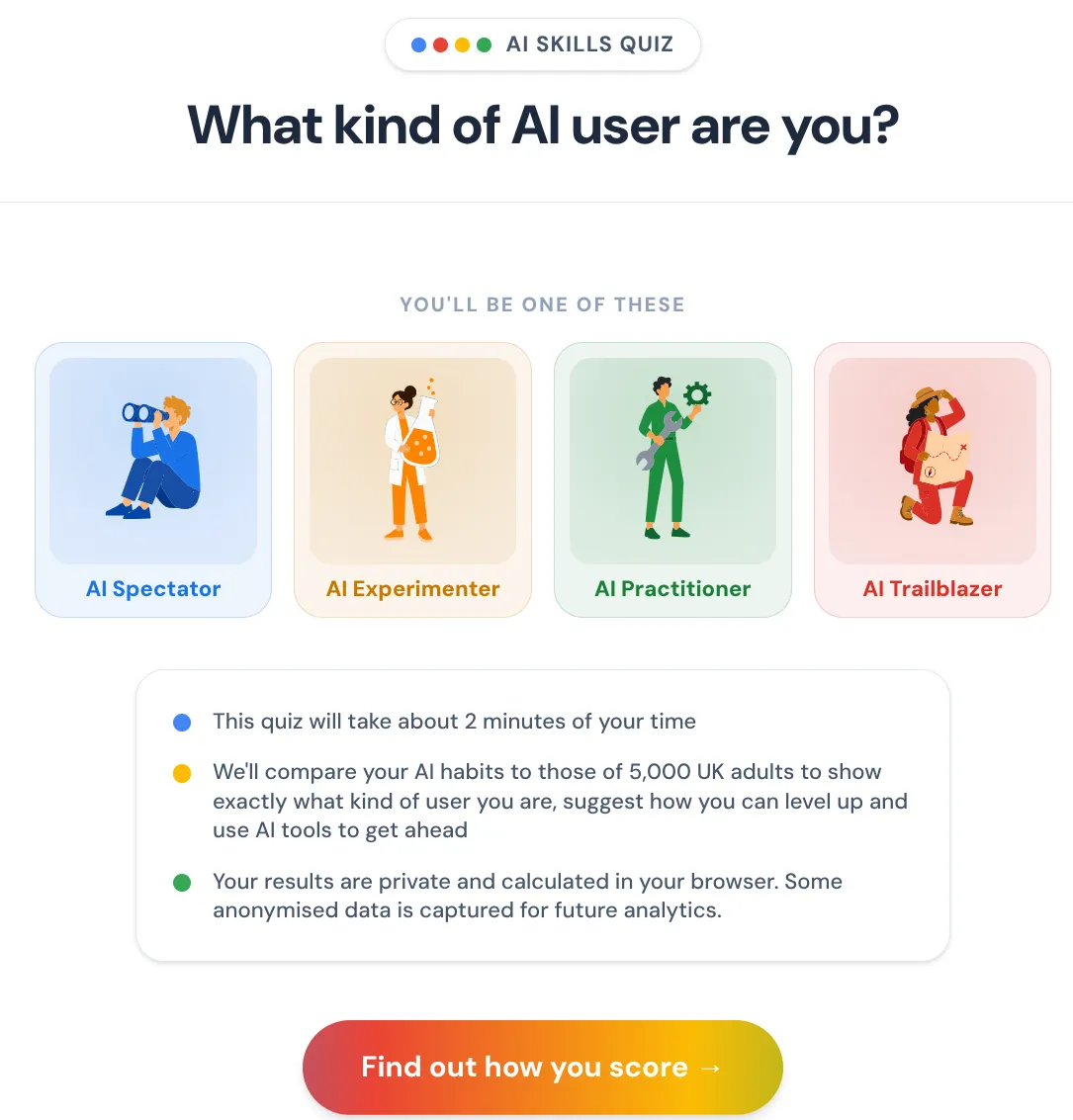
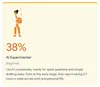
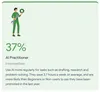
The study segments the UK workforce into four distinct categories based on their engagement with AI tools. At the bottom of the spectrum are "AI Spectators," comprising 10% of the workforce, who do not yet use AI in their daily professional or personal lives. Above them are the "AI Experimenters" (38%), who utilize the technology occasionally for basic tasks such as drafting emails or answering quick queries. The third group, "AI Practitioners" (37%), represents those who have integrated AI into their regular workflows for research and problem-solving.
The most significant findings, however, concern the "AI Trailblazers." This top 15% of the workforce represents the vanguard of the digital revolution. These individuals use AI in sophisticated, creative ways, such as automating complex workflows and deploying autonomous AI agents to manage multi-stage projects. The professional advantages for this group are stark: Trailblazers are significantly more likely to report stronger performance reviews and faster career progression. Perhaps most notably, these advanced users report saving an average of eight hours per week across their professional and personal lives—effectively gaining one full working day every week through efficiency gains.

The UK Productivity Puzzle and the AI Solution
For over a decade, the United Kingdom has struggled with a "productivity puzzle," characterized by stagnant output per hour worked compared to international peers. The integration of AI offers a potential resolution to this systemic issue. According to the report, Google’s AI-powered tools supported £140 billion in economic activity across the UK in 2025 alone. This figure is roughly equivalent to the entire economy of Greater Manchester, illustrating the scale of the technology’s impact.
Of this £140 billion, approximately £60 billion was generated by British small and medium-sized businesses (SMBs). These enterprises are increasingly leveraging AI to compete with larger corporations, using automated tools for marketing, customer service, and data analysis. Furthermore, the study estimates that Google’s suite of products—including Search, Android, Cloud, and YouTube—is currently saving British workers a combined 51 million hours per week. To put this in perspective, this is equivalent to the total weekly output of the entire National Health Service (NHS) workforce.
Chronology of Adoption and the 2030 Vision
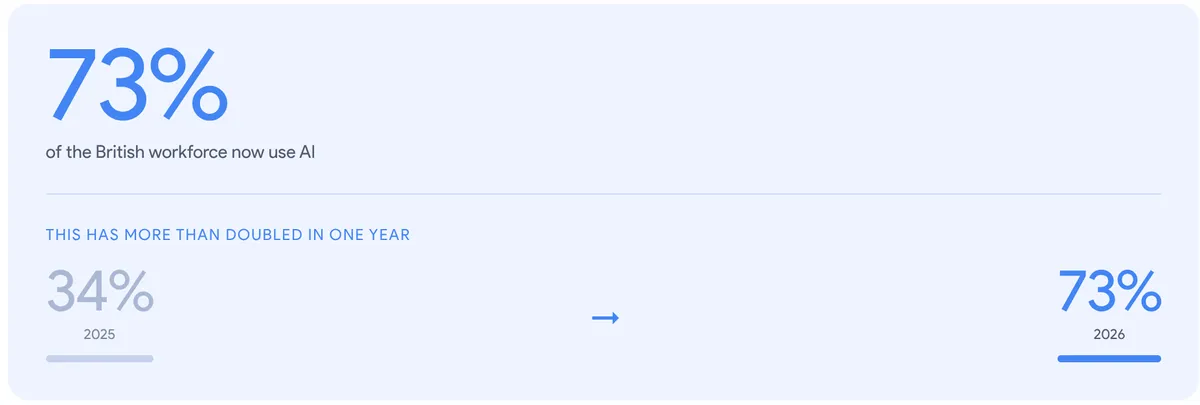
The current surge in adoption follows a period of intense focus on AI safety and infrastructure. Following the 2023 AI Safety Summit at Bletchley Park, the UK government and private sector partners shifted their focus toward "frontier AI" applications. By 2025, the narrative moved from theoretical risk to practical implementation.
In early 2026, the UK government reaffirmed its ambitious goal to train 10 million workers in AI skills by 2030. This target is being supported by large-scale private sector initiatives, most notably the "AI Works for Britain" program. This initiative builds upon the foundation of the Google Digital Garage, which has provided digital skills training to over 1.2 million people in the UK over the last ten years. The current phase of the program is specifically designed to bridge the gap between "experimentation" and "trailblazing," focusing on the behavioral and organizational barriers that prevent workers from fully utilizing AI.

Addressing the Barriers to Deep AI Literacy
Despite the clear benefits of advanced AI usage, the research identifies significant disparities in how these skills are distributed. AI Trailblazers are more likely to be found in urban centers, among younger demographics, and in specific sectors like finance and technology. There is a growing concern that without intervention, the "digital divide" will exacerbate existing regional and demographic inequalities.
The barriers to deeper AI adoption are rarely technical. Most workers do not need to learn how to code or understand the underlying mathematics of large language models. Instead, the obstacles are categorized into three areas:
- Behavioral Barriers: Many workers feel a "status quo bias," preferring familiar manual processes over new automated ones. There is also a persistent fear that using AI might be seen as "cheating" or a sign of diminishing personal value.
- Cognitive Barriers: A lack of "prompt engineering" skills or an understanding of what AI is capable of often leaves users frustrated when an initial query does not yield a perfect result.
- Organizational Barriers: Many companies lack the internal frameworks to encourage AI experimentation. Rigid IT policies or a lack of clear guidance on data privacy can stifle the adoption of helpful AI tools at the departmental level.
To combat these issues, Public First has launched an interactive "AI Skills Quiz." This diagnostic tool allows workers to benchmark their skills against the national average and provides actionable advice on how to move from a "Practitioner" to a "Trailblazer."
Official Responses and Industry Reactions
Kate Alessi, Vice President and Managing Director of Google UK & Ireland, emphasized that the transition to an AI-enabled economy must be inclusive. "The challenge now is upskilling the remaining 85% to enable everyone to use AI to unlock personal progression," Alessi stated. She noted that the goal of "AI Works for Britain" is to ensure that the productivity gains seen by the top 15% become the standard for the entire workforce.
Industry analysts suggest that the government’s partnership with tech giants is essential for meeting the 2030 training targets. A spokesperson for the Department for Science, Innovation and Technology (DSIT) remarked that "AI is the defining technology of our generation. Ensuring that every worker, from the shop floor to the boardroom, has the confidence to use these tools is a national economic priority."
Economic observers also point out the importance of the SMB sector. "The fact that £60 billion in economic activity is coming from SMBs using these tools is a testament to the democratizing power of AI," said an economist specializing in digital markets. "It levels the playing field, allowing a small startup in Leeds or Cardiff to access the same analytical power as a multinational in London."

Broader Implications and the Future of Work
As the UK moves toward the second half of the decade, the definition of "professional competence" is being rewritten. The ability to collaborate with AI agents is becoming as fundamental as literacy or basic numeracy. The broader implications for the UK labor market are profound. While fears of mass automation-led unemployment persist in some quarters, the 2026 data suggests a different trend: job augmentation.
The "eight hours saved" by Trailblazers are not necessarily leading to reduced headcounts. Instead, workers are reallocating that time toward higher-value tasks that require human emotional intelligence, strategic thinking, and complex creativity—areas where AI still struggles. This shift could lead to a significant increase in job satisfaction and a reduction in burnout, particularly in high-pressure sectors like healthcare and education.
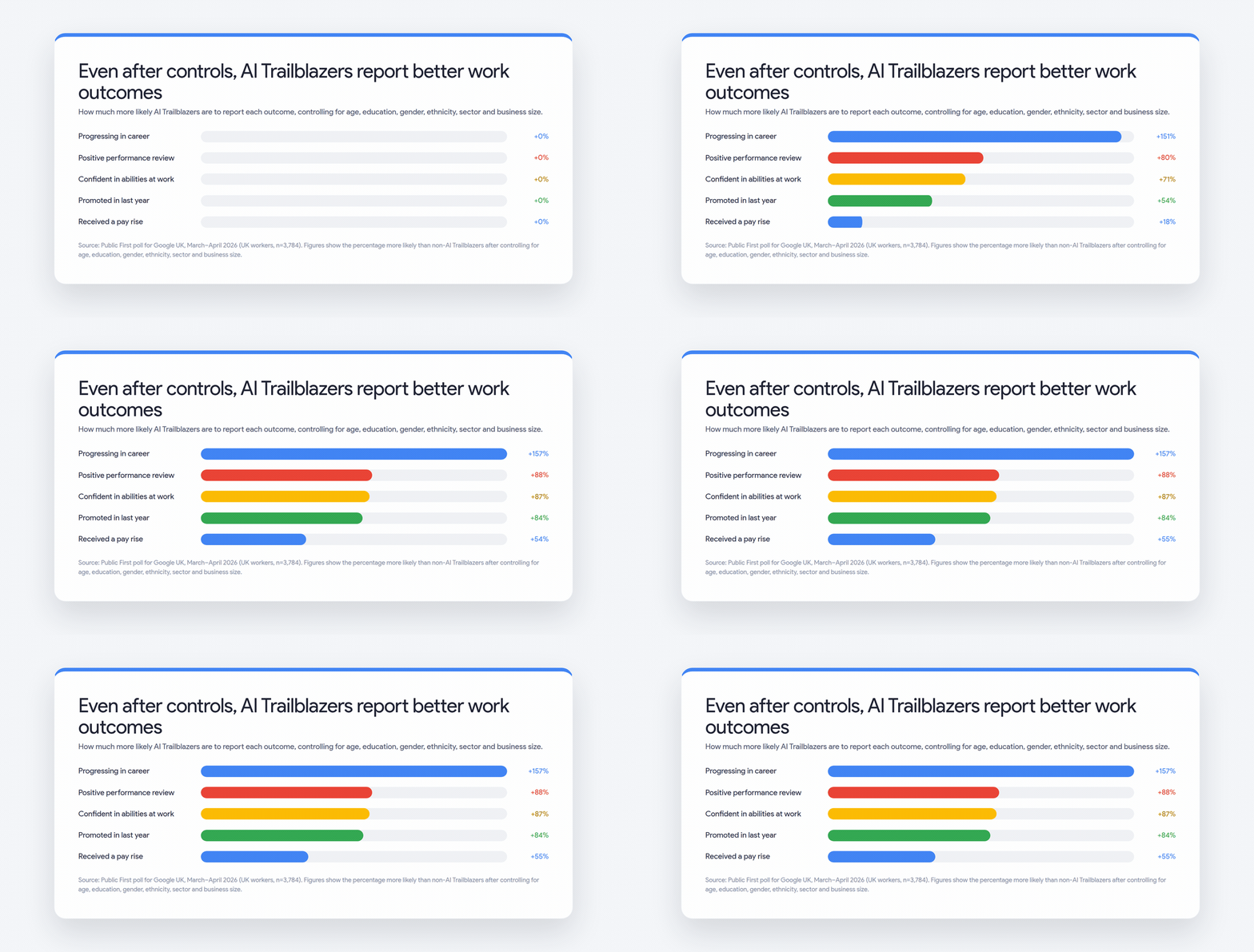
However, the "uneven adoption curve" remains a warning sign. If the benefits of AI remain concentrated within a small percentage of the population, the UK risks social friction and a stalled recovery. The next two years will be critical for the "AI Works for Britain" initiative and similar programs. Success will be measured not by how many people have tried an AI chatbot, but by how many have moved into the "Trailblazer" category, gaining the skills necessary to drive Britain’s next era of productivity.
The study concludes that the potential for a "productivity miracle" is within reach. By focusing on accessibility, education, and the removal of organizational barriers, the UK can transform from a nation of AI experimenters into a global leader of AI-driven economic growth. The path forward requires a collective effort from the government, the private sector, and individual workers to ensure that the AI revolution leaves no one behind.
