


Curriculum Night, traditionally a cornerstone event for parental involvement in general education, has emerged as an increasingly vital platform for Speech-Language Pathologists (SLPs) to connect with families, demystify their specialized work, and integrate speech and language therapy more deeply into the broader educational experience. This annual or semi-annual event offers SLPs a unique opportunity to showcase the profound impact of communication development on academic success and social-emotional well-being, moving beyond individual therapy sessions to foster a collaborative, community-wide approach to student support. The strategic engagement of SLPs during Curriculum Night is not merely an informational exercise but a critical component in building robust home-school partnerships that are proven to enhance outcomes for students requiring specialized communication interventions.
The Strategic Imperative of SLP Presence at Curriculum Night
For many parents, Curriculum Night serves as their primary touchpoint with their child’s learning environment and the educators shaping their academic year. While classroom teachers outline academic curricula, the role of an SLP extends beyond traditional subjects, addressing foundational communication skills that underpin all learning. Approximately 5% to 10% of children in the U.S. experience a communication disorder, according to data from the National Institute on Deafness and Other Communication Disorders (NIDCD), highlighting the widespread relevance of speech-language pathology services within schools. Therefore, an SLP’s presence at Curriculum Night is crucial for ensuring parents understand the scope of these services, how they integrate with academic goals, and their vital contribution to a child’s overall development.
Historically, Curriculum Night focused predominantly on core subjects. However, with the increasing recognition of holistic child development and the mandates of the Individuals with Disabilities Education Act (IDEA), which emphasizes parental involvement in special education, the event has evolved to include all support staff, including SLPs. This shift acknowledges that effective education encompasses not just academic content but also the foundational skills, like communication, that enable access to that content. For SLPs, it’s an opportunity to proactive engagement, providing insights into communication milestones, identifying potential concerns, and offering strategies that can be implemented at home, thereby extending the therapeutic environment beyond the school walls.

Crafting an Impactful Presentation: Core Principles for SLPs
The success of an SLP’s Curriculum Night presentation hinges on thoughtful preparation and strategic delivery. The core objective is to inform, empower, and engage parents, ensuring they leave with a clear understanding of speech-language therapy and actionable steps they can take.
1. Topic Selection: Addressing Parent-Centric Needs
Choosing the right topic is the foundational step. SLPs should consider what information would be most intriguing or reassuring to parents, directly addressing common concerns or knowledge gaps regarding their child’s speech and language development. Effective topics often fall into several categories:
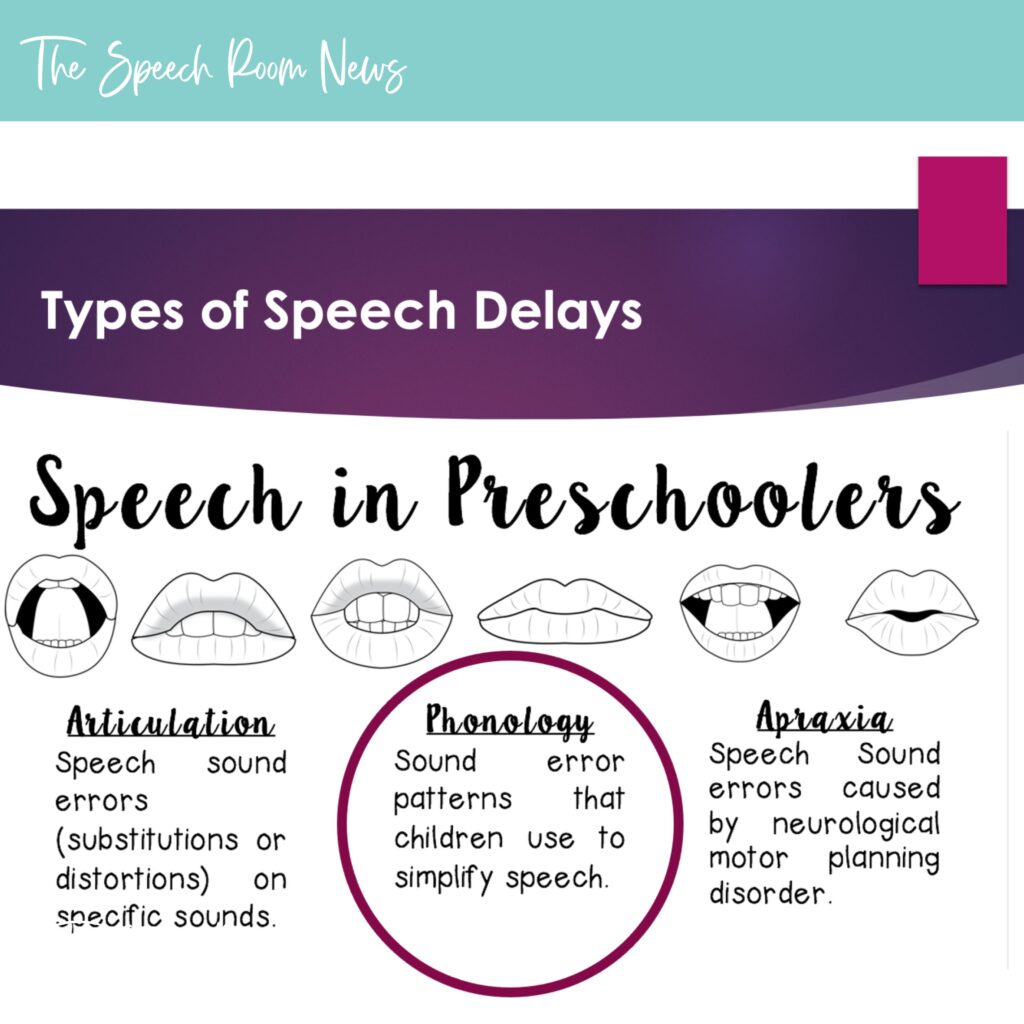
- Foundational Knowledge: This might include presentations on typical communication milestones for various age groups, explanations of different types of speech and language disorders (e.g., articulation, fluency, receptive/expressive language), or the referral and evaluation process for speech services. For instance, a session titled "Navigating Communication Milestones: What to Expect from Preschool to Grade School" provides parents with a developmental roadmap.
- Practical Strategies: Parents are often seeking tangible ways to support their child at home. Topics such as "Everyday Strategies for Boosting Language Development," "Enhancing Articulation Skills Through Play," or "Supporting Social Communication in Daily Routines" offer direct, implementable advice.
- Therapeutic Approaches & Integration: For parents whose children are already receiving services, understanding the therapeutic process is key. Presentations on "Understanding Your Child’s IEP Goals in Speech Therapy," "How Speech Therapy Supports Classroom Learning," or "The Role of Augmentative and Alternative Communication (AAC)" can clarify the clinical aspects and their educational relevance.
In a previous district, a special education preschool program successfully utilized a multi-group format for Curriculum Night. Parents could choose sessions based on their specific interests, covering topics like communication, play, behavior, sensory integration, home routines, and fine motor skills. This approach significantly enhanced engagement by tailoring information to individual family needs, leading to highly successful nights of communication and collaboration.
2. Problem-Solving Focus: Addressing Real Parent Concerns
The most effective presentations transcend mere information dissemination; they address and alleviate the real-world challenges parents face. Parents are often grappling with practical questions: "Why isn’t my child talking as much as others?" "How can I help my child articulate ‘r’ sounds?" "What should I do when my child stutters?" By framing the presentation around solving these authentic problems, SLPs demonstrate the tangible, practical impact of speech-language therapy.

An SLP’s presentation should pivot from "what we do" to "how we help you and your child." This involves providing practical solutions and actionable steps that parents can implement immediately. For example, instead of merely explaining what an articulation disorder is, an SLP could present "Five Simple Games to Practice Speech Sounds at Home." This approach builds trust, fosters a collaborative relationship, and empowers parents, ultimately leading to more effective support for the student. As one educational psychologist noted, "When parents feel their concerns are heard and practical solutions are offered, their engagement skyrockets, and the therapeutic impact extends far beyond the therapy room."
3. Parent-Friendly Language: Demystifying the Profession
The field of speech-language pathology, like many specialized disciplines, is rich with technical jargon and acronyms (e.g., IEP, AAC, phonological process, receptive-expressive language disorder). While these terms are standard in professional discourse, they can be intimidating and confusing for parents, many of whom are new to the world of special education. The adage, "explain it as if you’re talking to a fifth grader," holds particular relevance here.
SLPs must consciously strip away clinical terminology and complex theoretical frameworks, opting for clear, concise, and accessible language. For instance, instead of discussing "phonological processes," an SLP might explain "patterns of sound errors." "Receptive language" could become "understanding what others say." This simplification is not about underestimating parents’ intelligence but about ensuring comprehension and reducing anxiety. Research consistently shows that jargon-heavy communication can alienate audiences, hindering understanding and engagement. By keeping language simple and direct, SLPs demonstrate empathy and respect, positioning themselves as approachable resources and partners in a child’s educational journey.
Engaging Strategies for Maximum Impact
Beyond content, the delivery method significantly influences a presentation’s effectiveness. Incorporating interactive and tangible elements can transform a passive listening experience into an active learning opportunity.
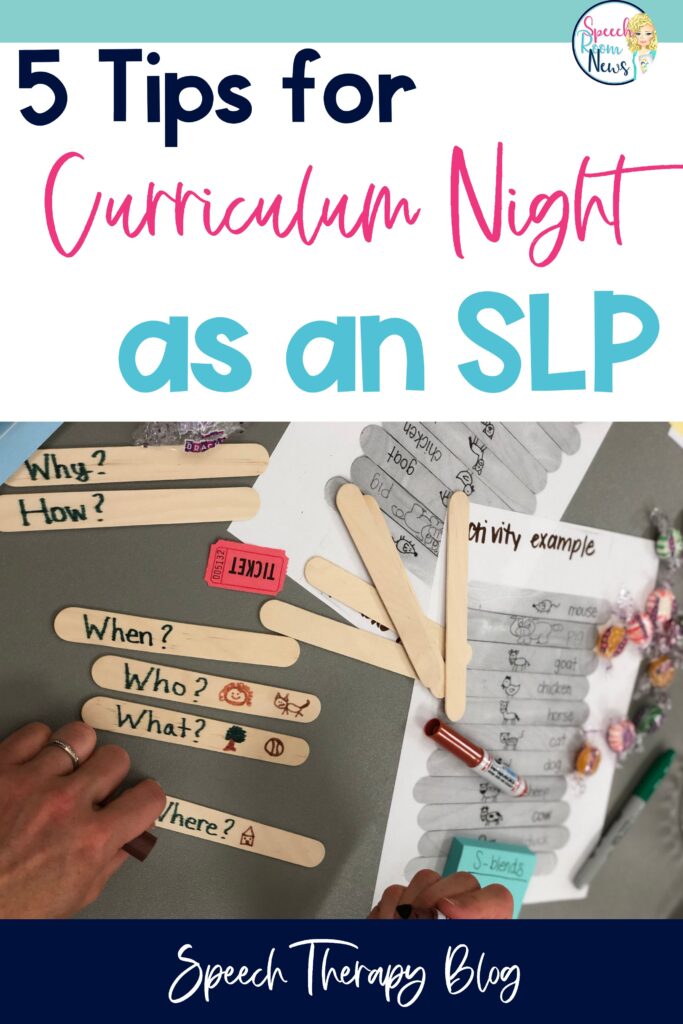
1. Interactive "Make and Take" Activities:
An interactive "Make and Take" activity can be a powerful tool for engagement. This hands-on approach not only captivates parents but also equips them with practical, customized resources to support their child’s speech and language development at home. Examples include:
- Communication Boards: Simple visual aids with pictures or symbols that parents can use to help non-verbal or minimally verbal children express needs and wants.
- Articulation Practice Cards: Index cards with target speech sounds and associated words/pictures that parents can use for daily practice.
- "Wh-" Question Sticks: Popsicle sticks with "who," "what," "where," "when," "why" written on them, to encourage asking and answering questions during story time or daily activities.
- Social Story Templates: Simple narratives that help children understand social situations and appropriate responses, which parents can customize for specific challenges.
- Visual Schedules: Tools to help children understand the sequence of daily events, reducing anxiety and promoting independence.
These activities empower parents to become active participants in the therapeutic process, reinforcing the importance of their role. A parent representative from a local PTA chapter commented, "The ‘make and take’ sessions are invaluable. They don’t just tell us what to do; they show us and give us something tangible to take home. It makes the advice feel much more achievable." The tangible resources serve as lasting reminders and tools, extending the impact of Curriculum Night long after the event concludes.
2. Informative Parent Handouts: Sustaining the Discussion
Providing informative handouts is a simple yet profoundly effective way to ensure parents retain the information discussed. These handouts serve as a reference guide, summarizing key points, strategies, and resources. Essential elements for handouts include:
- Key Takeaways: A concise bullet-point summary of the main messages from the presentation.
- Actionable Strategies: Clear, step-by-step instructions for implementing home practice activities.
- Recommended Resources: Links to reputable websites (e.g., ASHA, NIDCD), book recommendations, or apps that support speech and language development.
- Contact Information: The SLP’s email address and phone number for follow-up questions or concerns.
- FAQs: A section addressing common questions that may arise after the presentation.
Handouts not only reinforce learning but also provide ongoing support, serving as a valuable tool parents can refer to in the days and weeks following Curriculum Night. Studies on adult learning consistently show that supplementary materials improve retention and the application of new knowledge. By offering this resource, SLPs demonstrate a sustained commitment to their child’s progress and provide a tangible bridge for continued communication.
The Broader Impact and Implications of SLP Engagement
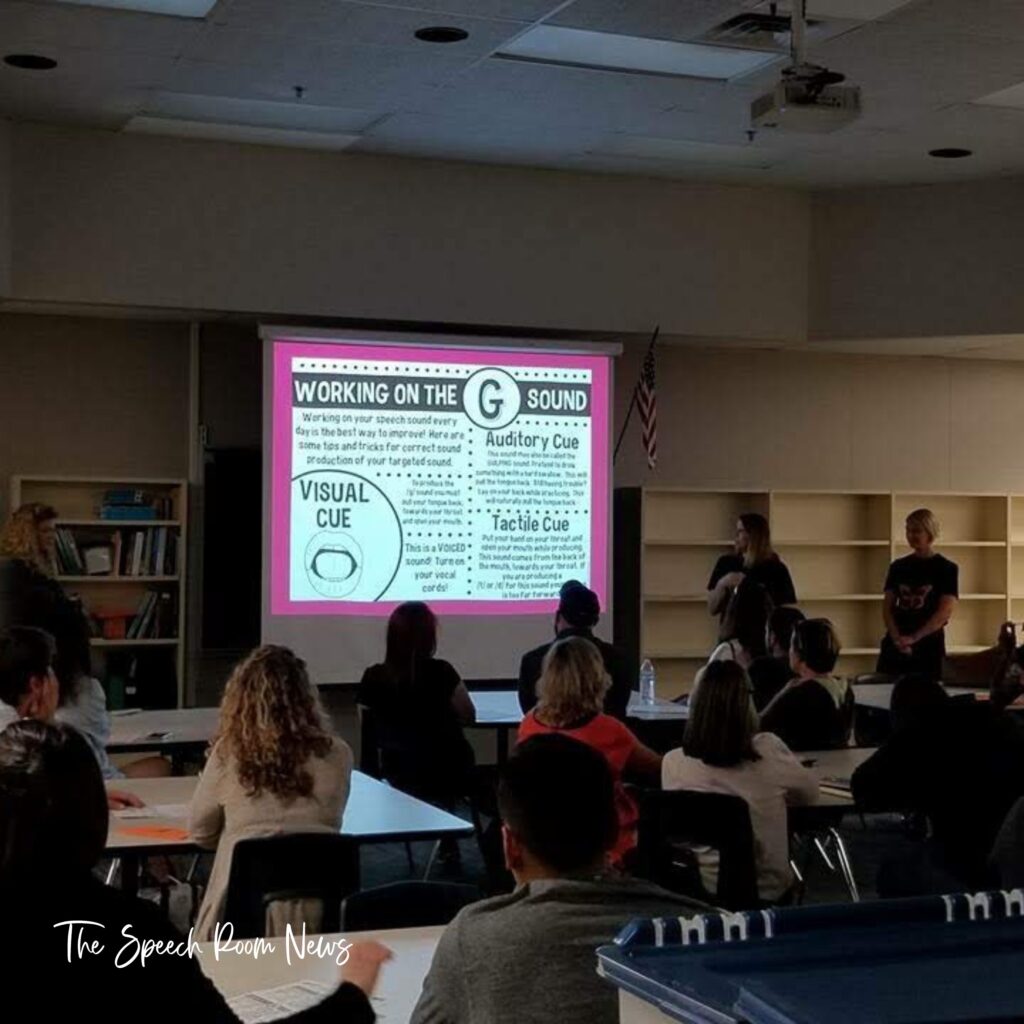
The strategic involvement of Speech-Language Pathologists in Curriculum Night yields far-reaching benefits beyond individual parent-SLP interactions.
1. Enhanced Home-School Collaboration: Curriculum Night provides a crucial opportunity to establish and strengthen the partnership between home and school. When parents understand the goals and methods of speech therapy, they are better equipped to reinforce learning at home, leading to more consistent progress for the student. This collaboration is a cornerstone of effective special education, as mandated by IDEA.
2. Improved Student Outcomes: Active parental involvement is strongly correlated with improved student achievement, attendance, and behavior. By empowering parents with knowledge and tools, SLPs contribute directly to a more supportive home learning environment, which in turn accelerates the development of communication skills and overall academic success. Early intervention, fostered through informed parental engagement, has been consistently shown to significantly improve long-term academic and social outcomes for children with communication disorders.
3. Increased Professional Visibility and Advocacy: Curriculum Night elevates the visibility of the SLP profession within the school community. It educates not only parents but also other school staff, including general education teachers and administrators, about the specialized expertise SLPs bring. This increased understanding can lead to more effective referrals, integrated support plans, and greater appreciation for the SLP’s integral role in a child’s educational team. An administrator from a large school district recently commented, "Our SLPs’ presentations at Curriculum Night are invaluable. They bridge a critical gap, ensuring parents understand how specialized support integrates with classroom learning, and they truly enhance our school’s commitment to inclusive education."
4. Fostering Community and Support: Especially in special education programs, Curriculum Night can foster a sense of community among parents. When SLPs present on topics relevant to children with special needs, it creates a shared learning experience and an opportunity for parents to connect with each other, potentially forming support networks.
Measuring Success and Future Directions
To ensure the continued effectiveness of Curriculum Night presentations, SLPs should consider methods for measuring success. This could include:
- Parent Feedback Surveys: Brief, anonymous surveys distributed at the end of the session to gauge clarity, relevance, and overall satisfaction.
- Attendance Records: Tracking attendance can indicate interest levels in specific topics.
- Follow-Up Engagement: Monitoring the number of parents who utilize provided resources, request further information, or actively participate in home practice.
Looking ahead, SLPs can continue to innovate their Curriculum Night presence by adapting to evolving educational landscapes. This may involve leveraging technology, such as QR codes on handouts linking to online resources or video demonstrations of therapy techniques, or offering presentations in multiple languages to cater to diverse school populations. The ultimate goal remains consistent: to ensure every parent feels informed, supported, and empowered to be an active partner in their child’s communication journey.
By embracing Curriculum Night as a strategic opportunity for outreach and education, Speech-Language Pathologists not only fulfill a vital professional responsibility but also play a critical role in fostering a more informed, collaborative, and supportive educational ecosystem for all students.
