

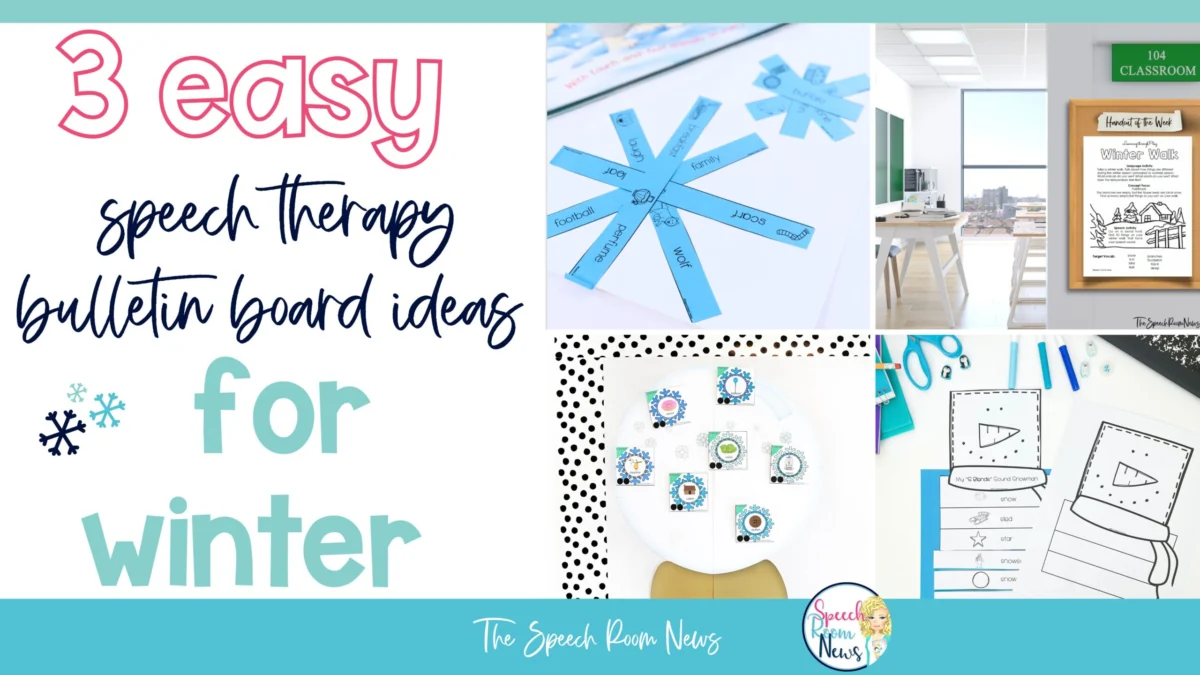
Speech-Language Pathologists (SLPs) are increasingly employing strategically designed bulletin boards within their therapy rooms and communal spaces to augment therapeutic efficacy, foster student engagement, and facilitate crucial parent-therapist communication. Moving beyond mere decoration, these displays are categorized into three primary functional types: demonstrative, interactive, and functional, each serving distinct pedagogical and communicative purposes crucial for student progress in speech and language development. This systematic approach underscores a growing recognition of environmental design as an integral component of specialized educational interventions.
The Foundational Role of Visuals in Specialized Education
The integration of visual aids in educational settings is a long-established practice, rooted in principles of cognitive psychology and learning theory. For students undergoing speech and language therapy, visual stimuli can significantly enhance comprehension, memory retention, and the generalization of learned skills. Educational psychologists often highlight that visual learners, who constitute a significant portion of the student population, benefit immensely from graphical representations, diagrams, and physical displays that reinforce verbal instruction. In the context of speech therapy, this translates to boards that not only capture attention but also provide tangible anchors for abstract linguistic concepts.

Historically, bulletin boards in schools served primarily as informational or celebratory tools. However, modern educational philosophy, particularly within specialized fields like speech-language pathology, has evolved to view these displays as dynamic pedagogical instruments. The shift reflects a deeper understanding of how the learning environment itself can be structured to support therapeutic goals, promote a sense of belonging, and actively involve students and their families in the learning process.
Strategic Planning and Implementation by SLPs
For many SLPs, the planning and rotation of bulletin boards throughout the academic year are carefully considered elements of their professional practice. An initial focus during the back-to-school period often involves interactive or functional boards. This strategic deployment serves to welcome new students and families, familiarize them with the speech therapy environment, and introduce the scope of services in an engaging manner. As the year progresses, and with seasonal changes, the types of boards may shift to maintain novelty and align with specific curriculum themes or therapeutic objectives. This proactive planning minimizes last-minute preparation stress for SLPs, allowing them to focus more intensely on direct therapy.
1. Demonstrative Bulletin Boards: Celebrating Progress and Fostering Self-Esteem
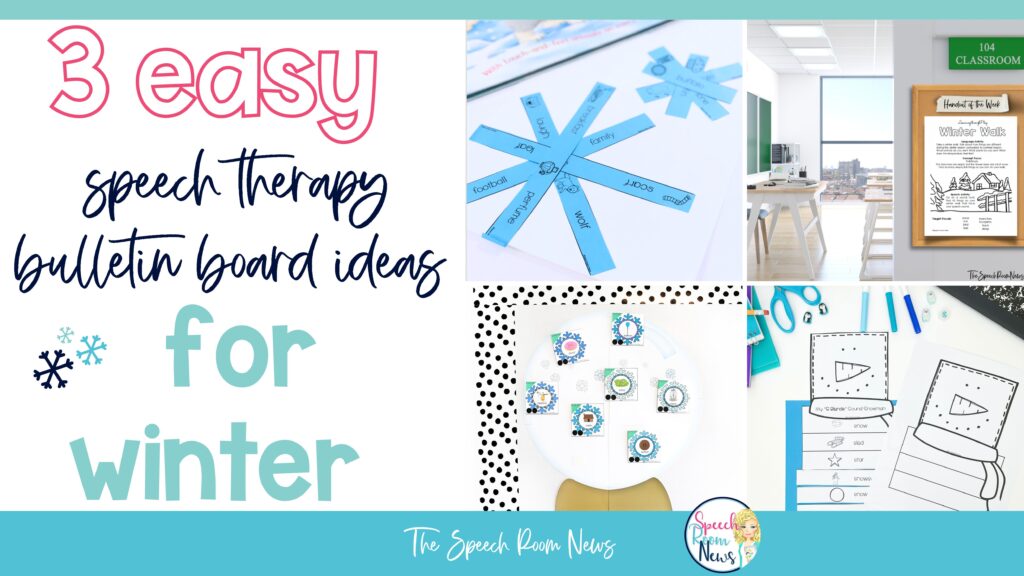
Demonstrative bulletin boards are designed to showcase student achievements and progress, primarily through the display of crafts and projects completed during therapy sessions. This approach aligns with principles of positive reinforcement and self-efficacy, where students see tangible evidence of their learning and effort. The act of creating a craft related to a speech target, and then seeing it publicly displayed, can significantly boost a child’s confidence and motivation.
-
The Snowflake Paper Strip Craft: An exemplary model of a demonstrative craft is the "Snowflake Paper Strip Craft." This activity, often referred to as "fake crafting" due to its simplicity, involves students manipulating pre-cut paper strips to form various shapes, in this case, a snowflake. The simplicity of the craft is a key advantage, requiring minimal preparation from the SLP while allowing students to focus on the articulation or language targets embedded within the activity. For instance, each strip could be associated with a word containing a target sound, or a phrase to be practiced. Printing on colored paper, such as blue, enhances visual appeal, and using cardstock can provide increased resistance for students who may have fine motor challenges with cutting. Once the target words are practiced, and the strips are glued to form a snowflake, the completed craft becomes a visual testament to the student’s work, ready for display. The adaptability of this paper strip method means SLPs can easily modify it for various themes and target sounds throughout the year, ensuring continuity in craft-based learning.
-
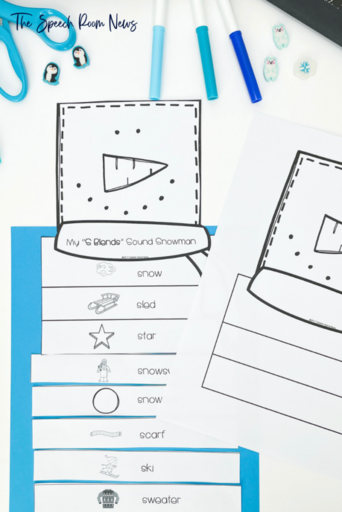
Snowman Articulation Chop: Another highly effective demonstrative craft is the "Snowman Articulation Chop." This activity integrates cutting and assembly with articulation practice. Students are provided with two pages containing target words or phrases, which they practice before cutting the pages into strips. These strips are then combined to construct a simple snowman figure. The tactile experience of cutting and assembling, coupled with the repetitive practice of speech targets, reinforces learning through multiple sensory channels. Adding simple embellishments, such as a colored carrot nose or a construction paper hat, further personalizes the craft, making the display more engaging for students and observers. Such crafts transform abstract speech goals into concrete, visually appealing representations of progress.
2. Interactive Bulletin Boards: Engaging Minds Through Active Participation

Interactive bulletin boards are specifically designed to encourage direct physical engagement from students, transforming passive observation into active participation. This approach is rooted in constructivist learning theories, which posit that learners construct knowledge through experience and interaction. For speech therapy, interactive displays offer opportunities for multisensory practice, immediate feedback, and reinforcement of learned skills in a fun, dynamic manner, often as students wait for or pass by the therapy room.
-
Falling Flakes: Apraxia Snowflakes: This interactive set targets childhood apraxia of speech (CAS) by providing visual and tactile cues. Each snowflake card features an image and a corresponding word, along with black dots indicating the number of syllables. Students are encouraged to touch these dots as they produce the sound, thereby emphasizing multisensory practice – a critical component in treating CAS. The cards are also color-coded and patterned by syllable structure for easy organization. The interactive element comes into play when these snowflake cards, backed with Velcro, are attached to a large poster-sized snow globe displayed on the bulletin board. Students can then actively add or remove snowflakes, practicing the words as they manipulate the pieces. This kinesthetic engagement helps solidify motor planning for speech production, making the practice both effective and enjoyable.
-
Falling Flakes: Phonology Activities: Similar in concept but tailored for phonological disorders, this set utilizes minimal pairs to address sound pattern errors. Each snowflake card again features an image and word, with color and pattern coding for organizational ease. Like its apraxia counterpart, this set integrates with a poster-sized globe on the bulletin board, featuring Velcro dots. Students engage by adding and removing snowflake cards, practicing the minimal pairs as they interact with the display. The variety of winter-themed posters included in the set allows SLPs to rotate themes, maintaining student interest throughout the colder months. Such interactive displays are invaluable for reinforcing targets outside of direct therapy time, making learning a continuous process within the school environment. Research indicates that interactive learning environments can improve engagement by up to 30% compared to passive observation, directly impacting therapy outcomes.
3. Functional Bulletin Boards: Bridging Therapy and Home Life
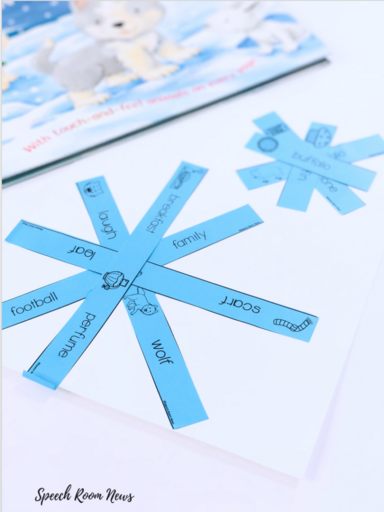
Functional bulletin boards serve a crucial role in extending the impact of speech therapy beyond the therapy room, primarily by engaging parents and caregivers. These boards often feature parent handouts and resources, offering practical strategies for integrating communication practice into daily routines. The objective is to empower families with tools and knowledge, thereby facilitating carryover of learned skills into natural environments—a vital component for sustained progress. Studies have consistently shown that strong parent-therapist collaboration can increase the efficacy of therapy by an average of 25-40%, depending on the disorder and intensity of engagement.
- Winter Speech and Language Packet: Learning Through Play: This resource exemplifies a functional bulletin board’s potential. It comprises handouts that guide parents on how to utilize common winter activities to enhance their child’s communication skills through play. Examples of activities include "Snowball Fight," "Snowman Building," "Sledding," "Hot Chocolate," "Winter Clothing," "Ice Skating," and "Making Cookies." For each activity, the handouts provide specific suggestions on how to target various speech and language goals, such as expanding vocabulary, practicing articulation, developing narrative skills, or improving social communication. By making these accessible on a bulletin board, SLPs provide parents with ready-to-use strategies that demystify therapy and make home practice feel less like a chore and more like natural interaction. The availability of this packet in both English and Spanish further highlights a commitment to inclusivity and accessibility for diverse family populations, acknowledging the linguistic diversity within many school communities.
Broader Implications and Expert Perspectives
The thoughtful design and implementation of speech therapy bulletin boards have implications that extend beyond individual student progress. They contribute to a more inclusive and supportive school environment, demystifying speech therapy and normalizing the process for students and staff alike. According to Dr. Elena Rodriguez, a prominent Speech-Language Pathologist and advocate for environmental enrichment in therapy settings, "These boards are not just decorative; they are extensions of our therapy. They provide visual anchors, promote incidental learning, and critically, they empower families to become active partners in their child’s communication journey. A well-designed board can communicate more effectively than a dozen newsletters."
Furthermore, such displays help educate the wider school community about the importance of speech and language development, fostering a culture of communication support. School administrators, increasingly focused on holistic student development, recognize the value of these visual tools in creating an engaging and informative atmosphere. A recent survey of school principals indicated that 85% believe visually stimulating and informative displays contribute positively to the overall learning environment and parental engagement within specialized service areas.
Conclusion
The strategic application of demonstrative, interactive, and functional bulletin boards represents a sophisticated approach to environmental design within speech-language pathology. By moving beyond conventional decorative purposes, SLPs are transforming their spaces into dynamic learning ecosystems that actively support therapeutic goals, enhance student motivation, and build robust bridges between school and home. This multifaceted strategy, grounded in pedagogical best practices and supported by expert insights, not only enriches the therapy experience but also solidifies the role of SLPs as innovative educators committed to comprehensive student success. The continued evolution of these practices promises further advancements in how specialized educational environments can be leveraged for optimal developmental outcomes.
