

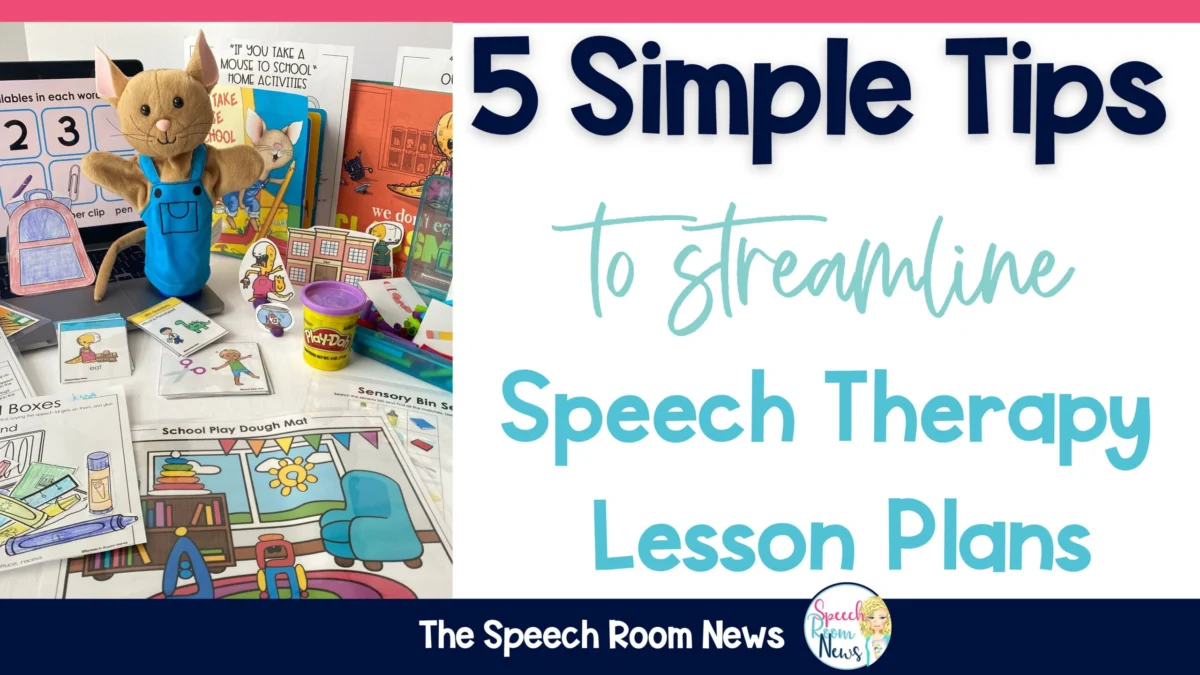
School-based Speech-Language Pathologists (SLPs) face an increasingly demanding professional landscape, characterized by diverse student needs, extensive caseloads, and a complex array of responsibilities. The traditional model of creating individualized lesson plans for each student for every session is proving unsustainable, leading to significant administrative burdens and potential burnout. Recognizing this challenge, experts and seasoned practitioners advocate for strategic planning approaches that streamline preparation without compromising the quality or individualized nature of therapy. This shift towards more efficient methodologies is not merely about saving time; it is about optimizing therapeutic impact, fostering collaboration, and ultimately enhancing student outcomes.
The role of a school-based SLP extends far beyond direct intervention. These professionals are integral members of educational teams, responsible for conducting comprehensive assessments, developing Individualized Education Programs (IEPs), monitoring progress, consulting with teachers and parents, and often participating in various school-wide initiatives. Data from organizations like the American Speech-Language-Hearing Association (ASHA) frequently underscores the significant caseloads managed by SLPs, often exceeding recommended guidelines. This necessitates innovative strategies to manage time and resources effectively, particularly in the realm of lesson planning, which can consume a substantial portion of an SLP’s week if not approached strategically. The initial overwhelm experienced by many new SLPs, often tasked with familiarizing themselves with dozens of students and their unique goals, highlights the critical need for structured, adaptable planning frameworks.
Adopting Theme-Based Therapy for Versatile Engagement
One of the most impactful strategies for streamlining speech therapy lesson plans is the adoption of a theme-based therapy approach. This method involves selecting a central theme for a week or month—such as "fall harvest," "ocean life," or "community helpers"—and then aligning all therapeutic materials and activities to this overarching concept. This allows SLPs to select a single book, a set of toys, relevant worksheets, or a craft project that can be adapted to address a multitude of goals across various students in a mixed group setting. For instance, a "farm animal" theme can facilitate articulation practice (e.g., "moo," "pig"), vocabulary expansion (e.g., names of animals, actions, farm objects), grammar (e.g., "The cow eats grass"), narrative skills (e.g., telling a story about a day on the farm), and social language (e.g., taking turns to feed pretend animals).
The primary benefit of theme-based planning is its inherent reusability and adaptability. Once a theme kit is developed, it can be refined and utilized year after year, gradually building a robust library of pre-made, organized materials. This not only drastically reduces preparation time but also ensures consistency and depth in therapeutic content. Furthermore, themed lessons often align naturally with broader classroom curricula, fostering a more integrated learning experience for students and facilitating carryover of skills into the general education environment. This alignment also strengthens collaboration with classroom teachers, who can reinforce related concepts, creating a cohesive educational ecosystem for the student.
Leveraging Literacy for Comprehensive Language Development
Another highly effective planning strategy centers around literacy-based therapy, utilizing high-quality picture books or age-appropriate texts as the cornerstone of intervention. This approach is strongly supported by research highlighting the symbiotic relationship between language development and literacy acquisition. SLPs can target a wide array of speech and language goals through a single book, minimizing the need for extensive material creation, especially beneficial for mixed groups. Many pre-made, book-specific materials are also available online, further reducing preparation time. Moreover, by selecting books that are either currently being used in the classroom or are thematically linked to the curriculum, SLPs can seamlessly connect speech therapy goals to academic content, promoting generalization and functional application of learned skills.
A typical literacy-based intervention follows a structured framework:
- Pre-story knowledge activation: Engaging students in discussions to tap into their existing knowledge and build anticipation.
- Shared story reading: Interactive reading that models fluent reading, highlights new vocabulary, and encourages comprehension.
- Focused-skill activities: Targeted exercises derived from the book to address specific IEP goals (e.g., identifying character emotions, sequencing events, practicing specific speech sounds within words from the story).
- Post-story comprehension discussion: Reviewing the narrative, summarizing key points, and drawing inferences.
This framework allows for multiple sessions to be built around a single book, deepening comprehension and skill practice. ASHA emphasizes the critical role of SLPs in literacy development, making this approach particularly relevant for promoting academic success.
Implementing a Narrative Language Approach for Academic Success
Distinct yet complementary to literacy-based therapy, the narrative language approach focuses specifically on developing storytelling skills. This intervention method systematically teaches students the structural components of narratives, enhancing their ability to understand, retell, and generate stories. Instead of focusing on a single book over multiple sessions, this approach often utilizes several similar stories over time, emphasizing story grammar elements such as characters, setting, initiating event, problem, attempts to solve, resolution, and character feelings. It places a significant emphasis on developing complex syntax and vocabulary within a narrative context.
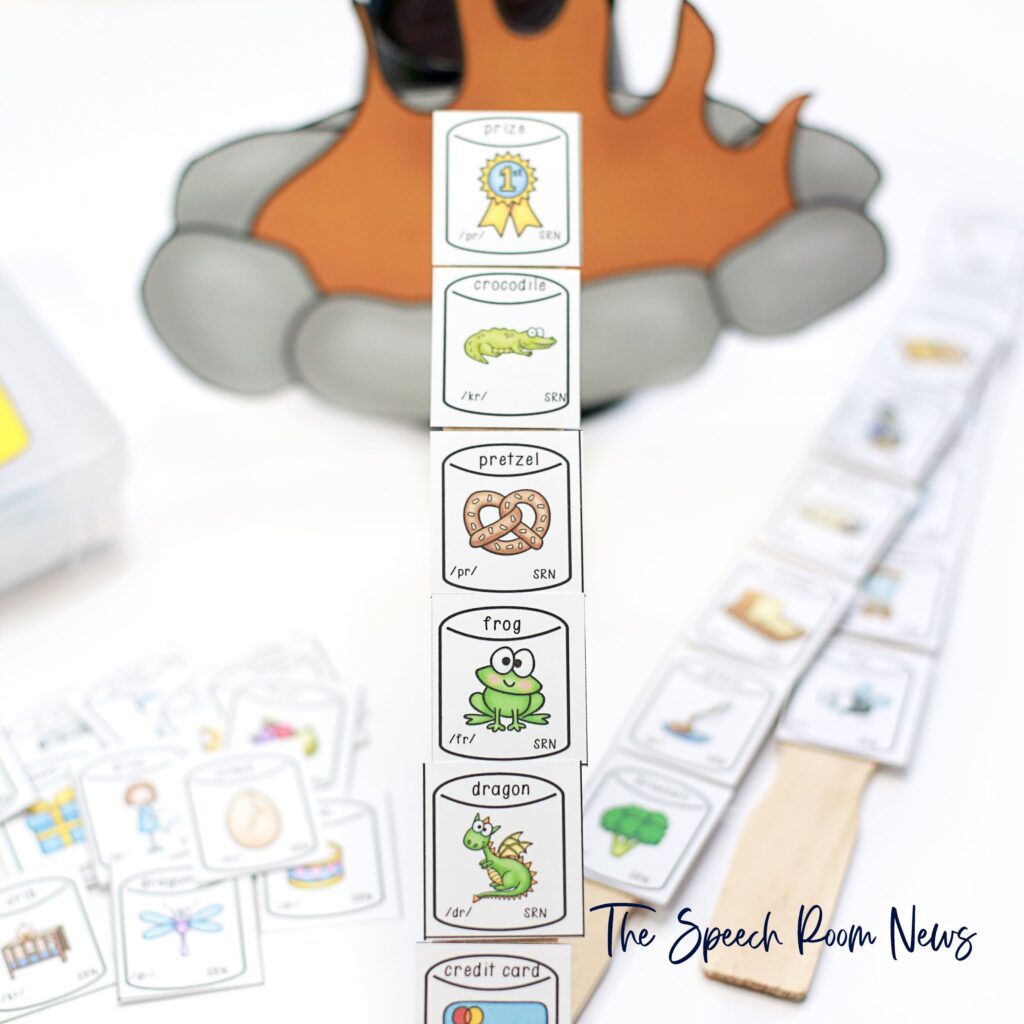
The profound benefit of the narrative language approach lies in its direct correlation with curriculum success. Strong narrative skills are foundational for reading comprehension, written expression, and social communication. By focusing on these skills, SLPs not only address specific IEP goals but also equip students with essential tools for navigating academic demands and social interactions. This approach promotes the carryover of speech and language skills into functional contexts, as students learn to organize their thoughts, express themselves coherently, and engage in meaningful conversations. Resources like story grammar icons and visual aids can be effectively integrated to support students in internalizing narrative structure, making abstract concepts more concrete and accessible.
Maximizing Utility with Single Toy/Game Interventions
Perhaps one of the most low-prep and engaging strategies is to utilize a single therapy toy or game to target a diverse range of goals across different students. This approach minimizes material clutter and leverages children’s natural inclination towards play, thereby enhancing motivation and engagement. Common games like Candyland can be transformed into versatile therapeutic tools. Instead of simply playing the game, SLPs can introduce customized cards or prompts that require students to practice articulation targets, describe game pieces, use specific grammatical structures (e.g., "I want to go to the blue square"), answer comprehension questions, or engage in turn-taking and requesting.
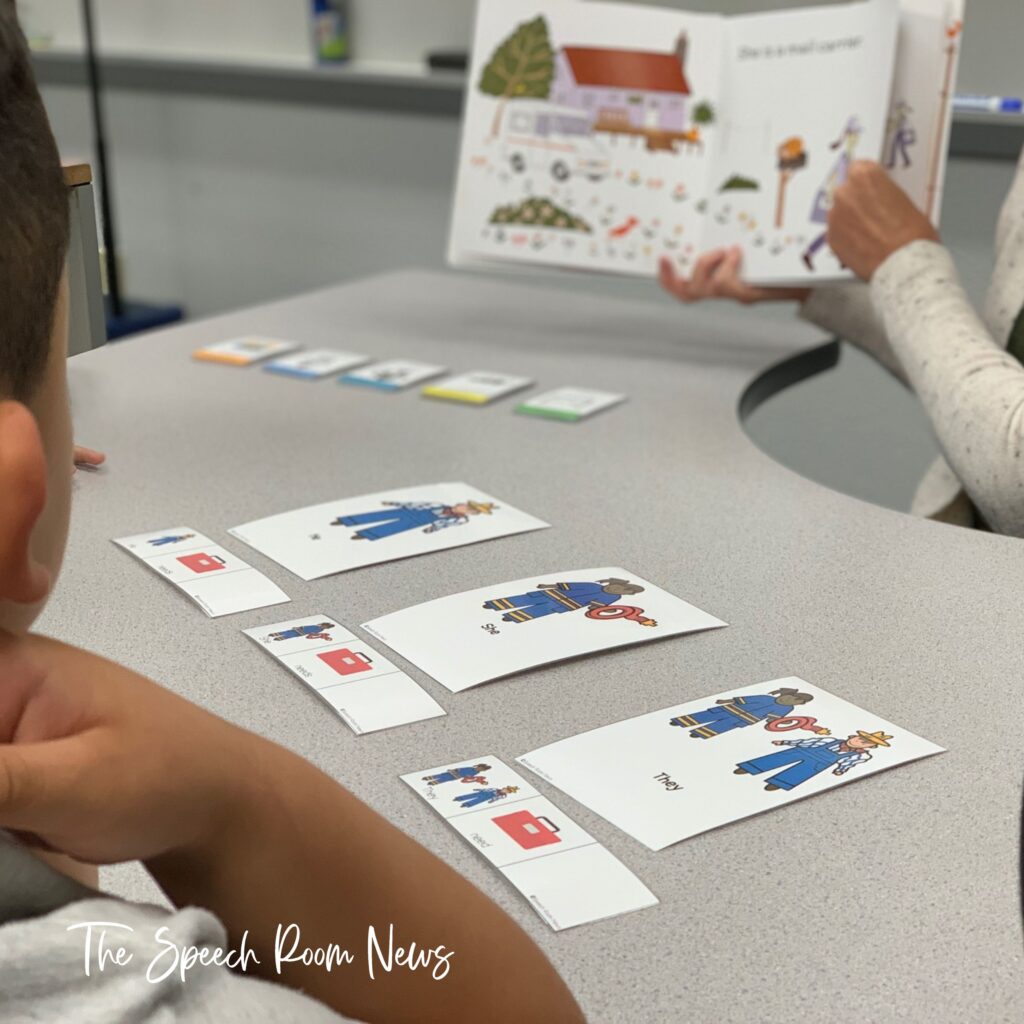
Play-Doh offers another excellent medium for multi-goal therapy. Activities can range from fine motor skill development (rolling, squeezing) to language tasks such as following multi-step directions, describing creations, practicing articulation sounds embedded in play scenarios, or even collecting data on target behaviors through interactive "Dough and Data" mats. Mini-objects are invaluable for targeting vocabulary, prepositions, categorization, articulation, and narrative generation due to their concrete and manipulable nature. Pretend play sets, such as an ice cream shop, facilitate social scripts, functional communication, vocabulary expansion (e.g., flavors, toppings, actions), and grammatical structures (e.g., "Put the chocolate on top," "Can I have whipped cream?"). This play-based approach is particularly effective for younger children and those with limited verbal skills, as it provides a naturalistic context for communication and learning. The inherent flexibility of a single toy or game makes it ideal for mixed groups, allowing the SLP to seamlessly adapt prompts to each student’s specific IEP goals within the same activity.
Structured Planning for AAC Users: The Core Word of the Week
For students utilizing Augmentative and Alternative Communication (AAC) systems, a structured "Core Word of the Week" (WOW) approach offers a highly effective and streamlined planning solution. Core words are high-frequency words (e.g., "go," "want," "more," "stop," "in," "out") that are essential for functional communication and can be used across various contexts. A WOW program provides a consistent framework for teaching and modeling these crucial words. Each week or month, a set of 3-4 core words is selected, and all instructional activities, across all environments, are designed to reinforce these words.
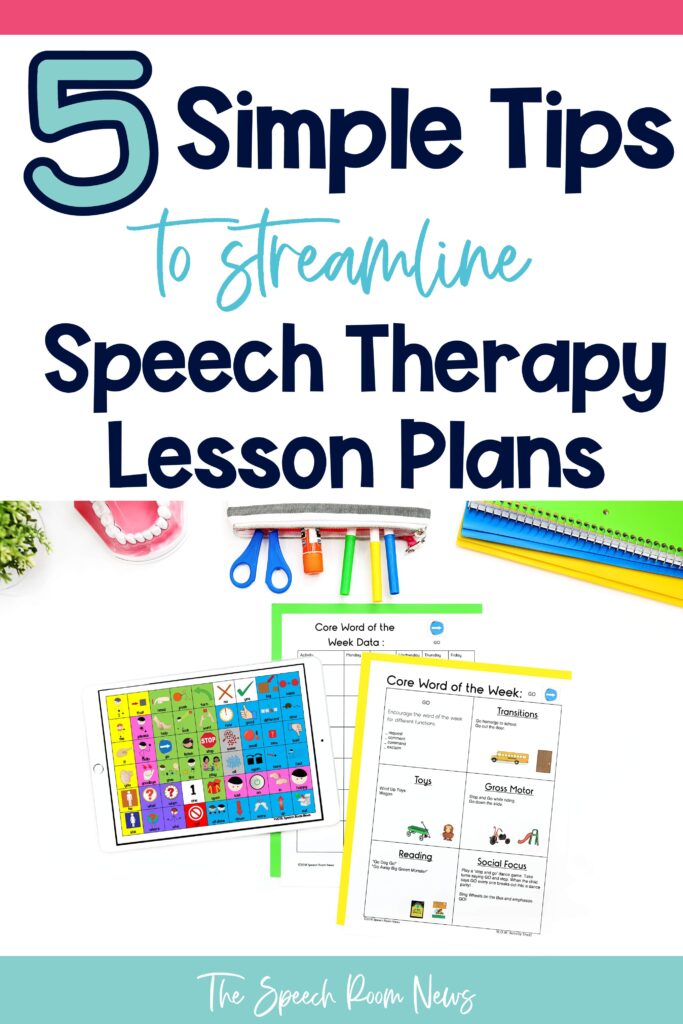
This systematic approach offers several significant advantages:
- Consistency: It ensures that all members of a student’s educational team—SLPs, teachers, paraprofessionals, and even parents—are aware of and actively modeling the target core words, fostering a cohesive communication environment.
- Generalization: By focusing on high-frequency words in multiple contexts, students are better able to generalize their use of AAC, leading to more spontaneous and independent communication.
- Reduced Planning Time: Pre-designed lesson kits for core words provide a ready-to-use structure, including activities, visual aids, and communication boards, drastically cutting down on individual preparation.
- Empowerment: Mastering core words empowers AAC users to express a wide range of needs, wants, and ideas, significantly improving their participation and independence.
Comprehensive WOW programs often include materials for classroom display, parent letters for home practice, and suggestions for integrating the words into daily routines, ensuring that instruction is holistic and well-supported.
Bonus Tip: The Indispensable "Grab and Go" Materials
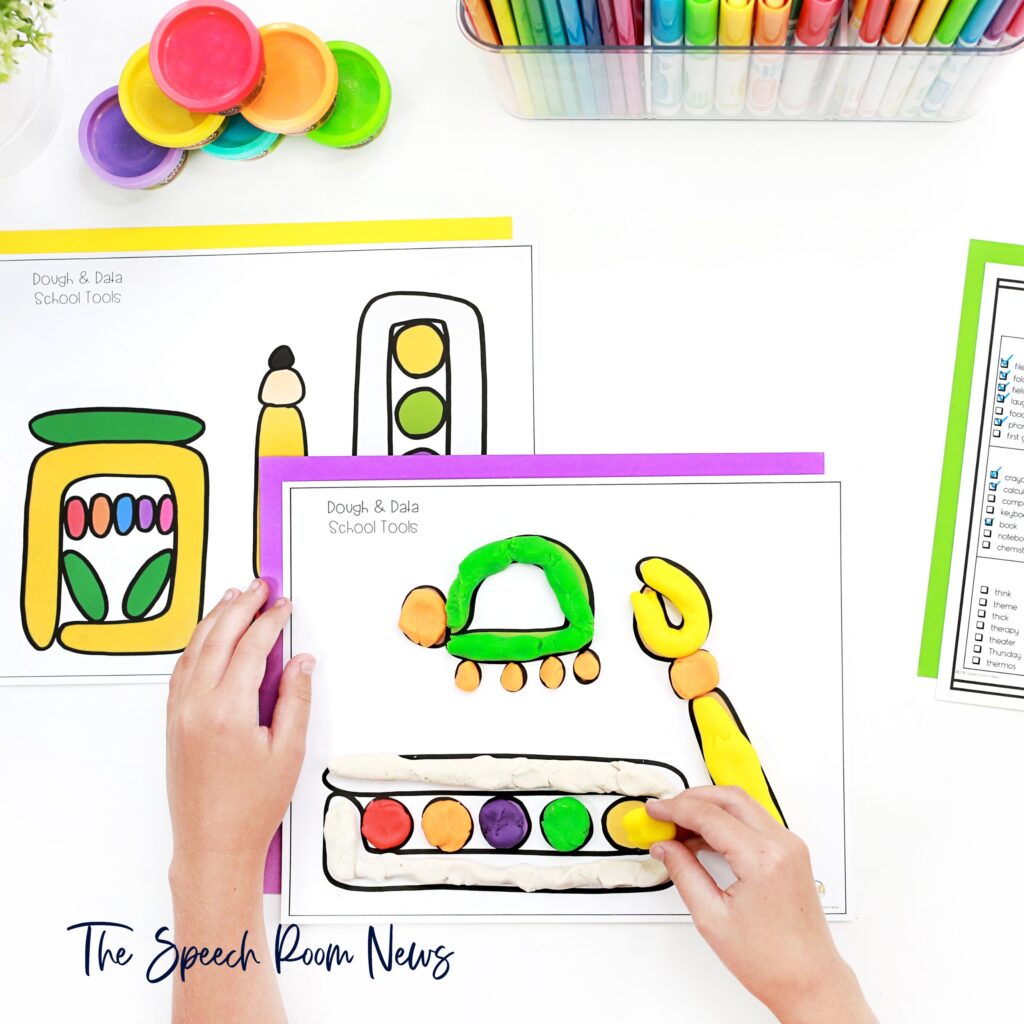
Beyond these structured planning methodologies, maintaining a well-organized collection of "grab and go" materials is an invaluable strategy for any SLP. These pre-prepped, versatile resources serve as a critical safety net for unforeseen circumstances, such as last-minute schedule changes, unexpected therapy needs, or the absence of a substitute SLP. Having these materials readily available minimizes stress and ensures that therapy sessions can continue effectively, even when primary lesson plans are disrupted.
Essential "grab and go" items often include:
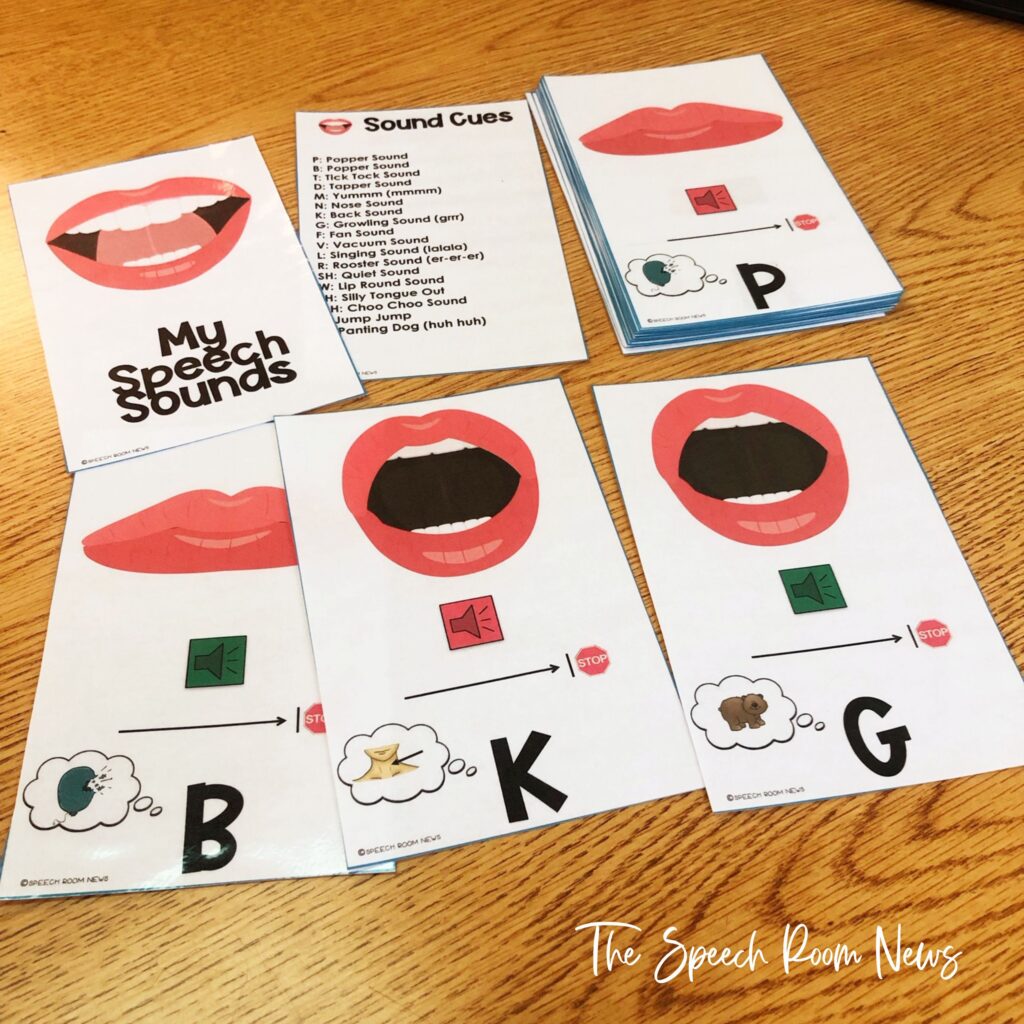
- Articulation cards: Covering a range of sounds at different levels (word, phrase, sentence).
- Visual supports: For behavior management, sequencing tasks, or social stories.
- Basic language activity sheets: Targeting concepts like categories, synonyms/antonyms, or grammar.
- Print-and-go home packets: For articulation or phonology, facilitating home practice.
- Speech sound posters: For quick reference and visual cues.
These materials are not merely fillers; they are robust tools that can be adapted to various goals and student needs, providing flexibility and ensuring that valuable therapy time is always productive.
Broader Implications for the SLP Profession and Education
The implementation of these streamlined lesson planning strategies carries profound implications for the SLP profession and the broader educational system. For SLPs, these methods offer a tangible path to reduced administrative workload, mitigated burnout, and increased job satisfaction. By spending less time on redundant planning, SLPs can dedicate more energy to direct therapy, assessment, and interdisciplinary collaboration, enhancing the overall quality of their services.
For students, the benefits are even more significant. Streamlined planning often translates into more consistent, engaging, and effective therapy sessions. The thematic, literacy, and narrative approaches foster deeper learning, promote skill generalization, and integrate speech and language goals more organically with academic curricula. For AAC users, the systematic instruction of core words provides a foundational pathway to communication independence and participation. Ultimately, these strategic planning methodologies contribute directly to improved student outcomes, fostering stronger communication skills that are critical for academic success, social emotional development, and lifelong learning. This paradigm shift towards efficient, integrated planning is not just a convenience; it is an essential evolution in modern speech-language pathology practice.
