

The foundational premise of early intervention (EI) in speech therapy centers on addressing communicative difficulties in children typically from birth through three years of age. This period is widely recognized by developmental psychologists and neurologists as a critical window for language acquisition, where the brain exhibits remarkable plasticity. Research consistently demonstrates that early identification and intervention for speech and language disorders can significantly improve long-term outcomes, reducing the severity of delays and potentially preventing secondary academic and social challenges. According to data from the Centers for Disease Control and Prevention (CDC), approximately one in five children in the U.S. experiences a developmental delay, with speech and language delays being among the most common. Early intervention aims to capitalize on this sensitive period, providing targeted strategies to support a child’s emerging communication abilities.
The Indispensable Role of Books in Speech and Language Development

Picture books are far more than mere entertainment; they are dynamic educational instruments in the hands of skilled speech-language pathologists. Their structured narratives, repetitive language, and vibrant illustrations create an ideal environment for therapeutic goals. Each carefully selected book can target specific speech and language objectives, making them invaluable resources for SLPs working with children in early intervention.
One of the primary benefits of incorporating picture books into therapy sessions is their capacity to promote language and vocabulary development. Books expose children to a diverse array of words, sentence structures, and linguistic concepts that might not be encountered in everyday conversation. As SLPs read aloud, they can introduce new vocabulary, model correct pronunciation, reinforce conceptual understanding, and encourage expressive language skills through questions and prompts. The visual context provided by illustrations further aids comprehension, allowing children to associate new words with concrete images, thereby solidifying their understanding and recall.
Beyond individual words, books are crucial for enhancing storytelling and narrative skills. Engaging with narratives helps children understand story structure, including elements like characters, setting, plot, problem, and resolution. This exposure teaches them about sequencing events, understanding cause-and-effect relationships, and developing a sense of temporal order – all fundamental components of effective communication. The ability to retell a story, describe events, or predict outcomes are advanced language skills that are nurtured through consistent interaction with books.
Furthermore, picture books are potent catalysts for stimulating imagination and creativity. They transport children to fantastical worlds, introduce them to diverse characters, and present novel scenarios. This imaginative engagement encourages children to visualize and describe scenes, characters, and events, fostering both receptive and expressive language skills. When children are encouraged to discuss what they see, what might happen next, or how a character feels, they are actively practicing descriptive language, emotional vocabulary, and critical thinking.
Scientific Insights into Early Literacy and Brain Development
The efficacy of using picture books in early intervention is well-supported by neuroscientific research. Studies in cognitive development highlight that early exposure to print and spoken language from books stimulates critical areas of the brain associated with language processing, memory, and cognitive flexibility. Regular reading aloud to young children has been linked to stronger neural pathways, enhancing phonological awareness (the ability to recognize and manipulate sounds in spoken language), which is a crucial precursor to literacy.
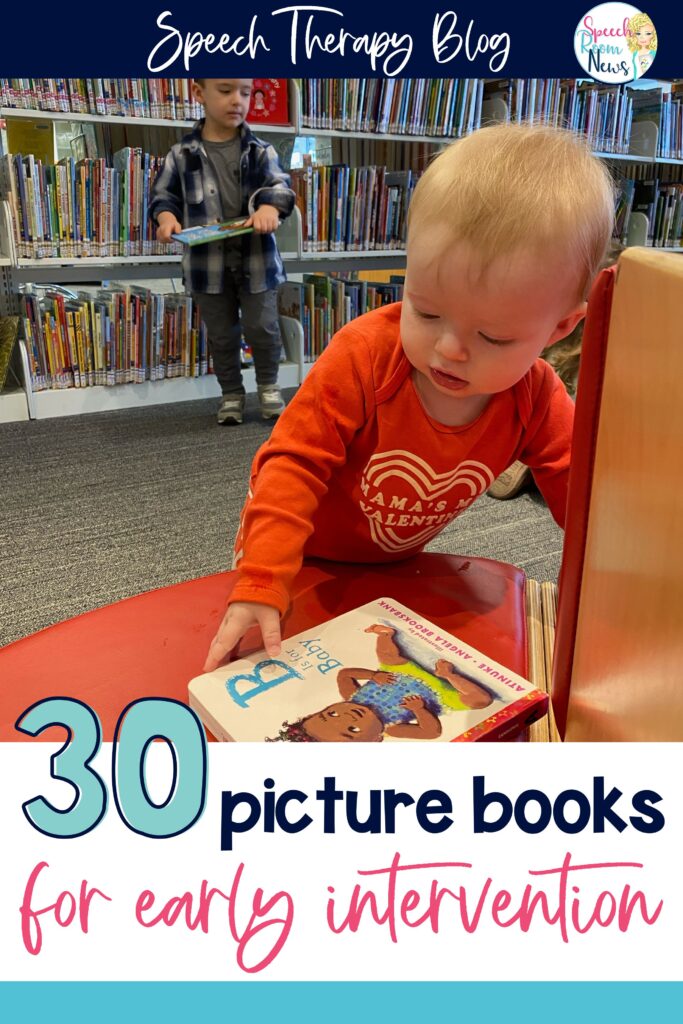
Experts from organizations like the American Speech-Language-Hearing Association (ASHA) frequently emphasize that "shared book reading is a powerful vehicle for language learning." They highlight that the interactive nature of reading — pointing to pictures, asking questions, and expanding on a child’s responses — builds joint attention, turn-taking skills, and conversational reciprocity, all of which are foundational for effective communication. The repetitive nature of many children’s books also provides predictable linguistic patterns, aiding children in recognizing and producing sounds and words more easily.
A Structured Approach: Selecting Books for Specific Goals
Speech-language pathologists carefully curate their library, selecting books that align with the specific developmental needs and therapeutic goals of each child. The selection process considers factors such as a child’s attention span, cognitive level, and targeted speech and language areas (e.g., articulation, vocabulary, sentence structure, social communication). The following categories represent effective choices for early intervention speech therapy:
Interactive Books
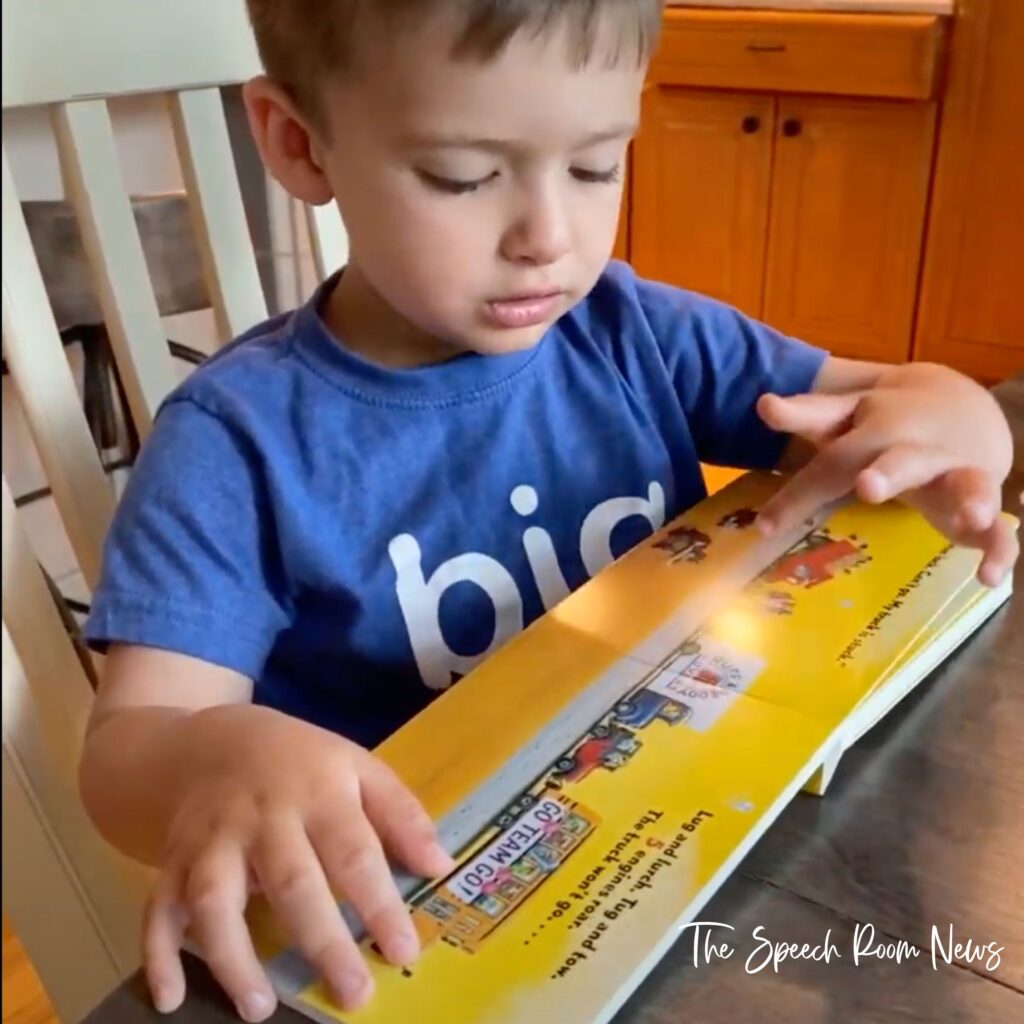
Interactive books are designed to encourage touch, manipulation, and direct engagement, making them particularly effective for increasing attention, promoting vocabulary development, and engaging multiple senses. These books are invaluable for children who benefit from multi-sensory learning and hands-on experiences.
- "Press Here" by Hervé Tullet: This minimalist yet brilliant book invites children to press dots, shake the book, or tilt it, creating an illusion of cause and effect. It’s excellent for teaching action verbs, following directions, and understanding simple consequences.
- "The Very Hungry Caterpillar" by Eric Carle (Lift-the-Flap Version): While classic, the lift-the-flap editions add an interactive element. It’s perfect for sequencing, vocabulary (food items, days of the week), and concepts of growth and transformation.
- "Pat the Bunny" by Dorothy Kunhardt: A timeless touch-and-feel book that introduces sensory words (soft, rough, cold) and encourages interaction. It’s ideal for early vocabulary, tactile exploration, and simple requests ("pat the bunny").
- "Dear Zoo" by Rod Campbell: This lift-the-flap classic allows children to open cages to discover different animals. It targets animal names, sounds, descriptive adjectives (tall, fierce, grumpy), and making inferences.
- "Where’s Spot?" by Eric Hill: Another beloved lift-the-flap book that encourages children to search for Spot, teaching prepositions (under, behind, in), animal names, and question-answering skills.
Durable Books
Durable books, often made of sturdy cardboard or cloth, are perfect for early intervention due to their ability to withstand repeated handling by young children, who are still developing fine motor skills and may be prone to chewing or tearing. Their robust construction ensures longevity and repeated use, which is essential for reinforcing learning.
- "Brown Bear, Brown Bear, What Do You See?" by Bill Martin Jr. and Eric Carle: Known for its repetitive text and vibrant illustrations, this book is excellent for teaching colors, animal names, and practicing predictable sentence structures. Its board book format is highly durable.
- "Goodnight Moon" by Margaret Wise Brown: This soothing classic is ideal for practicing object identification, developing routines, and expanding vocabulary related to bedtime and surroundings. The board book version is a staple.
- "Chicka Chicka Boom Boom" by Bill Martin Jr., John Archambault, and Lois Ehlert: A rhythmic and engaging story that introduces letters of the alphabet in a fun, memorable way. Its durable construction is perfect for repeated readings and interactive letter recognition.
- "From Head to Toe" by Eric Carle: Encourages children to mimic animal movements, promoting body part identification, action verbs, and gross motor skills. The board book format ensures it can handle active participation.
Board Books
Board books are a popular choice in early intervention speech therapy due to their sturdy construction, repetitive text, engaging pictures, and potential for incorporating songs and actions. They are designed for little hands and often feature simple stories and concepts.
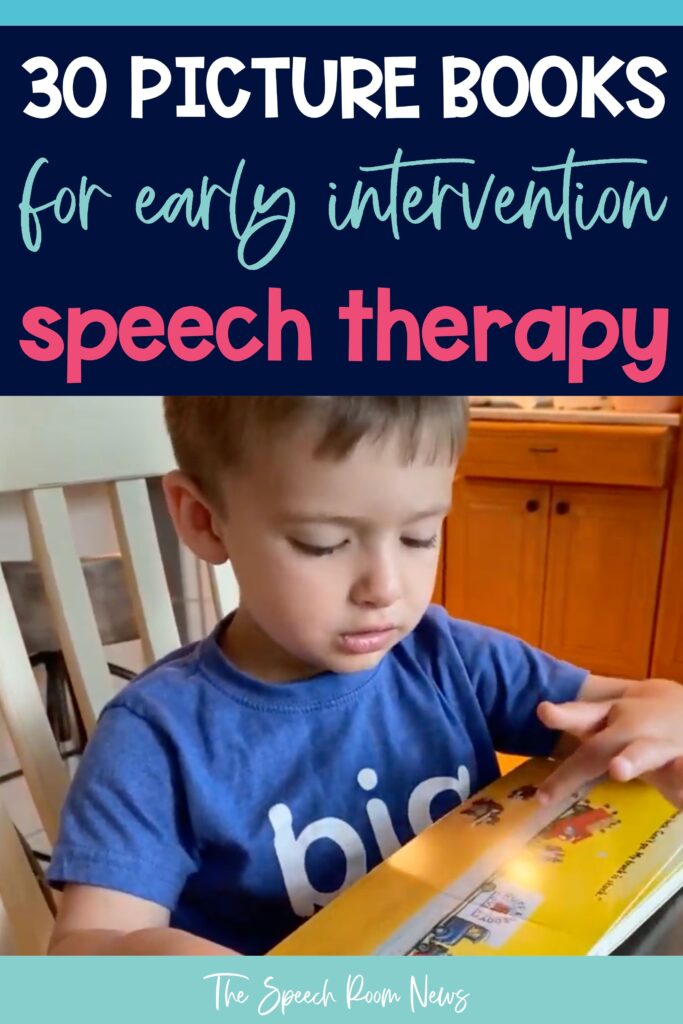
- "Ten Little Fingers and Ten Little Toes" by Mem Fox: A heartwarming story celebrating babies from around the world, perfect for teaching body parts, numbers, and fostering a sense of connection. The rhythmic text is great for auditory processing.
- "Peek-A-Who?" by Nina Laden: A simple, interactive board book with cut-out windows that reveal animals. It’s excellent for practicing animal sounds, question-and-answer routines, and the concept of "peek-a-boo."
- "Llama Llama Red Pajama" by Anna Dewdney: This popular series addresses common childhood emotions and situations, making it great for teaching emotional vocabulary, social scenarios, and problem-solving. The rhyming scheme aids language development.
- "Go, Dog. Go!" by P.D. Eastman: A classic Dr. Seuss board book known for its simple sentences, repetition, and focus on concepts like colors, prepositions, and action verbs. It’s highly engaging for young learners.
- "Where Is the Green Sheep?" by Mem Fox: A delightful search-and-find book that introduces descriptive adjectives, prepositions, and encourages children to identify different types of sheep. The repetitive question structure is beneficial.
- "Little Blue Truck" by Alice Schertle: Features various farm animals and their sounds, promoting animal identification, sound imitation, and understanding of helping others. The repetitive phrase "little blue truck" is easy to follow.
Implementing Books: A Collaborative Journey
The integration of picture books into early intervention speech therapy is not solely the domain of the SLP. A critical aspect of successful early intervention is the active participation of families. Speech therapists collaborate closely with parents and caregivers, demonstrating techniques for interactive reading and showing how to integrate these strategies into daily routines. This empowers families to become primary facilitators of their child’s language development, extending the therapeutic benefits beyond formal sessions.
Parents are guided on how to:
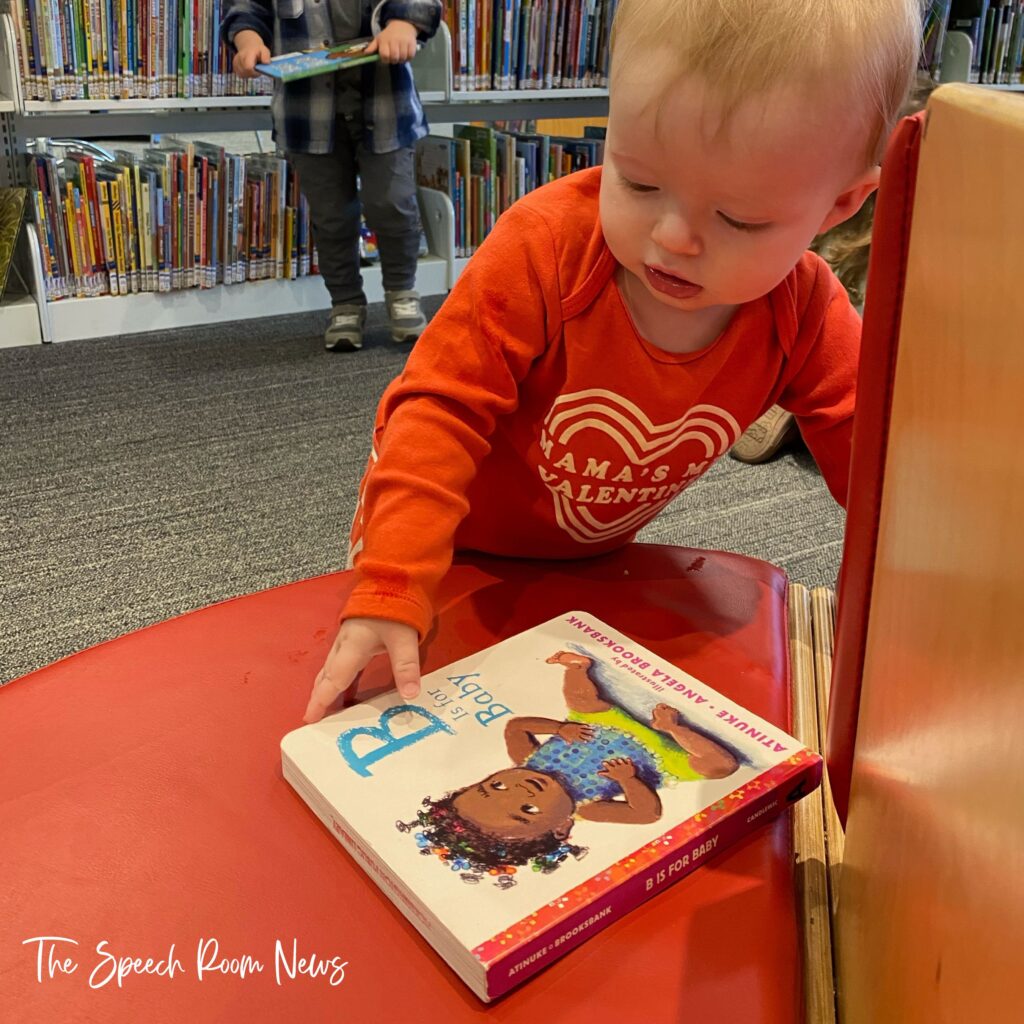
- Engage Actively: Point to pictures, ask open-ended questions ("What do you see?"), and encourage pointing or vocalizations.
- Model Language: Narrate what is happening in the book, expand on the child’s utterances, and use varied vocabulary.
- Create Routines: Establish a consistent reading time, making it a positive and predictable experience.
- Follow the Child’s Lead: Allow the child to choose books and dictate the pace, maintaining their interest and engagement.
Broader Implications and Long-Term Impact
The sustained focus on picture books in early intervention yields far-reaching benefits. Successful early intervention not only addresses immediate speech and language delays but also lays a robust foundation for future academic success. Children with strong early language skills are better prepared for kindergarten, exhibit improved literacy rates, and demonstrate enhanced social-emotional competencies. By fostering a love for books and reading from a young age, early intervention instills a lifelong appreciation for learning and communication.
Moreover, the emphasis on accessible and engaging resources like picture books highlights a broader public health imperative: ensuring that all children have the opportunity to develop their full communicative potential. Policies that support early literacy initiatives and provide resources for families, especially those in underserved communities, are crucial. The simple act of reading a picture book becomes a powerful act of intervention, nurturing not just speech and language, but the holistic development of a child.
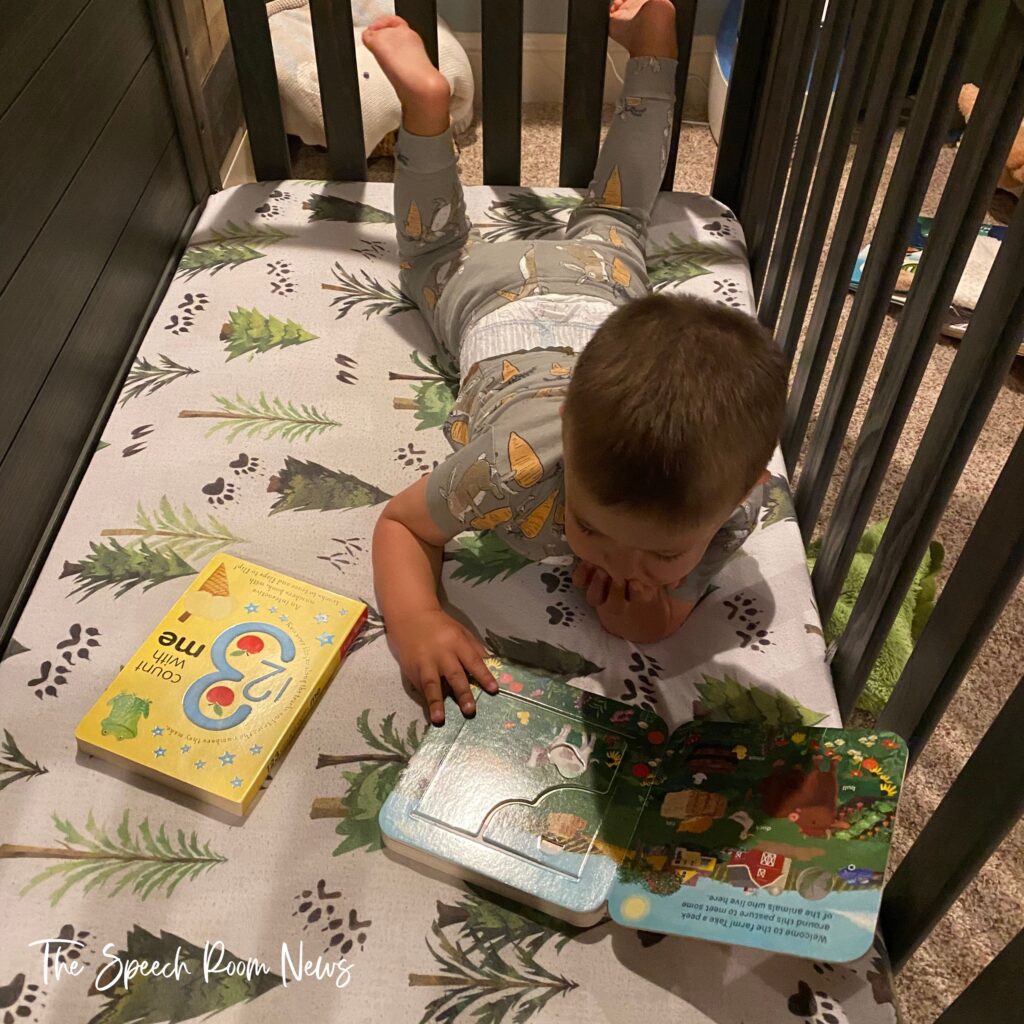
In conclusion, picture books are not merely supplementary materials but indispensable components of effective early intervention speech therapy. Their ability to promote language, vocabulary, storytelling, and imagination, coupled with their engaging and durable formats, makes them ideal for supporting young children with communication difficulties. Through the dedicated efforts of speech-language pathologists and the collaborative involvement of families, these seemingly simple tools pave the way for enhanced communication skills, stronger cognitive foundations, and brighter developmental trajectories for children during their most critical formative years.
