


Curriculum Night, a cornerstone event in the academic calendar, serves as a crucial platform for educators to foster collaboration with parents, offering a window into the educational journey ahead. For Speech-Language Pathologists (SLPs), this evening presents a unique and vital opportunity to not only demystify their specialized role but also to empower families with practical tools and insights critical for supporting children’s communication development. Effective engagement during Curriculum Night by SLPs is increasingly recognized as a key factor in enhancing home-school partnerships and improving student outcomes.

The concept of Curriculum Night has evolved significantly over the decades. Originally conceived primarily as a "meet the teacher" session, where parents would briefly visit their child’s classroom and receive an overview of academic subjects, it has transformed into a more comprehensive engagement event. Modern Curriculum Nights aim to provide a holistic view of the educational environment, integrating the contributions of various specialists who play integral roles in student success. This evolution reflects a broader pedagogical shift towards recognizing the interconnectedness of academic, social, emotional, and communication development. For parents, it’s an invaluable chance to step into their child’s learning world, understand the pedagogical approaches, and feel more connected to the school community. For SLPs, it signifies an important moment to articulate their essential function within this multifaceted educational landscape, moving beyond the perception of being solely a resource for students with diagnosed disorders to being a proactive partner in general language and literacy development.
The presence and active participation of SLPs at Curriculum Night are particularly pertinent given the widespread prevalence of speech and language disorders among school-aged children. According to the National Institute on Deafness and Other Communication Disorders (NIDCD), approximately 5% of children have a noticeable speech disorder, and a significant percentage also experience language disorders, which can profoundly impact academic achievement and social integration. Early identification and intervention are paramount, with research consistently demonstrating that children who receive timely support for communication challenges exhibit better long-term academic and social outcomes. SLPs are uniquely positioned to serve as the frontline experts in this area, bridging the gap between clinical understanding and practical application within the home and school environments. By effectively communicating their role and offering actionable strategies, SLPs can significantly influence early referral rates, reduce developmental gaps, and foster a more inclusive learning experience for all students.

To maximize the impact of their Curriculum Night presentations, SLPs are advised to adopt a strategic approach centered on clarity, relevance, and actionable support. The initial step involves the judicious selection of a presentation topic. Instead of a broad overview of speech-language pathology, which might overwhelm or disengage parents, SLPs should identify specific areas of parental concern or common developmental challenges that resonate with their school community. For instance, focusing on communication milestones for early learners, practical strategies for improving articulation at home, or techniques for enhancing expressive language can prove far more engaging and beneficial. Data from parent surveys or informal conversations within the school community can inform these choices, ensuring the topic addresses genuine needs. A study conducted by the American Speech-Language-Hearing Association (ASHA) highlighted that parents often seek guidance on "how to help at home" and "understanding typical development," underscoring the importance of needs-based topic selection.
A critical component of an effective SLP presentation is its commitment to solving real, tangible problems parents face. The presentation should not merely showcase the SLP’s professional activities but rather demonstrate the direct, positive impact of speech-language therapy on a child’s daily life and learning. This means moving beyond theoretical explanations of therapeutic approaches and delving into concrete, practical solutions. For example, if the topic is early language development, an SLP might present common scenarios where parents struggle (e.g., getting a toddler to use more words) and then offer specific, easy-to-implement strategies like "narrating daily routines" or "offering choices." This problem-solution framework builds trust and validates parents’ experiences, transforming the SLP from a distant expert into an accessible partner. The emphasis on actionable steps ensures parents leave with a sense of empowerment, equipped to implement supportive practices immediately, thereby extending the therapeutic benefits beyond the school walls.
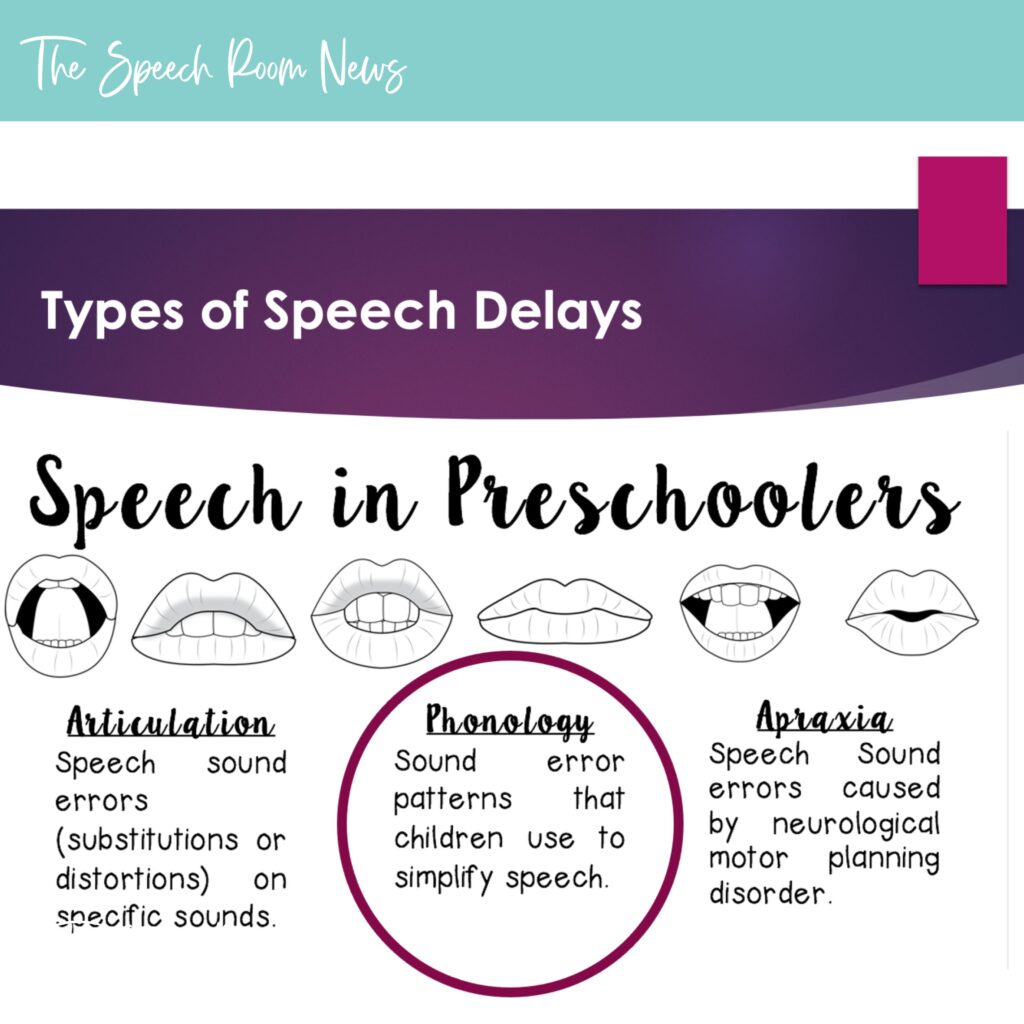
Perhaps one of the most vital strategies for SLPs during Curriculum Night is the absolute necessity of employing parent-friendly language. The field of special education, including speech-language pathology, is replete with technical jargon, acronyms (e.g., IEP, AAC, phonological awareness), and specialized terminology that can be utterly bewildering to individuals outside the profession. Presenting information in a manner that assumes no prior knowledge is crucial for effective communication and engagement. Analogies, relatable examples, and simple, direct explanations can demystify complex concepts. For instance, instead of discussing "phonemic awareness deficits," an SLP might explain "difficulty hearing the individual sounds in words." This deliberate simplification not only ensures comprehension but also signals respect for parents, acknowledging that their primary concern is their child’s well-being, not mastery of professional lexicon. School administrators often emphasize this point, recognizing that clear communication is foundational to strong home-school partnerships. "Our goal is to make every parent feel informed and supported, not intimidated," stated Principal Anya Sharma of Northwood Elementary. "SLPs who translate complex therapeutic concepts into everyday language are invaluable in achieving this."
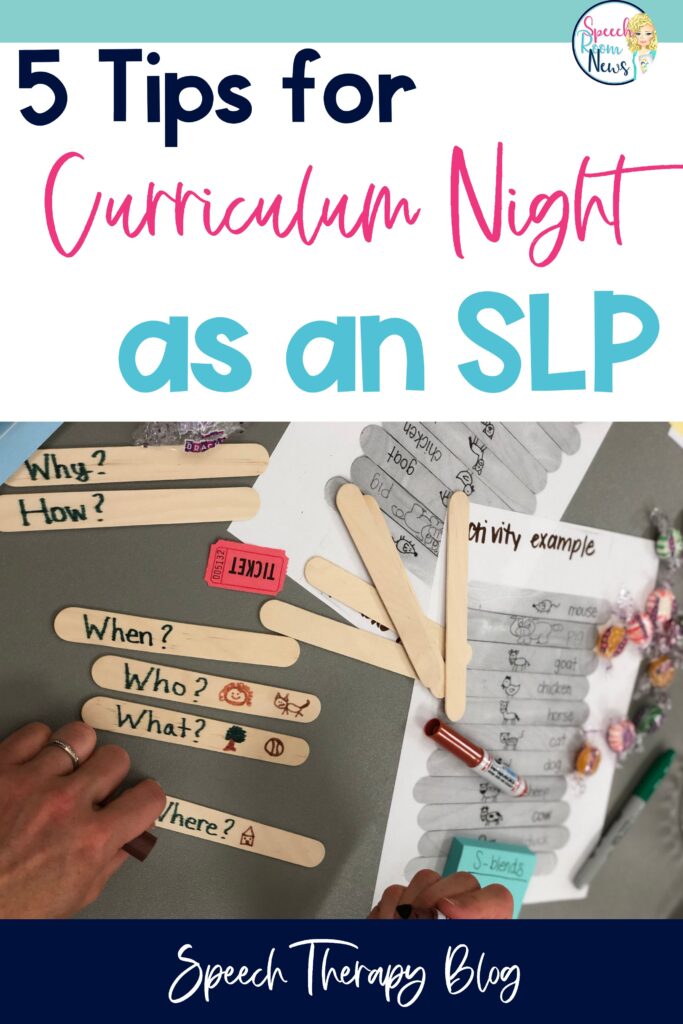
Beyond verbal communication, interactive components can significantly amplify the effectiveness of an SLP’s Curriculum Night presence. The incorporation of a "Make and Take" activity, where parents actively create a tool or resource, transforms passive listening into active participation. This hands-on approach caters to diverse learning styles and provides parents with a tangible, personalized resource they can immediately utilize at home. Examples might include crafting simple visual schedules for children with communication needs, assembling "WH-question" sticks to practice comprehension, or creating personalized communication boards for non-verbal students. These activities not only reinforce the concepts discussed but also empower parents by giving them direct ownership over supportive tools. Such initiatives are particularly effective for fostering a sense of partnership, demonstrating that parents are integral to the therapeutic process. "The ‘Make and Take’ activity on visual supports was a game-changer for our family," shared Maria Rodriguez, a parent at Willow Creek Preschool. "I left with something concrete I could use, and it instantly made a difference in our morning routine." This experiential learning model is supported by educational psychology, which posits that active engagement leads to deeper understanding and retention.
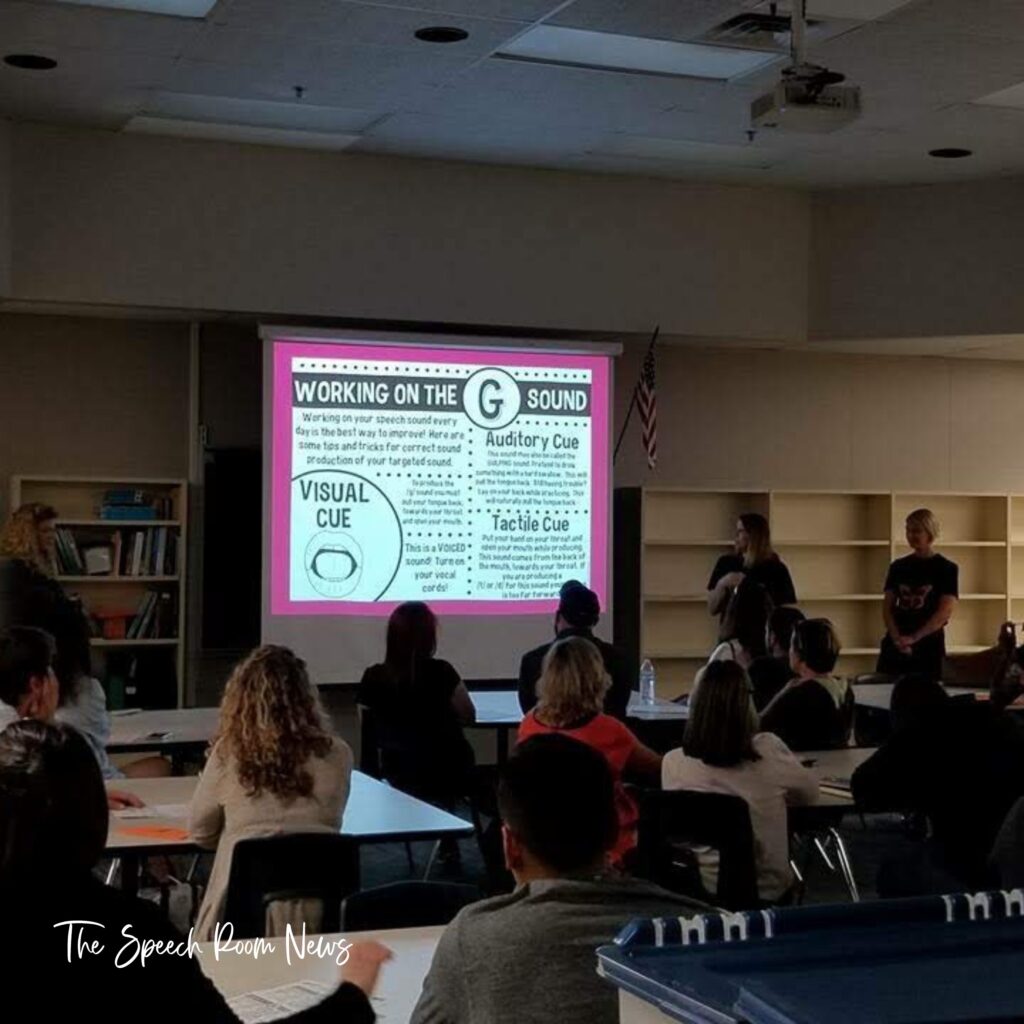
Complementing interactive elements, providing informative handouts is an indispensable strategy for sustained parental engagement. Even the most compelling presentation can be forgotten amidst the flurry of information parents receive on Curriculum Night. Well-designed handouts serve as a durable reference guide, summarizing key points, outlining actionable strategies, and listing recommended resources. These materials should be concise, visually appealing, and, importantly, written in the same parent-friendly language used during the presentation. Essential inclusions might be developmental milestone checklists, home activity suggestions (e.g., tips for shared reading, conversation starters), and clear contact information for the SLP. The availability of these resources extends the impact of the Curriculum Night discussion, allowing parents to revisit information at their convenience and apply strategies over time. Many SLPs leverage online platforms like TeachersPayTeachers to access or create high-quality, pre-made parent handouts, ensuring professional and consistent communication.
The broader implications of SLPs strategically engaging with parents during Curriculum Night are far-reaching. Enhanced parental understanding of speech and language development and disorders can lead to earlier identification of potential issues, facilitating timely referrals and interventions. This proactive approach can mitigate the severity of communication challenges, ultimately reducing the need for more intensive support later in a child’s educational journey. Furthermore, robust home-school collaboration, fostered through these interactions, strengthens the support system around the child, ensuring consistency in therapeutic strategies across environments. This alignment between home and school is crucial for accelerating progress on individualized education program (IEP) goals and promoting overall academic and social success. By stepping into a more visible and proactive role, SLPs also elevate the understanding and appreciation of their profession within the broader educational community, advocating for the critical importance of communication health. Dr. Eleanor Vance, a spokesperson for the National Council of Speech-Language Pathology, noted, "Curriculum Night is not just an event; it’s an advocacy opportunity. It allows SLPs to showcase their expertise and demonstrate the profound impact they have on student lives, solidifying their status as indispensable members of the educational team."
In conclusion, Curriculum Night offers a powerful, albeit often underutilized, opportunity for Speech-Language Pathologists to forge meaningful connections with parents. By thoughtfully selecting relevant topics, offering practical solutions, communicating in accessible language, integrating interactive activities, and providing enduring resources, SLPs can transform a routine academic event into a dynamic forum for empowerment and collaboration. This strategic engagement not only benefits individual students by strengthening their support networks but also enhances the overall educational environment, promoting a deeper understanding of communication development and solidifying the SLP’s vital role as a key partner in every child’s educational success.
