

The demanding landscape of school-based Speech-Language Pathology (SLP) has long presented professionals with a formidable challenge: balancing extensive caseloads, diverse student needs, and rigorous administrative requirements with the need for individualized, effective intervention. Historically, many SLPs have grappled with the labor-intensive process of preparing bespoke lesson plans for each student, often leading to overwhelm and reduced time for direct therapy. However, a growing consensus within the field points towards the adoption of streamlined, strategic planning approaches designed to maximize efficiency without compromising the quality of care. These innovative methodologies are proving crucial in addressing the increasing complexity of student needs and the persistent pressure on SLP resources, offering a more sustainable and impactful model for therapeutic intervention.
The Growing Demands on School-Based SLPs: A Contextual Analysis
The role of a school-based SLP has expanded significantly over the past decades. According to data from the American Speech-Language-Hearing Association (ASHA), school-based SLPs often manage caseloads ranging from 40 to 60 students, with some reporting figures even higher. These students present with a spectrum of communication disorders, including articulation and phonological disorders, language impairments, fluency disorders, voice disorders, and augmentative and alternative communication (AAC) needs. Each student’s Individualized Education Program (IEP) mandates specific goals, requiring targeted intervention and meticulous documentation. The initial period for new SLPs entering this environment can be particularly daunting, characterized by the arduous task of familiarizing oneself with numerous student profiles and developing a vast array of materials from scratch. The anecdote of a new SLP spending days copying worksheets for 50 children underscores the systemic inefficiency that traditional, individualistic planning methods can perpetuate. Studies on SLP workload often highlight that a significant portion of their time, sometimes exceeding 30-40%, is dedicated to indirect services such as planning, report writing, and administrative tasks, directly impacting the time available for direct student contact. This imbalance necessitates a paradigm shift in how intervention plans are conceived and executed, moving towards integrated, adaptable frameworks that serve multiple purposes and students simultaneously.
Core Strategies for Streamlined Intervention Planning
In response to these challenges, experienced SLPs and professional organizations advocate for several key strategies that not only simplify planning but also enhance the efficacy and relevance of therapy sessions. These approaches emphasize thematic integration, literacy-based frameworks, narrative development, multi-functional resource utilization, and specialized support for AAC users.
A. Thematic Integration: A Holistic Approach to Therapy
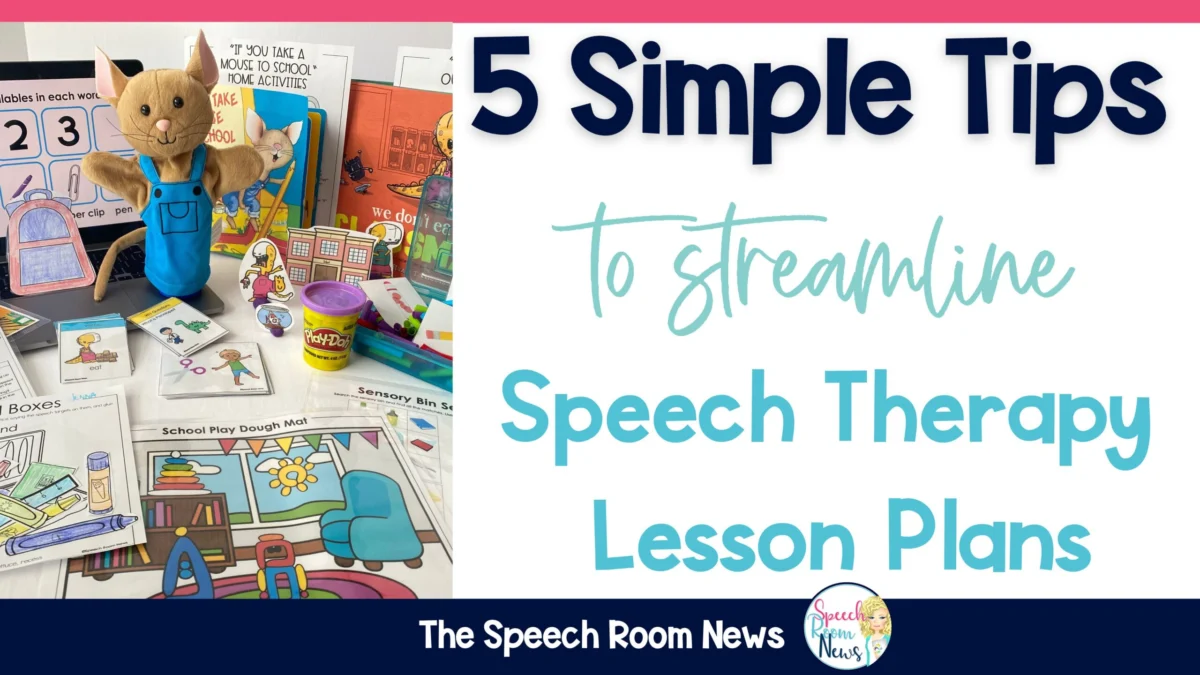
One of the most impactful strategies for reducing planning burden is the implementation of a theme-based therapy plan. This approach involves selecting a central theme for a week or month (e.g., "Fall Harvest," "Ocean Life," "Community Helpers") and then aligning all therapy materials, activities, and target goals around this unifying concept. Instead of creating 50 distinct lessons, an SLP can develop a single thematic unit that can be adapted for multiple students with varying IEP objectives. For instance, a "Farm Animals" theme could incorporate books about farm life, animal-themed toys for vocabulary and articulation, crafts involving farm animals for following directions and fine motor skills, and worksheets related to farm sounds for phonological awareness.
The major benefit of this approach lies in its reusability and inherent alignment with curriculum. Thematic units can be refined and enhanced year after year, building a robust library of pre-made, adaptable resources. This not only drastically cuts down weekly preparation time but also facilitates better generalization of skills as students encounter related vocabulary and concepts across different activities. Furthermore, thematic planning naturally connects speech therapy goals to classroom curriculum, fostering a more cohesive educational experience and strengthening interdisciplinary collaboration. Anecdotal evidence from SLPs indicates that students often show increased engagement and motivation when therapy revolves around a consistent, interesting theme, leading to more productive sessions and improved skill acquisition.
B. Literacy-Based Intervention: Weaving Language into Narrative
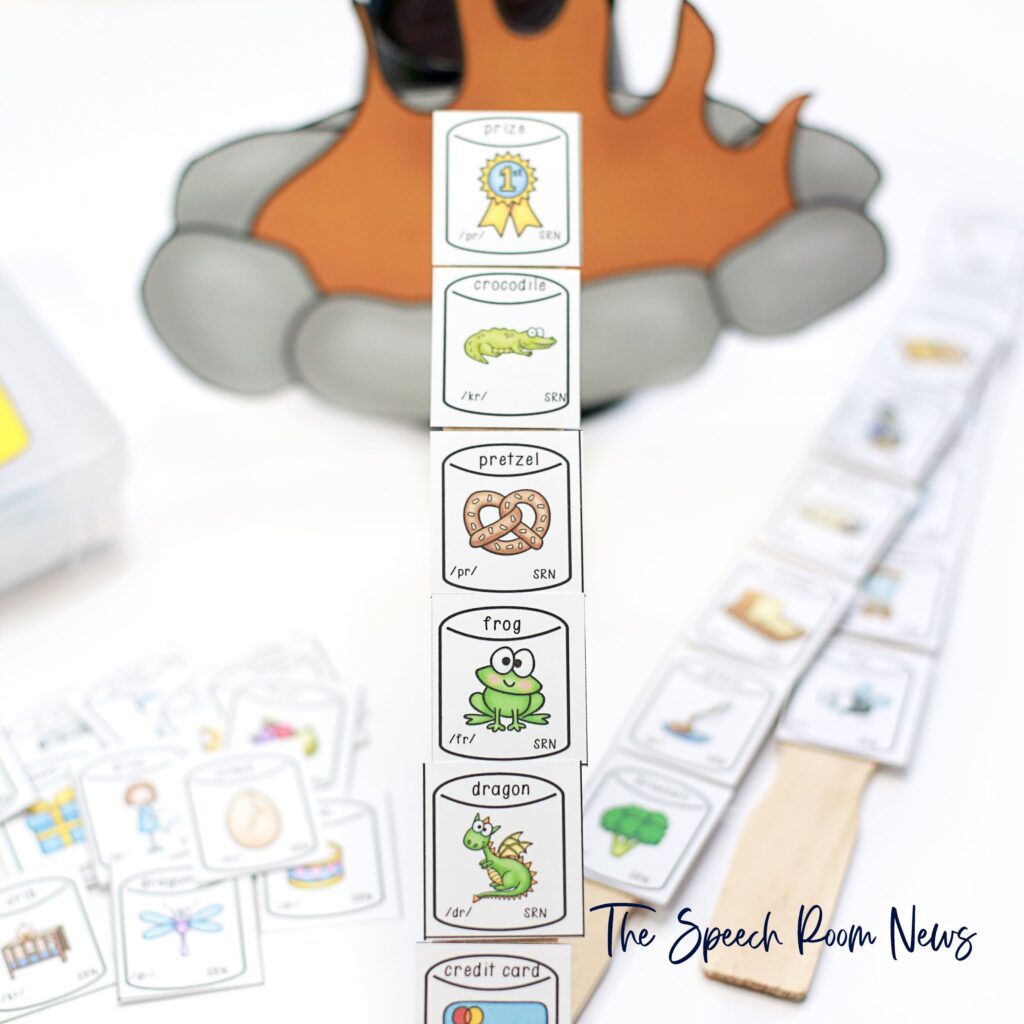
Another highly effective strategy is the literacy-based therapy plan, which leverages the rich linguistic and conceptual content of picture books as the foundation for intervention. This approach is particularly powerful for targeting a wide array of speech and language goals within mixed groups without requiring extensive material creation. Books provide a natural context for language development, offering opportunities to address vocabulary, syntax, phonological awareness, story comprehension, social inferencing, and articulation. Many pre-made materials aligned with popular children’s books are also available online, further reducing prep time. When SLPs coordinate their chosen books with those being used by classroom teachers, it creates a powerful bridge between therapy and academic instruction, enhancing curriculum relevance and carryover of learned skills.
Literacy-based intervention typically follows a structured framework:
- Pre-story Knowledge Activation: Students engage in discussions to activate prior knowledge related to the book’s topic, building a foundation for comprehension.
- Shared Story Reading: The book is read aloud, with the SLP facilitating active listening, questioning, and identification of key narrative elements.
- Focused-Skill Activities: Targeted activities stemming from the book address specific IEP goals (e.g., identifying target sounds in words from the story, describing characters, sequencing events).
- Post-story Comprehension Discussion: Students reflect on the story, answer comprehension questions, make inferences, and relate the story to their own experiences.
- Multi-Session Use: The same book and associated materials can be utilized across multiple sessions, allowing for deeper exploration of concepts and repeated practice of target skills.
This method is strongly supported by ASHA, which advocates for integrated literacy practices in speech-language pathology to promote academic success and functional communication.
C. Narrative Language Approach: Building Foundational Communication Skills
Distinct yet complementary to literacy-based therapy is the narrative language approach. While literacy-based therapy often uses one book for multiple sessions, the narrative language approach typically presents many different stories over time, often one per session, with a concentrated focus on the structure and components of storytelling itself. This method directly targets the ability to understand, retell, and generate coherent narratives – skills that are fundamental to academic achievement, social interaction, and cognitive organization. Intervention typically centers on story retell and story generation tasks, with a strong emphasis on understanding story grammar (e.g., characters, setting, initiating event, internal response, plan, attempt, consequence, resolution). Furthermore, it provides an excellent context for developing complex syntax and expanding vocabulary.
The primary benefit of this approach lies in its direct focus on narrative skills, which are critical for curriculum success across all subjects, from understanding historical events to interpreting scientific processes. By systematically teaching storytelling, SLPs empower students to organize their thoughts, communicate effectively, and engage more meaningfully with academic content. The carryover of skills learned through narrative intervention into daily academic and social contexts is often pronounced, as students gain a deeper understanding of how information is structured and conveyed. Resources like story grammar icons or visual organizers are invaluable tools in this approach, providing students with concrete scaffolds for building their narrative competence.
D. Maximizing Single Resources: Multi-Goal Utility of Toys and Games
One of the most practical and low-prep strategies involves utilizing a single, versatile toy or game to target a multitude of speech and language goals. This approach minimizes the need for extensive material preparation and maximizes the utility of existing resources, making therapy sessions both engaging and efficient. The key is to select items that inherently lend themselves to diverse linguistic and cognitive demands.
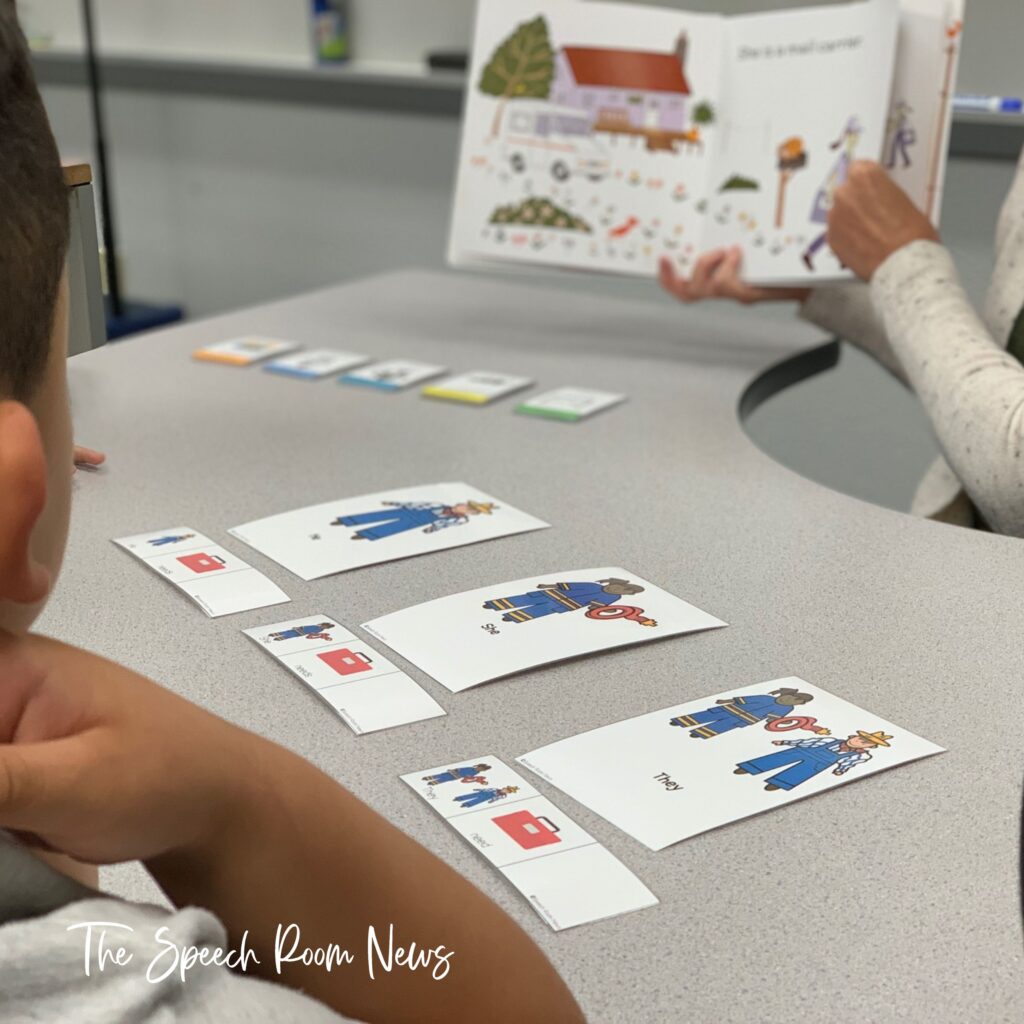
- Candyland: This classic board game, widely available and inexpensive, can be transformed into a powerful therapeutic tool. SLPs can create custom cards or prompts that align with specific IEP goals. For instance, before moving a piece, a student might be required to articulate a target sound, describe a picture, answer a "wh-" question, sequence a short event, or engage in a social turn-taking exchange. This flexibility allows for mixed groups to participate simultaneously, each practicing their individualized goals within the same play context.
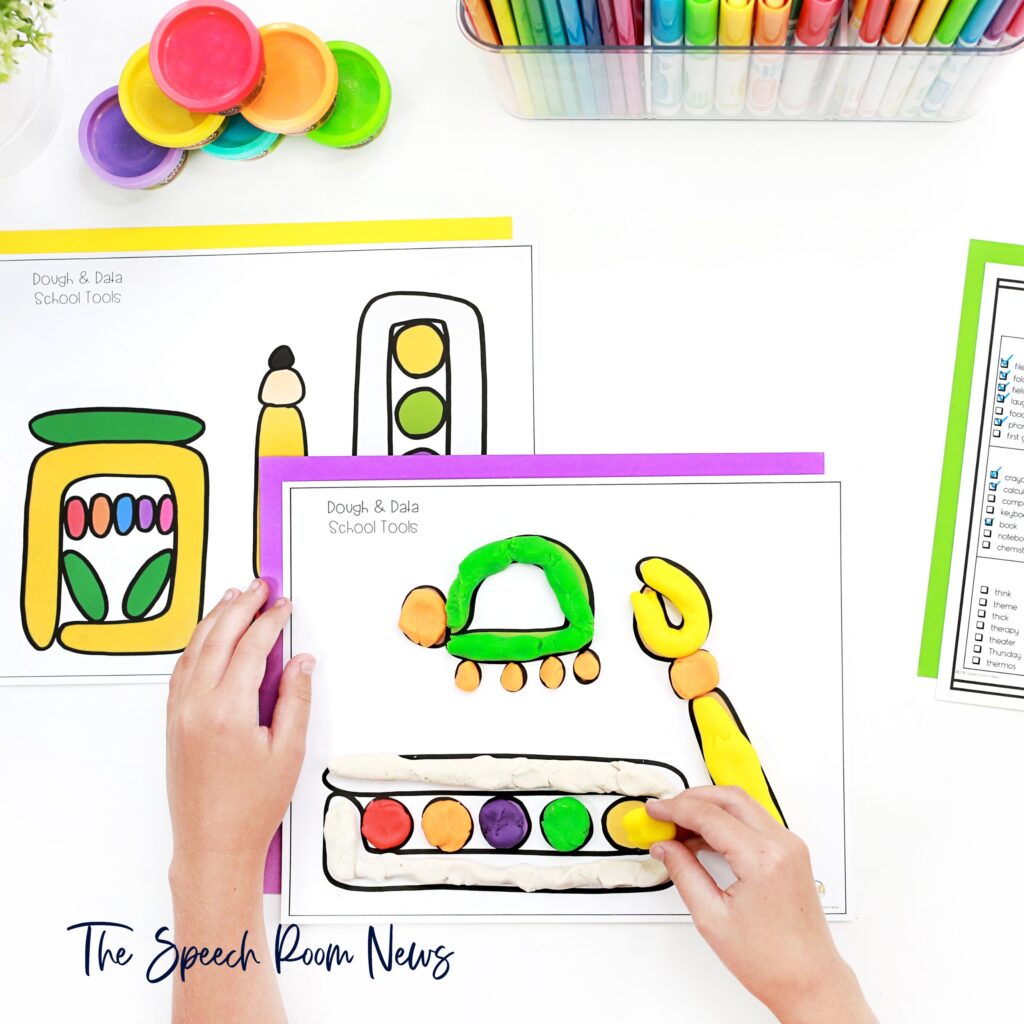
- Play-Doh: Beyond its appeal for fine motor development, Play-Doh offers rich opportunities for language intervention. Using themed Play-Doh mats, students can create shapes or objects while simultaneously practicing articulation, vocabulary, requesting, describing, and following directions. For instance, a "Dough and Data Set" can integrate progress monitoring by having students create specific shapes and then use language related to those shapes or the action of making them, allowing the SLP to collect data organically during play. Its tactile nature also enhances engagement, particularly for younger learners.
- Mini Objects: These small, tangible items are a goldmine for speech therapy. Their portability, novelty, and concrete nature make them ideal for targeting articulation, phonology, vocabulary (naming, describing, categorizing), syntax (sentence formulation, prepositions), and social communication (sharing, requesting). They can be used in sensory bins, for scavenger hunts, or simply as visual prompts for various language tasks. The ease with which mini objects can be combined with other classroom items further expands their therapeutic potential, keeping sessions fresh and motivating.
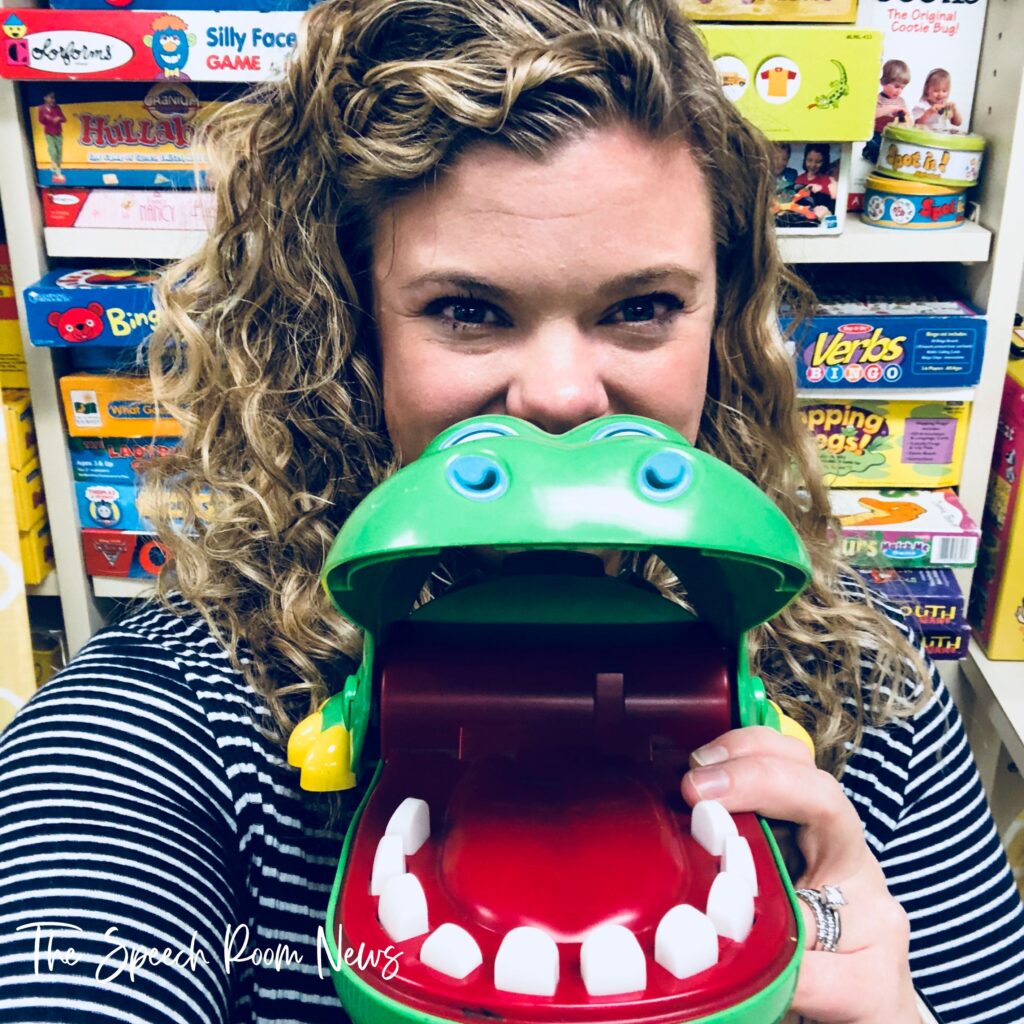
- Commercial Toys: Toys like a "Chomping Crocodile" or a "Melissa & Doug Ice Cream Shop" can be incredibly versatile. The crocodile toy, for example, can be used for articulation practice (e.g., "ch" sound), turn-taking, and even thematic discussions about dental health. The ice cream shop facilitates imaginative play, offering rich opportunities for vocabulary expansion (flavors, toppings), verb practice (scoop, eat, serve), prepositional phrases (on top, next to), requesting, and social interaction. For preschool evaluations, such toys provide natural contexts to assess spontaneous language, vocabulary breadth, and early conversational skills.
E. Empowering AAC Users: The Core Word of the Week Model
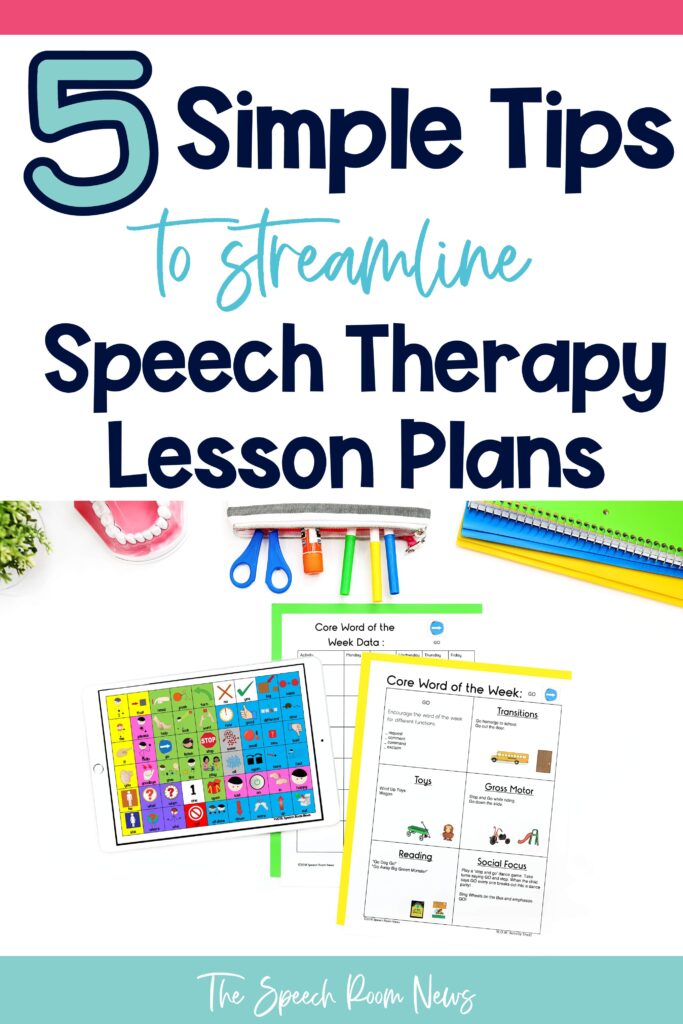
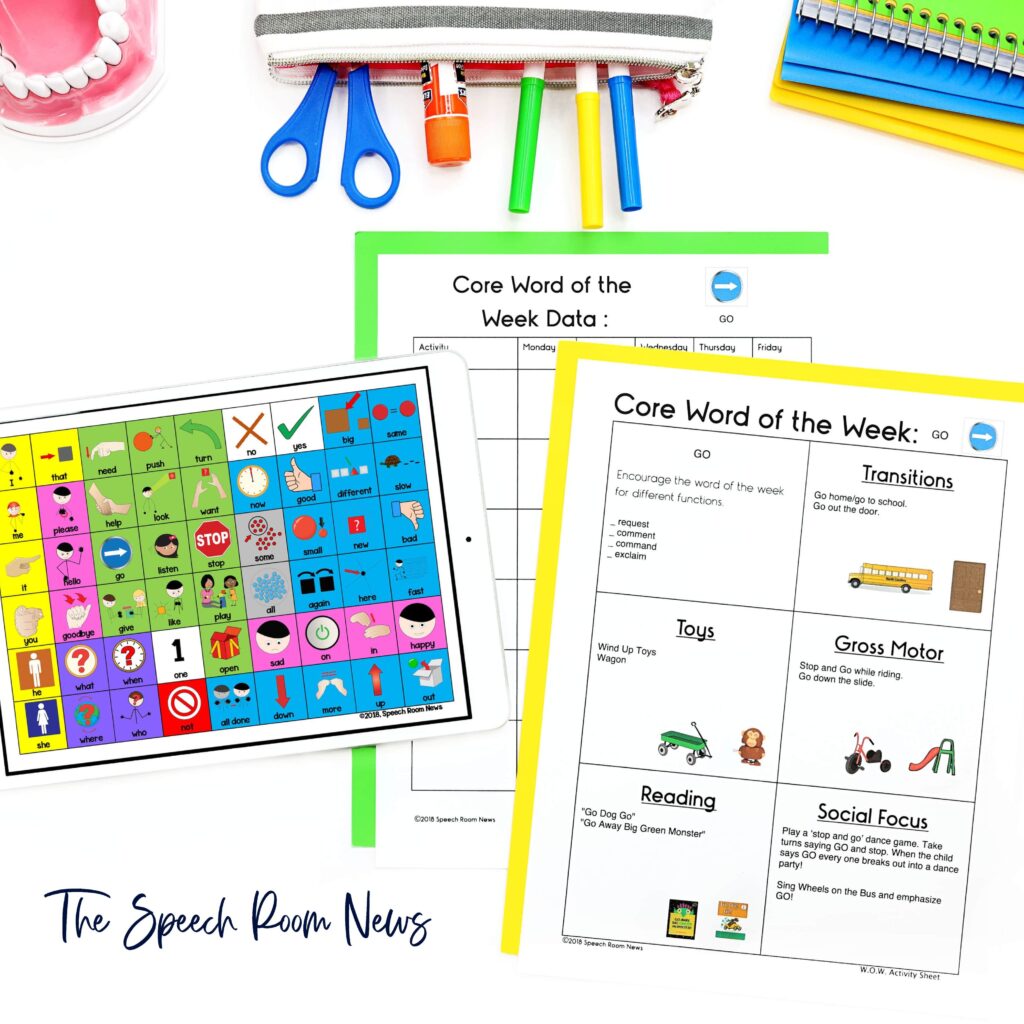
For students who rely on Augmentative and Alternative Communication (AAC), a specialized planning approach is essential to ensure consistent exposure and practice with their communication systems. The "AAC Core Word of the Week (WOW)" model provides a structured and routine-based framework that benefits not only the AAC user but also the entire IEP team. Core words (e.g., "go," "want," "more," "stop," "in," "out") are high-frequency words that constitute a significant portion of everyday communication and are applicable across various contexts.
This model typically involves:
- Weekly Core Word Focus: A small set of 2-4 core words is selected for intensive focus throughout the week.
- Structured Lessons: Pre-designed lessons provide activities and strategies for teaching and practicing these words across different settings.
- Team Collaboration: The framework is designed to be shared with teachers, paraprofessionals, and parents, ensuring consistent modeling and opportunities for practice across all environments. Signs for doors and rooms, along with parent letters, facilitate this widespread adoption.
- Routine and Predictability: The consistent structure helps all staff understand what to expect and how to support the AAC user, fostering a cohesive communication environment.
The benefits are profound: enhanced communication independence for AAC users, improved consistency in modeling and prompting, and greater involvement from all stakeholders in the student’s communication development. Research consistently highlights the importance of systematic instruction and consistent exposure to core vocabulary for successful AAC acquisition and generalization.
Bonus Tip: The Indispensable Role of "Grab-and-Go" Resources
Even with the most meticulously planned thematic or literacy-based units, unexpected needs or scheduling shifts can arise. This is where a readily accessible collection of "grab-and-go" materials proves invaluable. These are pre-prepped, versatile resources that can be deployed instantly to fill gaps, provide quick reinforcement, or support substitute SLPs.
Essential grab-and-go materials include:
- Articulation Cards: Sets of cards targeting various speech sounds in different word positions provide immediate practice opportunities.
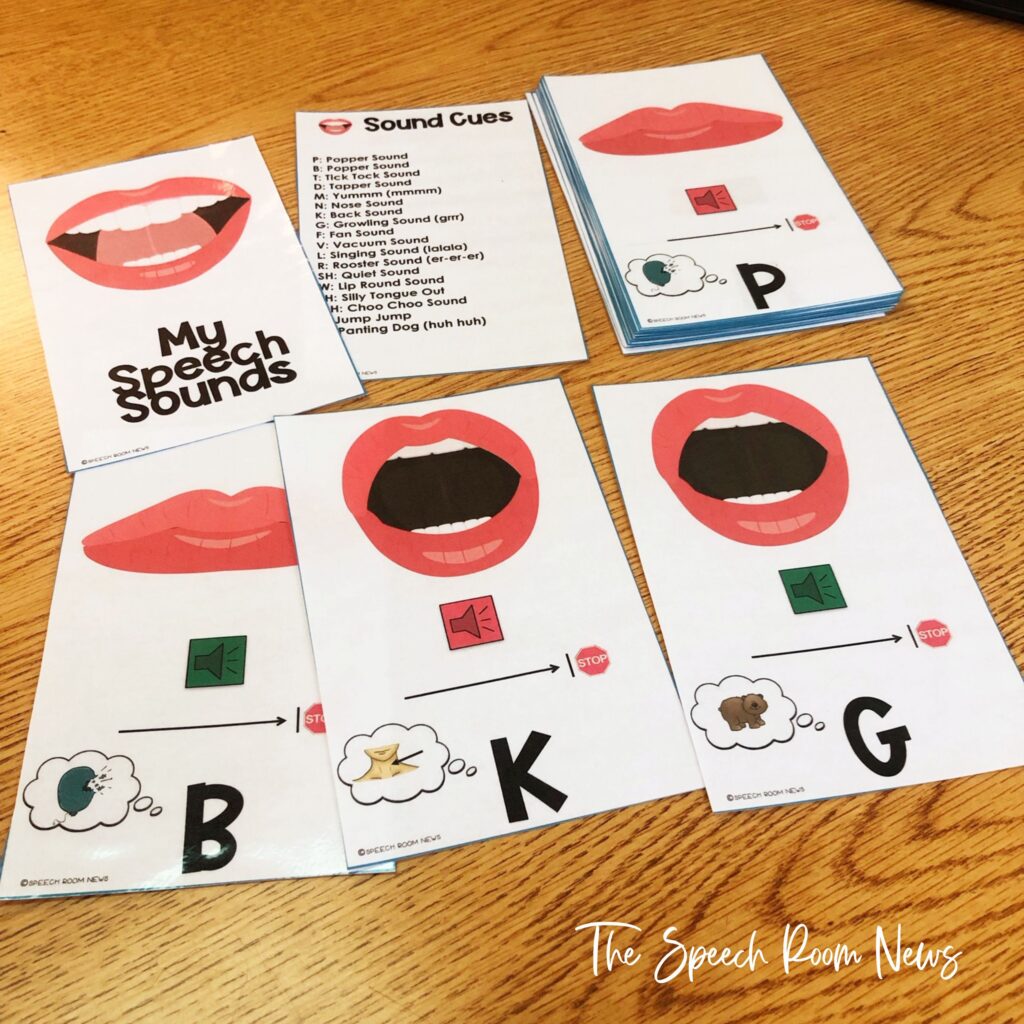
- Speech Sound Posters: Visual aids illustrating articulatory placement for different sounds can serve as quick teaching tools.
- Behavior Supports: Visual schedules, first/then boards, or choice boards help manage student behavior and provide structure.
- Speech Helpers Mini-Books: Simple, portable resources explaining basic speech anatomy and function.
- Print & Go Home Packets: Ready-to-send materials for articulation or phonology practice that extend therapy into the home environment, promoting generalization.
Maintaining such a collection ensures that therapy sessions remain productive, even on the busiest or most unpredictable days. It significantly reduces stress for the SLP, provides essential support for substitute personnel, and guarantees continuity of intervention for students.
Broader Impact and Future Outlook
The adoption of these streamlined lesson planning strategies represents more than just a convenience for SLPs; it signifies a fundamental shift towards more effective and sustainable practices in speech-language pathology. For SLPs, these methods translate into reduced planning time, decreased burnout, improved work-life balance, and enhanced professional satisfaction. By optimizing preparation, SLPs can dedicate more energy to direct student interaction, data collection, and collaborative efforts with other educators and families.
For students, the implications are equally significant. Consistent, engaging, and curriculum-relevant therapy sessions lead to improved outcomes, better generalization of skills, and increased confidence in their communication abilities. The integration of speech therapy goals with classroom learning ensures that students are not only addressing their individual needs but also building foundational skills critical for academic success.
For schools, these strategies facilitate more efficient resource allocation, as SLPs can manage their caseloads more effectively. It fosters stronger collaborative environments among the IEP team, as shared themes, literacy materials, or AAC core words create common ground for intervention across various educational settings. The long-term impact includes a more robust support system for diverse learners and a more empowered, engaged professional workforce.
In conclusion, the evolution of speech therapy planning towards strategic, integrated, and resource-efficient models is not merely an optional enhancement but a vital necessity in the modern educational landscape. By embracing these innovative approaches, Speech-Language Pathologists can continue to provide high-quality, impactful services, ensuring optimal progress for their students while sustaining their own professional well-being.
