

The practice of "debreathing" in voice-over recordings, the selective removal of audible breaths, is a technical maneuver often misunderstood and frequently misapplied. While seemingly straightforward—isolating and eliminating the sound of inhalation—its correct implementation hinges on a deep understanding of the specific context and purpose of the voice-over. This article delves into the nuances of debreathing, exploring when it is an essential post-production step and, critically, when it can detract from the naturalness and effectiveness of a vocal performance.
Understanding the Fundamentals: What is Debreathing?
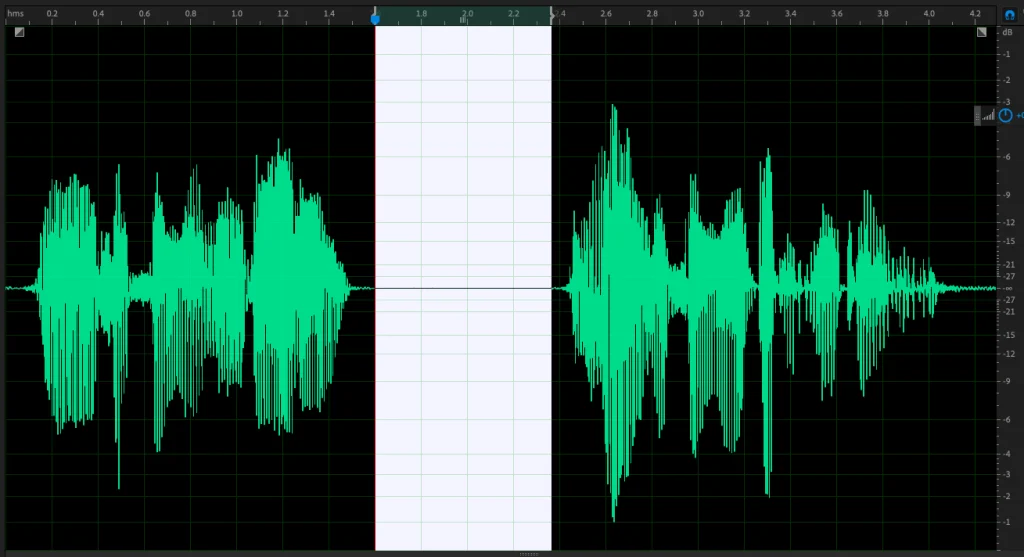
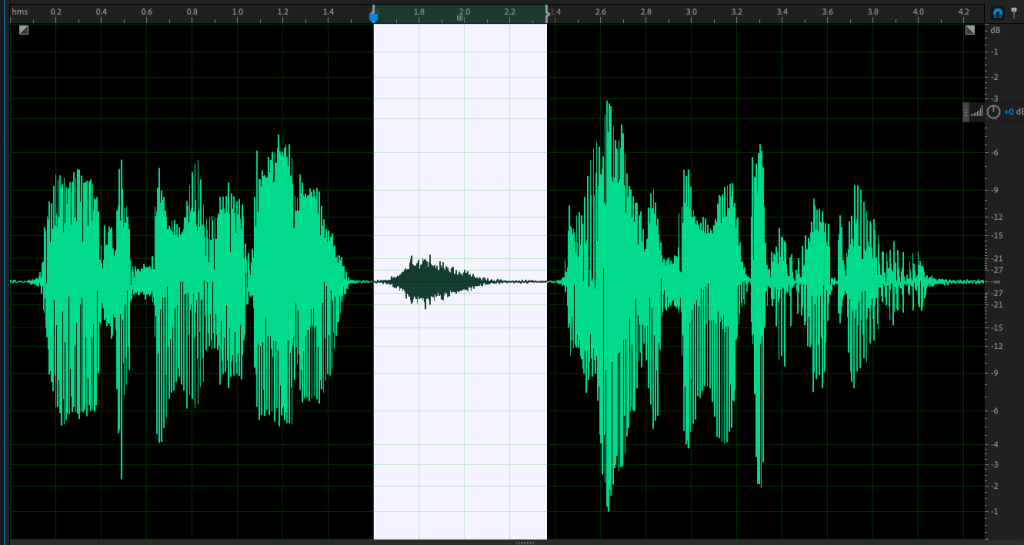
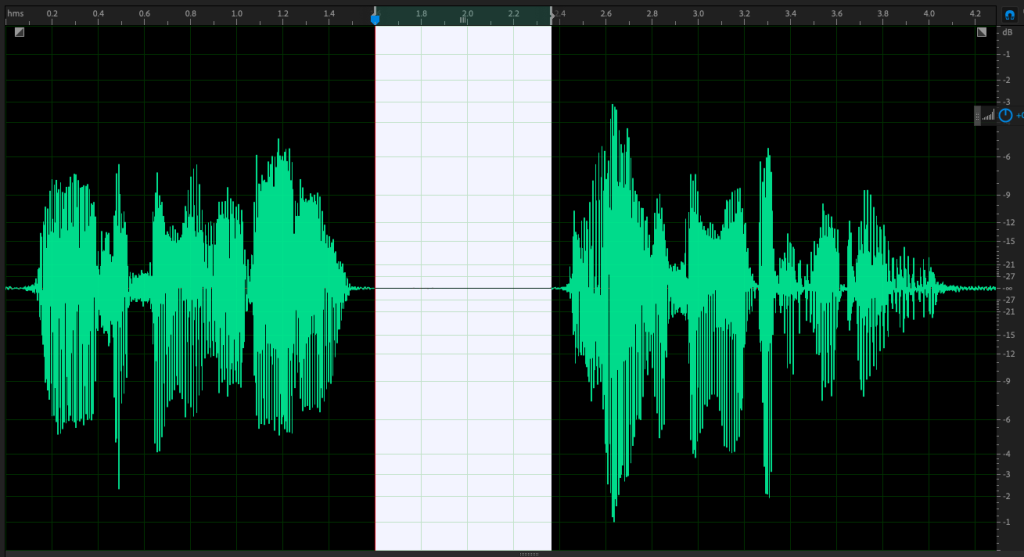
At its core, debreathing involves identifying the moments within a recorded vocal track where the performer inhales and then processing these segments to reduce or eliminate their audibility. This is typically achieved through digital audio editing software, such as Adobe Audition, which allows for precise waveform manipulation. The process can involve either silencing the breath – rendering it inaudible while maintaining the temporal space it occupied – or completely removing the breath and its associated silence, effectively shortening the overall recording duration.
Visualizing this process in a digital audio workstation, one can observe the distinct waveforms representing breaths, often appearing as sharper, more transient spikes compared to the sustained contours of spoken words. The choice between silencing and outright removal is a critical technical decision. Silencing preserves the natural rhythm and pacing of speech, while complete removal can sometimes lead to an unnatural, abrupt transition between vocal phrases.
The Traditional Application: Debreathing for Commercial Advertisements
Historically, the primary domain for debreathing has been commercial voice-over, particularly in advertisements broadcast across television, radio, cinema, and digital platforms. The rationale behind this practice is rooted in the objective of delivering a clear, uninterrupted, and impactful message. In the realm of advertising, every element of the production is meticulously crafted to capture and retain audience attention, driving a specific call to action or brand message.
Commercial voice-overs are designed to be concise and persuasive. The presence of audible breaths, especially if they are loud or occur at inopportune moments, can serve as a distraction, subtly undermining the intended impact. The thinking is that a perfectly smooth, breath-free delivery ensures the listener’s focus remains solely on the product, service, or message being promoted, without any extraneous vocalizations to break the flow or create an unintended pause in comprehension. This approach aligns with the principle that commercial messages should be presented with maximum efficiency and minimal distraction.
The Ambiguity of "Commercial" and the Case for Precision
The term "commercial voice-over" itself can be subject to interpretation, leading to potential confusion among voice artists. One interpretation refers to any voice-over work for which payment is received, encompassing a broad spectrum of projects including corporate narration, e-learning modules, and explainer videos. The second, more specific interpretation, refers to actual advertisements – the commercials that air during breaks in programming or as online video pre-rolls.
Industry best practice, and the focus of this discussion, centers on the latter definition: debreathing is primarily relevant for actual advertisements. The distinction is crucial because applying the practice universally to all paid voice-over work can have detrimental effects on the performance and listener experience. Unless explicitly instructed otherwise by a client or director, voice artists should exercise caution and limit debreathing to the context of advertisements where the singular focus is on the unadulterated message.
Why Debreathing Beyond Advertisements Can Be Detrimental
The argument against debreathing voice-over for non-advertisement genres, such as corporate narration, gaming, dramatic performances, or the "Voice of God" announcements, rests on several key factors that underscore the importance of natural vocal delivery.
1. The Naturalness of Human Speech: Humans are inherently accustomed to hearing breaths as an integral part of spoken communication. We expect them; their absence can be jarring and even unsettling. When breaths are meticulously removed from a narrative or dialogue, the resulting performance can sound artificial, even robotic. This is particularly noticeable in solo vocal performances where there is no accompanying music or sound effects to mask the absence of breathing. Without the natural ebb and flow of inhalation and exhalation, listeners may experience a subtle sense of unease, an unconscious anticipation of a breath that never comes. This can create a feeling of strain or an unnatural, almost superhuman vocal effort.
Historical Context and Evolving AI: This point is further underscored by the evolution of text-to-speech technologies. Early iterations of AI voices, while technically proficient, often lacked the subtle cues of human speech, including breathing. Services like early versions of Siri or Google Assistant, and even more advanced platforms like Eleven Labs, have increasingly incorporated breathing sounds into their vocal synthesis. This integration reflects a growing understanding that breath is not merely a byproduct of speech but a fundamental element of human vocalization that contributes to realism and emotional resonance. The inclusion of breath in AI voices highlights its perceived necessity for creating natural-sounding speech, a characteristic that human voice artists should strive to maintain and even enhance.
2. Facilitating Listener Comprehension and Engagement: Breathing naturally creates pauses within speech. These moments of silence are not merely physiological necessities for the speaker; they serve a crucial communicative function for the listener. They provide natural breaks that allow the audience time to process information, reflect on what has been said, and form their own thoughts or decisions. When these natural pauses are eliminated through aggressive debreathing, the speech can become a relentless stream of words. This can lead to cognitive overload, making it difficult for the listener to absorb and retain the information. The intended message may be delivered quickly, but its impact and memorability are significantly diminished. This phenomenon is often observed in certain types of American radio commercials where an overly compressed and breath-free delivery can result in an audience disengaging and remembering little of the content.
3. Preserving the Nuance of Natural Delivery: The prevailing trend in contemporary voice-over is towards naturalism. Clients increasingly seek performances that sound authentic, relatable, and conversational, mirroring how people actually speak. Breathing is a key indicator of a natural delivery. It signals spontaneity, human emotion, and a connection with the audience. By removing breaths, voice artists inadvertently strip away an element of this naturalness, transforming a potentially engaging performance into something more sterile and less compelling. In essence, debreathing can undermine the very authenticity that is so highly valued in today’s voice-over landscape.
The Unintended Consequences of Noise Reduction Tools
A common pitfall that leads to accidental debreathing is the misuse of noise reduction tools, such as noise gates and expanders. These tools are typically employed to clean up audio recordings by reducing background noise. However, they can also inadvertently attenuate or eliminate the subtle sounds of breathing, especially if they are not carefully calibrated. This often occurs when artists attempt to compensate for less-than-ideal recording environments.
While the intention may be to achieve a cleaner sound, the consequence is the same as deliberate debreathing: the removal of a natural human element from the performance. This compromises the authenticity and emotional depth of the vocal track. The professional approach to such issues is not to mask them with aggressive processing but to address the root cause by improving the recording environment itself.
Expert Opinion and Industry Consensus
Industry professionals widely acknowledge the importance of context in debreathing. Many experienced voice directors and producers emphasize that a breath is a sign of life and can add character and authenticity to a performance. The prevailing sentiment is that unless a specific artistic or commercial imperative demands the removal of breaths (as in the case of a tightly produced advertisement), they should be retained. This perspective aligns with the growing demand for genuine, human-sounding voice performances in an increasingly automated world.
Broader Implications: The Human Element in the Age of AI
In an era where artificial intelligence is rapidly advancing and capable of generating increasingly sophisticated synthetic voices, the unique value of human vocal performance lies in its inherent humanity. Our breaths, our inflections, our subtle imperfections – these are the very qualities that differentiate us from machines. Embracing and retaining these natural elements in our voice-over work is not just a stylistic choice; it is a strategic imperative. It allows human voice artists to play to their strengths, offering a level of authenticity, emotional nuance, and connection that AI, despite its advancements, still struggles to fully replicate. Therefore, the decision to debreath should be approached with extreme caution, prioritizing the preservation of the human element unless a clear and compelling reason dictates otherwise.
Conclusion: A Call for Discernment and Client Communication
In summary, the practice of debreathing in voice-over recordings is a nuanced technical skill that requires careful consideration of the project’s context. While it remains a valuable tool for enhancing the clarity and impact of actual commercial advertisements, its indiscriminate application to other forms of voice-over work can detract from the naturalness, emotional resonance, and listener engagement of a performance.
Voice artists are encouraged to err on the side of preserving breaths unless specifically instructed to remove them. Clear communication with clients, employers, or hirers is paramount. Understanding their specific needs and the intended audience for the voice-over will guide the decision-making process. In a competitive landscape increasingly populated by AI-generated content, the authentic human voice, with all its natural characteristics, including breath, stands as a significant advantage. By embracing this, voice professionals can ensure their performances are not only technically sound but also deeply human and impactful.
