

Speech-Language Pathologists (SLPs) are increasingly leveraging creative and pedagogically sound environmental design to enhance therapeutic outcomes, with a particular focus on seasonal bulletin boards as dynamic learning tools. These visual and interactive displays serve not only as aesthetic enhancements but also as integral components of a multi-sensory approach to speech and language development, fostering engagement, reinforcing concepts, and bridging the gap between clinical settings and daily life. The strategic implementation of winter-themed bulletin boards, categorized into demonstrative, interactive, and functional designs, reflects a proactive approach by SLPs to maintain student motivation and facilitate skill generalization throughout the colder months.
The evolving landscape of speech-language pathology emphasizes holistic, child-centered approaches that integrate therapeutic goals with engaging, stimulating environments. Research in educational psychology consistently demonstrates that visually rich and interactive spaces can significantly improve attention, memory, and information retention, particularly in pediatric populations receiving specialized instruction. For students undergoing speech therapy, the environment can be a powerful, often overlooked, third teacher. A well-designed therapy room or hallway display can reduce anxiety, provide continuous learning opportunities, and celebrate progress, thereby augmenting the direct therapy sessions. Seasonal themes, such as winter, offer a natural and culturally relevant context to refresh these environments, tapping into children’s immediate experiences and interests. This periodic rotation prevents sensory fatigue and introduces new vocabulary and concepts in a timely manner.
The Pedagogical Power of Themed Displays

SLPs face the constant challenge of maintaining student engagement and ensuring that therapeutic gains transfer beyond the therapy room. Bulletin boards, when thoughtfully designed, address these challenges by providing accessible, passive, and active learning opportunities. By classifying bulletin boards into demonstrative, interactive, and functional categories, SLPs can ensure a balanced approach that caters to diverse learning styles and therapeutic objectives. This structured planning, often done annually, allows for efficient resource allocation and ensures that the displays align with broader educational and therapeutic goals, particularly during periods like the back-to-school season when new students and families are introduced to the therapy setting.
Category 1: Demonstrative Bulletin Boards – Celebrating Student Progress
Demonstrative bulletin boards serve as vibrant showcases of student achievement, directly incorporating crafts made during therapy sessions. This approach not only beautifies the therapy space but also instills a sense of pride and ownership in students, reinforcing their learning journey. The process of creating these crafts itself is often therapeutic, addressing fine motor skills, following instructions, and providing a context for practicing target speech sounds or language structures.
Two popular winter crafts exemplify this category due to their ease of preparation and high engagement factor:
-
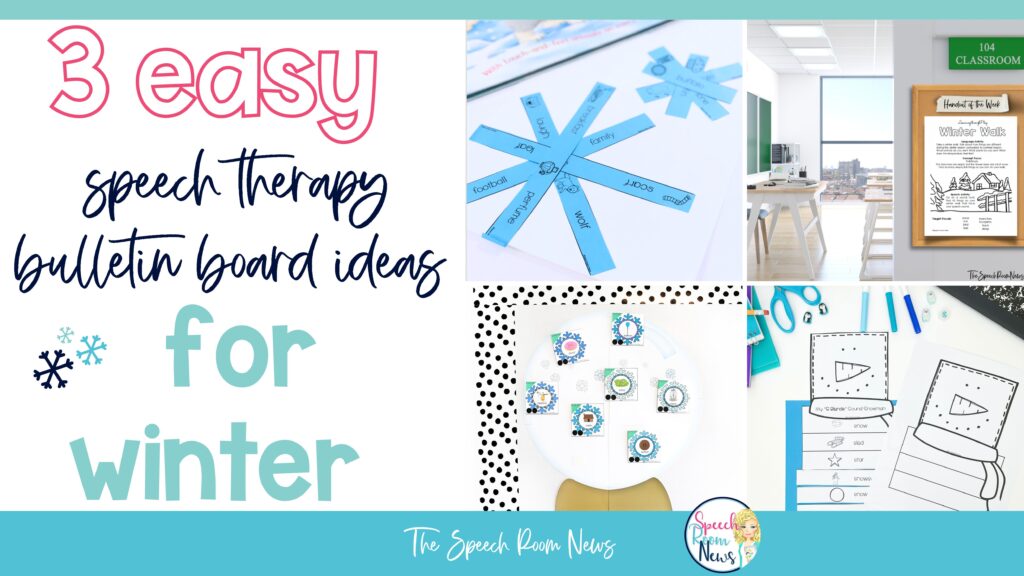
Snowflake Paper Strip Craft: This "fake crafting" method, as some SLPs affectionately call it, is designed for minimal prep and maximum impact. Utilizing pre-cut paper strips from resources like the "Year Round Craft Paper Strip Art for Articulation and Language" kit, students engage in simple cutting and gluing tasks. The repetitive action of manipulating paper strips can be paired with articulation drills or language tasks. For instance, each strip might represent a word containing a target sound, or a sentence structure being practiced. Printing on colored cardstock not only adds visual appeal but also provides increased paper resistance, which can be beneficial for students developing their fine motor skills. The culmination of this activity—a unique snowflake—is then displayed, creating a collective art piece that visually represents the group’s progress and effort. This craft implicitly encourages sequencing, spatial reasoning, and creative expression, all while embedded within speech therapy objectives.
-
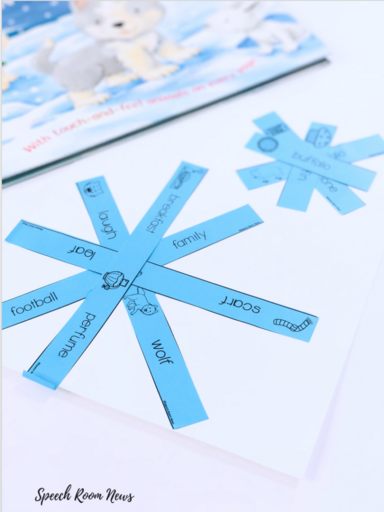
Snowman Articulation Chop: Another highly effective demonstrative craft is the "Snowman Articulation Chop." This activity involves students practicing target words or phrases as they cut out strips of paper, which are then assembled into a snowman figure. The physical act of "chopping" (cutting) and assembling directly reinforces the auditory and verbal practice. The simplicity of the design allows for quick completion within a therapy session, making it ideal for busy schedules. Students often enjoy customizing their snowmen with drawn features like carrot noses or construction paper hats, further enhancing engagement and providing additional opportunities for descriptive language practice. Displaying these unique snowmen on a bulletin board creates a visually cohesive and celebratory theme, highlighting individual student contributions to a larger winter tableau.
These demonstrative displays communicate to students, parents, and other educators that the therapy room is a place of active learning and accomplishment. They transform abstract therapeutic goals into tangible, visible achievements, fostering a positive perception of speech therapy.
Category 2: Interactive Bulletin Boards – Fostering Active Engagement

Interactive bulletin boards transform passive observation into active participation, allowing students to physically manipulate elements and practice skills outside of formal therapy time. This hands-on approach capitalizes on children’s natural curiosity and desire for exploration, reinforcing learned concepts in a self-directed manner. For SLPs, these boards serve as valuable extension activities, promoting generalization and retention.
The "Falling Flakes" series provides excellent examples of interactive winter-themed bulletin boards:
-
Falling Flakes: Apraxia Snowflakes: This set is specifically designed for students with childhood apraxia of speech (CAS), a motor speech disorder that affects the planning of speech movements. Each snowflake card features an image and a corresponding word, along with black dots in the bottom left corner representing the number of syllables. This multisensory approach encourages students to touch the dots as they produce the sound, providing tactile feedback crucial for motor planning. The cards are color-coded and marked by syllable pattern for easy organization. By attaching a poster-sized snow globe with Velcro dots to the bulletin board, and placing Velcro on the back of the snowflake cards, students can actively add or remove snowflakes, practicing their target words. This physical interaction enhances proprioceptive feedback and reinforces the syllable count, making the abstract concept of speech planning more concrete and engaging.
-
Falling Flakes: Phonology Activities: Targeting phonological disorders, which involve patterns of sound errors, this set utilizes minimal pairs (words that differ by only one sound, e.g., "fan" vs. "pan"). Similar to the apraxia set, each snowflake card features an image and word, organized by color and pattern. A poster-sized globe with multiple Velcro dots allows students to attach and detach snowflake cards, practicing minimal pairs and contrasting sounds. This interactive format provides immediate feedback and encourages auditory discrimination. The inclusion of various winter-themed posters within the set allows SLPs to vary the display throughout the winter months, maintaining novelty and engagement. The physical act of choosing, placing, and naming the snowflakes transforms a potentially challenging phonological drill into a playful, self-correcting activity.
Interactive boards are particularly effective in high-traffic areas outside the therapy room, allowing students waiting for sessions, or even those passing by, to engage in meaningful practice. This incidental learning can significantly contribute to overall therapeutic progress.
Category 3: Functional Bulletin Boards – Bridging Therapy and Home
Functional bulletin boards focus on empowering parents and caregivers by providing readily accessible resources that facilitate carryover of therapy goals into the home environment. This category underscores the critical role of parent involvement in maximizing therapeutic outcomes. When parents are equipped with practical strategies and ideas, they can create rich language-learning opportunities within everyday routines, leading to more rapid and sustainable progress.
The "Winter Speech and Language Packet: Learning Through Play" exemplifies a highly effective functional bulletin board resource:
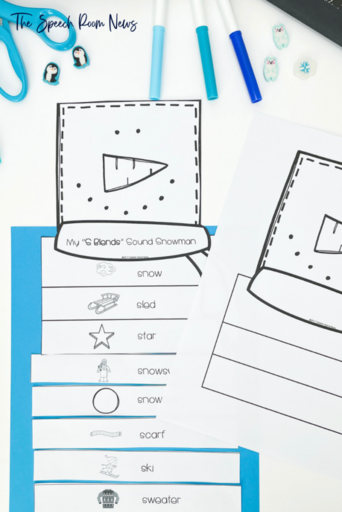
- Winter Speech and Language Packet: Learning Through Play: This comprehensive packet offers parents actionable ideas to integrate speech and language development into common winter activities. Instead of abstract exercises, the handouts translate therapeutic goals into enjoyable, familiar contexts. For example, a "Snowball Fight" activity might be used to practice descriptive adjectives (e.g., "cold," "fluffy," "fast") or turn-taking skills. "Making Hot Chocolate" can target sequencing (first, next, then), vocabulary (marshmallows, mug, stir), and requesting skills. Other activities like "Snowman Building," "Sledding," "Winter Clothing," and "Ice Skating" provide natural contexts for targeting a wide range of skills, including vocabulary expansion, articulation, sentence structure, social communication, and narrative development. Displaying these handouts on a bulletin board encourages parents to take them, providing a constant source of inspiration and guidance. The availability of a SPANISH VERSION of this packet further highlights a commitment to serving diverse linguistic communities, ensuring that language barriers do not impede parental engagement in the therapeutic process.
Functional bulletin boards act as a vital communication channel between SLPs and families, reinforcing the message that learning continues beyond the therapy session. They demystify speech therapy concepts, making them accessible and actionable for parents, thereby strengthening the home-school connection crucial for long-term success.
The Broader Impact: Enhancing Learning and Community Connection
The strategic use of winter-themed bulletin boards in speech therapy settings extends beyond individual student progress. It reflects a broader commitment within the field to create inclusive, engaging, and effective learning environments. According to the American Speech-Language-Hearing Association (ASHA), approximately 1 in 12 children aged 3-17 years has had a disorder of voice, speech, language, or swallowing in the past 12 months, underscoring the widespread need for effective therapeutic interventions. Innovative approaches like these bulletin boards contribute to:
- Enhanced Student Motivation: Visually appealing and interactive displays make therapy more enjoyable, reducing resistance and increasing willingness to participate.
- Improved Skill Generalization: By providing opportunities for practice in varied contexts (therapy room, hallway, home), students are more likely to apply learned skills spontaneously.
- Stronger Home-School Partnership: Functional boards empower parents, making them active participants in their child’s therapeutic journey and fostering a supportive network.
- Professional Resourcefulness: These ideas showcase the creativity and adaptability of SLPs in developing effective tools, often with limited resources.
- Positive Perceptions of Therapy: An engaging environment can help demystify speech therapy, making it more approachable for students and families.
In conclusion, the integration of demonstrative, interactive, and functional winter bulletin boards represents a thoughtful and impactful strategy employed by Speech-Language Pathologists. These dynamic tools transcend mere decoration, serving as integral pedagogical aids that foster engagement, reinforce learning, celebrate achievement, and empower families. By embracing such creative and evidence-informed environmental design, SLPs continue to enrich the therapeutic experience and significantly contribute to the communication success of their students.
