

The pursuit of capturing the ideal vocal performance for voiceover work is a journey marked by meticulous attention to detail, and at its core lies the selection of the right microphone. This comprehensive exploration delves into the diverse array of microphones available to voiceover artists, catering to a spectrum of budgets and experience levels, from nascent talent to seasoned professionals. Understanding the nuances of microphone technology, from phantom power to polar patterns, is paramount in achieving professional-grade audio that resonates with clarity and impact.
Understanding the Fundamentals of Voiceover Recording Equipment
Before embarking on the specific recommendations, it is crucial to establish a foundational understanding of the essential components that constitute a professional voiceover recording setup. This knowledge empowers artists to construct a budget that aligns with their needs, facilitating the production of compelling demo reels and successful auditions. The initial step for any aspiring voice actor involves assessing the suitability of their voice for the industry’s demands, a consideration that precedes even the technical aspects of recording.
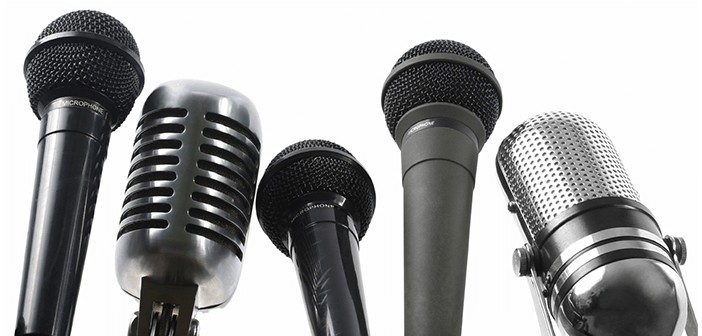
The landscape of microphones used in voiceover work is varied, and a fundamental understanding of their types and functionalities is the first step towards informed decision-making. This includes grasping concepts such as phantom power, the distinct characteristics of USB, dynamic, and large-diaphragm condenser microphones, and the critical role of polar patterns in sound capture.
What is Phantom Power?
Phantom power is a direct current voltage, typically +48 volts, supplied from a mixing console or audio interface through the microphone cable to the microphone itself. This power is essential for the operation of condenser microphones, which require an electrical charge to polarize their diaphragm and backplate, enabling them to convert sound waves into electrical signals. While the term might sound intimidating, phantom power is a standard feature on most professional audio interfaces and is a straightforward, non-intrusive power source that should not deter aspiring voice artists. Its presence is a key indicator of a microphone’s potential for high-fidelity audio capture.
The Advantages of USB Microphones
USB microphones have surged in popularity, particularly among beginners, due to their inherent simplicity and direct connectivity.
USB Microphone Pros:
- Plug-and-Play Simplicity: The primary advantage of USB microphones is their ease of use. They connect directly to a computer’s USB port, eliminating the need for separate audio interfaces or preamplifiers. This streamlined setup makes them ideal for individuals new to audio recording.
- Portability: Their compact design and integrated functionality make USB microphones highly portable, allowing for convenient recording in various locations, from home studios to on-the-go setups.
- Cost-Effectiveness: Generally, USB microphones offer a more budget-friendly entry point into voiceover recording compared to traditional XLR setups, making them accessible to a wider audience.
- Reduced Latency (in some models): Some higher-end USB microphones incorporate built-in headphone monitoring with direct input, which can help minimize latency, the delay between speaking and hearing oneself through the monitors.
USB Microphone Cons:
- Limited Upgrade Path: While convenient, USB microphones often have a less flexible upgrade path. Once a user outgrows the capabilities of a USB microphone, they typically need to replace the entire unit, rather than incrementally upgrading components of an XLR system.
- Potential for Inferior Sound Quality: Compared to professional XLR microphones, many USB microphones, particularly in the lower price brackets, may not achieve the same level of audio fidelity, detail, and natural sound reproduction.
- Computer Dependency: Their reliance on a computer’s USB port means that performance can sometimes be affected by the computer’s processing power and operating system.
- Less Versatility in Professional Environments: In established professional studios, XLR microphones are the industry standard, and USB microphones may not be compatible with all professional audio hardware.
Dynamic Microphones: Robust and Reliable
Dynamic microphones are known for their durability and their ability to handle high sound pressure levels, making them a staple in many recording environments.
Dynamic Mic Pros:
- Durability and Ruggedness: Dynamic microphones are built to withstand significant physical stress and are less susceptible to damage from drops or rough handling. This makes them an excellent choice for mobile recording setups or environments where durability is a priority.
- High SPL Handling: They can effectively capture loud sound sources without distortion, which is beneficial for certain vocal styles or when recording in less-than-ideal acoustic environments.
- No Phantom Power Required: Dynamic microphones do not require phantom power to operate, simplifying the setup process and making them compatible with a wider range of audio equipment.
- Excellent for Controlling Plosives: Their design often makes them naturally adept at rejecting plosive sounds (harsh "p" and "b" sounds), which can be a common issue in voiceover recording.
Dynamic Broadcast Voiceover Mic Cons:
- Lower Sensitivity: Compared to condenser microphones, dynamic mics generally have lower sensitivity, meaning they require more gain from the preamplifier to achieve an adequate signal level. This can sometimes introduce more noise into the recording.
- Less Detailed High-Frequency Response: While excellent for capturing a robust sound, dynamic microphones may not offer the same level of detail and airiness in the high-frequency range as condenser microphones.
- Can Be More "Colored" in Sound: Some dynamic microphones impart a distinct tonal character to the sound, which may not always be desirable for all voiceover applications.
Large Diaphragm Condenser Microphones: The Voiceover Standard
Large diaphragm condenser (LDC) microphones are often considered the gold standard for voiceover work due to their sensitivity, detail, and nuanced sound reproduction.
Large Diaphragm Condenser Pros:
- Exceptional Sensitivity and Detail: LDCs are highly sensitive to subtle nuances in vocal performance, capturing a wide range of frequencies and delicate sonic details. This results in recordings with a rich, natural, and lifelike quality.
- Broad Frequency Response: They typically offer a wide and relatively flat frequency response, meaning they accurately reproduce the full spectrum of a voice without significant coloration.
- Clear and Articulate Sound: The ability of LDCs to capture fine details makes them ideal for spoken word applications where clarity and articulation are paramount.
- Versatility: Many LDCs are suitable for a wide variety of voice types and genres, from warm narration to energetic commercial reads.
Large Diaphragm Condenser Cons:
- Fragility: Condenser microphones are generally more delicate than dynamic microphones and require careful handling to avoid damage.
- Requires Phantom Power: As mentioned, they necessitate phantom power for operation, meaning an audio interface or mixer with this capability is required.
- Sensitivity to Room Acoustics: Their high sensitivity means they can pick up ambient noise and room reflections more readily, requiring a well-treated recording space to achieve optimal results.
- Can Be More Expensive: Professional-grade LDCs often come with a higher price tag, placing them in a higher budget category.
Understanding Polar Patterns: Directing the Sound Capture
The way a microphone "hears" sound is defined by its polar pattern, which dictates its sensitivity to sounds arriving from different directions. Understanding these patterns is crucial for minimizing unwanted noise and maximizing the capture of your desired audio source.
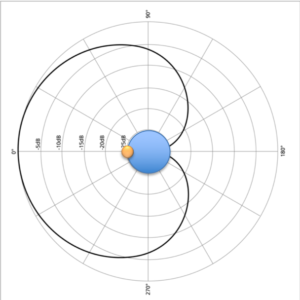
- Cardioid: This is the most common polar pattern for voiceover work. It’s heart-shaped, meaning the microphone is most sensitive to sounds directly in front of it, with progressively less sensitivity to sounds from the sides and rear. This pattern is excellent for isolating a single voice and rejecting background noise.
- Supercardioid/Hypercardioid: These patterns are tighter than cardioid, offering even greater rejection of side noise but also picking up a small lobe of sound directly from the rear. They require precise positioning relative to the sound source.
- Omnidirectional: This pattern picks up sound equally from all directions. While it can capture a natural room sound, it is generally not ideal for isolated voiceover work as it will pick up all ambient noise.
- Bidirectional (Figure-8): This pattern picks up sound equally from the front and the rear, with null points at the sides. It is useful for recording duets or interviews where two sources are positioned on opposite sides of the microphone.
For voice actors, the cardioid pattern is the most essential to understand and utilize. It provides the necessary focus on the voice while effectively minimizing the intrusion of room noise, computer fans, or other environmental distractions. Some high-end microphones, like the iconic Neumann U87, offer switchable polar patterns, providing greater flexibility for different recording scenarios. However, for most voiceover applications, a reliable cardioid pattern is the primary requirement.
The Role of Pads in Microphone Technology
Microphone pads, often found as a switch on the microphone itself or within an audio interface, serve to attenuate the input signal. This means they reduce the volume of the sound reaching the microphone’s capsule. Pads are typically used when recording extremely loud sound sources, such as close-miking a drum kit or a guitar amplifier, to prevent the microphone from overloading and distorting. For voiceover artists, especially those working in controlled environments, the use of pads is generally less critical. However, some microphones may incorporate them as a feature for added versatility.
Distinguishing Between Jack and XLR Connectors
The type of connector a microphone uses is a critical factor in its compatibility with audio equipment and its overall performance.
- XLR Connectors: These are the industry-standard for professional microphones, characterized by their three-pin design. XLR cables are "balanced," meaning they use a differential signaling system to transmit audio. This balancing acts as a noise-canceling mechanism, significantly reducing interference and hum picked up along the cable’s length. XLR cables are also essential for transmitting phantom power to condenser microphones. The use of balanced XLR connections is paramount for achieving clean, high-quality audio in professional voiceover setups.
- Jack Connectors (TRS/TS): These are commonly found on instruments and consumer-grade audio equipment. While TRS (Tip-Ring-Sleeve) connectors can be balanced, they are not typically used for professional microphones requiring phantom power. TS (Tip-Sleeve) connectors are unbalanced and are more susceptible to noise interference. If a microphone is only equipped with a jack connector and does not offer an XLR output, it is generally advisable to seek out a more professional option.
Key Considerations When Selecting the Ideal Voiceover Microphone
The "best" microphone for voice acting is ultimately the one that minimizes technical complications while capturing the most desirable sound for your unique voice and intended applications. It is crucial to consider your vocal characteristics and the specific types of voiceover work you aim to pursue.
Microphones are not created equal; their internal design dictates their frequency response, which is the microphone’s ability to reproduce different frequencies. A "flat" frequency response means the microphone captures sound accurately across the audible spectrum. Conversely, microphones with a non-flat response might artificially boost or cut certain frequencies. For instance, some microphones may have an artificial lift in their high frequencies, which can lead to an overly "sibilant" or harsh sound, particularly with female voices. The Neumann TLM193, while a capable microphone, was not originally designed for voiceover and its high-frequency boost can sometimes accentuate sibilance.
The most expensive microphone on the market is not necessarily the best choice for every voice actor. Establishing a clear budget and selecting the best option within that range is a pragmatic approach.
A Curated Selection of Voiceover Microphones Across Budgets
The following microphones are recognized for their quality and suitability for voiceover work, presented in no particular order of preference but spanning various price points and technical specifications.
Mid-Range Excellence and Professional Staples (Approx. $250 – $500)
-
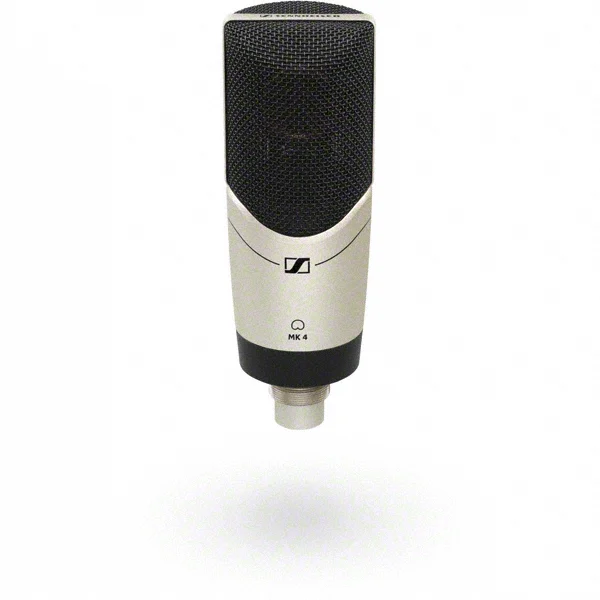
Sennheiser MK4 (~$350/£300): This large-diaphragm condenser microphone is a top recommendation for working voice artists. A testament to its lineage, the MK4’s capsule was designed by the same team responsible for the esteemed Neumann U87. It features a cardioid-only polar pattern and no pad, but delivers a superb sound quality for both male and female voices. Its robust build, reliability, and exceptional performance for its price point make it a standout value, often cited as a direct competitor to microphones costing significantly more.
-
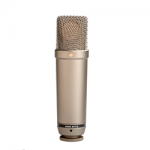
Rode NT1/NT2 (~$249/£200): The Rode NT1 and its successor, the NT2, are excellent choices for aspiring voice actors. They offer good resonance and a frequency response comparable to other high-quality voice microphones. Known for their quiet operation and neutral sound signature, they produce high-quality recordings with a wide dynamic range. While seasoned professionals might detect a characteristic "Rode sound," for newcomers, these mics represent a solid and relatively affordable entry into professional audio.
-
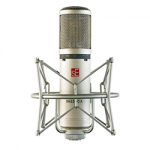
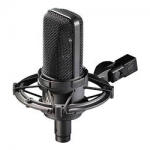
sE Electronics sE2200a II C ($299): This versatile condenser microphone delivers a clear, upfront sound that is ideal for first-time voice actors. It features a high-pass filter and a 10dB pad, providing valuable sound-shaping options and contributing to its low self-noise. Its adaptability makes it a strong contender for a variety of voiceover tasks.
-
Lewitt LCT 440 Pure (£245): A more recent addition to the voiceover microphone market, the LCT 440 Pure is a large-diaphragm cardioid condenser. Its distinctive design includes an open front, magnetic pop-shield, and an included shock mount. Testing reveals a clear and crisp sound produced by its 1-inch condenser capsule, making it a compelling option at its attractive price point.
-
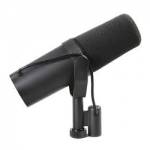
Shure SM7B ($349): A legendary microphone in radio and studio settings, the SM7B is a cardioid dynamic microphone celebrated for its exceptionally clear sound, retaining presence and warmth. Its broad frequency response can be tailored with an optional high-boost switch for added presence. The SM7B is particularly well-suited for home studio environments, featuring an integrated swing-mount for precise positioning. While more commonly found in radio broadcast, its sonic characteristics make it a favorite among many voiceover artists.
-
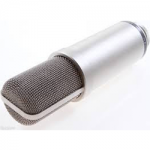
Audio-Technica AT4033 ($399): This cardioid condenser microphone is renowned for its excellent transient response and clean output signals. The AT4033 is equipped with an 80Hz high-pass filter, allowing users to easily switch between a flat frequency response and a low-end roll-off that effectively diminishes ambient noise and plosives during close vocal recording.
-
Rode NTK ($529): Another strong contender for voiceover artists, the Rode NTK is a ruggedly built microphone that delivers a warm and clear sound. Its tube-based design contributes to its rich tonal character, making it a popular choice for those seeking a classic vocal sound.
Upper Mid-Range and Professional Workhorses (Approx. $600 – $1200)
-
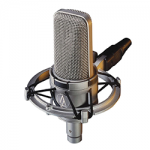
Audio-Technica AT4047 ($699): Part of a range of microphones designed for diverse applications, the AT4047 boasts a transformer-coupled output and a specially tuned element that evokes the sonic characteristics of early F.E.T. studio microphones. It offers low self-noise, a wide dynamic range, and high SPL capability. Its precision-machined brass housing ensures enhanced stability and optimal sensitivity, making it a robust choice for demanding voiceover work.
-
Miktek C7 ($899): This large-diaphragm FET condenser microphone is designed for exceptional sonic quality and ease of use. The C7 features three selectable pickup patterns: cardioid, omnidirectional, and bidirectional. The bidirectional pattern is particularly useful for capturing two sound sources simultaneously, making it a versatile choice for interviews and general voiceover applications.
-
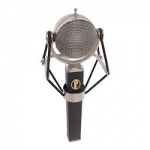
Blue Dragonfly: While specific pricing can vary, the Blue Dragonfly is positioned as one of Blue Microphones’ more accessible high-quality options. It is lauded for delivering a sweet, vintage-inspired sound reminiscent of classic Neumann and AKG microphones. Its unique capsule design allows for a wide range of positioning possibilities relative to the sound source, opening up extensive sonic creative opportunities for voice artists.
-
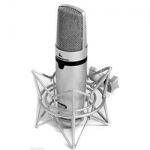
Neumann TLM 103 ($1,099): Although the TLM series (Transistorless Microphone) was not initially designed specifically for voiceover, the TLM 103 is highly recommended by numerous voice actors. Its transformerless circuit design results in very low self-noise and a wide dynamic range. The cardioid polar pattern capsule is finely tuned for acoustic balance and effective phase cancellation of rear-incident sounds. A notable characteristic, however, is a slight boost in the high frequencies, which can sometimes lead to sibilance in higher female vocal registers.
-
AKG C414 ($1,100): The AKG C414 is a highly regarded, professional-quality microphone known for its excellent pickup range and a pleasingly flat frequency response. Positioned in the mid-to-upper price range, it is a robust and versatile tool for any working voice artist. It offers switchable polar patterns and a pad setting, providing significant flexibility for various recording situations.
The Pinnacle of Professional Audio (Over $1200)
-
Neumann U87 ($3,180/£2,500): The Neumann U87 is the undisputed workhorse of countless professional recording studios worldwide. It has long held a reputation as one of the finest microphones for vocal recording, a status reflected in its exceptional build quality, performance, and considerable price tag. While a significant investment, the U87 is an outstanding microphone featuring switchable polar patterns, a pad, and a flat frequency response that excels with both male and female voices. For those with a substantial budget, it represents a benchmark in audio capture. As an alternative for a fraction of the cost, the Sennheiser MK4 offers comparable quality in many voiceover scenarios.
-
Sennheiser MKH 416 (Circa $700/£550): This hypercardioid microphone is one of the most ubiquitous voiceover microphones globally. Its hypercardioid pattern necessitates precise on-axis positioning to avoid off-axis coloration. While not originally designed for voiceover, but rather for capturing distant audio, positioning oneself directly in front of the 416 yields an impressively punchy commercial sound. Its exceptional ruggedness and durability make it an ideal travel microphone. Many professional voiceover artists who own a 416 also possess a large-diaphragm condenser microphone to cover all eventualities, highlighting its specialized yet highly effective nature.
-
Blue Microphones Yeti Pro ($249.00): For those starting their voiceover journey with a limited budget, the Blue Yeti Pro offers a compelling USB microphone solution. Available in both standard Yeti and Pro versions, the Pro model provides higher bit recording and the option for XLR connectivity. While USB microphones are not generally the first recommendation for professional studios, the Yeti Pro stands out as one of the better options within this category for its versatility and audio quality.
Summarizing the Path to the Perfect Microphone
Selecting the optimal microphone for voiceover work begins with a clear understanding of your budget. Once a financial framework is established, you can explore the range of microphones that align with your needs and aspirations. The microphones listed above are widely recognized within the industry for their quality and performance. For those seeking to delve deeper into the intricacies of microphone technology and the setup of a professional home recording studio, comprehensive resources such as dedicated courses are invaluable.
The evolution of microphone technology continues to offer voiceover artists an ever-expanding palette of tools to capture their performances. Whether opting for the affordability and convenience of a USB microphone, the robust nature of a dynamic mic, or the detailed fidelity of a large-diaphragm condenser, informed choices lead to superior audio outcomes, paving the way for a successful and fulfilling career in voiceover. The journey to the perfect voice recording is a continuous process of learning, experimentation, and strategic investment in the right equipment.
