

In early intervention speech therapy (EI ST), picture books stand as invaluable, multifaceted resources, critically supporting language development and significantly enhancing communication skills in young children. The strategic incorporation of picture books within therapeutic frameworks not only accelerates language acquisition and refines communication abilities but also cultivates an engaging and stimulating learning environment essential for optimal developmental outcomes. Each book, when selected thoughtfully, serves as a targeted tool designed to address specific speech and language goals, rendering them indispensable for speech-language pathologists (SLPs) working with the pediatric population in their formative years.

Understanding Early Intervention Speech Therapy
Early intervention in speech therapy represents a proactive and crucial approach to address identified speech and language difficulties in young children from birth to approximately three years of age. This period is often termed a "critical window" for language acquisition, characterized by rapid brain development and immense neuroplasticity. The primary objective of EI ST is to support and enhance a child’s emergent communication skills during these pivotal developmental stages. By recognizing and intervening in speech and language delays or disorders as early as possible, SLPs can implement targeted strategies to mitigate potential long-term impacts, thereby maximizing a child’s developmental potential. Data from the Centers for Disease Control and Prevention (CDC) indicate that approximately 1 in 12 children aged 3-17 years in the United States has a disorder of voice, speech, language, or swallowing. Early identification and intervention are paramount, with studies consistently showing that children who receive services early often demonstrate greater progress and may require fewer services later in life.
During this critical period, families are integral and active participants in the therapeutic process. Speech therapists collaborate extensively with parents and caregivers, developing individualized treatment plans that are seamlessly integrated into daily routines. This family-centered approach ensures that learning and reinforcement extend beyond the therapy session, creating a consistent and supportive language-rich environment at home. This collaborative model is a cornerstone of effective early intervention, as articulated by the American Speech-Language-Hearing Association (ASHA), which emphasizes the role of caregivers in facilitating communication development.
The Foundational Role of Books in Speech and Language Development
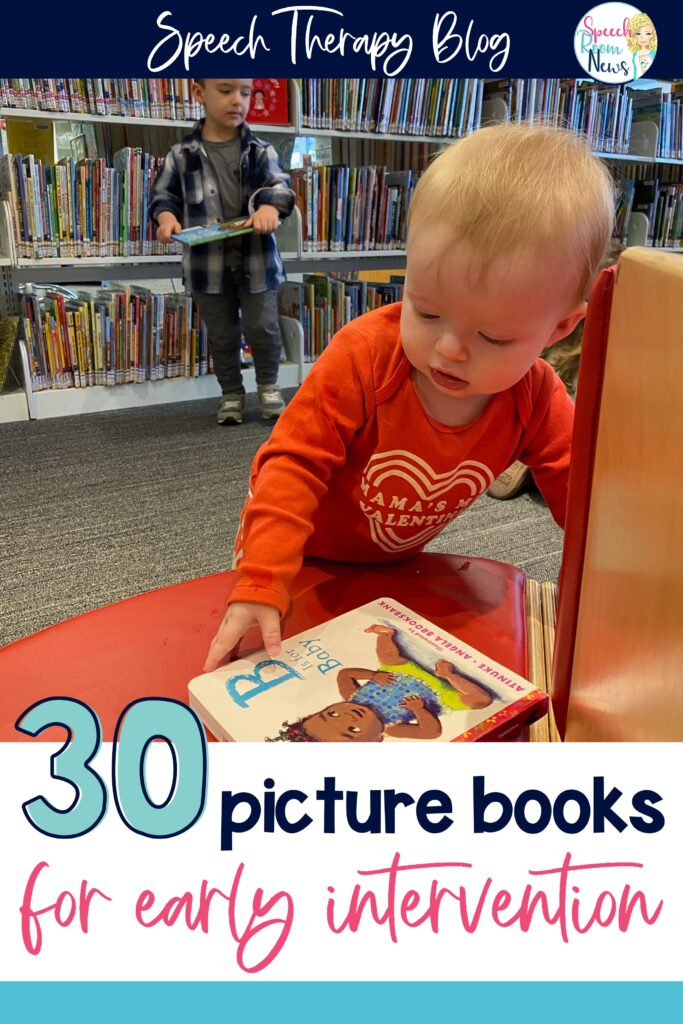
Books are powerful pedagogical instruments in speech and language therapy, offering a myriad of benefits for children undergoing intervention. Their structured narratives, repetitive elements, and rich visual content make them uniquely suited for therapeutic applications. The act of shared reading, or "dialogic reading," fosters a dynamic interaction between the child and the reader, transforming a passive activity into an active learning experience.
- Promoting Language and Vocabulary Development: Books expose children to a diverse lexicon, systematically expanding their vocabulary and deepening their language comprehension. Through reading aloud, SLPs and caregivers can introduce new words, reinforce conceptual understanding, and actively encourage expressive language skills. For instance, a simple picture book can introduce nouns like "apple" or "dog," verbs like "run" or "eat," and adjectives like "big" or "red." Repetitive exposure in varied contexts, facilitated by engaging storylines, aids in semantic mapping and word retrieval. Research published in the journal Child Development highlights that children whose parents frequently read to them demonstrate stronger language skills, including larger vocabularies and better grammatical understanding, by the time they enter school.
- Enhancing Storytelling and Narrative Skills: Engaging with books intrinsically nurtures storytelling abilities and cultivates narrative skills, which are fundamental for coherent communication. As children follow the plot, characters, and sequence of events, they learn about story structure, temporal sequencing, cause-and-effect relationships, and character motivations. These foundational elements are essential for effective communication, enabling children to recount personal experiences, share ideas, and engage in meaningful conversations. For children with language delays, books provide a scaffolded framework for understanding how stories are built, which can then be generalized to their own spoken narratives.
- Stimulating Imagination and Creativity: Books serve as gateways to imaginative worlds, fostering creativity and critical thinking. They encourage children to visualize and describe scenes, characters, and events, thereby promoting expressive language and descriptive skills. This imaginative play is not merely entertainment; it is a vital cognitive exercise that strengthens neural connections, enhances problem-solving abilities, and builds a robust foundation for abstract thought and complex language use. Children learn to infer emotions, predict outcomes, and articulate their interpretations, all of which are sophisticated linguistic and cognitive processes.
- Developing Phonological Awareness: Many picture books, especially board books, utilize rhyme, alliteration, and rhythm. These elements are crucial for developing phonological awareness – the ability to recognize and manipulate the sound structure of spoken language. Phonological awareness is a strong predictor of future reading success. By listening to rhyming words or identifying initial sounds, children build an auditory foundation critical for phonics and literacy development.
- Fostering Social-Emotional Learning: Beyond linguistic benefits, books often present scenarios that teach children about emotions, social interactions, and empathy. Stories can model appropriate responses to various situations, help children identify feelings in themselves and others, and introduce concepts like sharing, cooperation, and friendship. This social-emotional learning, mediated through narrative, is interwoven with communication development, as understanding social cues and emotional states is vital for effective interaction.
Chronology of Language Development and Book Engagement
The trajectory of early language development is a complex, sequential process, and book engagement can be tailored to align with these unfolding milestones:
- Birth to 6 Months (Pre-linguistic Stage): Infants respond to voices, turn towards sounds, and begin babbling. During this stage, simple, high-contrast picture books or fabric books with varied textures are beneficial. Caregivers can point to pictures, make sounds, and use exaggerated intonation to capture attention and stimulate auditory processing. The focus is on joint attention and early sound production.
- 6 to 12 Months (Early Babbling to First Words): Babbling becomes more complex, and infants begin to understand simple words like "no" or "bye-bye." They may point to objects when named. Interactive books with lift-the-flaps or tactile elements encourage motor engagement and reinforce object-word associations. Repetitive board books with single words or simple phrases are ideal for encouraging first approximations of words.
- 12 to 18 Months (First Words to Early Word Combinations): Children typically utter their first words and begin combining two words. They understand simple commands. Durable board books with clear pictures of familiar objects and actions are excellent. SLPs can use these to elicit single words, simple requests ("more," "up"), and early two-word phrases ("mama go," "dog bark").
- 18 to 24 Months (Vocabulary Spurt and Two-Word Sentences): A "vocabulary explosion" often occurs, and children use more two-word combinations. Picture books with simple storylines, repetitive phrases, and opportunities for prediction are highly effective. This stage allows for targeting verbs, prepositions, and early grammatical structures.
- 24 to 36 Months (Developing Sentences and Early Narratives): Children begin to use three- and four-word sentences, ask "wh-" questions, and can retell simple stories. Books with slightly more complex plots, multiple characters, and opportunities to discuss emotions or problem-solving are valuable. These foster narrative skills, sequencing, and the development of more complex syntax.
Expert Perspectives and Best Practices in Book Selection
Speech-Language Pathologists emphasize that not all books are equally effective for early intervention. Careful selection, aligning with a child’s developmental stage and specific therapeutic goals, is crucial. Jenna, the author of the original article and an SLP, underscores the importance of engaging, durable, and interactive materials. Professional organizations like ASHA provide guidelines for selecting materials that support language development, advocating for books that:
- Feature clear, engaging illustrations.
- Contain repetitive text and predictable patterns.
- Offer opportunities for interaction (e.g., lift-the-flaps, textures).
- Are durable enough to withstand repeated handling by young children.
- Are culturally relevant and inclusive.
Categories of Picture Books for Targeted Therapy
SLPs categorize books based on their inherent characteristics that lend themselves to specific therapeutic goals:
- Interactive Books: These books are designed to encourage touch, manipulation, and direct engagement, providing valuable opportunities to increase attention span, promote vocabulary development, and engage multiple senses. Examples include lift-the-flap books, touch-and-feel books, pop-up books, and sound books.
- Therapeutic Application: These books are excellent for eliciting immediate responses, encouraging turn-taking (e.g., "my turn to lift the flap"), and providing sensory input. They can target early requesting ("open," "more"), labeling, and cause-and-effect understanding. For children with limited attention, the interactive elements provide immediate reinforcement and maintain engagement. The tactile experience of touch-and-feel books, for instance, can help children associate textures with words (e.g., "soft," "bumpy"), enriching their descriptive vocabulary.
- Durable Books: Perfect for the early intervention demographic, durable books feature sturdy pages and robust construction that can withstand the often vigorous handling by infants and toddlers. These typically include board books, but also cloth books and plastic bath books.
- Therapeutic Application: Their resilience allows for repeated use without damage, which is essential for consistent exposure and practice. They are ideal for children who are still developing fine motor skills and may be prone to tearing paper pages. SLPs can use durable books to encourage independent exploration, promote pre-reading behaviors like turning pages, and facilitate shared reading without concern for damage. The focus here is often on repeated exposure to core vocabulary and simple concepts.
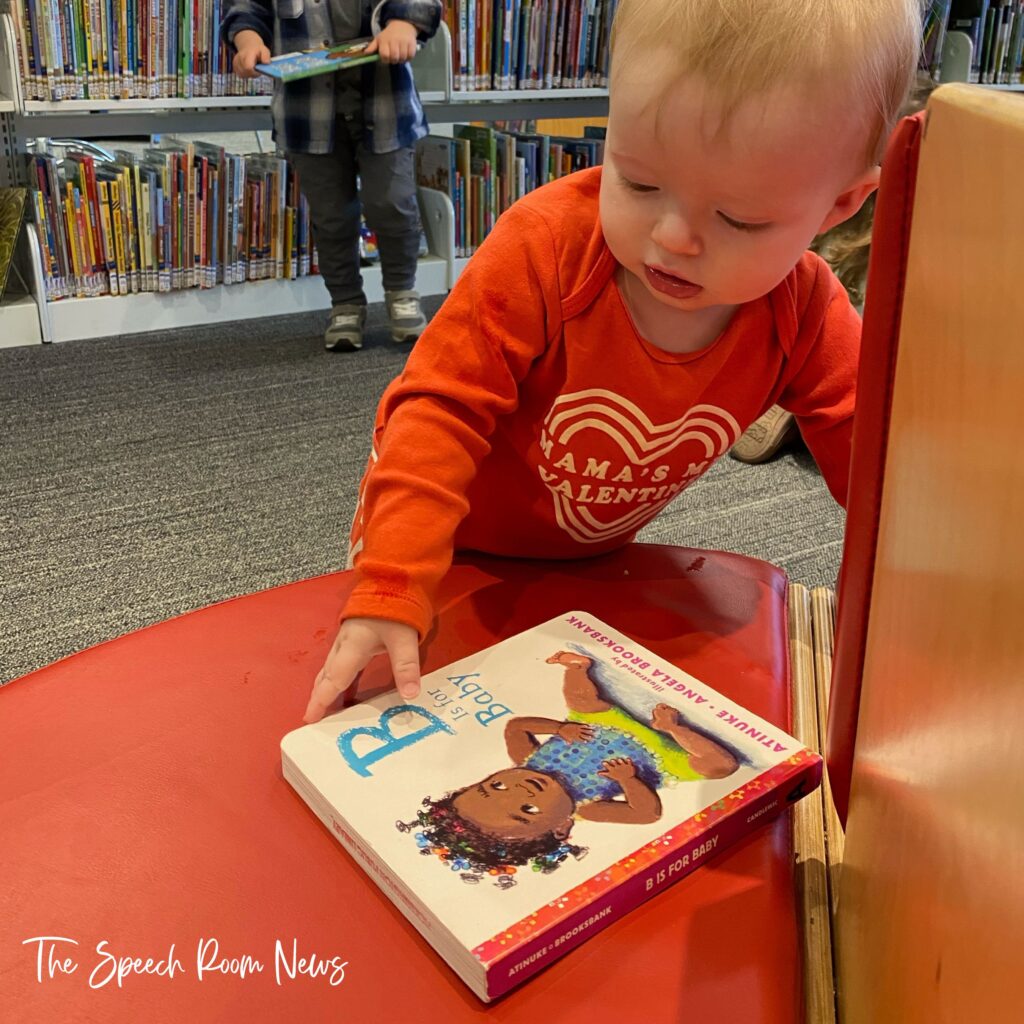
- Board Books: A popular and highly recommended choice in early intervention speech therapy, board books combine sturdy construction with engaging features. Their robust nature, coupled with often repetitive text, captivating pictures, and the potential for incorporating songs and rhythmic elements, makes them exceptionally versatile.
- Therapeutic Application: The repetitive text and predictable storylines are crucial for language learners, allowing them to anticipate words and phrases, thereby boosting confidence and encouraging participation. The rhythm and rhyme found in many board books support phonological awareness. SLPs can use them to target a wide array of goals:
- Repetitive Language: "Brown Bear, Brown Bear, What Do You See?" is a classic for targeting animal names, colors, and the repetitive sentence structure.
- Action Words: Books featuring simple actions (e.g., "Pat the Bunny" for actions like patting, smelling) can elicit verbs.
- Songs and Rhymes: Integrating singing into reading sessions enhances memory, rhythm, and phonological processing, transforming reading into a multisensory experience. Many board books are adaptations of popular children’s songs.
- Early Concepts: Books focused on colors, shapes, numbers, or opposites (e.g., "Go, Dog. Go!") are excellent for concept development and categorization skills.
- Therapeutic Application: The repetitive text and predictable storylines are crucial for language learners, allowing them to anticipate words and phrases, thereby boosting confidence and encouraging participation. The rhythm and rhyme found in many board books support phonological awareness. SLPs can use them to target a wide array of goals:
The Indispensable Role of Caregivers in Home Literacy
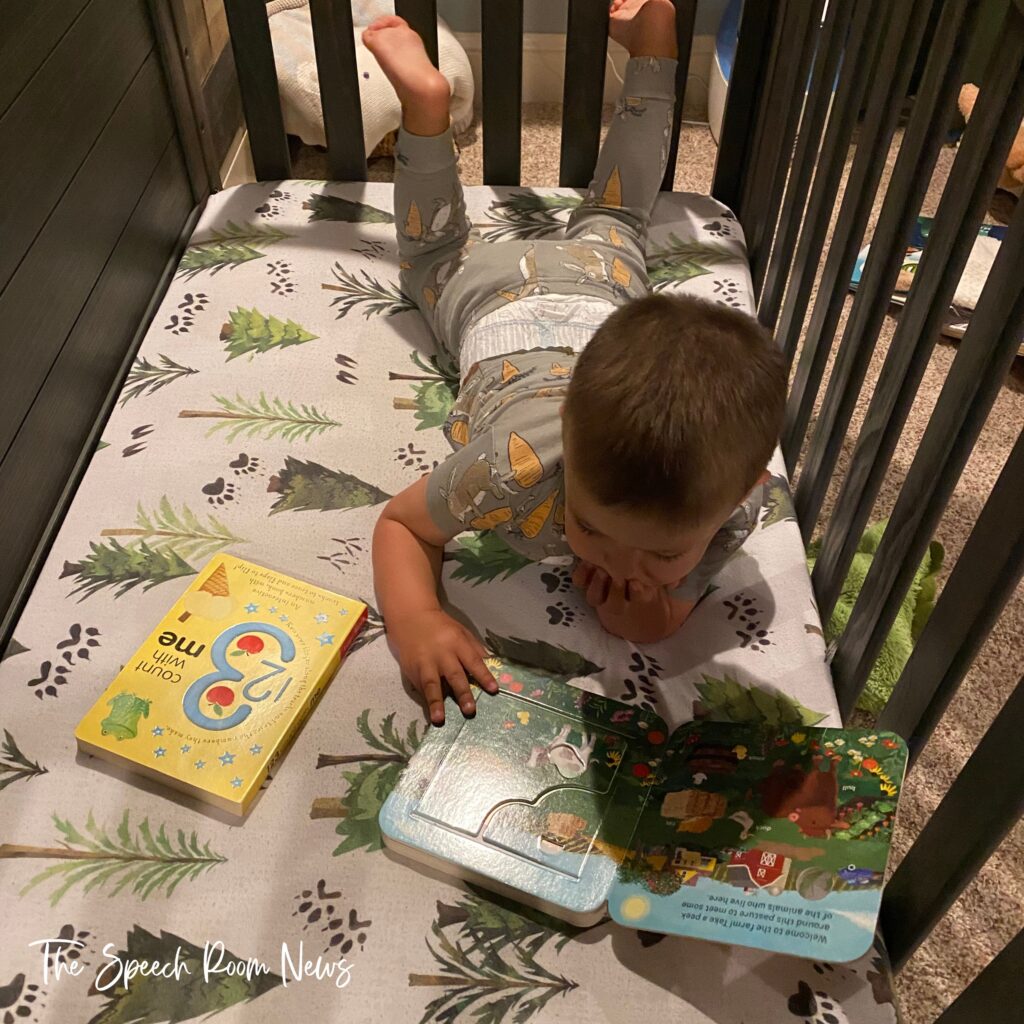
While structured therapy sessions are vital, the consistent reinforcement of language skills within the home environment is paramount. SLPs often guide parents and caregivers on how to effectively use picture books outside of therapy. Strategies include:
- Dialogic Reading: Asking open-ended questions, expanding on children’s responses, and encouraging them to describe what they see.
- Modeling: Demonstrating clear articulation and expressive language while reading.
- Creating a Reading Routine: Establishing a consistent time for reading, such as bedtime, to foster a love for books and regular exposure to language.
- Making Books Accessible: Placing books within reach so children can independently select and explore them.
Caregiver involvement not only extends the therapeutic impact but also strengthens the parent-child bond, creating positive associations with reading and learning. A 2017 study published in Pediatrics found that shared reading from infancy is associated with greater language and literacy skills in children as they grow.
Broader Implications and Future Directions
The profound impact of early intervention, particularly through the medium of picture books, extends far beyond improved speech and language. Children who develop strong communication skills early on are better equipped for academic success, social integration, and emotional regulation. They exhibit higher self-esteem and are more adept at expressing their needs and understanding others. From a societal perspective, investing in early intervention reduces the need for more intensive and costly services later in a child’s educational journey, contributing to a more capable and integrated citizenry.

Challenges remain in ensuring equitable access to early intervention services, particularly in underserved communities. Policy efforts continue to focus on expanding funding, improving identification mechanisms, and providing resources for families. Ongoing research explores the specific neural mechanisms activated by shared book reading and the long-term cognitive and socio-emotional benefits. The digital age also presents new avenues, with interactive e-books and apps offering alternative or supplementary tools, though the tactile and social benefits of traditional physical books in early intervention are widely emphasized by experts.
In conclusion, incorporating picture books into early intervention speech therapy sessions provides numerous, demonstrable benefits for children facing communication difficulties. By thoughtfully selecting and utilizing interactive, durable, and board books, therapists and caregivers can foster profound language growth, stimulate imagination, and lay a robust foundation for lifelong learning and effective communication. These seemingly simple objects are, in fact, sophisticated tools capable of shaping a child’s developmental trajectory in invaluable ways.
