


Curriculum Night stands as a pivotal event in the educational calendar, offering Speech-Language Pathologists (SLPs) a crucial platform to forge meaningful connections with parents, demystify the intricacies of speech and language therapy, and underscore its indispensable role within the broader educational landscape. This evening is not merely an informational session; it is a strategic opportunity for SLPs to advocate for their profession, empower families with actionable insights, and cultivate collaborative partnerships that are fundamental to student success.
Understanding Curriculum Night in Modern Education
Historically, Curriculum Night, often known as Open House or Back-to-School Night, has served as an annual tradition where parents visit their child’s classroom, meet general education teachers, and gain an overview of the academic year’s curriculum and classroom expectations. Its primary aim has been to foster parental engagement, which research consistently demonstrates is a significant predictor of student academic achievement and social-emotional well-being. A 2018 meta-analysis published in the Review of Educational Research highlighted that parental involvement, particularly when it supports learning at home and communicates high expectations, positively correlates with improved grades, attendance, and behavior across all grade levels.
Over time, the scope of Curriculum Night has expanded to reflect the increasingly complex and inclusive nature of modern education. With the implementation of mandates like the Individuals with Disabilities Education Act (IDEA), schools are legally and ethically obligated to ensure parents of students with special needs are fully informed and active participants in their child’s educational journey. This evolution has transformed Curriculum Night from a general overview into a multi-faceted event where specialized service providers, including SLPs, play an increasingly vital role. For parents whose children receive speech and language therapy, this dedicated interaction offers a window into a specialized educational component that might otherwise remain opaque, enhancing transparency and building trust within the educational system.

The Imperative for Speech-Language Pathologists
For SLPs, participating in Curriculum Night is not just an option but a strategic imperative. Many parents, even those whose children are receiving services, often possess a limited understanding of what speech and language therapy truly entails, confusing it perhaps with general tutoring or simply "fixing sounds." This knowledge gap can inadvertently hinder progress, as parents may not know how to reinforce therapeutic goals at home or fully appreciate the impact of communication disorders on their child’s overall development and academic performance.
According to the American Speech-Language-Hearing Association (ASHA), approximately 1 in 12 children aged 3-17 years has a disorder of speech, voice, language, or swallowing. The prevalence underscores the widespread need for effective communication strategies and parental involvement. Curriculum Night offers SLPs a unique, often unparalleled, chance to bridge this information divide. It allows them to articulate the science and art behind their practice, explain the individualized education program (IEP) goals in an accessible manner, and illustrate the critical link between communication skills and literacy, social interaction, and executive functions. An SLP’s presence at this event transforms the abstract concept of therapy into a tangible, understandable support system, reinforcing the school’s commitment to holistic student development. Furthermore, it provides an opportunity to reach parents of children who may not yet be identified for services but exhibit early warning signs of communication delays, potentially facilitating earlier intervention.
Crafting an Impactful Presentation: Key Strategies for SLPs
To maximize the impact of their presence at Curriculum Night, SLPs can employ several strategic approaches, moving beyond a simple informational monologue to an engaging, empowering dialogue.

1. Topic Selection: Addressing Core Parental Concerns
The foundation of an effective Curriculum Night presentation for an SLP lies in choosing a topic that genuinely resonates with parents’ most pressing concerns. Instead of merely listing services, consider what specific challenges or questions parents frequently voice regarding their child’s communication. This approach ensures the information is perceived as immediately relevant and valuable.
Common parental inquiries often revolve around developmental milestones, understanding their child’s specific diagnosis, and practical ways to support communication at home. Therefore, ideal topics could include:
- Early Language Development Milestones and Red Flags: This helps parents understand typical development and identify potential areas of concern, empowering them to seek early intervention if needed.
- Articulation Strategies for Home Practice: Providing simple, fun techniques for practicing speech sounds, moving beyond rote drills to integrated play.
- Navigating Social Communication Skills: Addressing challenges in peer interactions, understanding non-verbal cues, and fostering conversational skills.
- Introduction to Augmentative and Alternative Communication (AAC): For parents of children who use or might benefit from AAC, demystifying these systems and showcasing their potential.
- Executive Functioning and Language: Explaining how language skills underpin organization, planning, and problem-solving, and how SLPs support these areas.
- Fluency Disorders (Stuttering): Offering insights into what stuttering is, how it’s managed, and how parents can create supportive communication environments.
By focusing on these practical and concern-driven topics, SLPs move beyond abstract descriptions of their role to concrete demonstrations of how they can directly impact a child’s daily life and future trajectory. Data from parent surveys in special education often indicates a strong desire for practical strategies and clear explanations of their child’s needs, making a targeted topic selection paramount.
2. Problem-Solving Focus: Delivering Actionable Solutions
The most impactful presentations are those that don’t just inform but actively empower parents by offering tangible, actionable steps. As the original article astutely notes, parents want to leave feeling equipped to make a difference. This means shifting the focus from "what we do" to "how we can help you help your child."
For example, if the topic is early language development, an SLP might present common challenges such as limited vocabulary or difficulty forming sentences. The "solution" segment would then provide specific, easy-to-implement strategies like "narrating your daily activities," "using descriptive language," or "expanding on your child’s utterances." If the concern is articulation, practical solutions could include specific games, tongue exercises, or auditory discrimination activities that can be integrated into daily routines without feeling like homework.
This problem-solution framework builds trust and demonstrates the SLP’s role as a partner and resource. It transforms the professional into a guide who understands parents’ struggles and offers pathways to overcome them. Parents consistently express a need for practical guidance, and research on home-based interventions for speech and language disorders overwhelmingly supports the positive impact of consistent parental involvement. By providing clear, actionable steps, SLPs ensure that the knowledge shared during Curriculum Night extends its positive influence into the home environment, reinforcing therapeutic gains.
3. Language Accessibility: Bridging the Jargon Divide
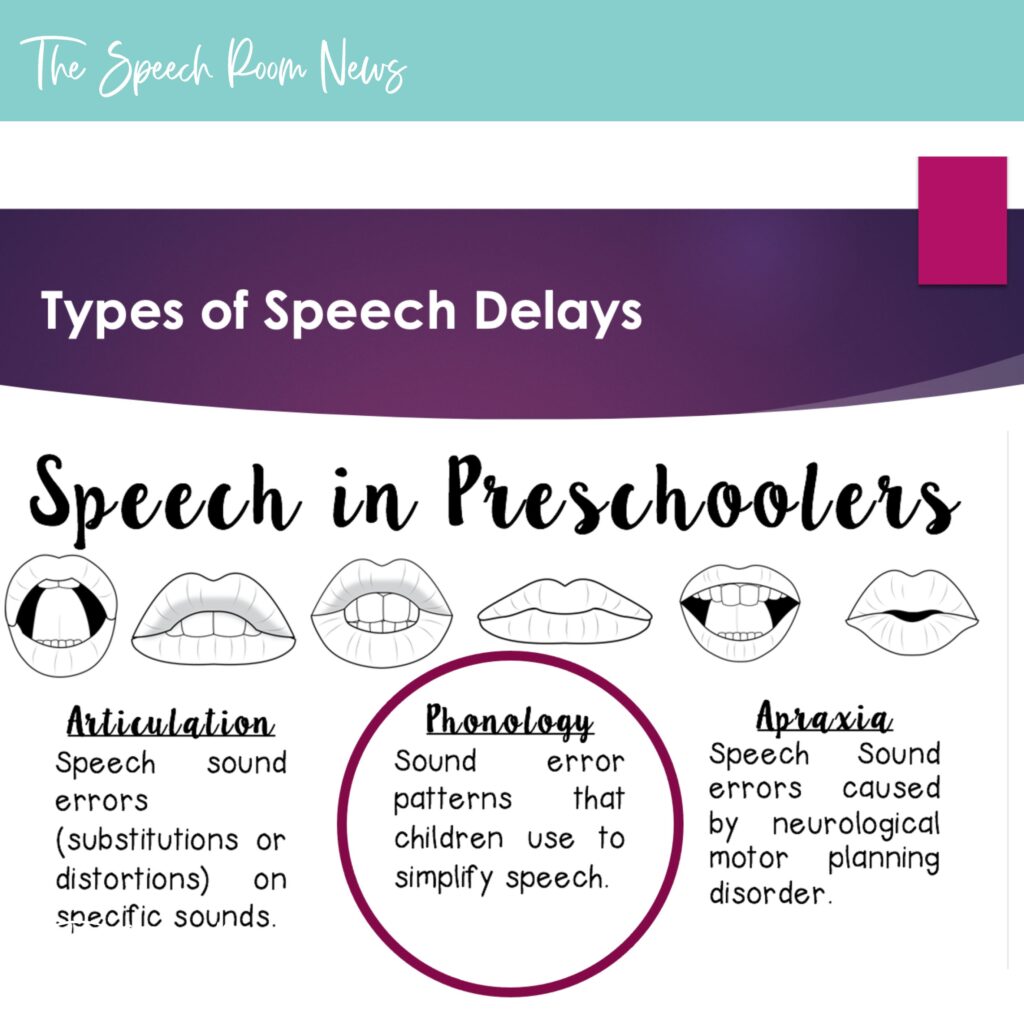
The specialized lexicon of special education and speech-language pathology can be a significant barrier to parental understanding. Acronyms like IEP, LRE, FAPE, or technical terms such as "phonological processes," "dysphagia," "pragmatics," or "morphology" can quickly overwhelm and alienate parents, regardless of their educational background. As the original piece highlighted with the "Como estas?" analogy, failing to use parent-friendly language is akin to speaking a foreign language to a captive audience.
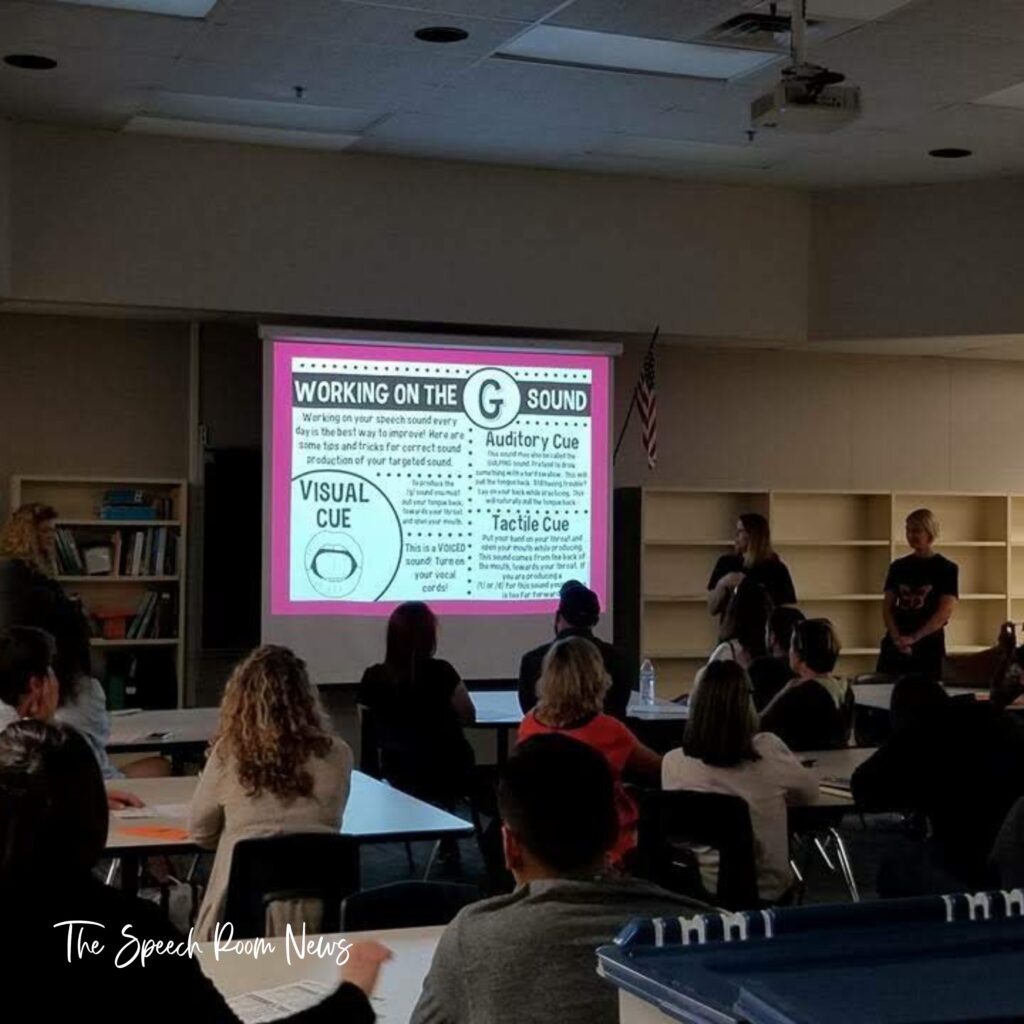
SLPs must consciously translate their professional vocabulary into everyday terms. Explaining an "IEP" as a "personalized learning plan" or "phonological processes" as "patterns of sound errors" makes the concepts immediately more digestible. Visual aids, simple analogies, and real-world examples can further clarify complex ideas. Furthermore, sensitivity to cultural and linguistic diversity is paramount. Providing materials in multiple languages or offering interpretation services, if feasible, ensures that all parents, including those for whom English is a second language, can fully access and comprehend the information. A truly inclusive approach demands communication that is not only clear but also culturally responsive. Clarity fosters understanding, understanding builds confidence, and confidence empowers parents to be stronger advocates and partners in their child’s development.
4. Interactive Engagement: The Power of "Make and Take" Activities
Incorporating an interactive "Make and Take" activity transforms a passive presentation into an engaging, hands-on experience. This pedagogical approach is rooted in experiential learning, where participants learn by doing, leading to deeper understanding and better retention of information. For parents, creating a tangible tool they can immediately use at home fosters a sense of ownership and reinforces the practical application of the concepts discussed.
Examples of effective "Make and Take" activities for SLPs could include:
- Creating Visual Schedule Strips: Parents can assemble simple visual schedules using pictures or words, which are invaluable for children with language processing difficulties or autism spectrum disorder to understand routines and transitions.
- Developing Articulation Flipbooks or Spinners: Simple crafts that help children practice specific speech sounds in a fun, game-like format.
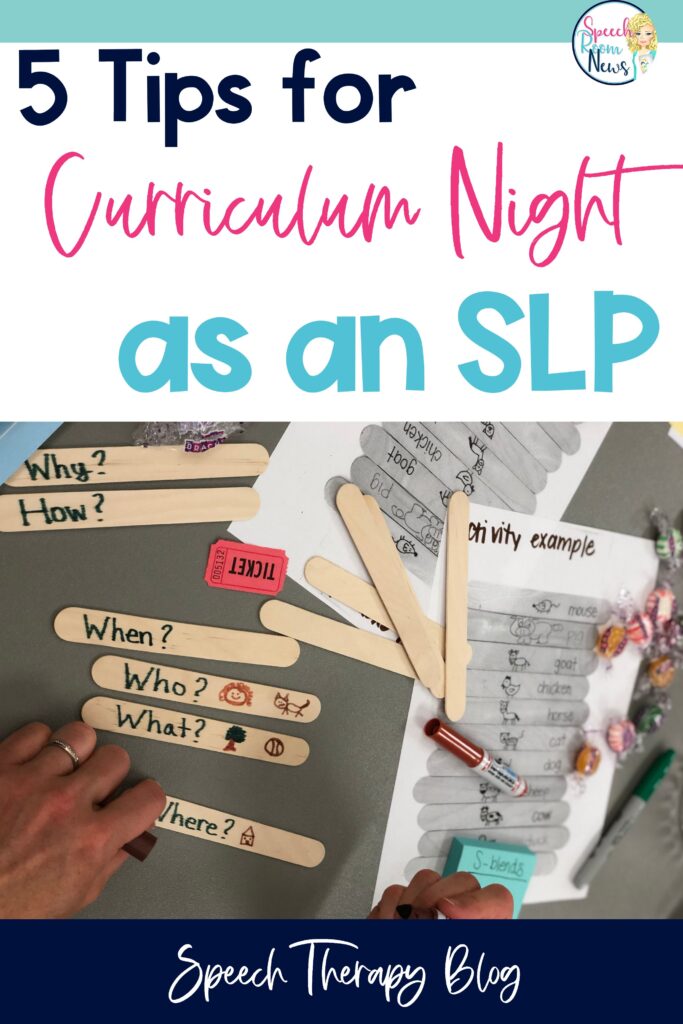
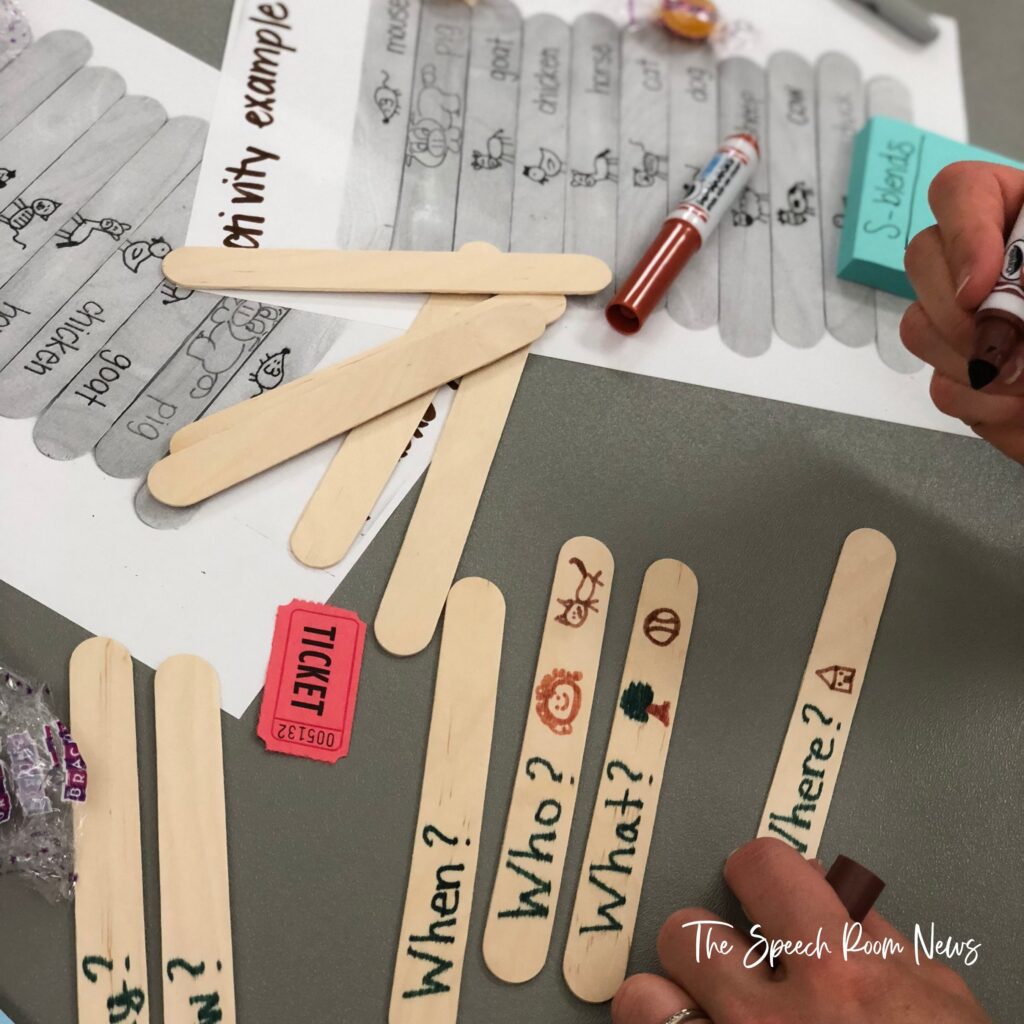
- Constructing "Wh-Question" Sticks: Popsicle sticks with different "wh" questions (who, what, where, when, why) that parents can use during story time or daily conversations to encourage language comprehension and expression.
- Assembling "Feeling Charts" or Communication Boards: Basic tools for children to express emotions or make choices, particularly beneficial for non-verbal or minimally verbal students.
These activities not only provide parents with practical resources but also offer a brief, guided opportunity to practice using them, boosting their confidence. The physical act of making something creates a lasting memory and a direct link to the strategies learned, significantly extending the impact of the Curriculum Night beyond the session itself.
5. Resource Reinforcement: Providing Comprehensive Handouts
Even the most engaging presentation can be overwhelmed by information density. Providing informative handouts serves as a crucial anchor for parents, allowing them to revisit key points, strategies, and resources long after the event concludes. These handouts act as a tangible extension of the SLP’s expertise, bridging the gap between the presentation and ongoing home support.
Effective handouts should be concise, visually appealing, and organized logically. They should summarize the main discussion points, reiterate actionable strategies, and provide relevant examples. Crucially, they should include contact information for the SLP or relevant school personnel, encouraging further questions and facilitating ongoing communication. Adding QR codes that link to trusted online resources, such as ASHA’s parent portal, reputable therapy blogs, or suggested apps, can further empower parents to explore topics in more detail at their own pace. By offering a well-designed handout, SLPs demonstrate a commitment to sustained parental support and provide a valuable tool that reinforces learning, clarifies uncertainties, and promotes consistent practice, ultimately contributing to better long-term outcomes for the student.
Broader Implications and Future Outlook
The strategic engagement of Speech-Language Pathologists during Curriculum Night extends far beyond individual parent-child dyads. It has broader implications for the entire educational ecosystem. Firstly, it significantly enhances parent-professional partnerships, fostering a collaborative environment where parents feel heard, valued, and equipped. This partnership is a cornerstone of special education success, as mandated by IDEA. Secondly, improved parental understanding and home-based support directly translate into better student outcomes across communication domains, which in turn positively impacts academic performance, social integration, and emotional well-being.
Furthermore, these interactions increase the visibility and advocacy for the SLP profession within schools and the wider community. When parents understand the depth and breadth of SLP services, they become advocates for robust speech and language programs, potentially influencing resource allocation and policy. This proactive engagement strengthens school-community ties, positioning the school as a comprehensive resource for family support. Finally, by consciously employing accessible language and culturally sensitive approaches, SLPs contribute to greater educational equity, ensuring that all families, regardless of their background, have equal access to vital information and support for their children’s development.
In conclusion, Curriculum Night is an invaluable opportunity for Speech-Language Pathologists to step into the spotlight, not just as service providers, but as educators, partners, and advocates. By thoughtfully selecting topics, offering practical solutions, ensuring linguistic accessibility, fostering interactive engagement, and providing durable resources, SLPs can transform this annual event into a powerful catalyst for parental empowerment and student success, solidifying their vital position within the educational framework.
