

Voiceover artists, particularly those new to the industry, often grapple with a phenomenon known as "blocking," an unnatural stiltedness in vocal delivery that hinders the essential flow of spoken dialogue. This issue, while common among novices, can be readily addressed once understood. This comprehensive analysis delves into the concept of voiceover flow, dissects the intricacies of blocking, and offers practical strategies for achieving a more natural and engaging vocal performance, crucial for effective communication across diverse media landscapes.
Understanding the Nuances of Voiceover Flow
Human conversation, in its most organic form, is characterized by a dynamic interplay of pace, pauses, and intonation. To grasp the essence of natural delivery in voiceover, one need only observe or record a casual conversation between friends. Such an exercise reveals several key characteristics:
- Rhythm and Cadence: Spoken language possesses an inherent rhythm, a natural ebb and flow created by the interplay of stressed and unstressed syllables, and the cadence of sentences. This rhythm is not rigid but adaptable, reflecting the speaker’s emotional state and the conversational context.
- Vocal Nuance and Inflection: The human voice is a rich instrument capable of conveying a vast spectrum of emotions and intentions through subtle shifts in pitch, tone, and volume. These inflections are not mere embellishments but integral components that imbue speech with meaning and personality.
- Purposeful Pauses: Pauses in conversation are not simply voids of silence. They serve critical functions, allowing listeners to process information, signaling a shift in thought, or emphasizing a particular point. These breathing spaces are as vital as the spoken words themselves.
- Varied Pacing: Natural speech rarely maintains a uniform pace. It accelerates during moments of excitement or urgency and slows down during periods of reflection or explanation. This variation in pacing keeps the listener engaged and prevents auditory fatigue.
- Seamless Transitions: In fluid conversation, ideas transition smoothly from one to the next, with connecting words, phrases, or even subtle vocal cues bridging the gaps. This creates a coherent narrative that is easy to follow.
When translating these elements into the realm of voiceover, the goal is to replicate this organic quality. While the specific requirements for "natural flow" vary significantly depending on the genre—from the highly stylized performances in character animation to the informative precision of e-learning modules or the authoritative tone of corporate narration—the underlying principle remains constant: the delivery must sound authentic and engaging to the listener. This often involves introducing subtle humanizing elements, such as breath sounds or micro-pauses, to enhance realism, though the appropriateness of such techniques is always context-dependent.
As veteran voiceover coach Hugh Edwards aptly notes, "It’s crucial that we deliver dialogue with a good, human flow to it, so that the listener doesn’t have to work to understand or accept it." The ability to achieve this fluidity is paramount for any voiceover artist aiming for professional success.

Deconstructing Voiceover Blocking: The Unnatural Pause
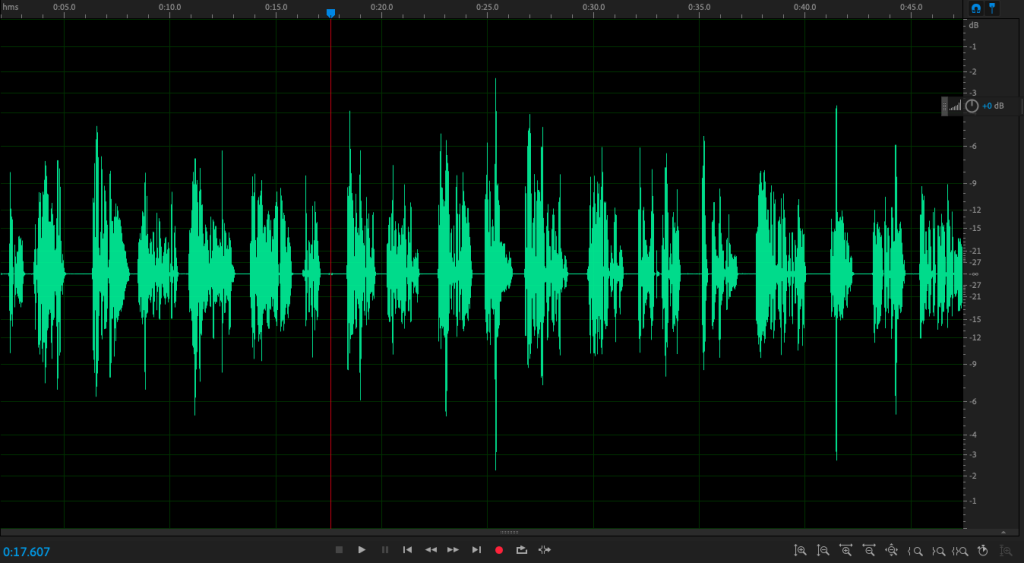
"Blocking" in voiceover refers to an unnatural interruption or cessation of speech that disrupts the intended rhythm and flow of a dialogue. The term originates from the visual representation of audio waveforms; when blocking occurs, distinct, abrupt "blocks" of silence appear within the otherwise continuous waveform, starkly contrasting with the smooth, undulating patterns of natural speech.
Consider the visual evidence. A waveform exhibiting blocking often appears segmented, with clear, rigid gaps between spoken phrases or even individual words. This visual cue directly correlates with the auditory experience: a staccato, disjointed, and ultimately disengaging delivery. For the listener, this translates into a frustrating experience. They are forced to anticipate the return of the voice, their cognitive load increased as they try to decipher fragmented information. This lack of seamlessness makes the audio unpleasant and undermines the effectiveness of the message. This phenomenon is particularly prevalent among newcomers to the voiceover industry, who may inadvertently introduce these pauses due to a lack of awareness or underdeveloped vocal control.
The Visual Contrast: Blocking vs. Natural Waveforms
The difference between a voiceover suffering from blocking and one that exhibits natural flow is starkly apparent when examining their respective audio waveforms.
Waveforms Exhibiting Blocking: As illustrated in the accompanying visual data, a waveform characterized by blocking presents as a series of distinct, isolated peaks representing spoken segments, separated by unnervingly long and consistent periods of silence. These "blocks" create a choppy, almost mechanical impression. The visual representation highlights the abrupt starts and stops, akin to a poorly edited film reel where frames are jarringly inserted or removed. This directly translates to an auditory experience that is perceived as halting, hesitant, and lacking in the natural momentum of human speech. The listener is left with a sense of anticipation, waiting for the next segment of sound to emerge from the silence, which can be fatiguing and disengaging.
Waveforms Exhibiting Natural Flow: In contrast, a voiceover delivered with natural flow displays a waveform that is more continuous and organic. While still exhibiting peaks and troughs corresponding to varying vocal intensity, the silences are more nuanced. These pauses are shorter, more varied in duration, and often serve as deliberate punctuation rather than disruptive interruptions. They are integrated into the rhythm of the speech, allowing for breath, emphasis, or cognitive processing without creating a jarring disconnect. This visual representation, often described as resembling "hairy caterpillars" due to the intricate, continuous lines, reflects an auditory experience that is smooth, engaging, and easy to follow. The listener feels immersed in the narrative, with the pacing and pauses feeling natural and supportive of comprehension.

Root Causes of Voiceover Blocking
Several factors contribute to the occurrence of voiceover blocking, with many of these being particularly common among individuals new to the profession. While not exclusive to beginners, these underlying issues can manifest in experienced artists as well, often stemming from an unconscious habit or a misinterpretation of directorial cues.
- Anxiety and Self-Consciousness: New voiceover artists often experience heightened levels of anxiety, leading to a subconscious tightening of the vocal muscles. This tension can manifest as unnatural pauses as the artist mentally prepares for each word or phrase, fearing mispronunciation or an incorrect delivery. The pressure to perform perfectly can paradoxically lead to a less natural performance.
- Over-Reliance on Script Cues: Beginners may treat the script as a rigid set of instructions, meticulously pausing at every comma or period without considering the natural rhythm of spoken language. This literal interpretation can override the organic flow of dialogue, creating artificial breaks.
- Lack of Vocal Warm-up and Preparation: Insufficient vocal warm-up can lead to stiff vocal cords and a lack of breath control. This physical unpreparedness can result in abrupt stops and starts as the artist struggles to maintain a consistent vocal output.
- Misinterpretation of Direction: Sometimes, directors might ask for "pace" or "clarity," which a new artist might interpret as meaning "speak slowly and pause frequently." Without understanding the nuances of directorial feedback, these instructions can be misapplied, leading to blocking.
- Fear of Running Out of Breath: A common concern for new speakers is the fear of running out of air mid-sentence. This can lead to premature pauses and shallow breaths, creating a staccato effect as the artist takes frequent, short breaths.
- Over-Editing in Post-Production: While post-production editing is essential, excessive removal of natural breaths, subtle hesitations, or slight imperfections can inadvertently create blocking. The desire for a perfectly clean audio track can sometimes strip away the natural human elements of speech.
- Lack of Familiarity with the Material: When an artist is not fully immersed in the context or emotional arc of the script, their delivery may lack the intuitive flow that comes from understanding the narrative. This can result in a more mechanical, word-by-word delivery.
The Opposite Extreme: Over-Editing and Hyper-Pacing
While blocking represents an excess of unnatural pauses, its antithesis lies in an equally detrimental form of unnatural delivery: over-editing, excessive breath removal, or an overly rapid pace that leaves no room for listener comprehension. This phenomenon, often seen in local radio advertisements where tight deadlines force an impossible amount of content into a short time slot, results in a torrent of words that the listener cannot adequately process.
Imagine an advertisement that crams 40 seconds of dialogue into a 30-second spot. The result is a rushed, breathless delivery where the meaning becomes lost in the sheer volume of information. The listener is overwhelmed, struggling to keep up, and ultimately retains little to none of the message. This scenario, while opposite in its manifestation to blocking, is equally ineffective. Both issues stem from a failure to understand and implement appropriate pacing and space, hindering the listener’s ability to engage with and absorb the spoken content. The crucial difference lies in the reason for the breakdown in communication: one is a deficit of sound, the other an excess.
Situational Relevance of Blocking: When the Unnatural Becomes Intentional
Despite its generally negative connotations, blocking, or more precisely, a staccato or deliberately disjointed delivery, can be a legitimate and effective artistic choice in specific contexts. The key distinction lies in whether the delivery is a conscious, intentional decision by the voiceover artist or an unconscious flaw.
Examples where a staccato or "blocked" delivery might be relevant and intentional include:
- Portraying Specific Character Traits: A character who is nervous, agitated, undergoing a panic attack, or suffering from a specific neurological condition might exhibit a speech pattern characterized by hesitations and abrupt pauses. This is a deliberate choice to convey psychological or physical states.
- Communicating Urgency or Alarm: In certain dramatic scenarios, a rapid-fire, almost breathless delivery with sharp pauses can effectively convey a sense of extreme urgency, panic, or a desperate attempt to relay critical information under duress.
- Artistic or Experimental Narration: Some avant-garde or experimental forms of media might intentionally employ unconventional vocal delivery styles, including staccato patterns, to create a specific artistic effect or to challenge conventional listening norms.
- Depicting Technological Malfunctions or Robotic Speech: A character designed to sound robotic, or a simulation experiencing a glitch, might be programmed or directed to speak with unnatural pauses and a segmented delivery to reflect their non-human or malfunctioning nature.
In these instances, the voiceover artist is making a calculated artistic decision. They understand the impact of such a delivery on the listener and are employing it purposefully to achieve a specific narrative or emotional objective. This is fundamentally different from the unintentional blocking exhibited by performers who are unaware of their disruptive pauses.
The Art of Correction: Eliminating Unwanted Blocking
Fortunately, addressing and eliminating blocking in voiceover performance is a remarkably straightforward process, primarily requiring awareness and the application of fundamental vocal techniques. The journey to achieving a natural, humanistic flow is accessible to all performers willing to focus on specific areas.
Here are key strategies to prevent and overcome blocking:
- Embrace Natural Breathing: This is paramount. Instead of shallow, frequent breaths, focus on diaphragmatic breathing. Take deeper, more controlled breaths, allowing sufficient air to fuel longer phrases. Consciously integrate natural breaths into your performance; they are not flaws but necessary components of speech. Listen to how people breathe when they speak naturally.
- Prioritize Phrasing Over Individual Words: Train yourself to think in terms of complete phrases and sentences, rather than isolated words. Understand the grammatical and emotional unit of each sentence. This will naturally lead to smoother transitions and fewer unnecessary pauses. Practice reading sentences aloud, focusing on delivering them as a cohesive unit.
- Understand the Script’s Intent: Thoroughly analyze the script’s meaning, emotional tone, and purpose. When you understand what you are conveying and why, your delivery will naturally become more fluid and intuitive. Rehearse the script until it feels natural and familiar.
- Utilize Pacing and Pauses Strategically: Learn to distinguish between necessary pauses for comprehension and unnatural interruptions. Employ pauses for emphasis, to allow the listener to absorb information, or to create dramatic effect, but ensure they are integrated into the overall rhythm. Experiment with different pause lengths to find what feels most natural and effective for the given context.
- Record and Review Regularly: Consistent self-monitoring is crucial. Record your practice sessions and listen back critically. Pay close attention to the rhythm, pace, and presence of any unwanted pauses. Identify where the flow breaks down and consciously work to correct it in subsequent takes.
- Seek Constructive Feedback: Share your recordings with trusted colleagues, coaches, or mentors. An external perspective can often identify issues that you may overlook. Be open to constructive criticism and use it as a guide for improvement.
- Practice with Different Genres: Expose yourself to various voiceover genres. Listen to and analyze the vocal delivery in commercials, audiobooks, documentaries, and corporate videos. This will broaden your understanding of different approaches to natural flow and pacing.
- Focus on Connection with the Listener: Imagine you are speaking directly to one person. This intimate focus often encourages a more natural, conversational tone, reducing the tendency towards stiltedness. Think about conveying sincerity and genuine connection.
Conclusion: The Artist’s Control Over Delivery
Ultimately, the responsibility for the vocal delivery lies with the professional voiceover artist. They are the interpreters of the script, the architects of the auditory experience, and the conduits through which a message connects with its audience. Whether opting for a brisk, energetic pace, a thoughtful, measured cadence, or even a deliberately staccato delivery for artistic effect, the choice rests with the artist.
The critical factor is not the specific style chosen, but the artist’s mastery and conscious control over these tools. When a voiceover artist can deliberately manipulate pace, pause, and inflection to achieve a desired effect, they are operating from a position of strength and professionalism. Issues arise not from the chosen style, but from a lack of awareness or control, leading to unintentional blocking that detracts from the performance. By understanding the principles of natural flow, recognizing the pitfalls of blocking, and diligently practicing corrective techniques, voiceover artists can elevate their performances, ensuring their deliveries are not only technically proficient but also deeply engaging and effective for their intended audience. The pursuit of natural flow is an ongoing journey, one that empowers artists to communicate with clarity, authenticity, and impact.
