


Mouth clicks, often colloquially referred to as "clicky mouth" or "mouth noise," represent a pervasive and frequently frustrating challenge within the voiceover industry. These seemingly minor auditory artifacts, characterized by small pops and clicks occurring during or around speech, can significantly impact the professional polish of audio productions, leading to potential rejection in auditions and hindering re-engagement with clients. While many may perceive these sounds as an unavoidable physiological quirk, industry experts emphasize that in the vast majority of cases, they are a direct consequence of improper technique and avoidable environmental factors, rather than inherent physical limitations. The ability to effectively edit these clicks post-production is a known skill, but it is a time-consuming and often tedious process that many in the field seek to circumvent by addressing the issue at its source.
The detrimental effect of pronounced mouth clicks on a voiceover artist’s career cannot be overstated. Anecdotal evidence from industry professionals highlights the severity of the problem. One prominent voiceover coach and industry veteran recounted a situation where an entire five-hour recording session had to be re-done with a different artist due to excessive mouth noise. The cost and time associated with editing out the clicks from the original recording were deemed greater than the expense of re-recording the entire project, underscoring the significant financial and professional repercussions. This scenario is not unique, and the consistent presence of such noises can render a voiceover artist unemployable for certain projects, particularly those requiring pristine audio quality.
Understanding the Genesis of Mouth Clicks
At their core, mouth clicks are an auditory manifestation of the interaction between the tongue, teeth, and saliva within the oral cavity during speech. As the tongue moves to articulate words, it can create small pockets of air and dislodge saliva, resulting in the characteristic popping or clicking sounds. While these noises are a natural part of human speech, they are typically filtered out by the listener’s brain in casual conversation, becoming imperceptible unless they are unusually prominent or exacerbated by specific physiological conditions.

The most commonly cited factor contributing to increased mouth clicks is dehydration. When the body lacks adequate hydration, saliva production decreases, leading to a drier and stickier oral environment. This sticky saliva adheres more readily to the tongue and teeth, increasing the likelihood of generating audible clicks during speech. Factors that contribute to dehydration are well-documented and include excessive consumption of certain beverages. Smokers, for instance, often experience a higher incidence of mouth clicks, as do individuals who consume significant amounts of caffeine, particularly in the morning. Both nicotine and caffeine are known diuretics, actively drawing water out of the body and exacerbating dehydration.
However, the relationship between hydration and mouth clicks is not always straightforward. In a seemingly paradoxical twist, being over-hydrated, or more specifically, having an excess of water in the mouth, can also contribute to the problem. This occurs when individuals, realizing they are dehydrated, attempt to compensate by rapidly consuming large quantities of water in a short period. While this might seem counterintuitive, a mouth flooded with water can make the tongue’s movements just as prone to creating clicks as a dry, sticky mouth. The excessive fluid can alter the mechanics of articulation, leading to similar auditory outcomes.
The Amplification Effect: Recording and Post-Production
The phenomenon of mouth clicks becoming acutely noticeable in voiceover recordings is largely a consequence of the recording and post-production processes. When an audio signal is captured, it contains a dynamic range—the difference between the loudest and quietest parts of the recording. In the voiceover industry, compression is a standard post-production technique applied to audio. Compression works by reducing this dynamic range, effectively bringing the quieter elements closer to the louder ones.
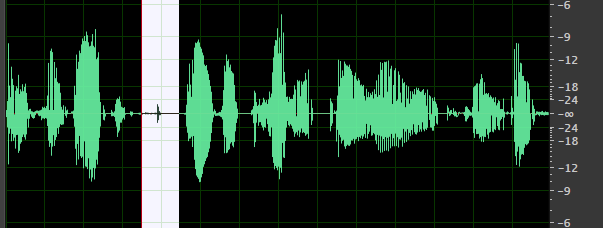
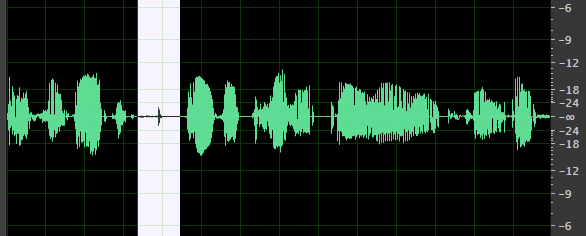
Imagine a visual representation of a sound wave. Before compression, a mouth click might appear as a sharp, prominent spike against a generally consistent level of speech. After compression is applied, the overall volume of the recording is adjusted, and the quieter parts of the waveform are "pulled up." Crucially, while the speech itself is brought to a more consistent audible level, the sharp, transient nature of the mouth click remains. When the entire waveform is then normalized to a standard listening volume, the previously less noticeable mouth click is now significantly louder and more prominent relative to the surrounding speech. This amplification effect, while necessary for mixing voiceovers with other audio elements in a production, transforms minor auditory imperfections into distracting noise.

The necessity of compression in professional audio cannot be overstated. Without it, voiceover recordings would be extremely difficult to mix effectively with music, sound effects, or other spoken elements. The inherent dynamic range of the human voice would create inconsistencies in volume, making a final mix sound unprofessional and unbalanced. Therefore, the solution to mouth clicks lies not in avoiding compression, but in minimizing the source of the problem before it enters the recording chain.
Strategic Approaches to Eradicating Mouth Clicks at the Source
Given that the recording and post-production processes inherently amplify mouth clicks, the most effective strategy for their elimination is to prevent them from occurring during the recording session. This involves a multi-faceted approach focusing on physiological preparedness, technical execution, and consistent practice.
Step 1: Master Pre-Session Hydration
The cornerstone of click-free recording is proper hydration, beginning well in advance of the session. As previously established, dehydration leads to reduced saliva production, resulting in a dry and sticky mouth. However, the body’s ability to absorb and distribute water is not instantaneous. Simply downing large quantities of water immediately before a recording session is ineffective. The body requires time to process and utilize the fluid.
Industry best practices recommend initiating a consistent hydration regimen at least two hours prior to a voiceover session. This allows the body to adequately absorb water and ensure a consistent level of saliva production. The type of fluid consumed is also critical. While many beverages are hydrating to some extent, the key to combating mouth clicks is pure water. Sugary drinks, caffeinated beverages (coffee, tea, soda), and alcoholic drinks act as diuretics, counteracting the intended hydrating effects and potentially worsening dehydration. A common misconception involves mistaking the consumption of large volumes of non-water beverages for effective hydration. For example, consuming two liters of soda daily may still leave an individual dehydrated if it replaces water intake.
Furthermore, maintaining hydration is not only crucial for preventing mouth clicks but also for vocal health. The vocal cords, composed of delicate mucous membranes, require adequate lubrication to vibrate efficiently and without friction. Dehydration can lead to decreased mucus levels, causing the vocal cords to rub together more forcefully, resulting in hoarseness, a gravelly voice, and potential throat discomfort. This can significantly impair vocal performance and longevity. For early morning sessions, it is advisable to begin hydrating the night before, as water loss occurs overnight through respiration and perspiration. Consistent, mindful hydration is a non-negotiable aspect of professional voiceover work.
Step 2: Optimize Microphone Placement and Vocal Projection
The physical relationship between the voiceover artist and the microphone plays a significant role in the perceived level of mouth noise. This is intrinsically linked to vocal projection. Consider the analogy of speaking in a crowded room versus whispering in someone’s ear. When shouting from a distance, the volume of the spoken words far outweighs any subtle mouth noises. Conversely, a close-proximity whisper makes even the slightest clicks highly audible.
In a recording environment, the microphone acts as an amplifier of all sounds within its range. If an artist is positioned too close to the microphone and speaking at a low volume, the input gain on the recording equipment must be increased to achieve a suitable recording level. This amplifies not only the voice but also the ambient noise floor and any subtle mouth clicks. Conversely, by increasing the distance from the microphone and projecting the voice slightly louder than normal conversational volume, the input gain can be reduced. This results in a stronger signal for the voice and a relatively lower level for the noise floor and mouth clicks.
A recommended practice for many voiceover artists is to maintain a distance of approximately 7 to 8 inches from the microphone, often referred to as "arm’s length." This distance, combined with a clear and projected vocal delivery, allows for a strong voice signal without excessively picking up the nuances of the mouth’s mechanics. For specific commercial applications that intentionally utilize the "bass-proximity effect"—a phenomenon that enhances low frequencies when the sound source is very close to the microphone—artists must acknowledge that this technique will necessitate more extensive post-production editing to manage mouth clicks. It is a trade-off between sonic texture and audio cleanliness.
Step 3: Implement Consistent Sipping During Sessions
The dehydrating effect of speaking continues throughout a recording session. Even with proper pre-session hydration, prolonged vocalization can lead to a reduction in saliva and mucus, increasing the likelihood of mouth clicks developing mid-session. This is why consistent sipping of water during recording is crucial for maintaining optimal oral lubrication.
Professional voiceover artists are often observed to have a water bottle readily available in the recording booth. This practice is not merely for comfort but is a strategic necessity. While it may lead to more frequent bathroom breaks, the benefit of maintaining a hydrated and click-free mouth far outweighs this minor inconvenience. The general guideline is to sip water every 10 to 15 lines of dialogue, or at regular intervals dictated by the pacing of the script and the artist’s individual vocal needs. In modern, often air-conditioned studios, the drying effect can be more pronounced, making this practice even more critical.
Step 4: Debunking the Green Apple Myth and Focusing on Fundamentals
A popular, albeit often overstated, remedy for mouth clicks is the consumption of a green apple or other acidic foods and drinks. The citric acid in these items can indeed help to cleanse the mouth and reduce the stickiness of saliva. However, relying on such remedies as a primary solution is misguided. While a green apple might offer temporary relief, particularly for individuals who are significantly hungover and experiencing extreme dehydration, it does not address the underlying causes of mouth clicks.
The effectiveness of green apples is a temporary fix, masking the symptoms rather than curing the condition. The true solutions lie in the fundamental practices of consistent hydration, appropriate mic technique, and mindful sipping during sessions. Focusing on these core principles will yield far more sustainable and professional results than depending on quick-fix remedies. For artists facing the unavoidable consequences of a severe hangover, it is acknowledged that such situations can arise, but in these instances, the focus shifts from preventative measures to damage control and extensive post-production editing, as the foundational elements of a clean recording have been compromised.
In conclusion, the persistent issue of mouth clicks in voiceover recordings is a solvable problem. It requires a proactive and disciplined approach from voiceover artists, emphasizing proper hydration, strategic microphone technique, and consistent self-care during recording sessions. By understanding the mechanics behind these clicks and implementing these evidence-based strategies, professionals can significantly enhance the quality of their audio, improve their employability, and deliver the polished performances that clients expect. The pursuit of pristine audio is an ongoing commitment, and mastering these techniques is a hallmark of a dedicated and successful voiceover artist.
