

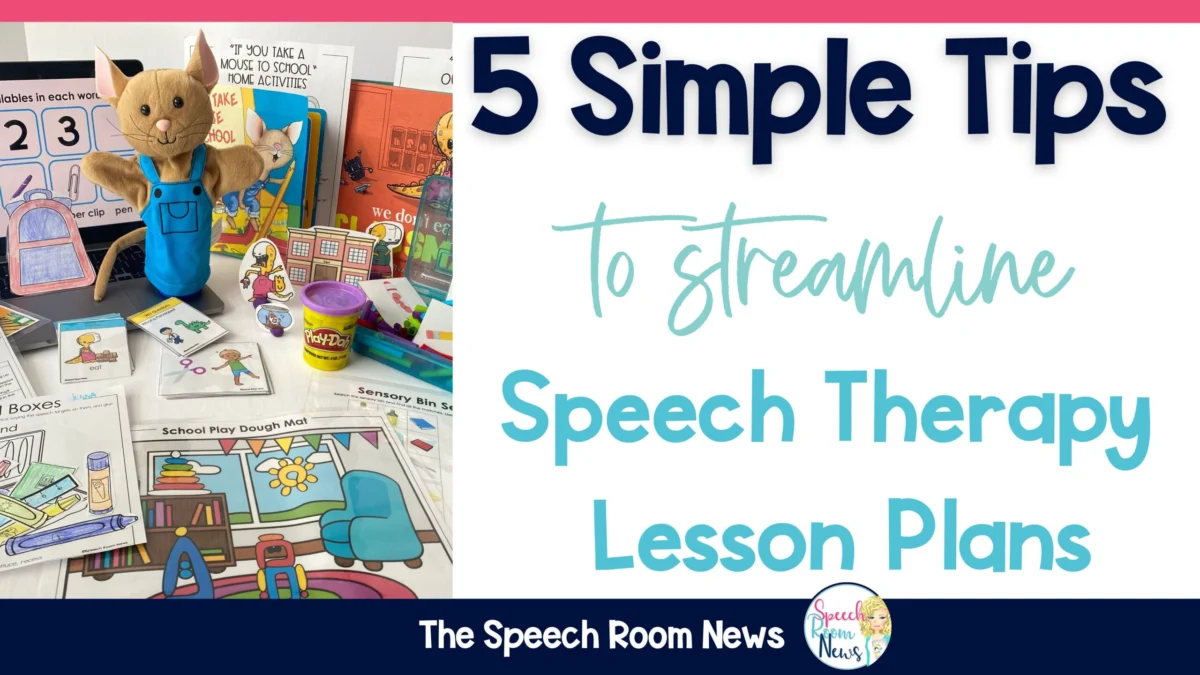
The modern educational landscape presents unique challenges for school-based SLPs. A typical caseload can range from 40 to 70 students, each with distinct Individualized Education Program (IEP) goals spanning various communication domains such as articulation, language, fluency, and social communication. Historically, the preparation of bespoke lesson plans for each student, every week, has been a time-intensive endeavor, contributing to professional burnout and diverting valuable time away from direct student interaction and professional development. The advent of new pedagogical approaches and a greater emphasis on interdisciplinary collaboration have further underscored the need for scalable and adaptable planning frameworks.
The Evolving Landscape of School-Based Speech Therapy
The role of the school-based SLP has expanded significantly over the past two decades. Beyond direct intervention, SLPs are integral members of educational teams, contributing to assessments, IEP development, consultation with teachers and parents, and facilitating communication within the school environment. This multifaceted role, coupled with increasing student needs—including a rise in diagnoses such as autism spectrum disorder and complex communication impairments—places immense pressure on SLPs to maximize their efficiency without compromising the quality of therapy.
Data from the American Speech-Language-Hearing Association (ASHA) consistently highlights concerns regarding caseload sizes and administrative demands among school-based practitioners. Surveys indicate that a significant portion of SLPs report feeling overwhelmed by paperwork and planning, often spending several hours outside of their contractual day to manage these responsibilities. This context provides a compelling rationale for the adoption of innovative planning strategies that prioritize both therapeutic effectiveness and professional sustainability.
Key Strategies for Optimized Lesson Planning
Drawing upon established best practices and insights from experienced practitioners, several core strategies have emerged as highly effective in streamlining speech therapy lesson plans. These approaches move away from hyper-individualized, session-by-session planning towards more holistic, adaptable frameworks.
1. Implementing Theme-Based Therapy Plans
One of the most widely embraced strategies for reducing planning time and enhancing therapeutic cohesion is the implementation of theme-based therapy. This approach involves selecting a central theme for a week or month (e.g., "fall harvest," "ocean life," "community helpers") and coordinating all therapeutic materials and activities around it. This allows SLPs to prepare a single set of resources—including books, games, worksheets, and crafts—that can be adapted to target multiple goals across various students within a mixed group setting.
The primary benefit of theme-based planning lies in its reusability and adaptability. Once a thematic unit is developed, it can be refined and reused in subsequent years, gradually building a comprehensive library of pre-made materials. This significantly reduces year-over-year preparation time. Furthermore, thematic units naturally align with broader classroom curricula, fostering greater collaboration between SLPs and classroom teachers and promoting the generalization of learned skills into academic contexts. For instance, a "farm animals" theme could be used to target articulation (e.g., "cow," "pig"), vocabulary (e.g., "barn," "tractor"), sentence structure (e.g., "The farmer feeds the chickens"), and narrative skills (e.g., telling a story about a day on the farm). This integrated approach enhances student engagement by connecting therapy to their everyday learning experiences. Professional organizations often advocate for such integrated approaches, noting their potential to improve carryover and functional communication skills.
2. Adopting Literacy-Based Therapy Plans
Literacy-based therapy harnesses the power of picture books and other literature to serve as a rich foundation for speech and language intervention. This method is particularly effective for mixed groups, as a single book can be leveraged to address a wide array of goals, from phonological awareness and articulation to vocabulary expansion, comprehension, and narrative development.
The typical framework for literacy-based intervention involves several stages:
- Pre-story knowledge activation: Students are encouraged to access and share their prior knowledge related to the book’s themes or characters, building anticipation and context.
- Shared story reading: The book is read aloud, with the SLP strategically pausing to prompt discussion, highlight target sounds or words, and model language structures.
- Focused-skill activities: Following the reading, specific activities are designed to target individual IEP goals using content from the book. For example, a student working on ‘r’ sounds might identify all words with ‘r’ in the story, while another focuses on retelling the sequence of events.
- Post-story comprehension discussion: Students engage in higher-level thinking, discussing themes, character motivations, and making predictions or connections to personal experiences.
A significant advantage of this approach is the inherent richness of language and narrative structure within books, providing authentic contexts for communication practice. Moreover, utilizing books that align with classroom curricula facilitates a natural link between speech therapy and academic learning, reinforcing the relevance of therapy goals. The availability of numerous pre-made, book-specific materials online further reduces preparation time, allowing SLPs to focus on individualized application rather than material creation. This method is widely supported by educational research, which underscores the profound impact of literacy on overall language development.
3. Employing a Narrative Language Approach
While sharing similarities with literacy-based therapy, the narrative language approach distinctively focuses on teaching storytelling skills alongside other speech and language targets. This method recognizes that narrative competence is a cornerstone of academic success and social interaction, allowing individuals to organize thoughts, express ideas coherently, and understand complex information.
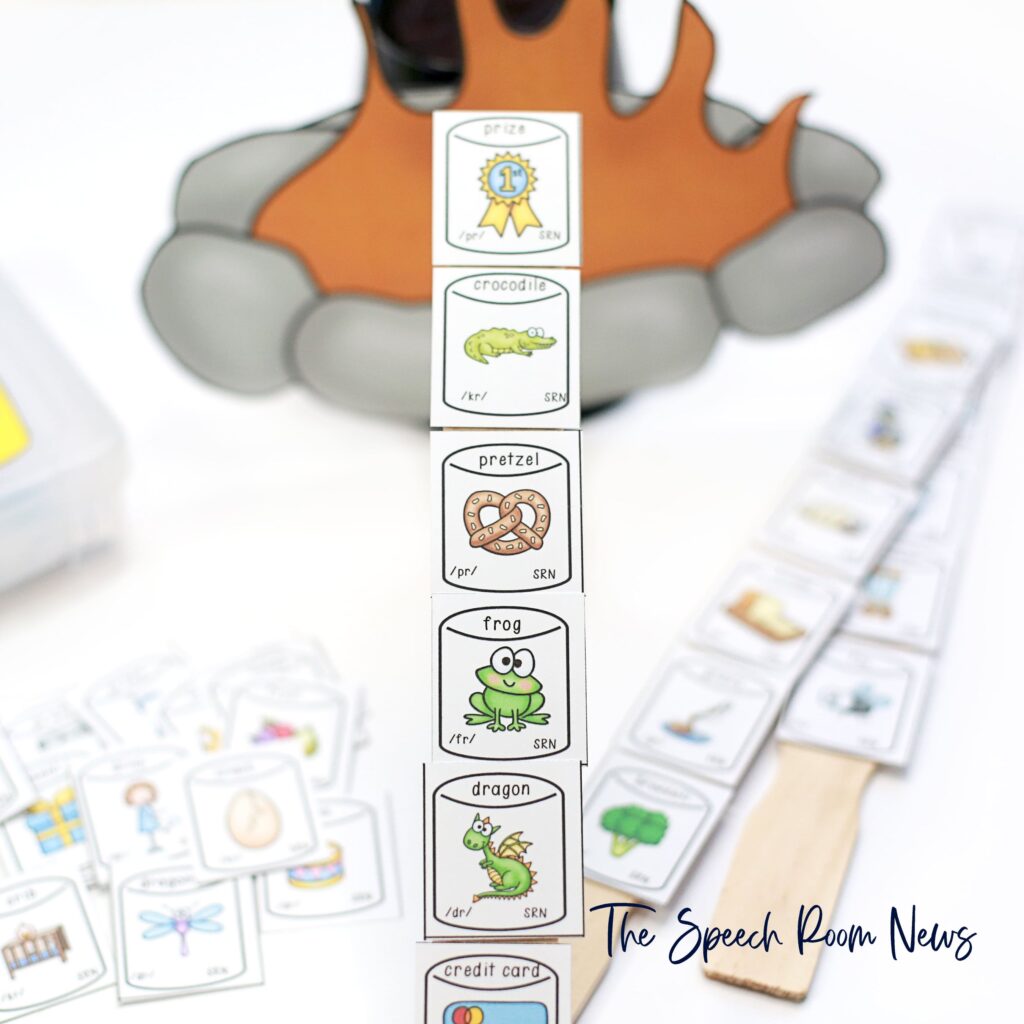
In narrative language intervention, SLPs typically present a series of different but conceptually similar stories over time. The core activities revolve around story retelling, story generation, and the explicit teaching of story grammar elements (e.g., characters, setting, initiating event, problem, attempt, consequence, resolution). A greater emphasis is placed on developing complex syntax and vocabulary within the narrative context.
The profound benefit of this approach lies in its direct impact on curriculum success. Students with strong narrative skills are better equipped to comprehend texts, write essays, and engage in academic discourse. By integrating IEP goals within a narrative framework, SLPs facilitate the generalization of skills to real-world communication demands. Resources such as "story grammar icons" provide visual supports that guide students through the structural components of a story, making abstract concepts concrete and accessible. This approach is particularly valuable for addressing language disorders that affect organizational and expressive language skills, providing a structured yet flexible framework for intervention.
4. Maximizing a Single Therapy Toy or Game for Multiple Goals
One of the most practical and time-efficient strategies involves leveraging a single versatile toy or game to target a multitude of speech and language goals. This "low-prep, high-impact" method capitalizes on inherent student motivation and play-based learning, requiring minimal upfront planning and material preparation.
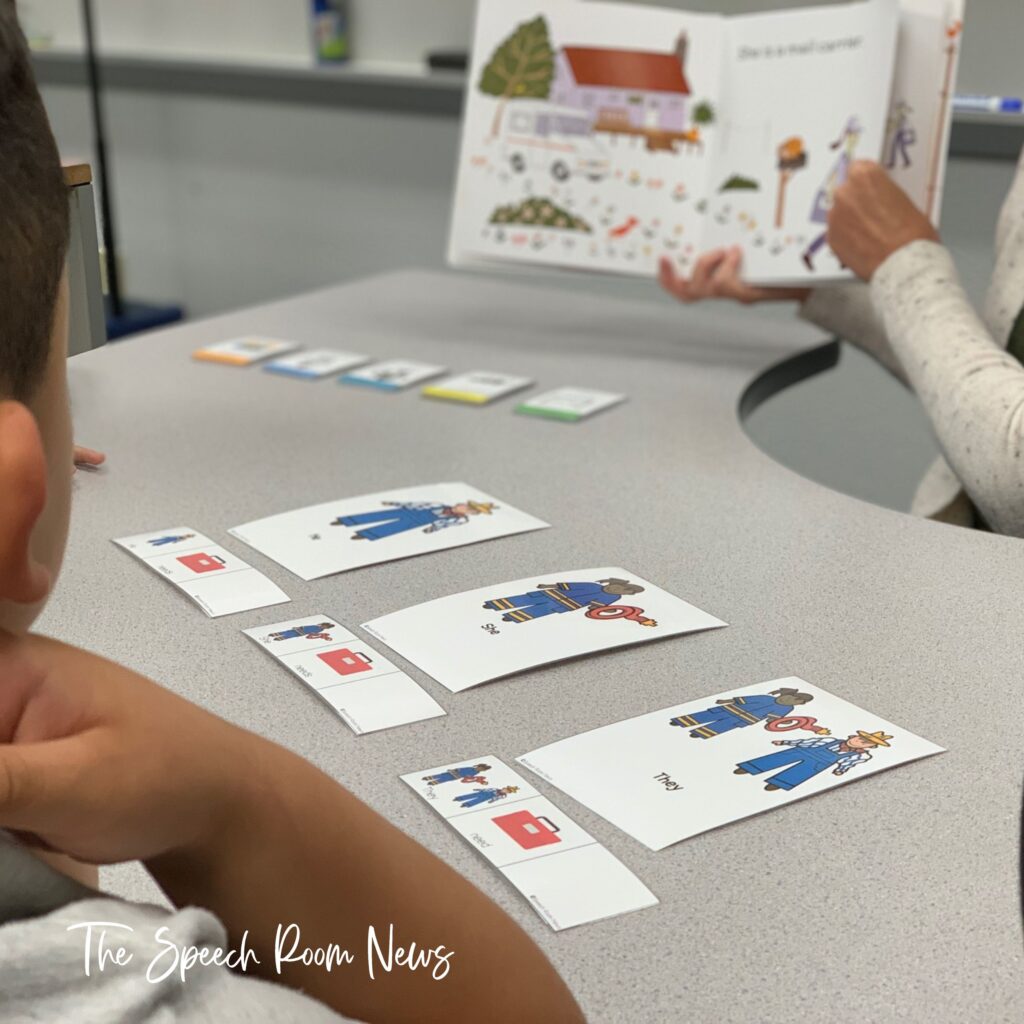
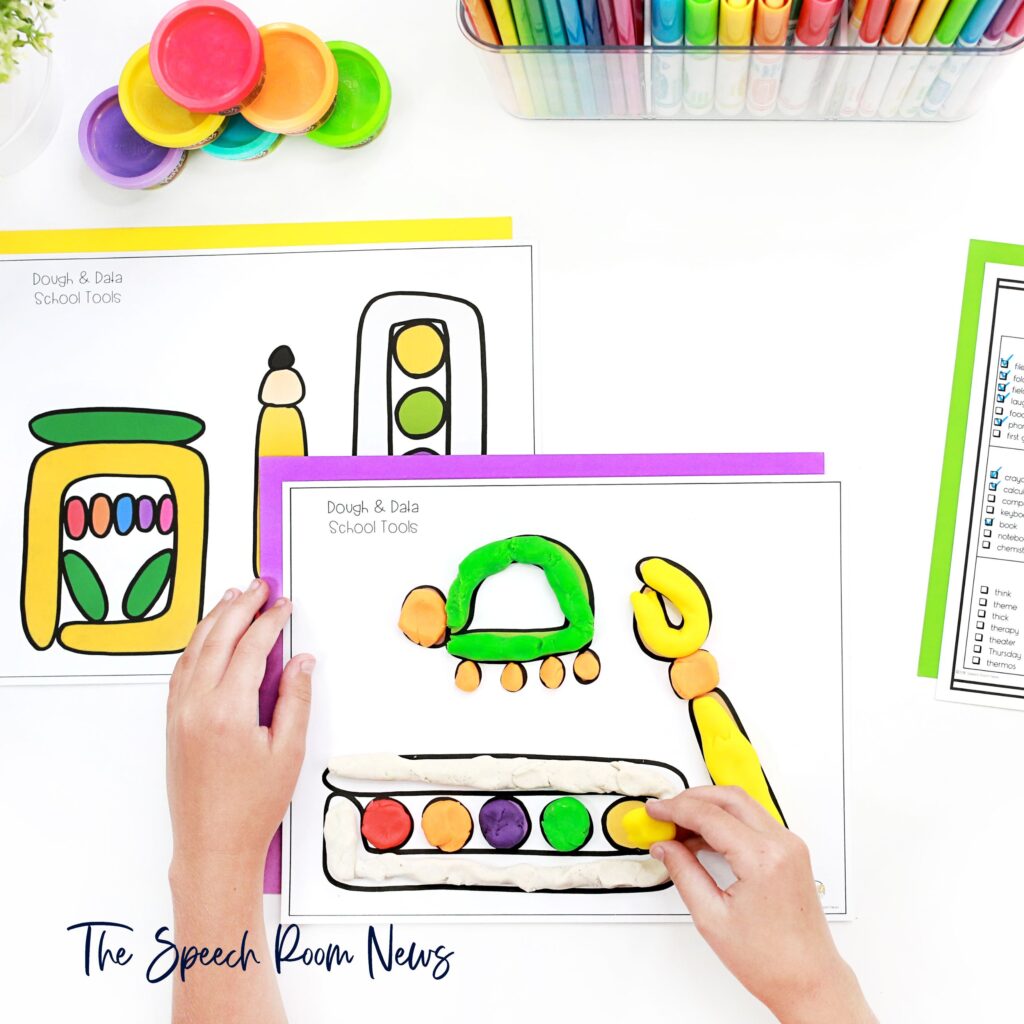
Classic games like "Candyland" or simple materials like playdough offer boundless opportunities for therapeutic intervention. For instance, "Candyland" can be adapted with custom cards to target articulation, vocabulary (e.g., naming colors, candies), following directions, social skills (e.g., turn-taking, good sportsmanship), and descriptive language. Similarly, playdough, often combined with data mats, allows for hands-on engagement while simultaneously collecting progress monitoring data on skills such as following multi-step directions, describing actions, or identifying shapes and sizes.
The use of "mini objects" represents another highly flexible tool. These small, tangible items are inherently motivating and can be used for articulation drills, vocabulary building, category sorting, prepositions (e.g., "put under the box"), storytelling, and requesting. Their portability and versatility make them ideal for dynamic therapy sessions.
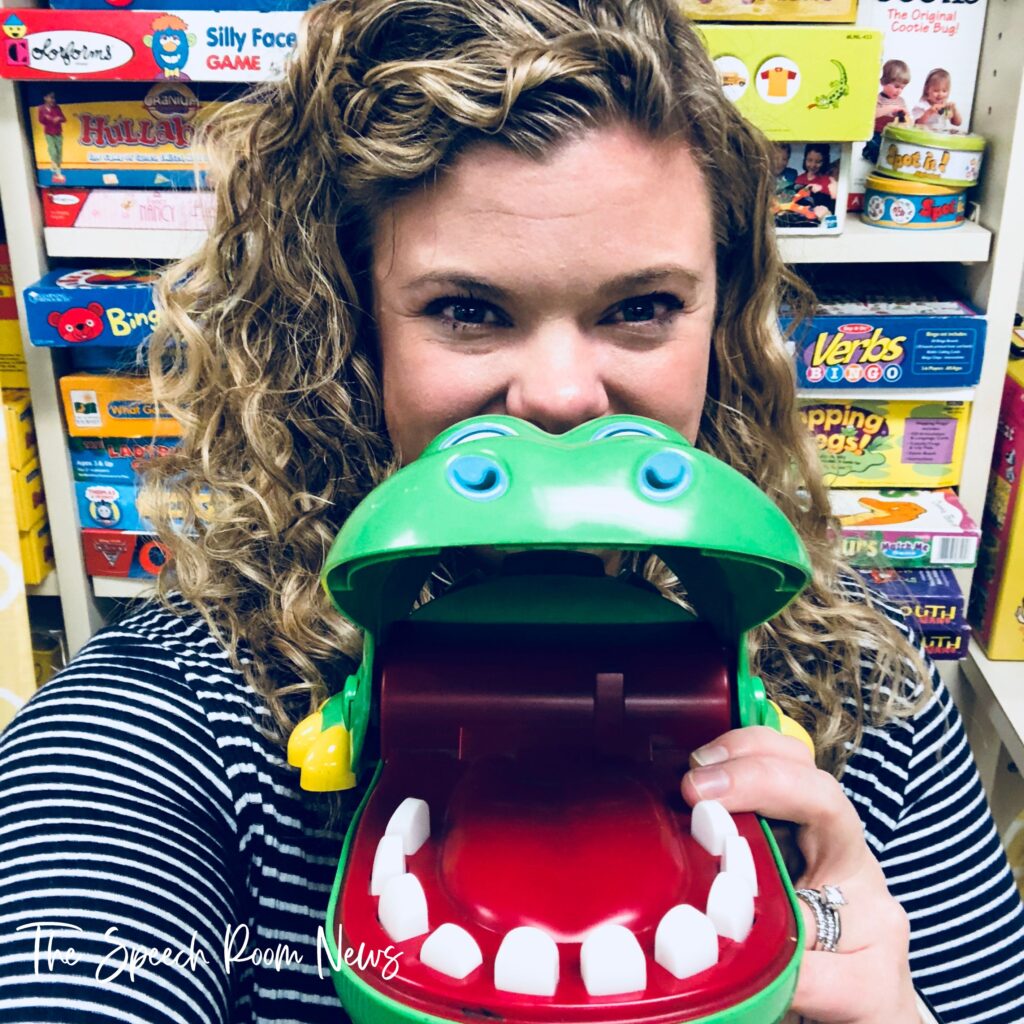
Beyond traditional games, imaginative play setups, such as a "crocodile dentist" toy or a "Melissa and Doug ice cream shop," can be transformed into rich language environments. These scenarios naturally elicit varied vocabulary, verb usage, social scripts, and opportunities for descriptive language and sequencing. For example, an ice cream shop theme can target requesting, politeness phrases, vocabulary for flavors and toppings, and even simple math concepts. The inherent engagement of play facilitates naturalistic communication and skill practice, often without students realizing they are working on specific goals.
5. Utilizing AAC Core Word of the Week (WOW) Lessons for AAC Users
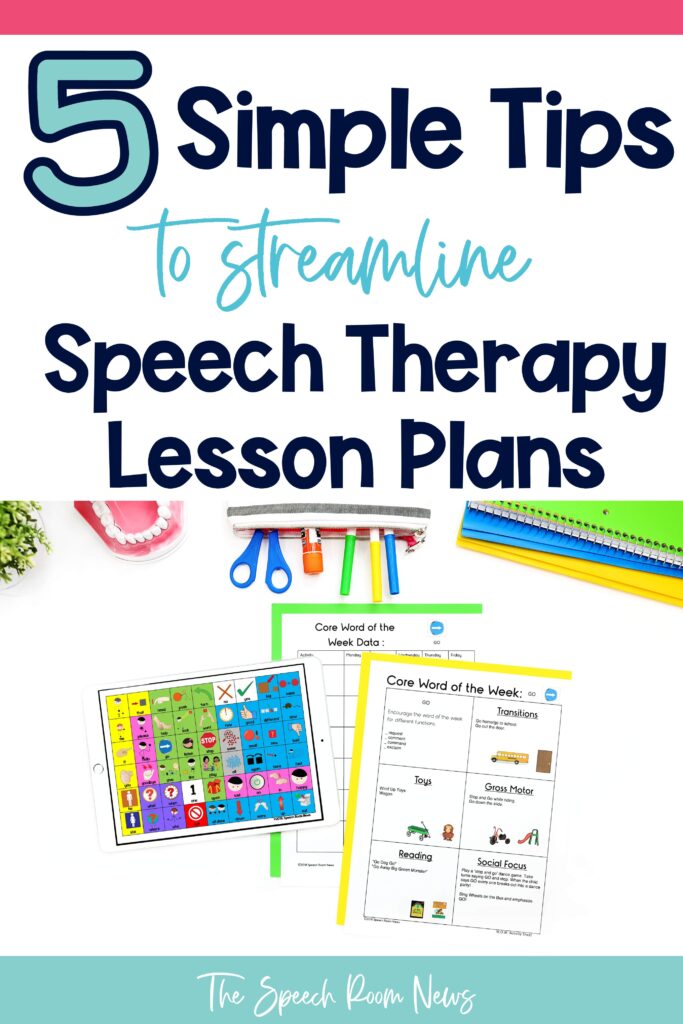
For students who rely on Augmentative and Alternative Communication (AAC), a structured "Core Word of the Week" (WOW) approach significantly streamlines planning and promotes consistent language modeling across environments. Core words are a small set of highly functional words (e.g., "go," "want," "more," "stop," "in," "out") that account for a large percentage of daily communication.
The AAC Core Word of the Week framework provides a systematic, month-long instructional plan that targets a select group of core words. This structured approach ensures that SLPs, teachers, paraprofessionals, and even parents are all focused on modeling and facilitating the use of the same high-frequency vocabulary. This consistency is paramount for AAC users to develop robust communication skills.
A comprehensive WOW lesson plan typically includes:
- Target Core Words: A specific set of 4-5 core words for the week/month.
- Activity Ideas: Suggestions for incorporating these words into various activities and routines.
- Visual Supports: Signs for doors and rooms to remind staff and students of the target words.
- Parent Letters: Information to send home, encouraging family involvement in practicing the core words.
- Data Tracking: Tools to monitor student progress in using the target words.
This systematic approach not only reduces the SLP’s planning burden but also fosters a collaborative communication environment. By providing a clear roadmap for communication partners, it ensures that AAC users receive consistent and pervasive modeling and opportunities to practice their core vocabulary, which is essential for language acquisition and functional communication. Professional guidelines strongly advocate for consistent, multi-modal input for AAC users, and the WOW approach directly supports this recommendation.
Bonus Tip: Cultivating a "Grab-and-Go" Material Repository
Beyond specific planning methodologies, maintaining a readily accessible collection of "grab-and-go" materials is an indispensable strategy for any SLP. These pre-prepped resources serve as invaluable backups for unexpected schedule changes, substitute SLPs, or simply to supplement a session with a quick, engaging activity.
Essential grab-and-go items typically include:
- Speech Helpers Mini Books/Posters: Visual aids for articulation placement and production.
- Behavior Supports: Visual schedules, first/then boards, or choice boards to manage behavior and transitions.
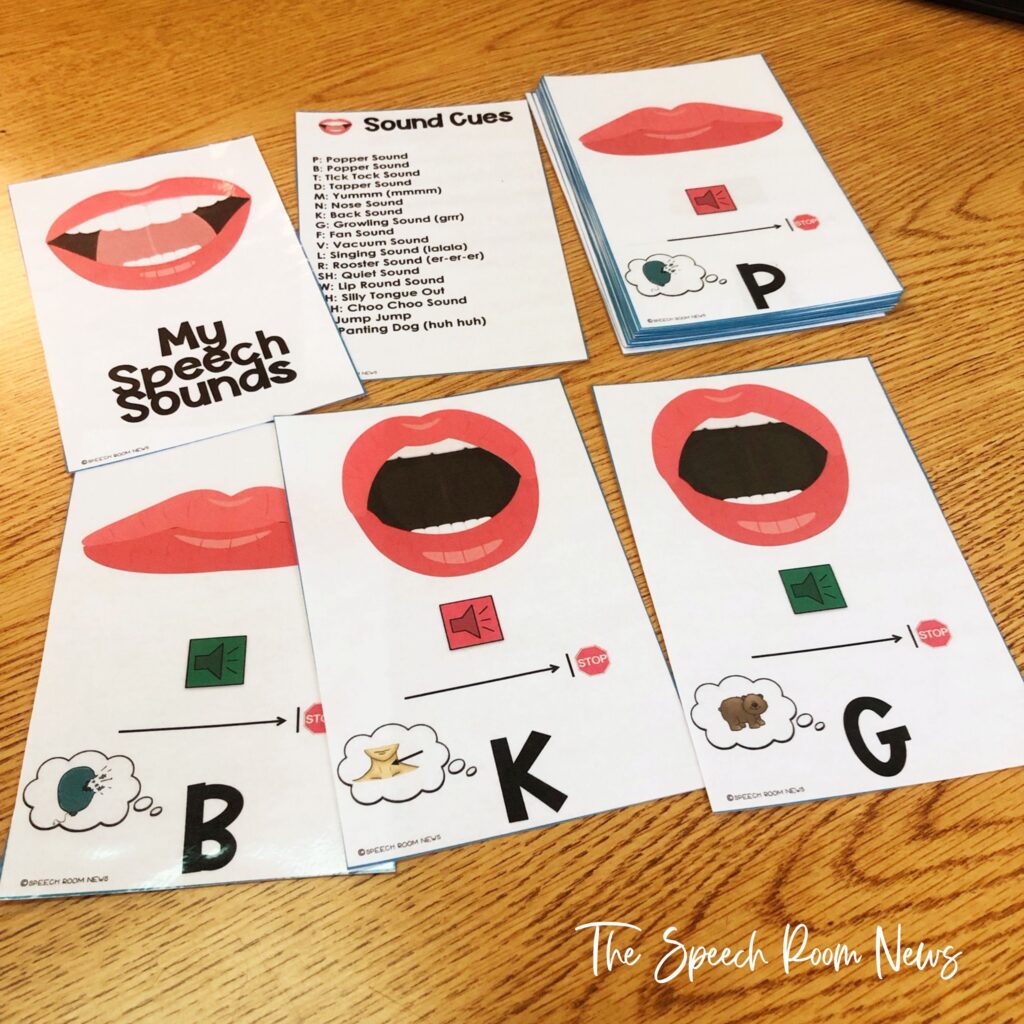
- Articulation Cards: Comprehensive sets of cards targeting various phonemes at different word positions.
- Speech Sound Articulation Posters: Visual references for students working on specific sounds.
- Print & Go Articulation and Phonology Home Packets: Ready-to-send materials for home practice, ensuring continuity of intervention.
The existence of such a repository significantly reduces stress and ensures that therapy sessions can proceed smoothly, even when unforeseen circumstances arise. It reflects a proactive approach to caseload management and underscores the importance of having versatile resources readily available to meet diverse student needs at a moment’s notice.
Broader Implications and Future Outlook
The adoption of streamlined lesson planning strategies holds significant implications for the field of speech-language pathology and the broader educational system. For SLPs, these methods offer a pathway to improved work-life balance, reduced burnout, and increased job satisfaction, fostering a more sustainable and effective workforce. By reducing administrative overhead, SLPs can allocate more time to direct student interaction, consultation, and professional growth.
For students, these approaches lead to more engaging, cohesive, and curriculum-relevant therapy sessions. The emphasis on thematic units, literacy, and narrative skills promotes the generalization of communication abilities into academic and social contexts, enhancing overall educational outcomes. The consistent modeling facilitated by AAC Core Word strategies ensures that students with complex communication needs receive optimal support.
From an institutional perspective, schools benefit from more efficient resource allocation, improved staff retention, and enhanced collaboration among educational professionals. As educational demands continue to evolve, the emphasis on adaptive, evidence-based, and efficient therapeutic practices will only grow. These streamlined planning methodologies represent a forward-thinking approach to ensure that Speech-Language Pathologists can continue to deliver high-quality, impactful services while navigating the complexities of modern school environments. The ongoing professional dialogue and sharing of such effective strategies are crucial for the continued advancement and sustainability of the profession.
