

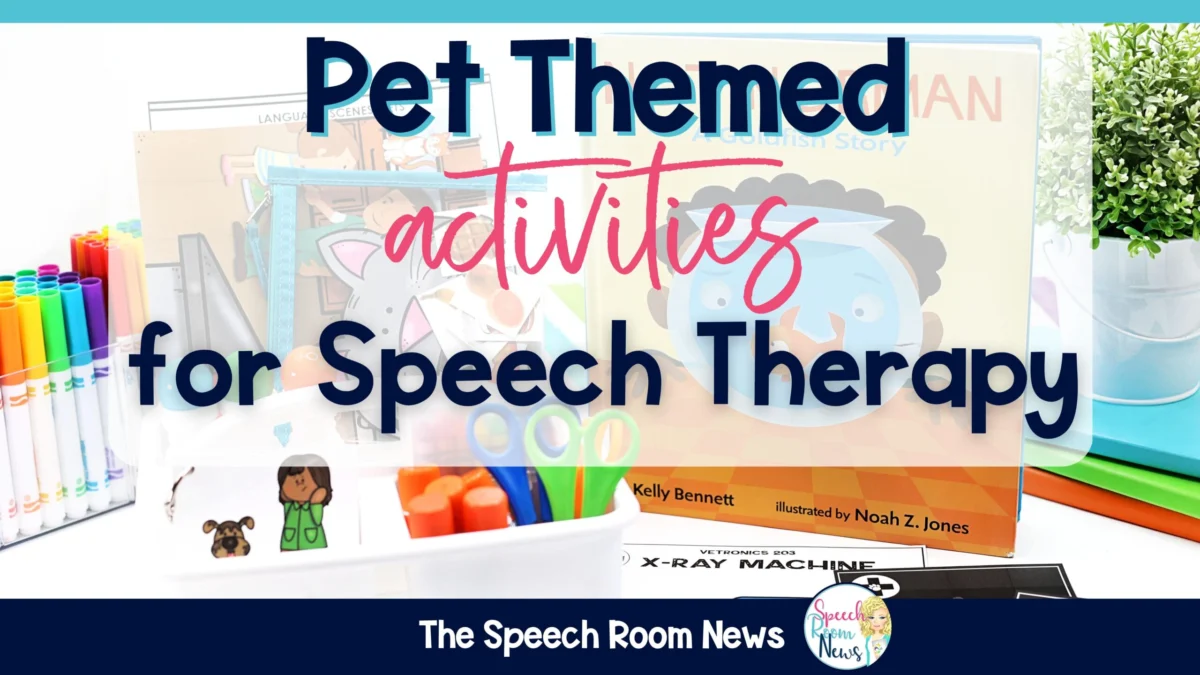
The field of speech and language pathology is continually evolving, with practitioners seeking innovative and effective methodologies to enhance therapeutic outcomes for diverse student populations. A prominent and increasingly recognized strategy involves the integration of year-round thematic units into speech and language activities. This approach, particularly exemplified by the use of universal themes such as "pets," offers substantial benefits in terms of student engagement, skill generalization, and resource efficiency for speech-language pathologists (SLPs). The adoption of thematic teaching in speech therapy is not merely a pedagogical preference but a strategic choice rooted in principles of cognitive development and educational psychology, designed to create a more cohesive, stimulating, and ultimately more effective learning environment.
The fundamental premise behind thematic speech and language therapy is the creation of a unified context for learning. Instead of isolated exercises targeting specific linguistic or phonological goals, a theme provides a rich, interconnected web of vocabulary, concepts, and narrative structures. This holistic approach significantly streamlines preparation time for SLPs, as activities and materials can be prepped in advance and reused across multiple sessions and even multiple years. Furthermore, the inherent fun and familiarity of well-chosen themes, like pets, naturally boost student engagement and motivation, critical factors in successful therapeutic intervention. Unlike holiday-specific themes, which are time-bound, non-holiday themes offer unparalleled versatility, allowing SLPs to deploy these materials three to four times annually, thereby maximizing their investment in resources and preparation. This strategic reusability represents a significant cost and time-saving advantage, enabling SLPs to dedicate more time to direct student interaction and individualized planning rather than repetitive material creation.
The universal appeal of animals, and particularly pets, makes a "pets theme" an exceptionally powerful tool in speech and language therapy. Most children have some form of exposure to pets, whether through personal ownership, friends, media, or books, creating a relatable and emotionally resonant foundation for learning. This inherent connection fosters a sense of comfort and curiosity, lowering affective filters and making students more receptive to therapeutic tasks. The pet theme naturally lends itself to a vast array of vocabulary (e.g., animal names, sounds, actions, care items), grammatical structures (e.g., possessives, verbs of action, descriptive adjectives), and social-emotional concepts (e.g., responsibility, empathy, communication with animals).

Historical Context and Pedagogical Foundations
The concept of thematic instruction is deeply rooted in educational theory, tracing its origins to early 20th-century progressive education movements that emphasized integrated learning experiences over fragmented subject matter. Pioneers like John Dewey advocated for curricula that connected learning to students’ real-world experiences and interests. In the latter half of the 20th century, constructivist theories further solidified the idea that learners construct knowledge most effectively when information is presented in meaningful, interconnected contexts.
The adaptation of thematic units into specialized fields like speech and language pathology gained significant traction in the late 20th and early 21st centuries. SLPs recognized that children, particularly those with language impairments, often struggle with the abstract nature of isolated linguistic drills. By embedding target skills within a cohesive, engaging theme, therapy becomes more concrete, memorable, and functional. This approach aligns with research indicating that context-rich learning environments facilitate better comprehension, retention, and generalization of new skills across different settings. For instance, studies on early childhood education have consistently shown that thematic units can improve vocabulary acquisition by as much as 20-30% compared to traditional, less integrated methods, due to the repeated exposure to related concepts in varied contexts.
Leveraging Literature for Language Development

Integrating literature is a cornerstone of effective thematic speech therapy, providing rich narrative structures, diverse vocabulary, and opportunities for inferential thinking. Books centered on pets offer an excellent entry point for targeting a multitude of speech and language goals:
- "Not Norman" by Kelly Bennett: This humorous tale about a boy who initially dismisses his goldfish, Norman, before realizing his value, is ideal for developing narrative skills, understanding character emotions, and perspective-taking. SLPs can use this book to prompt discussions on feelings (disappointment, appreciation), introduce descriptive adjectives (boring, cool, shiny), and practice sequencing events (first, next, then). The story’s arc also provides opportunities to explore cause-and-effect relationships and problem-solving, as the boy attempts to trade Norman.
- "Some Pets" by Angela DiTerlizzi: With its vibrant illustrations and portrayal of a diverse group of children and their various animal companions, this book is excellent for expanding vocabulary related to different types of pets, their characteristics, and the actions associated with pet ownership. It also offers a natural platform for teaching categorization, comparing and contrasting different animals, and understanding basic concepts of responsibility. The repetitive structures found in many children’s books, including this one, can be leveraged for practicing sentence formulation and early grammatical structures.
- "Lola Gets a Cat" by Anna McQuinn: Lola’s journey from daydreaming about a cat to understanding the realities of pet ownership provides a realistic context for discussing responsibility, expectations versus reality, and the sequence of daily routines. This book is particularly effective for targeting complex vocabulary related to pet care, developing inferential skills (e.g., why Lola is disappointed, why she changes her mind), and practicing narrative retell with a clear beginning, middle, and end.
- Interactive Vocabulary Books: Resources like dedicated "Interactive Vocabulary Book about Pets" are invaluable. These often cover essential themes such as animal names, habitats, food, and actions. They can be used to build core vocabulary, reinforce concept understanding, and provide tactile engagement for students. When paired with interactive play sets, such as a "Critter Clinic," these books facilitate a seamless transition from receptive vocabulary acquisition to expressive language use within a functional context, allowing students to apply learned words in role-playing scenarios.
Musical Engagement for Auditory and Expressive Skills
Songs are a powerful, multi-sensory tool in speech therapy, particularly for young learners. The rhythmic and repetitive nature of pet-themed songs makes them ideal for targeting early language acquisition, phonological awareness, and expressive communication. These songs often feature repeated words, simple sentence structures, and opportunities for practicing animal sounds, action words, and basic vocabulary.
- "I Have a Pet": This song can be used to introduce and practice names of common pets, descriptive adjectives (e.g., soft, furry), and simple verbs (e.g., bark, purr).
- "Do You Have a Pet?": Ideal for practicing question-answer structures, initiating conversations, and expanding on personal experiences with pets.
- "I Love Dogs": Focuses on a specific pet, allowing for deeper vocabulary exploration related to dogs (e.g., leash, bone, wag) and expressing preferences.
- "Wag Your Tail": Excellent for targeting action verbs, body parts, and following simple directions, often incorporating physical movements that enhance motor planning and engagement.
The combination of auditory input, rhythm, and often accompanying gestures or actions helps cement new vocabulary and grammatical patterns, making the learning process more dynamic and memorable.

Interactive Gaming for Targeted Skill Practice
Digital and physical games provide a structured, motivating environment for practicing speech and language goals. The gamified approach leverages children’s natural inclination towards play, making therapeutic tasks feel less like work and more like fun.
- "Color and Play Pets Bingo": This game is highly versatile for targeting various goals. SLPs can use it for identifying colors and pet names, practicing turn-taking and requesting skills ("I want the red dog"), and even working on articulation by having students say a target word before placing a marker. The visual nature of bingo also supports vocabulary recognition and categorization.
- "Feed the Dog Articulation Boom Cards": Online interactive games, such as "Feed the Dog," have revolutionized articulation therapy. These digital resources provide immediate feedback and high levels of engagement. Students are motivated to produce their target speech sounds correctly to "feed" the interactive dog. The auditory reinforcement (e.g., a "crunch" sound) enhances the experience, making repetitive practice enjoyable. Such platforms allow SLPs to easily customize for all articulation sounds, ensuring individualized practice while maintaining a consistent thematic context. This digital format also offers advantages in data collection and flexibility for teletherapy.
Hands-On Play and Sensory Exploration
Tactile and imaginative play are crucial for language development, fostering creativity, problem-solving, and social interaction. Pet-themed toys and sensory activities offer rich opportunities for naturalistic language use.

- Critter Clinic Toy Vet Set: This toy is exceptionally versatile, offering multiple opportunities for speech and language goals. Its features (doors to open/close, lock/unlock) and accompanying stuffed animals and veterinary tools create a miniature world for role-playing.
- Vocabulary: Naming animals, vet tools, body parts, actions (e.g., examine, treat, feed).
- Following Directions: "Give the dog a shot," "Put the cat in the cage."
- Prepositions: "Put the bandage on the leg," "The cat is inside the carrier."
- Problem-Solving/Inferencing: "What’s wrong with the puppy?" "How can we make it feel better?"
- Pragmatic Language: Role-playing conversations between a vet and a pet owner, practicing greetings, asking questions, giving information.
- Hape Family Pet Houses: These miniature sets with small pieces are excellent for targeting a range of language opportunities.
- Descriptive Language: Describing the pets, houses, and accessories (e.g., "The small brown dog is in the red house").
- Spatial Concepts: "The cat is on top of the roof," "The dog is under the table."
- Prepositions: Reinforcing concepts like in, on, under, next to.
- Requesting/Commenting: "I want the dog," "Look at the bird!"
- Narrative Development: Creating stories about the pets and their adventures, fostering imaginative play.
- Sensory Play (Pet-Themed Bin): Sensory bins are invaluable for engaging multiple senses and promoting descriptive language. A pet-themed bin could include:
- Base: Brown rice or dried beans (representing dirt/food).
- Elements: Plastic animal figures (dogs, cats, birds, fish), small bowls, brushes, toy leashes, small bones, plastic "poop" for humor.
- Activity: Burying the pets and having students "find" them using descriptive language. "I see a pointy black ear," "I feel something furry." This targets descriptive vocabulary (colors, shapes, textures), spatial concepts, and inferencing.
Creative Expression through Crafts
Craft activities provide a hands-on, tangible outcome for therapy sessions, reinforcing themes and offering opportunities for following directions, fine motor skill development, and vocabulary review.
- Clifford the Big Red Dog Craft: Creating a paper plate Clifford craft, inspired by the beloved character, integrates literature with art. SLPs can read Clifford books beforehand, discussing the character’s traits and adventures. During the craft, students practice following multi-step directions, identifying colors, shapes, and body parts, and using action verbs (e.g., cut, glue, draw). The finished craft serves as a visual reminder of the theme and a prompt for continued language practice at home.
Comprehensive Curricular Kits and Professional Support
For SLPs seeking to maximize efficiency and ensure comprehensive coverage, structured thematic kits, such as a "Pet Themed Speech Therapy Kit," represent a significant advancement. These kits typically offer a full month (four weeks) of pre-planned lessons and activities, alleviating the substantial burden of material creation. Such kits often include:

- Therapy Printables: Worksheets, flashcards, visual aids.
- Interactive Play Resources: Materials for role-playing, games, and hands-on activities.
- Circle Time Lessons: Structured group activities for vocabulary, storytelling, and social skills.
- Parent Handouts: Resources to extend learning and practice into the home environment, fostering continuity of care.
- Book Companions: Detailed guides for integrating specific pet-themed books into therapy sessions, with targeted questions and activities.
These comprehensive resources not only save SLPs invaluable time but also ensure a consistent, high-quality thematic experience for students, promoting better therapeutic outcomes through structured, engaging content.
Broader Implications and Future Directions
The increasing adoption of thematic approaches, particularly those centered around universally appealing subjects like pets, reflects a broader shift in speech-language pathology towards more child-centered, engaging, and functionally relevant interventions. This methodology has several significant implications:
- Enhanced Professional Efficiency: By providing ready-to-use, versatile materials, thematic kits allow SLPs to reallocate time from preparation to direct therapy, consultation, and professional development.
- Improved Student Outcomes: Increased engagement, contextual learning, and opportunities for skill generalization contribute to more robust and lasting improvements in speech and language abilities.
- Greater Accessibility and Equity: Standardized, high-quality thematic resources can help bridge gaps in resource availability, particularly for SLPs in under-resourced settings or those new to the profession.
- Collaboration with Educators and Parents: Thematic units provide a clear framework for communicating therapeutic goals and activities to general educators and parents, fostering a more cohesive support system for the child.
- Innovation in Resource Development: The success of thematic kits encourages further innovation in creating adaptable, evidence-based materials that cater to diverse learning styles and therapeutic needs.
In conclusion, the strategic use of year-round themes, exemplified by a well-planned "pets theme," represents a highly effective and efficient approach in speech and language therapy. By harnessing the power of engaging content, SLPs can foster a dynamic learning environment that not only targets specific communication goals but also nurtures a child’s natural curiosity and love for learning. This methodology stands as a testament to the ongoing evolution of therapeutic practices, emphasizing holistic, child-friendly, and evidence-informed interventions.
